White's Tree Frog Care: Complete Beginner's Guide
Everything you need to know about White's tree frog care -- enclosure setup, temperature, humidity, diet, and handling for this docile, beginner-friendly species.


✓Recommended Gear
TL;DR: White's tree frogs (Litoria caerulea), or dumpy tree frogs, are large (3–4.5 inch), long-lived (15–20+ years) amphibians from Australia that are among the most beginner-friendly frog species due to their docile temperament and tolerance for gentle handling. They need a minimum 18×18×24-inch vertical enclosure (one frog), temperatures of 75–85°F, humidity of 50–70%, and a diet of gut-loaded crickets and dubia roaches fed 3–4 times per week. Obesity is the most common health issue — overfeeding is easy since they will eat without limit, so portions must be strictly controlled.
White's tree frogs (Litoria caerulea), also known as dumpy tree frogs or Australian green tree frogs, are among the most charming and beginner-friendly amphibians in the hobby. Plump, docile, and surprisingly interactive, these frogs tolerate gentle handling better than almost any other frog species. Their bright green to turquoise coloration and perpetual "smiling" expression have made them enduring favorites.
Native to Australia and southern New Guinea, White's tree frogs live in tropical and subtropical forests and are well-adapted to the temperatures and humidity found in most homes. This guide covers everything you need: enclosure, temperature, humidity, diet, and health.
Quick Facts: White's Tree Frog at a Glance
| Feature | Detail |
|---|---|
| Scientific name | Litoria caerulea |
| Adult size | 3-4.5 inches (7-11 cm) |
| Lifespan | 15-20+ years in captivity |
| Activity | Nocturnal |
| Temperament | Docile, tolerates handling |
| Beginner-friendly? | Yes -- one of the best beginner frogs |
Enclosure: Size and Style
White's tree frogs are arboreal (tree-dwelling) and need vertical space to climb. A front-opening terrarium is ideal.
Minimum enclosure size:
- For 1 frog: 18" x 18" x 24" (tall)
- For 2 frogs: 24" x 18" x 24" minimum
Recommended: the Exo Terra 18x18x24 terrarium with screen top for ventilation. Avoid all-glass aquariums unless they have a secure screen lid -- White's tree frogs are capable jumpers and will exploit any gap.
Group Housing
White's tree frogs are social and can be kept in groups -- 2-3 females, or a male/female pair. Avoid overcrowding; 2 frogs per 18x18x24 is a comfortable maximum.
Enclosure Setup Checklist
Everything you need to get started
Temperature
White's tree frogs are subtropical and tolerate a wide temperature range:
- Daytime: 75-85 degrees F (24-29 degrees C)
- Night: 65-75 degrees F (18-24 degrees C)
- Max: Do not exceed 90 degrees F
In most homes, room temperature provides adequate warmth without supplemental heating. If your home drops below 65 degrees F, a low-wattage [reptile heat mat](https://www.amazon.com/dp/B08C93ZGPJ?tag=krawlo-20 on one side of the enclosure or a [low-wattage ceramic heat emitter](https://www.amazon.com/dp/B096JWWQMC?tag=krawlo-20 overhead is appropriate.
Temperature Guide
Daytime
75-85°F (24-29°C)
Nighttime
65-75°F (18-24°C)
Maximum
Do not exceed 90°F
Critical upper limit
Heating required?
Only if home drops below 65°F
Lighting and UVB
White's tree frogs are nocturnal but recent research supports providing low-level UVB for vitamin D3 synthesis and overall health. A [T5 HO 5.0 or 6% UVB bulb](https://www.amazon.com/dp/B0FG7FCWB5?tag=krawlo-20 positioned 12-18 inches from the frog's resting spot, on a 10-12 hour cycle, is recommended.
A basic low-wattage daylight LED maintains a natural photoperiod if you choose not to use UVB -- but supplemental calcium becomes even more critical in that case.
Humidity
White's tree frogs need 50-80% relative humidity. This is moderate -- not the extreme humidity of tropical dart frogs, but enough to keep their permeable skin hydrated.
- Mist the enclosure once daily in the evening (when frogs become active)
- Use a digital hygrometer to monitor
- Allow partial drying between misting sessions -- stagnant high humidity causes bacterial issues
- Cork bark, live plants (pothos, bromeliads), and a humid substrate all help maintain humidity naturally
Substrate
For bioactive setups:
- Drainage layer: LECA or hydroballs (2 inches)
- Separation: Fine mesh
- Top substrate: Coconut coir + organic topsoil mix (3 inches)
Live plants (pothos, ficus pumila, tillandsia) naturally regulate humidity and add enrichment.
For simpler setups, coconut fiber substrate alone works well. Avoid sharp gravel or substrates that can be accidentally ingested (substrate impaction is a real risk with White's tree frogs).
Decor and Enrichment
White's tree frogs love to climb and cling to vertical surfaces. Include:
- Broad cork bark pieces or tubes: Provide elevated resting spots
- Thick branches or bamboo: Climbing enrichment
- Live or silk broad-leaved plants: Frogs love to rest in plant leaves during the day
- Magnetic feeding ledge: Reptile magnet dish makes feeding easy and visible
These frogs are lazy by day -- they'll find a spot and barely move. Activity spikes at night.
Feeding White's Tree Frogs
White's tree frogs are enthusiastic, opportunistic feeders. Their tendency to overeat is one of their main health risks -- obesity is common in captivity.
Primary Diet
- Crickets: The staple feeder. [Live crickets](https://www.amazon.com/dp/B09Y7K26DZ?tag=krawlo-20 dusted with calcium are offered 2-3 times per week.
- Dubia roaches: Excellent alternative -- higher protein, easier to manage
- Mealworms: Occasional treat (high fat)
- Waxworms: Rare treat only -- extremely high fat and addictive to frogs
Feeding Frequency
- Juveniles (under 6 months): Daily, small crickets
- Sub-adults: Every other day
- Adults: 2-3 times per week -- limit to 3-5 appropriately sized insects per feeding
Prey Sizing
Prey should be no larger than the space between the frog's eyes. For adults, that's often adult crickets or medium dubia roaches.
Supplementation
Dust feeders with reptile calcium powder (without D3 if using UVB, with D3 if not) at every feeding. Use a [reptile multivitamin](https://www.amazon.com/dp/B00BS96HRM?tag=krawlo-20 every 2-4 feedings.
Water: Dish and Soaking
Provide a shallow water dish on the cool side of the enclosure. White's tree frogs absorb water through their skin rather than drinking it, so clean, dechlorinated water is essential.
- Use [reptile water conditioner](https://www.amazon.com/dp/B094D9RM9J?tag=krawlo-20 or leave tap water out 24 hours to off-gas chlorine
- Change water every 1-2 days
- The dish should be shallow -- frogs can accidentally drown in deep water
- Many keepers offer weekly shallow soaks in dechlorinated water for hydration
Handling White's Tree Frogs
White's tree frogs are uniquely tolerant of handling among frog species. They rarely jump away frantically and often sit calmly on a hand. Guidelines:
- Wash hands thoroughly before and after handling -- soap residue and hand lotion are toxic to amphibians
- Keep sessions short: 10-15 minutes maximum
- Never handle immediately after eating -- stress can cause regurgitation
- Wet hands slightly -- dry hands can damage their permeable, mucus-coated skin
For building trust with your amphibian and understanding stress signals, our reptile handling guide covers the body language basics that translate to frogs.
Common Health Issues
White's tree frogs are hardy but watch for:
- Obesity: The most common issue. A healthy adult has slightly visible arching over the eyes ("fat pads") but shouldn't have rolls of excess skin on their back.
- Red-leg disease: Red discoloration on the legs and belly -- a bacterial infection usually caused by poor water quality or high ammonia. Requires vet treatment.
- Chytrid fungus (Bd): A widespread amphibian disease -- signs include skin sloughing, lethargy, loss of appetite. Vet treatment available but prevention (quarantine new frogs, hygiene) is key.
- Retained skin after shedding: Increase humidity; provide a shallow soak to help loosen stuck skin.
- Eye infections: From substrate getting into eyes or bacterial buildup. Clean water and good hygiene prevent most cases.
Amphibians are canaries for environmental quality -- if your frog is lethargic or losing color, check your temperature, humidity, and water conditions first. Also review our lizard owner mistakes guide, which covers husbandry basics applicable to all reptiles and amphibians.
Is a White's Tree Frog Right for You?
White's tree frogs are ideal for:
- Beginner amphibian keepers
- People who want a frog they can occasionally handle
- Keepers who enjoy setting up lush planted terrariums
- Anyone who finds their "chunky and smiling" appearance irresistible
They are less ideal for keepers wanting a highly active, constantly visible pet -- White's tree frogs spend most of the day motionless in a favorite spot.
Recommended Gear
Exo Terra Terrarium 18x18x24
Vertical space is essential for these arboreal climbers -- front-opening for stress-free access
Check Price on Amazon
Live Feeder Crickets
The staple feeder insect -- dust with calcium every feeding
Check Price on AmazonReptile Calcium Supplement
Dust every feeding to prevent metabolic bone disease
Check Price on AmazonDigital Hygrometer
Monitor humidity -- aim for 50-80% relative humidity
Check Price on Amazon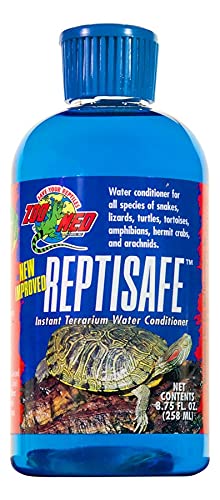
Reptile Water Conditioner
Removes chlorine from tap water -- essential for amphibians
Check Price on AmazonCoconut Fiber Reptile Substrate
Moisture-retaining substrate perfect for White's tree frog enclosures
Check Price on AmazonFrequently Asked Questions
With good care, White's tree frogs live 15-20 years in captivity -- sometimes longer. They are among the longer-lived pet frog species.
References & Sources
Related Articles

Pac-Man Frog Care Guide: Everything You Need to Know
Complete Pac-Man frog care guide covering habitat setup, feeding, humidity, temperature, and health tips for beginners and experienced keepers.

Tomato Frog Care: Complete Guide for Beginners
Tomato frog care guide -- enclosure, temperature, humidity, live insect diet, and handling tips for this bright red Madagascan display frog.

Zig-Zag Salamander Care: Complete Guide for Beginners
Discover everything about zig-zag salamander care: enclosure setup, temperature, feeding, and health tips for this charming North American herp species.