How to Feed a Whiptail Scorpion: Complete Feeding Guide
Learn how to feed a whiptail scorpion the right way — the correct prey size, feeding frequency, gut-loading techniques, and what to do when your vinegaroon refuses food.


✓Recommended Gear
Feeding a whiptail scorpion is one of the first things new keepers get wrong. Offer prey that's too large, feed too often, or leave live insects overnight — and you'll have a stressed, injured, or perpetually hiding vinegaroon on your hands.
This guide covers everything: what whiptail scorpions eat, how to size prey, how often to feed, and what to do when your scorpion refuses food.
What Do Whiptail Scorpions Eat?
Whiptail scorpions are ambush predators. In the wild, they hunt insects, worms, and occasionally small vertebrates across dry grasslands and scrubland. In captivity, you replicate that diet with feeder insects.
Best feeder insects for whiptail scorpions:
- Dubia roaches — the top choice for most keepers. High protein, low fat, and easy to gut-load. Dubia roaches don't bite, don't chirp, and won't injure your scorpion if one escapes at night.
- Crickets — widely available and inexpensive, but they'll bite resting scorpions if left uneaten. Always remove crickets after 24 hours.
- Mealworms — a good choice for juveniles. They're higher in fat, so limit them to once or twice a week for adults.
- Superworms — great for adults. Their active movement triggers the whiptail scorpion's hunting instinct and works well for reluctant feeders.
- Earthworms — an excellent moisture source that most whiptail scorpions eat eagerly.
- Fruit flies — essential for hatchlings and juveniles under ½ inch.
Never feed fireflies, glowworms, or wild-caught insects. These can be toxic or carry parasites. Waxworms are safe as an occasional treat but are too fatty for regular use.
How Big Should the Prey Be?
Prey size is the most common mistake new keepers make. A prey item that's too large will stress your whiptail scorpion and trigger a defensive retreat instead of a hunt.
The rule: prey should be no wider than the width of your scorpion's body at its broadest point.
For a full-grown adult Mastigoproctus giganteus (2–3 inches body length):
- Medium dubia roaches (about ¾ inch)
- Medium crickets
- One superworm at a time
For sub-adults (1–2 inches):
- Small crickets or small roaches (about ½ inch)
- Small mealworms
For juveniles under 1 inch:
- Pinhead crickets
- Fruit flies (Drosophila)
- Micro mealworms
When in doubt, go smaller. An undersized prey item is never a problem. An oversized one can injure or seriously stress your scorpion.
How Often to Feed a Whiptail Scorpion
Whiptail scorpions have slow metabolisms. They don't need frequent meals — overfeeding is just as harmful as underfeeding.
| Age | Feeding frequency |
|---|---|
| Juvenile (under 1 inch) | Every 4–5 days |
| Sub-adult (1–2 inches) | Every 5–7 days |
| Adult (2–3+ inches) | Every 7–10 days |
A healthy adult can skip 4–8 weeks without any food, especially before a molt. Don't panic if your whiptail scorpion misses a meal or two — this is completely normal behavior.
Step-by-Step: How to Feed Your Whiptail Scorpion
Step 1: Feed at night. Whiptail scorpions are nocturnal hunters. Offer food 30–60 minutes after lights out. Trying to feed during daylight almost always fails.
Step 2: Use feeding tongs. Never drop prey directly from your hand. Reptile feeding tongs let you place prey near your scorpion's hide without startling it or risking a defensive spray of acetic acid.
Step 3: Gut-load your feeders 24 hours before. Gut-loading means feeding your feeder insects nutritious food before they become a meal. This passes vitamins and minerals through to your scorpion. Offer your roaches or crickets leafy greens, carrots, and a cricket gut-load formula the day before every feeding.
Step 4: Place prey, then step back. Once you set prey near your scorpion, don't hover. When it grabs prey with its pedipalps, leave it alone completely. Disturbance causes the scorpion to drop the meal and retreat.
Step 5: Remove uneaten prey after 24 hours. This isn't optional. Crickets will bite a sleeping scorpion and cause real harm. Check every morning after a feeding night and pull out anything uneaten.
Mid-guide: Need help with the full habitat setup? Check out our complete whiptail scorpion care guide for enclosure size, substrate, temperature, and humidity recommendations.
Do Whiptail Scorpions Need Water?
Whiptail scorpions get most of their hydration from prey, but a small water source is still worth providing. Use a bottle cap or a shallow reptile water dish filled with clean, dechlorinated water on the cooler side of the enclosure. Change the water every 2–3 days to keep it fresh.
Alternatively, lightly mist one corner of the enclosure once a week. Don't mist the whole enclosure — whiptail scorpions come from dry environments and can develop respiratory issues in high humidity. For a full breakdown of moisture management, see our guide to humidity for exotic invertebrates.
Vitamins and Mineral Supplements
Feeder insects alone don't provide complete nutrition. A simple supplement routine keeps your whiptail scorpion healthy long-term.
- Calcium powder: dust prey lightly every other feeding. This supports healthy molting and prevents calcium deficiency.
- Reptile multivitamin: dust prey once a month. Don't overdo it — excessive vitamin A is toxic to arachnids.
Keep dustings very light. You shouldn't see white powder coating the insect — just the faintest residue. A little goes a long way.
Feeding Around Molting
Molting changes everything about your feeding schedule. When your whiptail scorpion is about to shed, it'll stop eating on its own — sometimes for weeks. That's your cue to remove all live prey from the enclosure immediately.
After the molt, wait at least 7–10 days before offering food again. The new exoskeleton needs time to harden fully. Start with soft prey — freshly molted mealworms or earthworms work well. Avoid hard-bodied prey like crickets or superworms until the exoskeleton looks firm and glossy again.
Also stop supplementing for 1–2 weeks post-molt. The scorpion's body is absorbing a lot as it rebuilds its exoskeleton, and extra vitamin dosing can interfere.
Why Is My Whiptail Scorpion Not Eating?
Feeding refusal is the most common concern for whiptail scorpion keepers, and it's almost always benign. Here's what's usually happening:
Pre-molt. The most common cause by far. Your scorpion may stop eating 2–8 weeks before shedding. Look for a slightly dull, matte finish to the exoskeleton. Just wait it out.
Low temperature. Whiptail scorpions need 75–85°F to digest properly. Below 72°F, metabolism slows sharply and appetite drops. Check your ambient and substrate temperatures.
Stress from a new home. A recently purchased scorpion may refuse food for 2–4 weeks. Minimize handling, keep the enclosure dark and undisturbed, and give it time to settle in.
Prey that's too big. Try downsizing prey by one size and try again the next night.
Wrong prey type. Individual scorpions can have strong preferences. If crickets aren't working, try a dubia roach or wiggle a superworm in front of it.
Seasonal slowdown. Wild whiptail scorpions go through a drier, cooler period in fall and winter. Captive animals sometimes follow the same pattern and naturally reduce feeding.
If your scorpion hasn't eaten in more than 6–8 weeks outside of pre-molt and shows a visibly sunken abdomen, consult an exotic invertebrate veterinarian.
Reading Body Condition
The abdomen is your best health indicator. Check it monthly.
Healthy: plump, slightly rounded abdomen. Segments are visible but not sunken.
Underweight: wrinkled, shrunken abdomen with deep creases between segments. Increase feeding frequency or try a more appealing prey type.
Overweight: extremely swollen abdomen with segments pushed apart. Skip one or two feedings and cut back on superworms.
Where to Get Feeder Insects
Local pet stores are convenient for crickets and mealworms, but the feeders are often poorly gut-loaded and arrive stressed. Online feeder suppliers are worth the slight extra effort — they ship insects overnight, and the feeders arrive healthy and ready to gut-load.
If you keep multiple invertebrates, consider starting a small dubia roach colony. Roaches are easy to breed in a warm bin with cardboard egg crates and regular food scraps. You'll always have appropriately sized prey on hand and save money over time.
Quick Feeding Reference
| Prey | Best for | Notes |
|---|---|---|
| Dubia roaches | Adults, sub-adults | Best staple; safe overnight |
| Crickets | All sizes | Remove after 24 hours |
| Mealworms | Juveniles | High fat — limit to 1–2x/week |
| Superworms | Adults | Great for reluctant feeders |
| Fruit flies | Hatchlings, tiny juveniles | Only for animals under ½ inch |
| Earthworms | All ages | Excellent moisture source |
| Waxworms | Treat only | Max once a month |
Wrapping Up
Feeding a whiptail scorpion well comes down to five habits: right prey size, right frequency, gut-loaded feeders, removing uneaten prey, and patience during molts. Get those right and your vinegaroon will eat consistently and stay healthy for years.
The fastest way to know if you're on track? Check the abdomen. A plump, rounded belly means you're doing it right.
Ready to set up everything your whiptail scorpion needs? Shop dubia roaches, feeding tongs, and supplements on Amazon and build the perfect feeding routine today.
Recommended Gear

Dubia Roaches Feeder Insects
Dubia roaches are the best staple feeder for whiptail scorpions — high protein, easy to gut-load, and won't injure your pet if left uneaten overnight.
Check Price on AmazonReptile Feeding Tongs
Feeding tongs let you place live prey safely near your whiptail scorpion without stressing it or risking a defensive vinegar spray.
Check Price on Amazon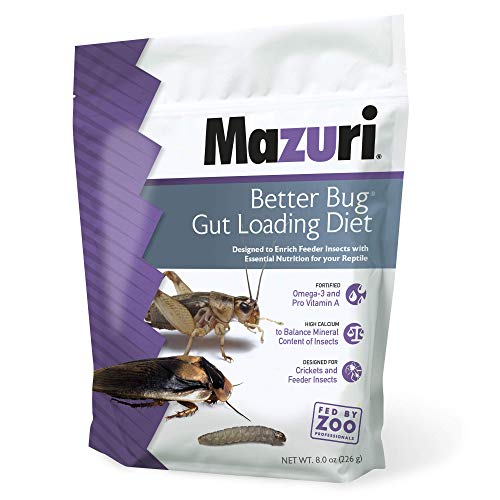
Cricket Gut Load Formula
Gut-loading feeder insects 24 hours before feeding ensures your scorpion gets complete nutrition at every meal.
Check Price on AmazonReptile Calcium Supplement Powder
A light calcium dusting every other feeding prevents deficiencies and supports healthy molting in whiptail scorpions.
Check Price on AmazonSmall Reptile Water Dish
A shallow water dish gives your whiptail scorpion access to clean water between feedings without flooding the enclosure.
Check Price on AmazonFrequently Asked Questions
Feed adult whiptail scorpions every 7–10 days. Sub-adults do well on every 5–7 days, and juveniles under 1 inch should eat every 4–5 days. Slow down or stop feeding entirely when your scorpion shows pre-molt signs like a dull exoskeleton and reduced appetite.
References & Sources
- https://community.morphmarket.com/t/whiptail-scorpion-keeping/16109
- https://dubiaroaches.com/blogs/invert-care/tailless-whip-scorpion-care-sheet
- https://reptifiles.com/leopard-gecko-care/
- https://www.thesprucepets.com/names-for-pet-lizards-1236952
- https://reptifiles.com/viper-gecko-care-sheet/
- https://reptifiles.com/ocellated-skink-care/
Related Articles

Asian Forest Scorpion Care: The Essential Guide
Discover the best practices for Asian forest scorpion care, including tank setup, feeding, and handling tips to ensure your scorpion thrives.

Yangtze Giant Softshell Turtle: Rarest Turtle Alive in 2026
The Yangtze giant softshell turtle may have only a handful of individuals left worldwide. Here's why it's disappearing and what to keep instead.

Do Wild Snakes Go Underground in Winter? Apartment Guide
Wild snakes brumate underground for months each winter, but apartment-kept pet snakes usually don't need to — here's how to keep their enclosure warm and worry-free.