Asian Forest Scorpion Care: The Essential Guide
Discover the best practices for Asian forest scorpion care, including tank setup, feeding, and handling tips to ensure your scorpion thrives.


✓Recommended Gear
TL;DR: Asian forest scorpions need a 10-gallon enclosure with 3–4 inches of moist coco fiber substrate, temperatures of 75–85°F, and humidity of 70–80% with a water dish always available. They are defensive and venomous (comparable to a bee sting for most people), so handling should be minimal and done with care using soft-tipped tongs or gloves. Feed gut-loaded crickets, dubia roaches, or mealworms weekly — 1–2 prey items per feeding — and remove uneaten prey within 24 hours.
If you're a fan of unique and fascinating pets, the Asian forest scorpion (Heterometrus spinifer) might just be the perfect addition to your collection. These scorpions are not only stunning to look at but also relatively easy to care for, making them an excellent choice for both beginners and experienced keepers. In this guide, we'll cover everything you need to know about Asian forest scorpion care, from setting up the perfect habitat to feeding and handling.
Minimum Terrarium Size for Asian Forest Scorpions
One of the first things to consider when getting an Asian forest scorpion is the size of the terrarium. These scorpions are medium-sized and need enough space to move around, hunt, and burrow. For a single adult, a terrarium that's at least 5 gallons (19 liters) is recommended. However, if you plan to keep more than one, you'll need a larger enclosure to prevent aggressive behavior and ensure each scorpion has its own territory.
(Estimates only — actual prices on Amazon may vary.) A 5-gallon glass terrarium is typically around $20-$30, which is a reasonable investment for your scorpion's well-being.
Do Asian Forest Scorpions Need UVB?
Unlike many reptiles, Asian forest scorpions do not require UVB lighting. They are primarily nocturnal and spend most of their time in dark, damp environments. While UVB isn't necessary, a simple LED or red light can help you observe them at night without disturbing their natural behavior. Just make sure the light is not too bright, as it can cause stress.
Best Temperature for Asian Forest Scorpions
Temperature is crucial for the health of your Asian forest scorpion. They thrive in a temperature range of 75-85°F (24-29°C). The warm end of the terrarium should be around 85°F (29°C), while the cooler end should be closer to 75°F (24°C). This temperature gradient allows them to regulate their body temperature as needed.
To achieve this, you can use an under-tank heater (UTH) or a heat lamp, but be cautious not to overheat the enclosure. A reliable digital thermometer with a probe is essential for monitoring the temperature accurately.
Temperature Guide
Ideal Range
75–85°F (24–29°C)
Warm End
85°F (29°C)
Cool End
75°F (24°C)
Monitoring
Digital thermometer with probe required
Best Humidity Levels for Asian Forest Scorpions
Humidity is another key factor in Asian forest scorpion care. These scorpions come from tropical forest environments, so they prefer a higher humidity level. Aim for a consistent humidity range of 70-80%. You can maintain this by providing a moist substrate and regular misting.
How to Maintain Humidity
- Misting: Mist the enclosure 2-3 times a week to keep the substrate damp. Use a spray bottle with dechlorinated water to avoid introducing harmful chemicals.
- Water Dish: Place a shallow water dish in the terrarium to provide a source of moisture and drinking water. Ensure it's not too deep to prevent drowning.
- Humid Hides: Create humid hides by placing a section of coconut husk or a commercially available hiding spot in the terrarium.
Humidity Maintenance
What you need to know
Mist enclosure 2–3 times weekly with dechlorinated water
Maintain 70–80% humidity range consistently
Provide shallow water dish for moisture and drinking
Create humid hides with coconut husk or commercial hiding spots
Best Substrate for Asian Forest Scorpions
Choosing the right substrate is vital for creating a comfortable and natural environment for your Asian forest scorpion. A good substrate should hold moisture, allow burrowing, and be free of harmful chemicals. Here are a few options:
- Coconut Fiber: This is a popular choice as it retains moisture well and is easy to burrow in. It's also relatively inexpensive and can be found online or in pet stores.
- Peat Moss: Peat moss is another excellent option, especially if you want to create a bioactive terrarium. It holds moisture and provides a rich, natural substrate.
- Cypress Mulch: If you prefer a more natural look, cypress mulch can be a great choice. It’s long-lasting and helps maintain humidity.
(Estimates only — actual prices on Amazon may vary.) Coconut fiber is typically around $10-$15 for a large bag, making it a cost-effective and practical choice.
Substrate Setup
Everything you need to get started
How to Decorate an Asian Forest Scorpion Terrarium
Decorating your scorpion's terrarium is not just about aesthetics; it's also crucial for their physical and mental health. Here are some tips to create a stimulating and safe environment:
- Hides: Asian forest scorpions need places to hide to feel secure. You can use cork bark, half-logs, or commercial hide boxes. Make sure they are large enough for your scorpion to fit comfortably.
- Plants: Live plants can add a natural touch and help maintain humidity. Choose non-toxic, hardy plants like pothos or snake plants.
- Decor: Add some natural decor like small branches, rocks, and leaf litter to create a more realistic forest environment.
What to Feed Your Asian Forest Scorpion
Feeding your scorpion is straightforward and can be quite entertaining to watch. Asian forest scorpions are carnivorous and primarily feed on insects. Here’s a feeding schedule to follow:
| Age | Frequency | Food |
|---|---|---|
| Juvenile | Every 3-4 days | Small crickets, mealworms |
| Adult | Every 5-7 days | Larger crickets, roaches, small mice |
- Insects: Crickets and mealworms are the most common and easiest to find. You can also offer dubia roaches and smaller feeder insects for variety.
- Supplements: Dust the insects with a calcium supplement once a week to ensure your scorpion gets all the necessary nutrients.
How to Handle Your Asian Forest Scorpion
Handling scorpions can be a bit intimidating, but with the right precautions, it can be safe and rewarding. Here are some important points to remember:
- Safety First: Always use handling tools like forceps or a deli cup to move your scorpion. Avoid using your hands, as even a non-venomous bite can be painful.
- Be Gentle: Asian forest scorpions are generally docile, but they can become defensive if they feel threatened. Move slowly and avoid sudden movements.
- Handling Frequency: Limit handling to once a week or less to avoid stressing your scorpion. They are not social animals and prefer to be left alone.
Safe Handling Guidelines
What you need to know
Always use handling tools (forceps, deli cup, gloves)—never bare hands
Move slowly and avoid sudden movements to prevent defensive strikes
Limit handling to once a week or less to reduce stress
Remember: venom is comparable to bee sting, but bites are still painful
Common Health Issues and Prevention
While Asian forest scorpions are generally hardy, they can still face health issues. Here are a few common problems and how to prevent them:
- Dehydration: Ensure the substrate is moist and provide a shallow water dish. Regular misting can also help.
- Molting Issues: Molting is a natural process, but it can be stressful. Maintain high humidity and avoid disturbing your scorpion during this time.
- Feeding Problems: If your scorpion isn't eating, it might be due to stress or molting. Wait a few days and try again.
- Parasites: Keep the enclosure clean and avoid overfeeding to prevent the buildup of parasites.
Creating a Bioactive Terrarium
A bioactive terrarium is a self-sustaining ecosystem that mimics the scorpion's natural habitat. It can help reduce the workload of maintenance and provide a more enriching environment for your pet. Here’s how to set one up:
- Layered Substrate: Use a mixture of coconut fiber, peat moss, and leaf litter to create a layered substrate. This will allow for better moisture retention and a more natural environment.
- Springtails and Isopods: These tiny creatures help break down waste and keep the substrate healthy. You can purchase them online or from a specialty pet store.
- Live Plants: As mentioned earlier, live plants not only look great but also help maintain humidity and provide enrichment for your scorpion.
Conclusion
Caring for an Asian forest scorpion is a rewarding experience that can bring a unique and fascinating pet into your home. By providing the right terrarium setup, maintaining optimal temperature and humidity, and following a consistent feeding schedule, you can ensure your scorpion thrives. For more in-depth guides on setting up terrariums and caring for other reptiles, check out our articles on Tokay Gecko Care and African Fat-Tailed Gecko Care.
If you have any questions or need further advice, feel free to leave a comment below. We’re always here to help you and your scorpion have the best possible experience together!
Recommended Gear
5-Gallon Glass Terrarium
A 5-gallon terrarium is the perfect size for a single adult Asian forest scorpion.
Check Price on Amazon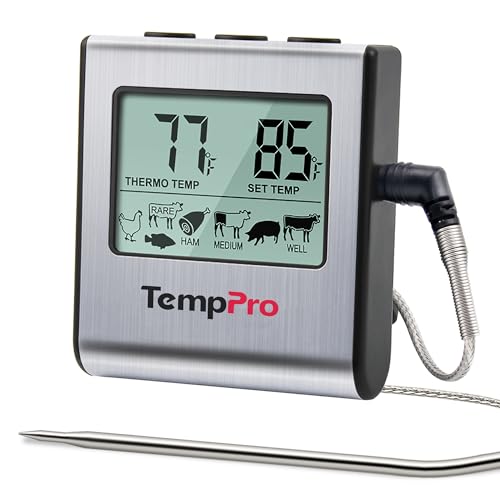
Digital Thermometer with Probe
A reliable digital thermometer ensures you can monitor the temperature accurately.
Check Price on AmazonCoconut Fiber Substrate
Coconut fiber is an excellent substrate that holds moisture and allows burrowing.
Check Price on AmazonCRC Reptile Calcium Supplement
Dusting food with a calcium supplement ensures your scorpion gets all the necessary nutrients.
Check Price on AmazonExo Terra Terrarium UVB Light
While not essential, a UVB light can help you observe your scorpion's natural behavior.
Check Price on AmazonFrequently Asked Questions
Asian forest scorpions are relatively easy to care for. They require a basic terrarium setup, consistent temperature and humidity, and a simple feeding schedule. Just make sure to provide a suitable substrate and hiding spots.
References & Sources
Related Articles

African Fat Tail Gecko Care: The Complete Guide
Master african fat tail gecko care with this complete guide covering housing, humidity, heating, diet, and the beginner mistakes that send geckos to the vet.

Bearded Dragon Shedding Frequency: What's Normal?
Learn how often bearded dragons shed by age, what signs to watch for, and how to help your beardie through a healthy shed without causing harm.

Albino Animals: What Every Reptile Owner Should Know
Albino reptiles and pets are stunning — but albinism affects more than color. Learn what it means, how it works, and how to care for albino animals properly.