Leopard Gecko Tail Rot Treatment: A Complete Guide
Leopard gecko tail rot treatment requires urgent vet care. Learn symptoms, causes, amputation options, and prevention tips to protect your gecko's health.


✓Recommended Gear
TL;DR: Leopard gecko tail rot (necrosis) starts at the tail tip and progresses toward the body — it presents as dark, dry, or blackened tissue and always requires prompt veterinary treatment, never home remedies. The most common causes are stuck shed wrapping around the tail like a tourniquet, injuries from cage mates, and poor circulation. If untreated, tail rot spreads past the tail base and becomes life-threatening; veterinary treatment typically involves surgical amputation of the affected tail portion.
⚠️ Veterinary Disclaimer: The information in this article is for educational purposes only. If your leopard gecko shows signs of tail rot, consult a licensed reptile veterinarian immediately.
Leopard gecko tail rot is one of the most serious health issues your gecko can face. It's painful, it can spread fast, and it can be fatal if you ignore it. But if you catch it early, you can act quickly and give your gecko the best chance of recovery.
This guide covers everything you need to know. You'll learn what tail rot is, how to spot it early, what causes it, and what treatment looks like. You'll also get practical prevention tips and product recommendations to keep your gecko healthy long-term.
What Is Tail Rot in Leopard Geckos?
Tail rot is a condition where tissue in the tail begins to die. It's a type of necrosis, which means the cells break down and can no longer function. The affected tissue often turns dark, dry, or black.
It usually starts at the tail tip and moves upward toward the body. If it's not treated, it can travel past the tail base and become life-threatening. Vets sometimes call this "dry gangrene" when the tissue dries out, or "wet gangrene" when it becomes infected and moist.
Tail rot is different from a voluntary tail drop. Leopard geckos can drop their tails as a defense mechanism, and the tail may regrow partially. Tail rot is a medical condition that doesn't resolve on its own and always requires treatment.
Some gecko owners mistake early tail rot for normal color variation. That's a dangerous mistake. If any part of the tail looks darker than usual, take it seriously and inspect carefully.
The bottom line: Tail rot is tissue death in your gecko's tail. It won't go away on its own and needs prompt veterinary attention.
What Causes Tail Rot?
Understanding the cause helps you treat the problem and prevent it from happening again. Several things can trigger tail rot in leopard geckos.
Poor circulation is one of the most common causes. If something cuts off blood flow to the tail, the tissue starts to die. A stuck shed (dysecdysis) is a major culprit here. When old skin doesn't fully come off, it can wrap tightly around the tail and act like a tourniquet, cutting off circulation progressively.
Injuries can also lead to tail rot. A bite from a cage mate, a crush injury, or a tail caught in enclosure decor can all damage tissue and reduce blood flow. Infected wounds that go untreated often progress to necrosis over time.
Infections from bacteria or fungi can destroy tail tissue directly. These often develop when husbandry is poor. Dirty substrate, overly high humidity, or wounds that aren't cleaned promptly can all allow pathogens to flourish.
Metabolic bone disease (MBD) is another risk factor. Geckos with MBD have weak, brittle bones and compromised immune systems. Their tails are more prone to injury and much slower to heal from any trauma.
Thermal burns from faulty heat mats or heat rocks can cause significant tissue damage that progresses to rot if not treated promptly. Always use a thermostat with any heat source.
The bottom line: The most common causes are stuck shed, injuries, infections, poor husbandry, and burns. Identifying and fixing the root cause is essential to prevent recurrence.
Main Causes of Leopard Gecko Tail Rot
What you need to know
Stuck shed wrapping around the tail acts like a tourniquet, cutting off circulation
Injuries from cage mates, crush wounds, or caught decor reduce blood flow and cause tissue damage
Bacterial or fungal infections thrive in poor husbandry conditions and destroy tail tissue
Metabolic bone disease (MBD) weakens the immune system and makes tails vulnerable to injury
Thermal burns from faulty heat mats or rocks cause progressive tissue death if untreated
Early vs. Late Stage Symptoms
Catching tail rot early makes treatment much easier and less invasive. Late-stage tail rot almost always requires amputation. Here's how to tell the difference between early and late presentation.
| Feature | Early Stage | Late Stage |
|---|---|---|
| Color | Slightly darker than normal, grey or brownish | Black, very dark, mummified |
| Texture | Dry, slightly wrinkled at the tip | Hard and leathery, or mushy if infected |
| Smell | Normal | Foul odor from bacterial infection |
| Spread | Limited to tail tip | Moving toward the body |
| Gecko behavior | Mild lethargy, slight appetite reduction | Severe lethargy, not eating, unresponsive |
| Skin shedding | May have retained shed near affected area | Little to no normal shedding activity |
| Vet urgency | Urgent — see vet within 24-48 hours | Emergency — see vet immediately today |
The earlier you act, the more of the tail can potentially be saved. Don't wait to see if it gets better on its own. It won't.
The bottom line: Black, foul-smelling, or rapidly spreading discoloration is a medical emergency. Even early signs require prompt vet care.
Tail Rot Progression: Early vs. Late Stage
Side-by-side comparison
| Feature | Early Stage | Late Stage |
|---|---|---|
| Color | ★Slightly darker than normal, grey or brownish | Black, very dark, mummified |
| Texture | ★Dry, slightly wrinkled at the tip | Hard and leathery, or mushy if infected |
| Smell | ★Normal | Foul odor from bacterial infection |
| Spread | ★Limited to tail tip | Moving toward the body |
| Gecko Behavior | ★Mild lethargy, slight appetite reduction | Severe lethargy, not eating, unresponsive |
| Vet Urgency | ★Urgent — see vet within 24-48 hours | Emergency — see vet immediately today |
Our Take: Early detection dramatically improves outcomes — prompt veterinary care is essential regardless of stage.
How to Spot Tail Rot: Key Symptoms
Beyond the comparison table, here are specific symptoms to watch for during your regular health checks. Get in the habit of examining your gecko every week.
Discoloration is the most obvious sign. A healthy leopard gecko tail is typically cream or yellow with brown banding. If any part of the tail looks grey, brown, or black, take it seriously. Don't dismiss it as dirt or shedding residue.
Constriction marks near the tail are a red flag. These look like thin rings or bands of tighter skin that indent the tail. They often indicate old shed that's wrapped around the tail and is cutting off circulation. They can be subtle, so look closely.
Changes in texture matter too. A tail that feels dry, stiff, leathery, or unusually soft in spots could be experiencing tissue breakdown. Compare the feel to a healthy part of the tail for reference.
Behavioral changes often accompany tail rot. A gecko that's suddenly less active, not eating, or hiding more than usual may be in pain or discomfort. Leopard geckos are skilled at hiding illness, so any behavior shift warrants a close physical inspection.
Unusual posture can also be a clue. Some geckos with tail pain may curl the tail away from the ground or hold it differently during movement.
The bottom line: Check your gecko's tail weekly. Look for color changes, constriction marks, and texture differences. Combine visual checks with behavioral observations.
Key Symptoms to Watch for Weekly
What you need to know
Discoloration: Any grey, brown, or black coloring on the tail requires immediate inspection
Constriction marks: Look for thin rings or bands of tighter skin that indent the tail
Texture changes: Dry, stiff, leathery, or unusually soft spots signal tissue breakdown
Behavioral changes: Reduced activity, appetite loss, or excessive hiding may indicate pain
Unusual posture: Tail held away from ground or moved differently during movement
Can Tail Rot Heal on Its Own?
No. Tail rot does not heal on its own. This is one of the most important things to understand about this condition.
Once tissue is dead, it can't recover. The best-case scenario without treatment is that the dead portion stays dry (mummified) and doesn't spread further. But this is rare and completely unpredictable. In most cases, the necrosis spreads upward and the infection threatens the gecko's life.
Home remedies like betadine soaks, antibiotic ointment, or warm water baths are sometimes discussed in online forums. These are NOT treatments for tail rot. They may help with very mild surface wounds or stuck shed as a preventive step, but they cannot reverse necrosis once it has begun.
If you're considering a home remedy, ask yourself honestly: is the tissue already dead? If yes, only a vet can help. If you're unsure whether it's tail rot, see a vet anyway. The cost of an unnecessary vet visit is far less than the cost of losing your gecko.
The bottom line: Tail rot doesn't resolve without medical intervention. Don't wait and hope. Get your gecko to a reptile vet as soon as possible.
Leopard Gecko Tail Rot Treatment Options
Treatment depends on how severe the rot is and how far it has spread. Your vet will assess the situation and recommend one or more of the following approaches based on what they find.
Conservative Treatment for Early Cases
If tail rot is caught very early and hasn't spread significantly, a vet may try conservative management first. This involves systemic antibiotics (oral or injectable) to fight infection, combined with supportive care to keep the gecko comfortable and stable.
The vet may also debride (clean) the affected area. This removes dead and dying tissue and reduces the bacterial load. In some cases, topical antimicrobial treatments are applied directly to the wound between vet visits.
Conservative treatment is only appropriate when there's still viable, living tissue present. If the circulation has been cut off and tissue is fully necrotic, amputation is typically the only option that will prevent further spread.
Tail Amputation
Amputation is the most common treatment for established tail rot. It sounds alarming, but it's a routine procedure for experienced reptile vets. Leopard geckos recover remarkably well from it.
The surgeon removes all necrotic tissue and cuts at a point where healthy, well-vascularized tissue begins. The goal is to ensure clean surgical margins so the rot doesn't continue to spread post-operatively. Note that leopard geckos don't regrow their tails after surgical amputation the way they sometimes do after a voluntary drop.
Your gecko will need anesthesia for the procedure. Recovery typically takes several weeks. Your vet will prescribe antibiotics and appropriate pain management. You'll need to keep the enclosure very clean and switch to simple substrate like paper towels until the wound fully heals.
Post-Surgery Care
After amputation, your primary job is to prevent infection and support healing. Keep the enclosure spotless. Replace substrate daily or use paper towels that you can swap out easily and frequently.
Monitor the surgical site every day for redness, excessive swelling, or discharge. These could indicate a developing infection. Follow your vet's specific instructions for wound cleaning, antibiotic administration schedule, and follow-up appointments carefully.
Your gecko may be less active and have a reduced appetite during the first week or two of recovery. Offer appropriate food regularly, but don't stress the animal if it's not eating immediately. Hydration is critical, so make sure clean, fresh water is always accessible.
The bottom line: Mild early cases may respond to antibiotics alone, but most established tail rot requires surgical amputation. Recovery is very achievable with diligent aftercare.
How Vets Diagnose Tail Rot
Your vet will start with a thorough physical examination. They'll assess the color, texture, temperature, and extent of the affected area. They'll also check carefully for constriction rings and determine how far the necrosis has spread toward the body.
X-rays are often taken to check whether bone involvement is present. If bone necrosis has occurred, the amputation point needs to be placed higher up the tail to ensure healthy margins. This is critical for a successful outcome.
A culture and sensitivity test may be run on discharge or tissue samples from the affected site. This identifies the specific bacteria causing infection and helps your vet choose the most effective antibiotic, rather than guessing with a broad-spectrum drug.
Blood work may also be recommended, especially if the gecko appears systemically unwell (very lethargic, not eating, eyes sunken). This helps assess liver and kidney function and guides the overall treatment plan.
The bottom line: Diagnosis involves physical exam, possibly X-rays, and lab tests. Your vet will build a complete clinical picture before recommending treatment.
Preventing Tail Rot
Prevention is always better than treatment. The good news is that most cases of tail rot are preventable with consistently good husbandry.
Ensure proper shedding conditions. Leopard geckos need a moist hide to shed successfully. A humid hide (a container with damp sphagnum moss) helps them remove all old skin cleanly. After every shed cycle, check that no skin remains on the tail. Pay special attention to the very tip.
Never house males together. Males are highly territorial and will bite each other, sometimes severely. Even some female pairs can fight. If you do house geckos together, watch closely for biting, tail grabbing, or stress behaviors and separate them at the first sign of aggression.
Keep the enclosure clean. Bacteria thrive in dirty conditions and exploit even minor wounds. Spot-clean the enclosure every day and do a full deep clean with a reptile-safe disinfectant regularly.
Maintain proper temperatures. Leopard geckos need a warm side (88-92°F / 31-33°C) and a cool side (70-75°F / 21-24°C). Use a reliable thermostat on all heat sources. Proper temperatures support immune function and wound healing.
Handle gently and support the body. Avoid grabbing your gecko's tail. Support the full body during handling and minimize stress. Rough handling causes injuries that can progress to rot.
If you're interested in learning about other gecko species that also need careful tail monitoring and dedicated husbandry, check out the Mourning Gecko Care: The Complete Beginner's Guide and Tokay Gecko Care Guide: Everything You Need to Know for species-specific care tips that reinforce these same principles.
The bottom line: Moist hide, clean housing, proper temperatures, gentle handling, and separate housing are the best prevention tools you have.
Husbandry Review: Is Your Setup Contributing?
If your gecko developed tail rot, it's worth doing a full audit of your setup. Even experienced keepers miss things over time. Use this as a checklist.
Substrate check: Are you using loose substrate that retains moisture and harbors bacteria? Consider tile, paper towels, or reptile carpet while treating your gecko, then reassess the long-term substrate choice with your vet's guidance.
Temperature check: Use a digital thermometer with a probe, not a stick-on dial thermometer. Stick-on thermometers are notoriously inaccurate and can mislead you about actual enclosure temps. Verify your warm side and cool side are consistently in the correct range throughout the day and night.
Humidity check: Leopard geckos generally need 30-40% ambient humidity with a moist hide always available. Too much ambient humidity encourages bacterial growth. Too little leads to shedding problems. A hygrometer helps you monitor this accurately.
UVB lighting check: UVB lighting is increasingly recommended for leopard geckos. It supports vitamin D3 synthesis, calcium absorption, and immune health. Many experienced keepers and vets are now recommending low-output UVB setups. If you're evaluating your enclosure setup holistically, also take a look at how Uromastyx Care: Complete Guide for Beginners approaches desert reptile UVB and thermal gradient setup — many principles apply directly to leopard geckos.
Decor and furniture check: Are there any sharp edges, rough surfaces, small gaps, or tight spaces where your gecko's tail could get pinched, scraped, or stuck? Simplify the enclosure during recovery and reassess each piece of decor before reintroducing it.
The bottom line: A thorough husbandry audit after any health crisis helps you identify what went wrong and prevents the same problem from recurring.
When to Go to the Vet Immediately
Some situations require emergency vet care, not a cautious wait-and-see approach. Know these warning signs so you don't hesitate when it counts.
Go to the vet immediately if:
- The dark area is spreading noticeably within hours or a single day
- The tail has a foul or unusual smell
- The gecko is severely lethargic and barely responds to touch
- The gecko hasn't eaten in more than a week alongside other symptoms
- There's obvious infection with discharge, oozing, or visible swelling
- The skin looks wet, mushy, or gangrenous rather than dry
Do not attempt to amputate at home. This is extremely dangerous and can cause fatal hemorrhage, shock, and severe secondary infection. This procedure requires proper anesthesia, surgical tools, sterile conditions, and trained hands. Always let a licensed reptile vet perform it.
The bottom line: If there's any doubt about what you're seeing, call a reptile vet today. Emergency symptoms need emergency care. There is no safe home treatment for established tail rot.
Our Top Picks
These products support your gecko's health, healing, and long-term prevention of tail rot. Always verify with your vet before using any product on a sick gecko currently under treatment.
1. Zoo Med Repti Shedding Aid
Shedding aid spray helps loosen stuck skin before it becomes a problem. Apply to the tail area during and after shedding cycles to help skin come off cleanly. Preventing stuck shed prevents the constriction that leads to tail rot.
2. Zoo Med Repti Temp Digital Thermometer
Accurate temperature monitoring is non-negotiable for reptile health. This digital thermometer with a probe gives you real readings from your warm and cool sides. Proper temperatures reduce immune stress and support the gecko's ability to fight infection.
3. Exo Terra Moist Hideout
A moist hide is one of the single best prevention tools available. This cave-style hide holds damp substrate inside, giving your gecko a dedicated humidity zone for shedding. A proper clean shed means no stuck skin and no constriction risk.
4. ReptiSafe Water Conditioner
Safe, dechlorinated water matters for drinking and any vet-approved soaks. ReptiSafe neutralizes chlorine and chloramines and adds beneficial electrolytes. It's a simple, low-cost addition to good husbandry.
[Check price on Amazon](https://www.amazon.com/dp/B00TNPHD58?tag=krawlo-20
5. Arcadia ShadeDweller UVB Lamp
This low-output UVB lamp is designed specifically for shade-dwelling species like leopard geckos. It supports vitamin D3 synthesis and stronger immune function. A healthier immune system means better ability to fight infection and recover from illness before it becomes serious.
Take Action Now
If you think your leopard gecko has tail rot, don't wait. Contact a reptile vet today. The earlier you get a professional involved, the better your gecko's chances of a full recovery.
While you wait for your appointment, keep the enclosure clean, offer fresh water, and minimize handling and stress. Don't apply any ointments, disinfectants, or soaks unless your vet specifically instructs you to. Doing so without guidance can sometimes worsen the condition.
After your gecko recovers, do a thorough husbandry audit. Fix any gaps that may have contributed to the condition. Upgrade your monitoring tools if needed. And commit to weekly health checks going forward.
Your gecko can't tell you when something's wrong. You are its early warning system. You've got this.
Recommended Gear
Zoo Med Repti Shedding Aid
Helps loosen retained shed from the tail, preventing constriction that cuts off circulation and leads to tail rot
Check Price on AmazonZoo Med Repti Temp Digital Thermometer
Accurate probe thermometer ensures enclosure temps support immune health and healing recovery
Check Price on AmazonExo Terra Moist Hideout
Provides a humid microclimate that helps geckos shed cleanly every time, the best defense against stuck shed and tail rot
Check Price on Amazon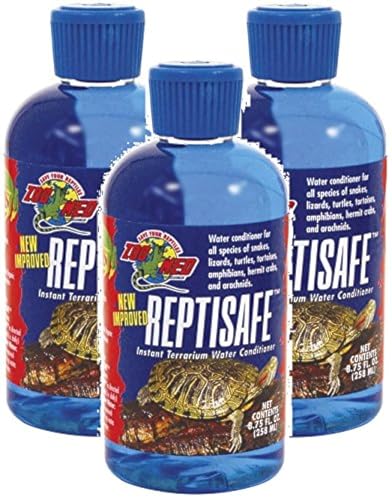
ReptiSafe Water Conditioner
Dechlorinates water and adds electrolytes for safe drinking and vet-approved recovery soaks
Check Price on AmazonArcadia ShadeDweller UVB Lamp
Low-output UVB designed for leopard geckos supports vitamin D3 synthesis and a stronger immune response against infection
Check Price on AmazonFrequently Asked Questions
No. Tail rot does not heal on its own. Once tissue is dead, it cannot recover. Without veterinary treatment, the necrosis typically spreads further up the tail and can become life-threatening. Always consult a reptile vet promptly.
References & Sources
Related Articles

Ball Python Scale Rot Guide: Causes, Symptoms, Treatment & Prevention
Learn how to identify, treat, and prevent ball python scale rot with our complete guide. Causes, symptoms, home treatment steps, and when to see a vet.

Corn Snake Regurgitation Causes: Why It Happens and How to Stop It
Corn snake regurgitation is a serious warning sign. Discover the 7 most common causes, how to stop it happening again, and when to see a vet.

Can Reptiles Eat Bananas? Benefits, Risks & Feeding Guide
Wondering if your reptile can eat bananas? Find out which species can safely enjoy this sweet treat, how often to offer it, and what risks to avoid.