Ball Python Scale Rot Guide: Causes, Symptoms, Treatment & Prevention
Learn how to identify, treat, and prevent ball python scale rot with our complete guide. Causes, symptoms, home treatment steps, and when to see a vet.


✓Recommended Gear
TL;DR: Scale rot in ball pythons is a bacterial or fungal skin infection caused by chronic moisture — wet substrate, poor ventilation, or sustained humidity above 80%. Treat mild cases (1–2 pink or discolored scales, no blisters) by fixing husbandry and applying diluted chlorhexidine. See a reptile vet immediately if there is any swelling, open wounds, foul odor, or more than a few affected scales.
Scale rot is one of the most common health crises ball python owners face — and one of the most preventable. Whether you've just noticed a discolored patch on your snake's belly or you want to make sure you never have to, this guide covers everything: what scale rot actually is, why it happens, how to catch it early, and what to do about it.
⚠️ Veterinary Disclaimer: The information in this article is for educational purposes only. If your ball python shows signs of scale rot, consult a licensed reptile veterinarian immediately.
What Is Scale Rot in Ball Pythons?
Scale rot — medically known as necrotic dermatitis — is a bacterial or fungal infection that attacks the skin and scales of a ball python. The name is blunt: affected tissue literally begins to decay. It most often appears on the ventral (belly) scales because the underside of the snake is in constant contact with the substrate, and that's where moisture and bacteria accumulate.
Despite its dramatic name, early-stage scale rot is treatable at home if caught quickly. Advanced cases require veterinary intervention and can be life-threatening. The difference between those two outcomes usually comes down to how fast you notice it.
Scale rot doesn't appear overnight. It's a gradual process that starts with mild skin irritation, then progresses through stages of discoloration, blister formation, and eventually open wounds if left untreated. Understanding those stages is the first step to stopping it.
The bottom line: Scale rot is a bacterial or fungal skin infection that targets a ball python's belly scales. Caught early, it's manageable. Caught late, it can be fatal.
Symptoms of Scale Rot: What to Look For
Knowing the warning signs can be the difference between a $20 fix and a $200 vet bill — or worse. Here's how scale rot progresses:
Early-stage signs:
- Slight discoloration on belly scales — pinkish, reddish, or brownish patches
- Scales that look wet or slightly raised
- Small fluid-filled blisters under or between scales
- Unusual lethargy or reluctance to move
Mid-stage signs:
- Scales turning dark red, purple, or black
- Blisters rupturing and leaving raw, moist skin
- A foul smell coming from the affected area
- The snake rubbing itself against enclosure walls
Late-stage signs:
- Deep, open necrotic wounds
- Rapid spread of discoloration across the belly
- Systemic symptoms like loss of appetite, labored breathing, or unusual posturing
- Septicemia (blood infection) — a true veterinary emergency
Run a weekly hands-on check of your ball python's belly. Turn the snake over gently and look for any off-color patches. The sooner you spot something, the better.
The bottom line: Scale rot starts subtle — pink or red patches and wet-looking scales — and escalates to dark, necrotic tissue if ignored. Weekly belly checks are your best early detection tool.
Scale Rot Progression
Early Stage
Pink/red patches, wet scales, blisters, lethargy
Mid Stage
Dark red/purple/black, ruptured blisters, foul odor, rubbing behavior
Late Stage
Deep necrotic wounds, rapid spread, loss of appetite, labored breathing
Checklist
Weekly hands-on belly checks are your best early detection tool
What Causes Scale Rot in Ball Pythons?
Scale rot doesn't just happen randomly. It's almost always triggered by one or more husbandry failures. The most common culprits:
1. Excessive Humidity
Ball pythons need humidity in the 60–80% range, with a damp hide pushing higher. But chronic over-humidity — substrate that's always wet, a water bowl that's too large, or inadequate ventilation — creates a breeding ground for bacteria and fungi. Wet belly scales in constant contact with a damp substrate is a perfect recipe for necrotic dermatitis.
For a full breakdown of ideal humidity levels, see our Ball Python Humidity Guide.
2. Wet or Dirty Substrate
If your snake is sitting in soiled substrate — feces, urine, or old water spills — the bacteria multiply fast. This is especially dangerous because ball pythons spend long hours coiled in the same spot.
3. Thermal Burns
Heat mats or heat tape without a proper thermostat can overheat the enclosure floor. A burned belly scale breaks down the skin barrier, allowing bacteria to enter. Always use a thermostat with any heat source. A digital proportional thermostat like the [Herpstat 1](https://www.amazon.com/dp/B01I15S6OM?tag=krawlo-20 is worth every penny.
4. Abrasions and Wounds
Any break in the skin — from rough décor, live feeder prey, or an escape attempt — can become infected. Ball pythons that are repeatedly housed with rough or sharp objects are at higher risk.
5. Immune Compromise
A snake that's malnourished, stressed, or dealing with another illness is less able to fight off opportunistic bacteria. Inadequate temperatures also suppress immune function — cold snakes can't mount proper immune responses.
The bottom line: Scale rot is almost always a husbandry problem. Wet substrate, excessive humidity, burns, wounds, and immune stress are the top causes — all of which are preventable.
Top 5 Causes of Scale Rot
What you need to know
Excessive humidity (>80%) creates bacterial breeding grounds
Wet or dirty substrate — feces, urine, old water spills multiply bacteria fast
Thermal burns from heat mats/tape without proper thermostat break skin barrier
Abrasions and wounds from rough décor or feeder prey can become infected
Immune compromise from malnutrition, stress, or inadequate temperatures
How to Treat Scale Rot at Home (Early Stages Only)
Important: Home treatment is only appropriate for very early-stage scale rot — a few mildly discolored scales with no open wounds, no foul smell, and a snake that is otherwise alert and active. If there is any doubt, call a reptile vet.
Step 1: Isolate and Clean the Enclosure
Remove your ball python to a temporary hospital tub. Strip the main enclosure completely, discard all substrate, and disinfect every surface with a reptile-safe cleaner like [F10SC Veterinary Disinfectant](https://www.amazon.com/dp/B01LY3JI7T?tag=krawlo-20 Rinse thoroughly and allow to dry completely before reassembling.
Step 2: Set Up a Hospital Tub
Use a clean plastic tub with paper towel substrate (easy to monitor and replace). Maintain temperatures: warm side 88–90°F (31–32°C), cool side 76–80°F (24–27°C). Keep humidity moderate — not high. A single water dish is enough. No hides initially so you can monitor the snake constantly.
Step 3: Topical Treatment
Gently clean the affected scales with a dilute chlorhexidine solution (0.05% — dilute 2% chlorhexidine significantly with water). Use a clean cotton swab to apply. Never use undiluted betadine or hydrogen peroxide — both can damage tissue.
After cleaning, apply a thin layer of veterinary-grade antibiotic ointment that contains no steroids and no pain-relief compounds like lidocaine or benzocaine (toxic to reptiles). Neosporin Original (triple antibiotic, no pain relief) is commonly used by experienced keepers — but consult your vet before using anything.
Step 4: Monitor Daily
Check the affected area every single day. If the discoloration spreads, blisters appear, a smell develops, or the snake stops eating — stop home treatment and get to a vet immediately.
When to Stop and See a Vet
- Any open wounds or necrotic (black/dead) tissue
- Foul odor from the affected area
- Spreading infection
- Snake is lethargic, not eating, or showing systemic symptoms
- You are not 100% confident in your assessment
The bottom line: Home treatment works only for very early, mild cases — a few pink scales with no wounds or smell. When in doubt, go to the vet. The cost of a vet visit is far less than treating septicemia.
Home Treatment Protocol (Early Stages Only)
Isolate and Clean the Enclosure
Move snake to temporary hospital tub. Strip main enclosure, discard substrate, disinfect all surfaces with reptile-safe cleaner (F10SC), rinse, and dry completely.
Set Up a Hospital Tub
Use clean plastic tub with paper towel substrate. Maintain warm side 88–90°F, cool side 76–80°F. Keep humidity moderate with single water dish. No hides initially for constant monitoring.
Apply Topical Treatment
Clean affected scales with dilute chlorhexidine solution (0.05%). Apply thin layer of veterinary-grade antibiotic ointment with no steroids or pain relief compounds.
Monitor Daily
Check affected area every day. If discoloration spreads, blisters appear, foul smell develops, or snake stops eating — contact a reptile vet immediately.
Veterinary Treatment for Scale Rot
A reptile vet will assess the severity of the infection and may recommend:
Debridement: Removal of dead tissue. This can be done under local anesthesia and is necessary for advanced cases to prevent the infection from spreading.
Systemic antibiotics: Oral or injectable antibiotics (like enrofloxacin or amikacin) are prescribed for infections that have spread beyond the surface. These must be prescribed by a vet — never source reptile antibiotics without a prescription.
Antifungal treatment: If a fungal component is identified through culture testing, antifungal medications will be added to the treatment protocol.
Wound care and bandaging: In severe cases, the vet may bandage the affected area and schedule follow-up visits to monitor healing.
Husbandry review: Any good reptile vet will also review your enclosure setup to identify the root cause. Be prepared to discuss your substrate, humidity levels, temperatures, and feeding schedule honestly.
Vet costs for scale rot can range from $50 for a consultation to several hundred dollars for debridement and systemic antibiotic courses. Pet insurance for reptiles (yes, it exists) is worth considering if you're keeping multiple snakes.
The bottom line: Moderate to severe scale rot always requires a veterinarian. Debridement, systemic antibiotics, and professional wound care are not something you can DIY safely.
How to Prevent Scale Rot
Prevention is dramatically easier than treatment. These husbandry fundamentals will protect your ball python from ever developing scale rot:
Maintain Correct Humidity — Not Too Wet
Target 60–80% ambient humidity for ball pythons. Use a digital hygrometer — an analog one is not accurate enough. The Govee Bluetooth Hygrometer logs data over time and alerts you to spikes. A damp hide (one hide with moist sphagnum moss) satisfies shedding needs without flooding the whole enclosure.
Use the Right Substrate
Loose, absorbent substrates like coconut fiber, cypress mulch, or a bioactive mix manage moisture well. Avoid substrates that hold too much water or compact tightly. Replace substrate fully at regular intervals — monthly at minimum — and spot-clean daily.
Use a Thermostat on Every Heat Source
A heat mat or heat cable without a thermostat is a burn risk. A proportional thermostat like the [Inkbird ITC-308](https://www.amazon.com/dp/B01HXM5UAC?tag=krawlo-20 keeps belly heat precise and safe. Aim for a belly-level floor temp of 88–90°F on the warm side.
Keep the Enclosure Clean
Remove feces and urine immediately. A ball python sitting in its own waste is a scale rot case waiting to happen. Spot-clean daily; deep-clean monthly.
Feed Appropriately
Always feed pre-killed or frozen-thawed prey. Live rodents can and do bite snakes, causing wounds that become infected. No live feeding is a simple, effective prevention rule. For more on keeping your snake in top health, see What Do Ball Pythons Eat?.
Reduce Stress
A stressed ball python has a weakened immune system. Provide adequate hides (at least two — one warm side, one cool side), minimize unnecessary handling, avoid housing with other snakes, and keep the enclosure in a quiet, low-traffic area.
The bottom line: Clean enclosure + correct humidity + thermostated heat + no live feeders = a ball python that will likely never develop scale rot. Prevention costs almost nothing; treatment costs a lot.
Recommended Products for Scale Rot Prevention and Treatment
These are the tools experienced keepers rely on:
- Thermostat: Herpstat 1 or Inkbird ITC-308 — non-negotiable for any heat source
- Hygrometer: Govee Bluetooth Hygrometer — data logging keeps you informed
- Substrate: Coconut fiber or cypress mulch — moisture-managing and easy to replace
- Disinfectant: [F10SC Veterinary Disinfectant](https://www.amazon.com/dp/B00GMLNLIE?tag=krawlo-20 — vet-grade enclosure sanitizer
- Chlorhexidine solution: Hibiclens or veterinary chlorhexidine — must be diluted before use
- Antibiotic ointment: Neosporin Original (no pain relief) — topical use only, vet-approved application
The bottom line: Investing in a good thermostat and hygrometer now is orders of magnitude cheaper than treating scale rot later.
Scale Rot vs. Normal Discoloration: How to Tell the Difference
Not every discolored scale is scale rot. Ball pythons can show temporary redness or bruising after a meal, before a shed, or from brief pressure on a surface. Here's how to distinguish:
| Sign | Scale Rot | Normal / Benign |
|---|---|---|
| Discoloration | Persistent, spreading | Temporary, fades within 24–48 hours |
| Texture | Wet, raised, or blistered | Smooth, normal |
| Smell | Foul odor | No unusual odor |
| Scale condition | Lifting, soft, or peeling | Intact and firm |
| Location | Belly, especially warm-side | Can appear anywhere post-shed |
| Response to touch | Snake may flinch or withdraw | Normal handling response |
When in doubt, photograph the area, monitor for 24 hours, and contact a reptile vet if anything worsens.
The bottom line: Normal post-shed blush or pressure marks fade quickly. Scale rot is persistent, spreading, and accompanied by texture changes or smell. If you're not sure, assume the worst and call a vet.
Recommended Gear
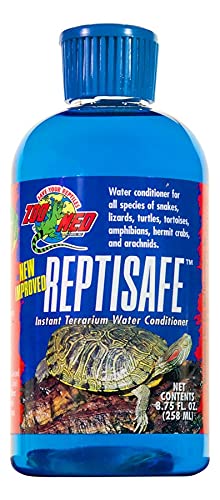
ReptiSafe Water Conditioner
Helps maintain clean water to prevent bacterial scale rot
Check Price on Amazon
Thermostat for Reptile Enclosures
Prevents the humidity/temp fluctuations that cause scale rot
Check Price on Amazon
Zoo Med Repti Cage Cleaner
Antifungal cleaner kills bacteria that cause scale rot
Check Price on AmazonFrequently Asked Questions
Yes. Advanced scale rot can progress to septicemia — a systemic blood infection — which is life-threatening. Early-stage scale rot is treatable, but late-stage infections require urgent veterinary care. Never wait to see if it 'clears up on its own.'
References & Sources
- Mader DR. Reptile Medicine and Surgery. 2nd ed. Saunders Elsevier, 2006. Chapter on dermatology and skin disorders in snakes.
- Stahl SJ, Donoghue S. 'Feeding reptiles.' In: Hand MS, Thatcher CD, Remillard RL, et al., eds. Small Animal Clinical Nutrition. 5th ed. Mark Morris Institute, 2010.
- Hedley J. 'Common skin conditions in reptiles.' In Practice. 2016;38(4):175–186. doi:10.1136/inp.i1479
- Johnson JD. 'Dermatological conditions in snakes.' Veterinary Clinics of North America: Exotic Animal Practice. 2011;14(3):531–546.
- Ball Python (Python regius) Care Sheet. Association of Reptilian and Amphibian Veterinarians (ARAV). arav.org.
Related Articles

Leopard Gecko Tail Rot Treatment: A Complete Guide
Leopard gecko tail rot treatment requires urgent vet care. Learn symptoms, causes, amputation options, and prevention tips to protect your gecko's health.

Corn Snake Regurgitation Causes: Why It Happens and How to Stop It
Corn snake regurgitation is a serious warning sign. Discover the 7 most common causes, how to stop it happening again, and when to see a vet.

Can Reptiles Eat Bananas? Benefits, Risks & Feeding Guide
Wondering if your reptile can eat bananas? Find out which species can safely enjoy this sweet treat, how often to offer it, and what risks to avoid.