Emerald Tree Boa Care: Expert Keeper's Guide
Emerald tree boa care guide -- specialized perching, high humidity, temperature, feeding for this stunning but advanced arboreal snake from South America.


✓Recommended Gear
TL;DR: Emerald tree boas (Corallus caninus) are advanced display snakes — defensive, prone to striking, and not suitable for regular handling — requiring a 24"×24"×48" tall enclosure with multiple horizontal round perches since they spend virtually all time off the ground. They need 80–100% humidity maintained by misting 1–2 times daily, ambient temperatures of 80–88°F, and are difficult feeders that eat every 7–14 days with prey warmed to body temperature. Despite being often confused with the green tree python from Australia/New Guinea, they are a separate species from South America — a classic case of convergent evolution.
The emerald tree boa (Corallus caninus) is one of the most visually spectacular snakes in the world -- a vivid, almost electric green with irregular white or yellow "lightning bolt" markings, always draped in a characteristic looped posture over a horizontal perch. They look almost identical to the green tree python (Morelia viridis) from Australia/New Guinea, a remarkable example of convergent evolution.
Make no mistake: emerald tree boas are advanced keeper snakes. They have specific husbandry demands, can be defensive and strong-striking, and do not tolerate handling well. They are display animals for experienced keepers who appreciate their beauty and behavior over hands-on interaction.
Quick Facts: Emerald Tree Boa
| Feature | Detail |
|---|---|
| Scientific name | Corallus caninus |
| Adult size | 5-7 feet (females); 4-6 feet (males) |
| Lifespan | 15-20+ years in captivity |
| Activity | Nocturnal |
| Temperament | Defensive; prone to striking; not handleable |
| Beginner-friendly? | No -- experienced keepers only |
Quick Facts: Emerald Tree Boa
Scientific name
Corallus caninus
Adult size
4–7 feet
Females 5–7 ft; males 4–6 ft
Lifespan
15–20+ years in captivity
Activity level
Nocturnal
Temperament
Defensive; strong strikers; not handleable
Beginner-friendly
No — experienced keepers only
Enclosure: Arboreal Focus
Emerald tree boas are arboreal and spend virtually all their time on perches -- they rarely descend to the enclosure floor. The enclosure must be designed around perching:
- Adult: 24" x 24" x 48" tall minimum; larger is better
- Perches must be horizontal and round -- provide multiple at different heights
- Cork bark perches or smooth-sanded wooden dowels (1-2 inch diameter) work well
- Front-opening enclosure strongly preferred
The classic ETB posture -- loops draped over a horizontal perch, head resting in center -- is only possible with properly positioned perches.
Enclosure Setup Essentials
Everything you need to get started
Temperature
ETBs come from Amazonian rainforests:
- Ambient: 80-88 degrees F daytime
- Perch level (basking zone): 85-88 degrees F
- Night: 72-78 degrees F
A [low-wattage overhead ceramic heat emitter](https://www.amazon.com/dp/B096JWWQMC?tag=krawlo-20 provides ambient warmth without disrupting the nocturnal photoperiod. Heat mats are not appropriate for arboreal species.
Temperature Requirements
What you need to know
Daytime ambient: 80–88°F
Basking zone (perch level): 85–88°F
Night: 72–78°F drop to mimic natural cycle
Use ceramic heat emitter — avoid heat mats for arboreal species
Humidity
Emerald tree boas require 80-90% relative humidity -- high tropical humidity:
- Use an automatic misting system timed for morning and evening sessions
- Monitor with a digital hygrometer
- Live plants (pothos, philodendron) in the enclosure help stabilize humidity
- Allow some drying between misting cycles -- stagnant moisture promotes bacteria
Humidity & Moisture Management
What you need to know
Maintain 80–90% relative humidity (tropical rainforest conditions)
Mist 1–2 times daily with automatic misting system
Include live plants to stabilize humidity naturally
Allow partial drying between cycles to prevent bacterial growth
Feeding
ETBs are ambush predators that eat appropriately sized rodents:
- Frozen/thawed mice or rats are the standard -- thaw completely and warm to body temperature before offering
- Offer prey on [feeding tongs](https://www.amazon.com/dp/B0F1JS95WQ?tag=krawlo-20 near perch level -- suspend it to simulate prey movement
- Frequency: Adults every 7-14 days; juveniles every 7 days
ETBs can be challenging feeders -- some individuals refuse for extended periods. Patience and prey warming are key.
Handling
Do not acquire an emerald tree boa expecting to handle it regularly. They are powerful, fast strikers with long recurved teeth that cause serious lacerations. Reserve handling for necessary veterinary or health purposes only.
See our reptile handling guide for guidance on minimal-stress restraint techniques.
Common Health Issues
- Respiratory infection: From temperatures that are too low or humidity that is stagnant
- Scale rot: From perches being constantly wet without drying
- Feeding refusal: Normal for extended periods; temperature and prey warming are the primary troubleshooting tools
- Mites: Check regularly around eyes and under scales
Review common reptile keeper mistakes that apply to advanced constrictors.
Recommended Gear
Cork Bark Tube Reptile Perch
Horizontal perches are the centerpiece of ETB housing
Check Price on AmazonAutomatic Reptile Misting System
Maintains 80-90% humidity -- essential for this rainforest species
Check Price on Amazon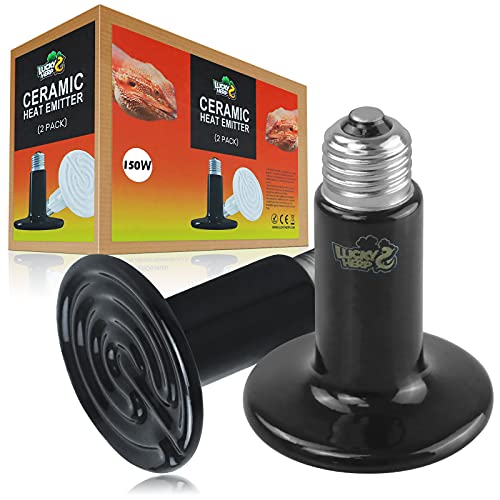
Ceramic Heat Emitter
Provides ambient warmth without disruptive light for nocturnal snakes
Check Price on Amazon
Reptile Feeding Tongs
Offer prey at perch height to trigger ambush feeding response
Check Price on AmazonFrequently Asked Questions
No -- they are advanced display animals with specific husbandry needs and do not tolerate handling. Experienced keepers only.
References & Sources
Related Articles

Boa Constrictor Care Guide: Subspecies, Setup & Temperament by Locality
Not all boas are the same. Discover the real differences between Boa imperator and Boa constrictor constrictor — from enclosure sizing and humidity requirements to locality-based temperament variation and bioactive setup options.

Rosy Boa Care Guide: Complete Setup & Husbandry Tips
Master rosy boa care with our comprehensive guide covering enclosure setup, heating, feeding, handling, and health tips for keeping these docile desert snakes.

Sand Boa Care: Complete Guide (All Species)
Sand boa care guide covering Kenyan sand boas and related Eryx species -- substrate depth, heating, feeding, and husbandry essentials.