Bearded Dragon for Sale Guide: How to Buy Healthy Dragons
Complete bearded dragon for sale guide: where to buy, how to identify healthy dragons, avoid scams, choose reputable breeders, and prepare for your new pet.


✓Recommended Gear
TL;DR: Avoid buying bearded dragons from big-box pet stores, which source from mass breeders where Salmonella, parasites, and metabolic bone disease are common — reputable breeders charge $60–$400+ but provide health guarantees, genetic documentation, and healthier animals. Juveniles aged 3–8 months are the best choice for most first-time owners, as hatchlings under 3 months require 3–4 feedings daily and are prone to health issues. Healthy dragons should have bright clear eyes, a full tail base, straight limbs, and responsive behavior.
Buying your first bearded dragon is an exciting milestone, but it's also one of the most critical decisions you'll make as a reptile keeper. The source you choose, the individual dragon's health, and your preparation level all directly impact your pet's quality of life and longevity. This bearded dragon for sale guide will walk you through every step of finding, evaluating, and purchasing a healthy bearded dragon while avoiding common pitfalls that catch new owners off guard.
Bearded dragons have become one of the most popular pet reptiles in the world, which means the market is flooded with both reputable sources and problematic sellers. Understanding the difference can mean the distinction between a thriving 10-15 year companion and heartbreaking health issues within weeks of purchase.
Where NOT to Buy a Bearded Dragon
Before we discuss where you should buy a bearded dragon, let's address the locations you should avoid. These sources consistently produce sick, stressed, or improperly cared for animals that lead to expensive vet bills and emotional distress.
Big Box Pet Stores
While convenient, large chain pet stores are generally the worst place to purchase a bearded dragon. These stores receive dragons from mass breeding facilities where profit margins matter more than animal welfare. Staff members typically have minimal reptile training and cannot provide accurate care information.
Common issues with chain store bearded dragons include:
- Parasites and illness: Overcrowded conditions and stress create breeding grounds for parasites and infectious diseases
- Poor genetics: No attention to bloodline health or genetic diversity
- Malnutrition: Improper diet during critical growth phases leads to metabolic bone disease
- Age uncertainty: Staff often cannot tell you the dragon's actual age
- Housing problems: Multiple dragons housed together leads to stress, injury, and dominant individuals preventing others from accessing food
The lighting and temperature in these enclosures is frequently inadequate, and substrate choices often include dangerous loose particles that cause impaction. One of the most common lizard owner mistakes is trusting the setup you see in pet stores as an example of proper care.
Classified Ads and Unvetted Online Sellers
While some private sellers on platforms like Craigslist or Facebook Marketplace may be responsible owners rehoming their pet, many are backyard breeders with no knowledge of proper husbandry or genetics. These sellers cannot provide health guarantees, lineage information, or ongoing support.
Red flags include:
- Inability or unwillingness to show you the breeding setup
- No knowledge of the parents' genetics or health history
- Pressure to buy immediately
- Meeting in parking lots rather than at their home
- Prices that seem too good to be true
- Multiple species available (suggests flipping animals for profit)
Reptile Mills and Wholesale Suppliers
Some online retailers operate essentially as reptile mills, breeding hundreds of dragons in warehouse conditions. These operations prioritize volume over animal welfare and genetic health. The dragons may technically be "healthy" when shipped but often develop problems later due to poor genetics and early life stress.
Red Flags to Avoid
What you need to know
No health guarantees or parasite documentation provided
Cannot show breeding setup or provide genetic/health history
Pressure to buy immediately or meeting in parking lots instead of home
Multiple species available (indicates animal flipping for profit)
Overcrowded warehouse conditions or housing multiple dragons in tiny containers
Where to Buy a Healthy Bearded Dragon
Now that you know where to avoid, let's explore the best sources for finding a healthy, well-socialized bearded dragon.
Reputable Breeders
Specialized bearded dragon breeders represent your best option for a healthy animal. These breeders focus on specific morphs, track genetics across generations, and prioritize animal health over profit.
Characteristics of excellent breeders:
- Transparency: They openly share photos of their breeding facility, parent animals, and husbandry practices
- Knowledge: They can discuss genetics, provide detailed care instructions, and answer specific questions about bearded dragon behavior and health
- Health guarantees: Reputable breeders offer health guarantees (typically 7-30 days) and will replace or refund sick animals
- Selective breeding: They breed for health and temperament, not just color morphs
- References: They can provide references from previous customers or are active in reptile communities
- Limited availability: Good breeders don't always have animals available because they breed responsibly
Quality breeders typically charge more than pet stores, with prices ranging from $60-$400+ depending on morph and age. However, this initial investment pays dividends in veterinary savings and years of companionship.
When evaluating breeders, ask about:
- The parents' genetics and any known health issues in the bloodline
- What the baby has been eating and how often
- Whether the dragon has been checked for parasites
- Exact hatch date
- What temperature and lighting setup they recommend
- Their return or exchange policy
Reptile Expos and Shows
Reptile expos offer the unique advantage of seeing many breeders and their animals in one location. You can compare quality, ask questions, and handle dragons before purchasing. Many specialty breeders only sell at expos rather than maintaining online stores.
Benefits of buying at reptile expos:
- Direct interaction with breeders
- Ability to see and handle the dragon before purchase
- Competitive pricing
- Access to specialty morphs
- One-stop shopping for equipment and supplies
However, not all expo vendors are equal. Apply the same scrutiny you would to any breeder. Avoid vendors who:
- Have visibly sick or stressed animals
- Cannot answer basic care questions
- House multiple dragons in tiny containers with no proper heating or lighting
- Pressure you to buy
Reputable expo vendors will still offer health guarantees and contact information for follow-up questions.
Reptile Rescues and Adoption
Adopting a bearded dragon from a rescue organization is an overlooked option that can be incredibly rewarding. Many healthy, well-socialized dragons end up in rescues when owners can no longer care for them due to life changes, not because of behavioral or health problems.
According to ReptiFiles, adoption offers several advantages:
- Lower cost (often just an adoption fee covering recent veterinary care)
- Adult dragons with established personalities
- Support from rescue staff familiar with the individual animal
- Contributing to animal welfare rather than breeding industry
Reputable rescues perform health checks, treat any medical issues before adoption, and provide detailed care histories when available. They'll also ensure you're prepared with proper housing before approving the adoption.
Reputable Online Breeders
Some specialized breeders operate primarily online, shipping dragons directly to customers. While this eliminates the ability to see the dragon in person before purchase, established online breeders with strong reputations can be excellent sources.
When buying online:
- Research the breeder thoroughly through reviews and community forums
- Verify their health guarantee covers shipping stress and arrival condition
- Understand the shipping process and weather restrictions
- Ensure they use appropriate reptile shipping containers with heat or cold packs as needed
- Plan to be home when the dragon arrives
- Have a qualified reptile veterinarian inspect the dragon within the guarantee period
Never purchase a bearded dragon online from a seller who cannot provide references, detailed photos, or a clear health guarantee.
Best Sources: Breeders vs Rescues
Side-by-side comparison
| Feature | Reputable Breeders | Reptile Rescues |
|---|---|---|
| Initial Cost | $60–$400+ depending on morph | ★Lower adoption fee (covers vet care) |
| Age & Personality | Juveniles 3–8 months (best for first-time owners) | Adult dragons with established personalities |
| Health Guarantees | 7–30 day health guarantee + replacement policy | Health checks before adoption |
| Genetic Documentation | ★Full lineage, morph, and genetic health info | Limited breeding history available |
| Post-Purchase Support | Care instructions and breeder references | Rescue staff familiar with individual animal |
Our Take: Choose breeders for genetic certainty and juvenile animals; choose rescues for cost savings and adoption of well-socialized adults.
How to Identify a Healthy Bearded Dragon
Whether you're buying from a breeder, expo, or rescue, knowing how to evaluate a dragon's health is crucial. Don't rely solely on the seller's assurances—learn to spot red flags yourself.
Physical Health Indicators
Eyes: Should be bright, clear, and alert. Avoid dragons with:
- Sunken eyes (dehydration)
- Discharge or crusty material
- Eyes that don't open fully
- Cloudiness
Body Condition: The dragon should have a full, rounded tail base and a body that's proportional—not emaciated or obese. The tail should be at least as thick as the body at the base. A thin tail base indicates malnutrition or illness.
Skin: Should be vibrant with no stuck shed, especially around the toes, tail tip, or eyes. Multiple layers of stuck shed can cut off circulation to extremities. Minor shedding in progress is normal, but the dragon should be able to remove shed within a day or two in proper humidity.
Limbs: All four legs should be straight and strong. Bowed or bent limbs indicate metabolic bone disease (MBD), a serious calcium deficiency that may be reversible if caught early but indicates poor prior care.
Mouth: Should close fully with no gaping or drooling. Check for:
- Dark gums (should be pink)
- Mouth rot (yellowish plaques or swelling)
- Respiratory sounds (wheezing, clicking, or bubbling)
Vent: Should be clean with no swelling or signs of impaction. The area around the vent should be free of feces or debris.
Behavioral Health Indicators
A healthy bearded dragon should be:
- Alert: Responsive to movement and shows interest in surroundings
- Active: Moves purposefully, though baby bearded dragons are more energetic than adults
- Responsive: May be initially defensive but should calm with gentle reptile handling
- Good appetite: Ask when the dragon last ate and watch it feed if possible
Avoid dragons that are:
- Lethargic or unresponsive
- Breathing with their mouth open (unless under a basking light, which can be normal)
- Twitching or showing tremors (potential MBD or neurological issues)
- Aggressive beyond normal defensive behavior
- Consistently dark in coloration (stress indicator)
Age Considerations
Bearded dragons are available at various ages, each with pros and cons:
Babies (0-3 months):
- Pros: Lower initial cost, bond from early age, watch them grow
- Cons: More fragile, require more frequent feeding, higher mortality risk, personality not yet developed
Juveniles (3-12 months):
- Pros: Past the most fragile stage, eating less frequently than babies, still adaptable
- Cons: Still growing rapidly, need careful nutrition monitoring
Adults (12+ months):
- Pros: Established personality, easier care routine, more resilient, often available through rescues
- Cons: May have learned behaviors from previous owners, less adaptable to new situations
For first-time owners, juveniles (3-8 months) often represent the sweet spot of durability and adaptability.
Questions to Ask Before Purchasing
Come prepared with specific questions that reveal the seller's knowledge and the dragon's history:
-
What is the exact hatch date? Vague answers like "a few months old" suggest poor record-keeping.
-
What has the dragon been eating and how often? This tells you their current diet and feeding schedule.
-
What are you currently using for lighting and heating? Quality breeders provide specific product names and specifications.
-
Has the dragon been checked for parasites? Many reptiles carry some parasite load, but responsible breeders monitor and treat as needed.
-
What is your health guarantee policy? Get this in writing.
-
Can you provide references from previous buyers? Established breeders should have happy customers willing to share experiences.
-
What morph/genetics is this dragon? While morphs don't affect care requirements, the answer reveals the breeder's knowledge level.
-
Have you noticed any health issues or concerns? Honest breeders will disclose minor issues.
-
Why are you selling/rehoming? For rescues or private sellers, understanding the reason helps you anticipate potential behavioral issues.
-
What ongoing support do you provide? Good breeders remain available for questions.
Preparing Before You Buy
One critical mistake new owners make is buying the dragon before preparing the habitat. Your enclosure should be fully set up and running at proper temperatures for at least 3-5 days before bringing a bearded dragon home.
Essential Equipment Checklist
Based on ReptiFiles' shopping list recommendations, you'll need:
Enclosure: Minimum 75 gallons for adults (120 gallons preferred), 40 gallons for juveniles. A 120-gallon reptile terrarium provides ideal space for an adult bearded dragon. According to terrarium size guidelines, bigger is always better.
Heating:
- Basking bulb (75-100 watts depending on enclosure size)
- Ceramic heat emitter or nighttime heat source if room temperature drops below 65°F
- Digital thermometer with probes for accurate monitoring
Lighting:
- High-quality UVB lighting (T5 HO 10.0 or 12% for desert species)
- UVB bulbs need replacing every 6-12 months even if still producing visible light
Substrate: Tile, paper towels, or reptile carpet for juveniles. Adults can use reptile excavator clay or similar solid substrates.
Décor:
- Basking platform (reptile hammock or branch)
- Hide on cool side
- Background decorations for climbing and visual security
Food and Supplements:
- Live insects ([dubia roaches](https://www.amazon.com/dp/B008PL5N8U?tag=krawlo-20 or crickets)
- Fresh vegetables
- [Calcium powder without D3](https://www.amazon.com/dp/B001OROQ8U?tag=krawlo-20 for daily dusting
- Calcium with D3 and multivitamin for weekly supplementation
Water: Shallow water dish (dragons often don't drink from dishes but may soak)
Temperature Requirements
Your enclosure should maintain this temperature gradient:
| Zone | Temperature Range | Purpose |
|---|---|---|
| Basking spot | 95-105°F | Digestion and thermoregulation |
| Warm side ambient | 85-90°F | Active area |
| Cool side | 75-80°F | Temperature regulation |
| Nighttime | 65-75°F | Rest period (can drop safely) |
Monitor with digital thermometers, not analog stick-on thermometers which are notoriously inaccurate.
Setting Up the Quarantine Period
Even healthy-looking dragons should go through a 30-60 day quarantine period if you have other reptiles. This prevents spreading potential illnesses and allows you to monitor eating, elimination, and behavior without variables.
During quarantine:
- Keep the dragon in a separate room from other reptiles
- Handle quarantined animals last and wash hands thoroughly after
- Monitor for signs of illness, parasites, or cold stress
- Schedule a vet checkup within the first 2 weeks
- Collect a fecal sample for parasite screening
Price Ranges and What to Expect
Bearded dragon prices vary significantly based on age, morph, and source:
Standard morphs:
- Babies: $40-$100
- Juveniles: $50-$150
- Adults: $75-$200
Specialty morphs (translucent, hypomelanistic, leatherback, etc.):
- Babies: $100-$300
- Juveniles: $150-$400
- Adults: $200-$500+
Rare morphs (witblits, zero, paradox patterns):
- Can range from $300-$1000+
Remember that the purchase price is your smallest expense. Budget for:
- Initial setup: $300-$600
- Monthly food and supplements: $30-$50
- Electricity for heating/lighting: $10-$20/month
- Annual vet checkups: $50-$150
- Emergency vet fund: $500+ recommended
Over a 10-year lifespan, you'll spend $5,000-$10,000+ on proper care. If the initial dragon price makes or breaks your budget, reconsider whether this is the right time to get a bearded dragon.
Red Flags to Avoid
Run away from any seller who:
- Refuses to show you where the dragon is currently housed
- Cannot or will not answer basic care questions
- Has multiple sick-looking animals
- Guarantees a specific adult size or promises the dragon "won't get big"
- Sells dragons under 4-6 weeks old (too young to be away from optimal conditions)
- Houses bearded dragons together (leads to stress and competition)
- Recommends cohabitation (never house bearded dragons together)
- Suggests loose substrates like sand for young dragons (impaction risk)
- Has no health guarantee or return policy
- Pressures you to buy immediately
- Has inconsistent stories about the dragon's history
- Offers to ship during temperature extremes
- Cannot provide detailed information about the dragon's lineage
Trust your instincts. If something feels off about a seller or situation, walk away. There will always be other dragons available from better sources.
Your First Days Together
Once you bring your bearded dragon home, expect an adjustment period. According to bearded dragon care guidelines, new dragons often experience:
Stress behaviors:
- Not eating for 2-7 days (normal if they're otherwise active)
- Darker coloration
- More hiding than exploring
- Glass surfing (running along enclosure walls)
How to help:
- Minimize handling for the first week
- Keep noise and activity around the enclosure low
- Maintain consistent temperatures and lighting schedules
- Offer food daily but don't force it
- Provide multiple hiding options
- Spend quiet time near the enclosure so they get used to your presence
Most bearded dragons adjust within 1-2 weeks. If your dragon isn't eating after a week or shows signs of illness, contact a reptile veterinarian.
Long-Term Considerations
Before buying a bearded dragon, honestly assess whether you can provide:
Time commitment: Daily feeding, weekly deep cleaning, handling for socialization, and health monitoring.
Space: Adult bearded dragons need substantial enclosures that take up significant room.
Lifespan: With proper care, bearded dragons live 10-15 years. Consider where you'll be in a decade.
Costs: Ongoing expenses continue for the dragon's entire life.
Veterinary access: Not all vets treat reptiles. Identify a qualified reptile vet before you need one.
Feeding live insects: If you're squeamish about handling bugs, this may not be the pet for you.
Travel: You'll need reliable pet-sitting arrangements that understand reptile care.
Bearded dragons are one of the most rewarding reptile pets when you're prepared for the commitment. By choosing a healthy dragon from a reputable source and providing excellent care from day one, you're setting up a relationship that will bring you joy for many years.
Finding Your Perfect Dragon
The best bearded dragon for sale isn't necessarily the rarest morph or the cheapest price—it's a healthy animal from a source that prioritizes welfare over profit, matched with an owner prepared to meet its needs. Take your time researching sources, ask thorough questions, and don't rush into a purchase.
Start by attending a local reptile expo to meet breeders and see dragons in person. Join online bearded dragon communities to get breeder recommendations. Check for reptile rescues in your area. The perfect dragon is worth waiting for, and choosing wisely now prevents heartbreak and expense later.
Your bearded dragon will depend entirely on you for every aspect of its wellbeing. By following this guide and making informed decisions, you're taking the first step toward being the responsible, knowledgeable owner every reptile deserves.
Recommended Gear
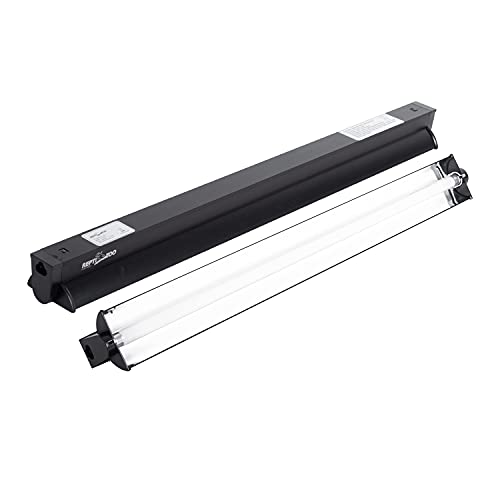
T5 HO UVB 10.0 Reptile Light Kit
High-output T5 UVB lighting is essential for bearded dragons to synthesize vitamin D3 and prevent metabolic bone disease. This provides the proper UVB spectrum needed for calcium absorption and overall health.
Check Price on AmazonDigital Thermometer with Dual Probes
Accurate temperature monitoring is critical for bearded dragon health. Dual probes allow you to monitor both basking and cool side temperatures simultaneously, ensuring proper thermal gradient for digestion and thermoregulation.
Check Price on AmazonReptile Calcium Powder Without D3
Daily calcium supplementation prevents metabolic bone disease in growing bearded dragons. Calcium without D3 is used for daily dusting since dragons synthesize D3 from UVB exposure, while calcium with D3 is reserved for weekly use.
Check Price on Amazon120 Gallon Reptile Terrarium
Adult bearded dragons need substantial space to thrive—minimum 75 gallons but 120+ gallons is ideal. A properly sized enclosure allows for appropriate temperature gradients, exercise space, and enrichment opportunities that are critical for long-term health.
Check Price on AmazonDubia Roaches Live Feeders
Dubia roaches are nutritionally superior to crickets, don't smell, can't escape easily, and are quieter. They're an excellent staple feeder insect for bearded dragons of all ages and provide better nutrition than mealworms or superworms alone.
Check Price on AmazonFrequently Asked Questions
PetSmart typically sells bearded dragons for $40-$80, depending on age and occasional sales. However, pet store dragons often come from mass breeding facilities and may have hidden health issues, parasites, or genetic problems that aren't apparent at purchase. The initial savings are frequently offset by veterinary expenses within the first few months. Reputable breeders charge $60-$400+ depending on morph but provide health guarantees, detailed care information, and healthier animals with known genetics.
References & Sources
Related Articles

Red Bearded Dragon Morphs: Genetics, Price & Care
Red bearded dragon morphs: genetics behind true reds, price tiers by intensity, how to spot photo-enhanced fakes, and diet tips that deepen natural color.

Leatherback Bearded Dragon: Morph Guide, Genetics & Care
Leatherback bearded dragons: co-dominant genetics explained, why they need extra UVB protection, price tiers by color combination, and a complete buyer's ID checklist.

Black Bearded Dragon: Morph Guide, Genetics & Care
Black bearded dragons explained: how to tell true melanistic genetics from stress-darkening, what morphs produce black coloration, price tiers, and a buyer's ID checklist.