Best White's Tree Frog Misting Systems (2026)
Find the best White's tree frog misting system for healthy humidity. We review top automatic misters, DIY options, and help you pick the right one.


This article contains affiliate links. If you make a purchase through these links, we may earn a small commission at no extra cost to you. See our affiliate disclosure for details.
We recommend 5 picks here. Our top choice is the Automatic Reptile Misting System (4–6L Reservoir) — check price and availability below.
How we choose: we compare published specifications against the care requirements in veterinary and species-care literature, and weigh those against what long-time keepers report. We do not test products ourselves and we do not restate Amazon star ratings. The 5 sources behind this article are listed at the bottom.
Quick Comparison
- Automation Level
- Fully Automated
- Primary Function
- Active Misting & Humidity Control
- Power Requirement
- AC Power
- Capacity / Volume
- 4-6 Liters (Reservoir)
- Estimated Price Range
- $80-150
- Automation Level
- Monitoring Only
- Primary Function
- Humidity & Temperature Monitoring
- Power Requirement
- Battery
- Capacity / Volume
- N/A
- Estimated Price Range
- $15-30
- Automation Level
- Semi-Automated
- Primary Function
- Ambient Humidity Supplementation
- Power Requirement
- AC Power
- Capacity / Volume
- 2-4 Liters (Fogger)
- Estimated Price Range
- $50-90
- Automation Level
- Manual Operation
- Primary Function
- Targeted Manual Misting
- Power Requirement
- None (Manual Pump)
- Capacity / Volume
- 1-2 Liters (Bottle)
- Estimated Price Range
- $10-25
- Automation Level
- Passive Retention
- Primary Function
- Humidity Retention (Substrate)
- Power Requirement
- None
- Capacity / Volume
- N/A
- Estimated Price Range
- $10-20
Prices are estimates only. Actual prices on Amazon may vary.
White's tree frogs are hardy, personable, and surprisingly easy to keep — but they do need consistent humidity to stay healthy. Get the moisture wrong and you'll see dry, wrinkled skin, difficulty shedding, and a frog that's clearly stressed. The right misting system takes the guesswork out of humidity management.
In this guide, we'll walk you through the best White's tree frog misting systems available, what features actually matter, and how to choose the right setup for your enclosure size and budget.
Why Misting Matters for White's Tree Frogs
White's tree frogs (Litoria caerulea) are native to Australia and New Guinea, where they experience humid subtropical and tropical conditions. In captivity, they thrive at 50–70% relative humidity, with brief spikes up to 80–90% after misting.
Humidity serves several critical functions for these frogs:
- Skin health — Frogs absorb water through their skin. Without adequate moisture, they dehydrate quickly.
- Shedding — Low humidity causes retained shed, which can cut off circulation to toes and limbs.
- Respiratory health — Consistently dry air stresses the respiratory system over time.
- Natural behavior — Misting triggers normal feeding and activity cycles, especially in the evening.
If you want to learn more about the full care picture, check out our White's Tree Frog Care: Complete Beginner's Guide for everything from enclosure setup to feeding.
Humidity Requirements
Ideal Humidity Range
50–70%
Spikes to 80–90% after misting
Misting Frequency
1–2× daily
Morning and evening to mimic natural dew patterns
Target Between Mistings
60–70%
Increase frequency if drops below 50%
Critical for
Skin health, shedding, respiration
Low humidity causes dehydration, retained shed, stress
Misting System Types
Side-by-side comparison
| Feature | Automatic Timed Misters | Manual Spray Bottles |
|---|---|---|
| Best for | ★Most keepers — set-it-and-forget-it approach | Budget beginners with daily commitment |
| Consistency | ★High — runs on programmed schedule | Low — depends on user discipline |
| Initial Cost | $40–$80 (mid-size) | ★$10–$20 (quality sprayer) |
| Reservoir Refills | ★Every few days | Before each misting |
| Nozzle Clogging Risk | Higher — requires distilled water | ★Lower — spray can be adjusted |
Our Take: Automatic misters win for reliability and consistency; manual sprayers suit budget-conscious keepers willing to mist daily.
Top Misting Systems
Quick recommendations
4–6L reservoir with 2–4 programmable daily intervals; adjustable nozzle, quiet pump, easy refilling
1–2L capacity for precision misting; inexpensive and practical if used consistently
Pairs automatic mister with ultrasonic fogger for 40+ gallon enclosures; maintains ambient humidity between sessions
Compact 1–2L reservoir with built-in timer; reliable performance for single-enclosure setups
Misting System Buying Guide
What you need to know
Timer Flexibility — At least 2–4 programmable intervals per day for precise humidity control
Reservoir Size — 2–4L for single enclosures; 6–10L if traveling or managing multiple enclosures
Nozzle Quality — Brass or stainless steel; use distilled/filtered water to prevent clogging
Noise Level — Choose quiet pumps; White's tree frogs are sensitive to vibration and loud sounds
Tubing Length — Verify included tubing reaches from reservoir to your enclosure
Detailed Reviews
1. Automatic Reptile Misting System (4–6L Reservoir)
Best Overall
Automatic Reptile Misting System (4–6L Reservoir)
Pros
- •Automates daily misting schedules for consistent humidity.
- •Programmable for precise timing and duration.
- •Reduces manual effort for daily humidity maintenance.
- •Large reservoir (4-6L) reduces refill frequency.
Cons
- •Higher initial cost compared to manual options.
- •Requires power source and proper setup.
- •Can lead to over-misting if not programmed carefully.
Bottom Line
This system provides consistent, automated humidity control, mimicking natural patterns critical for White's tree frogs. Its programmable features reduce daily maintenance while ensuring optimal environmental conditions.
2. Digital Reptile Hygrometer and Thermometer
Editor's Choice
Digital Reptile Hygrometer and Thermometer
Pros
- •Accurately measures real-time relative humidity and temperature.
- •Essential for verifying the effectiveness of any misting system.
- •Helps prevent health issues by identifying inadequate humidity levels.
- •Typically features clear, easy-to-read digital displays.
Cons
- •Requires battery replacement.
- •May need recalibration over time for accuracy.
- •Doesn't actively adjust humidity, only monitors it.
Bottom Line
A digital hygrometer and thermometer is a crucial tool for any White's tree frog keeper, providing essential data to ensure humidity targets are met. It allows for proactive adjustments to misting routines, safeguarding frog health.
3. Ultrasonic Reptile Fogger Humidifier
Premium Pick
Ultrasonic Reptile Fogger Humidifier
Pros
- •Generates a fine, cool mist to quickly raise ambient humidity.
- •Effective for large enclosures or combating very dry ambient conditions.
- •Can be used to provide continuous, stable humidity between misting cycles.
- •Often features adjustable fog output for precise control.
Cons
- •Can create excessively wet conditions if not properly managed.
- •Requires distilled water to prevent mineral buildup and extend lifespan.
- •Often requires a separate timer or hygrometer for automation.
Bottom Line
This device excels at supplementing ambient humidity, making it suitable for specialized setups like large bioactive enclosures or arid environments. It effectively maintains stable humidity when used in conjunction with a misting system.
4. Pump Spray Bottle for Reptiles (1–2L)
Budget Pick
Pump Spray Bottle for Reptiles (1–2L)
Pros
- •Extremely affordable and widely accessible.
- •Simple, mechanical operation, no batteries or electricity needed.
- •Allows for precise, spot misting as required.
- •Reliable backup option for automated systems.
Cons
- •Requires consistent manual effort, once or twice daily.
- •Less consistent humidity compared to automated systems.
- •Can lead to fluctuating humidity if not diligently performed.
Bottom Line
An economical and reliable tool for manual misting, this spray bottle is ideal for hands-on keepers or as an emergency backup. Its simplicity ensures consistent operation without external power requirements.
5. Coconut Fiber Reptile Substrate
Best Value
Coconut Fiber Reptile Substrate
Pros
- •Excellent at absorbing and slowly releasing moisture, stabilizing humidity.
- •Reduces the frequency and duration of required misting sessions.
- •Natural substrate, beneficial for bioactive setups and burrowing.
- •Helps prevent standing water, reducing risk of bacterial growth.
Cons
- •Requires regular replacement to maintain hygiene and prevent mold.
- •Can be dusty if allowed to dry out completely.
- •Does not actively generate humidity, only retains it.
Bottom Line
This coconut fiber substrate is an effective passive humidity management tool, absorbing and slowly releasing moisture to stabilize ambient conditions. It significantly aids in maintaining a consistent humidity range while minimizing excess wetness.
How Often Should You Mist a White's Tree Frog?
Most keepers mist once or twice a day — typically in the morning and again in the evening to mimic natural dew and overnight rainfall patterns. The enclosure should feel humid but not waterlogged. You don't want standing water pooling on the substrate for hours.
A good target: humidity reads 60–70% between mistings, spiking briefly after each session. If it drops below 50% regularly, increase misting frequency or duration.
Manual misting with a spray bottle works, but it's inconsistent. Miss a day, and your frog pays for it. That's why an automatic misting system is one of the best upgrades you can make.
Types of Misting Systems
Before we get to specific product picks, it helps to understand the three main types.
1. Automatic Timed Misters
These are the most popular choice. You fill a reservoir, set a schedule, and the system handles the rest. A pump pushes water through a tube to one or more nozzles, which spray a fine mist into the enclosure on a timer.
Best for: Most White's tree frog keepers. Set it and forget it.
Pros: Consistent schedules, customizable timing, hands-off Cons: Reservoir needs refilling every few days, nozzles can clog
2. Foggers / Ultrasonic Humidifiers
Foggers use ultrasonic vibrations to create a cool, dense mist. They raise ambient humidity across the whole enclosure without droplets landing on surfaces.
Best for: Supplementing a misting system, or for large bioactive setups.
Pros: Raises humidity evenly, quiet operation Cons: Can over-humidify, doesn't replicate rainfall behavior, mineral buildup with hard water
3. Manual Spray Bottles
A quality pump sprayer is inexpensive and effective — if you're consistent.
Best for: Beginners on a tight budget, or as a backup.
Pros: Cheap, no setup required, easy to control Cons: Requires daily manual effort, easy to skip
The Best White's Tree Frog Misting Systems
Here are our top picks across different needs and budgets.
Best Overall: Reptile Fogger Automatic Misting System (Mid-Size)
A mid-size automatic misting system with a 4–6 liter reservoir is the sweet spot for most White's tree frog enclosures. Look for a unit with:
- Programmable timer with at least 2–4 misting intervals per day
- Adjustable nozzle for spray direction and angle
- Quiet pump that won't stress your frog
- Easy-fill reservoir you can top off without disassembling the system
These systems typically run on a simple digital timer. You set the start time, duration (usually 5–30 seconds per cycle), and frequency. Once programmed, the system runs indefinitely until the reservoir empties.
(Estimates only — actual prices on Amazon may vary.) Mid-size automatic misters generally run $40–$80, which makes them accessible for most hobbyists. They're a one-time investment that pays off in frog health and peace of mind.
[View automatic reptile misting systems on Amazon](https://www.amazon.com/dp/B0GTCKGPRB?tag=krawlo-20
Best Budget Option: Handheld Pump Sprayer
Don't underestimate a good-quality pump sprayer. A 1–2 liter pump bottle lets you mist with pressure and precision, and it's practically free compared to automated systems.
The key is commitment. Set a phone alarm for morning and evening. Make it a habit. Many experienced keepers still use pump sprayers as their primary misting method — especially for smaller collections.
(Estimates only — actual prices on Amazon may vary.) Expect to spend $10–$20 on a quality pump sprayer. Look for one with a fine-mist nozzle setting, not just a stream.
View pump sprayers for reptiles on Amazon
Best for Large or Bioactive Enclosures: Fogger + Mister Combo
If you're running a large bioactive setup (40 gallons or more), consider pairing an automatic misting system with a separate ultrasonic fogger. The mister handles direct hydration and behavioral cues. The fogger keeps ambient humidity topped off between sessions.
This combo approach is especially useful in dry climates where humidity drops fast. The fogger runs on a separate timer, cycling every few hours for short bursts.
For more on building a bioactive enclosure, ReptiFiles has a great walkthrough at reptifiles.com/how-to-build-bioactive-terrarium.
View ultrasonic reptile foggers on Amazon
Best Timer-Only Setup: Repti Zoo Pocket Timing Misting System
The Repti Zoo pocket mister is a compact, budget-friendly automatic system with a built-in timer and a small reservoir (around 1–2 liters). It's not the most feature-rich option, but it works reliably for single-enclosure setups.
ReptiFiles reviewed this system in detail at reptifiles.com/review-repti-zoo-pocket-timing-mister-system. Their verdict: solid performance for smaller enclosures, with the main downside being the smaller reservoir requiring more frequent refills.
View Repti Zoo misting systems on Amazon
What to Look for in a Misting System
Not all misters are created equal. Here's what separates a good system from a frustrating one.
Timer Flexibility
You want at least two programmable misting windows per day. Some systems allow four or more. The more control you have, the better you can dial in the schedule for your specific enclosure and climate.
Reservoir Size
For a single enclosure, a 2–4 liter reservoir is usually enough for 2–4 days before refilling. If you travel frequently or have multiple enclosures on one system, go bigger — 6–10 liters.
Nozzle Quality
Cheap nozzles clog easily, especially if you use tap water with minerals in it. Look for brass or stainless nozzles. Use distilled or filtered water to extend nozzle life significantly.
Noise Level
White's tree frogs are sensitive to vibration and sudden loud noises. A quiet pump matters more than you might think. Read user reviews specifically mentioning noise before buying.
Tubing Length
Make sure the included tubing reaches from your reservoir to the nozzle placement inside the enclosure. Most systems include 3–6 feet of tubing. For top-mounted lids, this is rarely an issue.
Setting Up Your Misting System
Once you've chosen a system, setup is straightforward. Here's the basic process:
Step 1: Position the reservoir outside the enclosure — ideally above or at the same height as the nozzle for best water flow.
Step 2: Run the tubing through a vent or screen lid opening. Most lids have gaps at the back that work perfectly.
Step 3: Mount the nozzle toward the upper portion of the enclosure. Aim it at the back glass or a leafy plant rather than directly at your frog's resting spot.
Step 4: Program the timer. Start with two sessions — one in the morning (around 8–9 AM) and one in the evening (around 6–8 PM). Each session should run 15–30 seconds for a standard 20-gallon enclosure.
Step 5: Monitor humidity with a digital hygrometer for the first week. Adjust timing and duration until you're consistently hitting 60–70% between sessions.
Humidity Benchmarks at a Glance
| Condition | Target Humidity | Action |
|---|---|---|
| Resting (between mistings) | 50–70% | Normal — no changes needed |
| After misting | Up to 85–90% | Normal spike, expected |
| Consistently below 50% | Too dry | Increase misting frequency or duration |
| Consistently above 85% | Too humid | Improve ventilation, reduce misting |
| Shedding period | 70–80% | Increase misting slightly to support shed |
Common Misting Mistakes to Avoid
Even with a good system, a few common mistakes can undermine your results.
Using tap water with heavy minerals. Hard water clogs nozzles and leaves white mineral deposits on glass. Switch to distilled or filtered water and your system will last much longer.
Misting directly onto the frog. Cold mist hitting your frog suddenly can stress it. Aim nozzles at plant leaves, the back wall, or driftwood instead.
Over-misting without good drainage. If water pools on the substrate for hours, you'll grow bacteria and mold. Make sure your enclosure has drainage — either a bioactive setup with drainage layer, or a substrate that absorbs moisture without staying soggy.
Ignoring reservoir refills. Automatic misters need water to work. Check the reservoir every 2–3 days. Running dry defeats the whole purpose.
Does Misting Replace a Water Bowl?
No. Misting hydrates your frog's skin and keeps the enclosure humid, but it doesn't replace a shallow water bowl. White's tree frogs soak and drink from standing water too. Always provide a clean, shallow bowl — large enough for your frog to sit in but not deep enough to drown.
Change the water every day or two. Frogs will often defecate in their water dish, so freshness matters.
White's Tree Frogs vs. Other Frogs: Humidity Needs
White's tree frogs are more tolerant of humidity swings than many other species. Compare them to, say, a Pac-Man frog, which needs consistent 60–80% humidity at all times. White's can handle brief dips without the same immediate stress response.
That said, chronic low humidity will still cause health problems over time. Don't let that tolerance make you complacent.
Tips for Keeping Humidity Stable
Use a screen lid — but not full screen. A full-screen lid lets humidity escape too quickly, especially in dry climates. Consider covering 50–75% of the screen with glass or acrylic panels. This traps humidity while still allowing ventilation.
Live plants help enormously. Pothos, philodendron, and bromeliads retain moisture in their leaves and substrate, naturally stabilizing humidity between mistings.
Substrate choice matters. Coconut fiber, sphagnum moss, and bioactive mixes all retain moisture much better than paper towels or reptile carpet. A moisture-retaining substrate reduces how often you need to mist.
Humid hides work too. A small hide stuffed with damp sphagnum moss gives your frog a retreat where humidity stays high even if the main enclosure dries slightly.
Final Thoughts
The best White's tree frog misting system is the one you'll actually use consistently. If that's a $15 pump sprayer you check twice a day — great. If it's a $60 automatic mister that takes over the job — even better.
For most keepers, an automatic timed system with a medium reservoir is the clear winner. It's reliable, hands-off, and ensures your frog always has the humidity it needs — even when life gets busy.
Invest in a digital hygrometer too. You can't manage what you can't measure, and a cheap hygrometer is the best way to confirm your misting schedule is actually working.
For a complete setup walkthrough beyond just humidity, our White's Tree Frog Care: Complete Beginner's Guide covers enclosure size, temperature, diet, and more.
Our Final Verdict
Automatic Reptile Misting System (4–6L Reservoir)
This system provides consistent, automated humidity control, mimicking natural patterns critical for White's tree frogs. Its programmable features reduce daily maintenance while ensuring optimal environmental conditions.
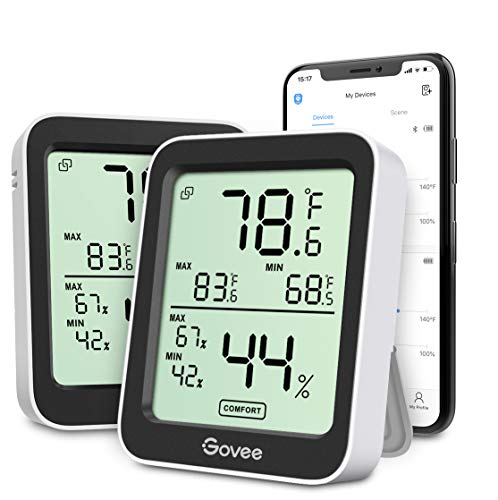
Digital Reptile Hygrometer and Thermometer
A digital hygrometer and thermometer is a crucial tool for any White's tree frog keeper, providing essential data to ensure humidity targets are met. It allows for proactive adjustments to misting routines, safeguarding frog health.
Ultrasonic Reptile Fogger Humidifier
This device excels at supplementing ambient humidity, making it suitable for specialized setups like large bioactive enclosures or arid environments. It effectively maintains stable humidity when used in conjunction with a misting system.
Frequently Asked Questions
Yes. White's tree frogs need regular misting to maintain 50–70% humidity and to keep their skin healthy. They absorb water through their skin, so consistent moisture is essential. Mist once or twice daily — morning and evening — for best results.
References & Sources
- https://www.thebiodude.com/blogs/frog-caresheets/white-s-tree-frog-caresheet-and-bioactive-maintenance?srsltid=AfmBOopgWfk2akjiAEdGHMcX-DC1kejSSBT4g_AqZNlQ8-0XQ1DOTAw_
- https://dubiaroaches.com/blogs/amphibian-care/white-s-tree-frog-care-sheet?srsltid=AfmBOoq430S1AUTE49Y7g6YmwjETvPlDbm9isEfNqKb97ktQNgvLzkOg
- https://reptifiles.com/review-repti-zoo-pocket-timing-mister-system/
- https://reptifiles.com/how-to-build-bioactive-terrarium/
- https://www.petmd.com/reptile/care/evr_rp_frog-care-101-what-you-need-know-you-get-frog
Related Articles

Best White's Tree Frog Lighting: Top Picks 2026
Find the best White's tree frog lighting setup with our top UVB picks, wattage guide, and expert tips to keep Litoria caerulea healthy and thriving.

Best White's Tree Frog Substrate: Top 5 Picks
Find the best White's tree frog substrate to keep your frog healthy and thriving. We compare coconut fiber, bioactive mixes, sphagnum moss, and more.

Best White's Tree Frog Food: Complete Feeding Guide
Discover the best White's tree frog food, from dubia roaches to hornworms. Learn feeding schedules, gut loading, supplements, and how to prevent obesity.