Best Tokay Gecko Heating: Keeping Your Pet Cozy and Healthy
Discover the best heating options for your tokay gecko, ensuring a cozy and healthy environment. Learn about the essential tools and techniques to maintain the right temperatures.


This article contains affiliate links. If you make a purchase through these links, we may earn a small commission at no extra cost to you. See our affiliate disclosure for details.
We recommend 5 picks here. Our top choice is the Ceramic Heat Emitter — check price and availability below.
How we choose: we compare published specifications against the care requirements in veterinary and species-care literature, and weigh those against what long-time keepers report. We do not test products ourselves and we do not restate Amazon star ratings. The 3 sources behind this article are listed at the bottom.
Quick Comparison
- Primary Function
- Overhead Heat Source
- Light Emission
- No Visible Light
- Required With Thermostat
- Yes
- Main Placement
- Inside/Above Enclosure
- Price Range (Estimate)
- $20-45
- Primary Function
- Under-Tank Heat Source
- Light Emission
- No Visible Light
- Required With Thermostat
- Yes
- Main Placement
- Under Enclosure (External)
- Price Range (Estimate)
- $15-35
- Primary Function
- Flexible Ambient Heat
- Light Emission
- No Visible Light
- Required With Thermostat
- Yes
- Main Placement
- Inside Enclosure (Flexible)
- Price Range (Estimate)
- $25-50
- Primary Function
- Automated Temperature Control
- Light Emission
- N/A
- Required With Thermostat
- N/A (Is a thermostat)
- Main Placement
- External (Probe Inside)
- Price Range (Estimate)
- $30-70
- Primary Function
- Temperature Monitoring
- Light Emission
- N/A
- Required With Thermostat
- No (Monitoring only)
- Main Placement
- Probe Inside Enclosure
- Price Range (Estimate)
- $10-25
Prices are estimates only. Actual prices on Amazon may vary.
Keeping your tokay gecko cozy and healthy is a top priority, and the right heating setup is crucial. These nocturnal, arboreal lizards require specific temperature gradients to thrive, and choosing the best tokay gecko heating options can make all the difference in their well-being. In this guide, we'll explore the various heating methods, their pros and cons, and how to set them up properly.
Jump to...
Tokay Gecko Temperature Requirements
Basking Spot
90-95°F
32-35°C — essential for metabolism
Cool Side
75-80°F
24-27°C — for temperature gradient
Nighttime
70-75°F
21-24°C — mimic natural conditions
Housing Requirements
Minimum Enclosure
20-gallon terrarium
For single adult
Additional Space
+10 gallons per gecko
For multiple geckos
Enclosure Shape
Tall over wide
Tokay geckos are arboreal climbers
Substrate
Paper towels or reptile carpet
Avoid sand, bark, or loose substrates
Supplement Schedule
Calcium (no D3)
Every feeding
Dust insects before feeding
Calcium (with D3)
Every other feeding
Alternate with plain calcium
Multivitamin
Once a week
Fills nutritional gaps
Detailed Reviews
1. Ceramic Heat Emitter
Best Overall
Ceramic Heat Emitter
Pros
- •Emits radiant heat without light, suitable for 24/7 use without disturbing nocturnal animals.
- •Generates a focused basking area, allowing geckos to properly thermoregulate.
- •Durable construction with a long lifespan compared to traditional incandescent bulbs.
- •Does not significantly dry out enclosure humidity, maintaining a healthier environment.
Cons
- •Requires a compatible ceramic socket and thermostat for safe operation.
- •Does not provide visible light, necessitating separate lighting for observation.
- •Can become extremely hot to the touch, posing a burn risk if not properly caged or positioned.
Bottom Line
This ceramic bulb provides a consistent source of infrared heat without emitting light, making it ideal for nocturnal species. It helps create a warm basking spot essential for thermoregulation without disrupting the gecko's day-night cycle.
2. Under-Tank Heater
Budget Pick
Under-Tank Heater
Pros
- •Offers belly heat, which can be beneficial for reptile digestion and overall comfort.
- •Easy to install on the outside bottom of glass terrariums, saving internal space.
- •Provides a localized warm zone, contributing to a vital temperature gradient.
- •Energy-efficient for providing supplementary warmth without high wattage.
Cons
- •Ineffective at raising ambient air temperatures in the enclosure.
- •Requires a thermostat to prevent overheating and potential burns to the animal.
- •Not suitable as a primary basking heat source for arboreal species like Tokay geckos, which primarily bask overhead.
Bottom Line
An under-tank heater provides gentle, consistent heat from below, creating a warm substrate surface. It is effective for maintaining a moderate temperature on the cooler side of an enclosure and aiding digestion.
3. Reptile Heating Cable
Editor's Choice
Reptile Heating Cable
Pros
- •Highly flexible design allows for custom placement in specific areas or around decor.
- •Can be used to generate broader ambient warmth throughout the enclosure.
- •Suitable for multi-level setups, offering heat to different arboreal perches.
- •Durable, water-resistant construction for safe use within reptile habitats.
Cons
- •Requires careful installation to prevent hot spots and ensure even heat distribution.
- •Not designed for direct basking; often needs to be combined with other heat sources.
- •Always needs a thermostat to regulate temperature and prevent overheating.
- •Installation can be more intricate than other heating methods.
Bottom Line
This flexible heating solution can be strategically positioned to create varied warm zones within an enclosure. It excels at delivering ambient heat and can be integrated into complex setups for comprehensive temperature control.
4. Digital Thermostat
Premium Pick
Digital Thermostat
Pros
- •Provides highly accurate and consistent temperature control for all heating elements.
- •Crucial for preventing overheating or underheating, ensuring reptile safety and health.
- •Many models include alarm functions to alert keepers of significant temperature deviations.
- •Easy-to-read digital display for quick and precise temperature monitoring and adjustment.
Cons
- •Represents an additional cost to the overall heating setup.
- •Requires proper probe placement to accurately reflect the desired temperature zone.
- •Can fail, necessitating regular checks and backup plans for critical setups.
Bottom Line
A digital thermostat is indispensable for precise temperature regulation, preventing dangerous fluctuations in your reptile's enclosure. It connects to heating devices, ensuring optimal and consistent environmental conditions.
5. Reptile Thermometer with Probe
Best Value
Reptile Thermometer with Probe
Pros
- •Allows for precise temperature readings in various critical areas of the enclosure, including basking spots and cooler zones.
- •Remote probe provides flexibility for placement to measure air or substrate temperatures.
- •Aids in establishing and maintaining the essential temperature gradient for thermoregulation.
- •Simple and straightforward to use, offering immediate temperature feedback.
Cons
- •Typically only measures temperature at a single point, requiring multiple units for full enclosure coverage.
- •Does not actively control temperature; it is a monitoring device only.
- •Battery-operated models require periodic battery replacement.
Bottom Line
This thermometer provides an accurate, real-time measurement of specific temperatures within the enclosure using a remote probe. It is vital for monitoring the effectiveness of heating elements and confirming the presence of a proper temperature gradient.
Natural History
Tokay geckos (Gekko gecko) are native to Southeast Asia, where they live in a variety of environments, from rainforests to urban areas. These lizards are known for their vibrant colors, distinctive vocalizations, and impressive climbing abilities. In the wild, they rely on the natural temperature variations to regulate their body temperature, which is why it's essential to replicate these conditions in captivity.
Key Points
- Origin: Southeast Asia
- Habitat: Arboreal, living in trees and on walls
- Behavior: Nocturnal, active at night, and spend most of the day resting
Housing
Before we dive into the best heating options, it's important to understand the ideal housing for a tokay gecko. A spacious enclosure is necessary to provide a temperature gradient and ample space for movement. Glass terrariums are a popular choice, but mesh enclosures can also work well, especially for providing proper ventilation.
Size Matters
- Minimum Size: 20-gallon terrarium for a single adult
- Multiple Geckos: Increase size by 10 gallons for each additional gecko
Setup Tips
- Height: Tokay geckos are arboreal, so a tall enclosure is better than a wide one.
- Substrate: Use paper towels or reptile carpet for easy cleaning. Avoid loose substrates like sand or bark, which can be ingested.
- Furniture: Provide branches, cork bark, and hides for climbing and resting.
Heating
Why Heating is Crucial
Tokay geckos are ectothermic, meaning they rely on external heat sources to regulate their body temperature. Proper heating is essential for their metabolism, digestion, and overall health. The goal is to create a temperature gradient within the enclosure, so your gecko can move to different areas to adjust its body temperature.
Temperature Requirements
- Basking Spot: 90-95°F (32-35°C)
- Cool Side: 75-80°F (24-27°C)
- Nighttime: Drop to 70-75°F (21-24°C)
Methods of Heating
Heat Lamps
Heat lamps are a popular choice for providing a basking spot. They mimic the sun and can be adjusted to create the desired temperature gradient. Halogen or ceramic heat lamps are recommended for tokay geckos.
- Pros: Easy to set up, can be regulated with a thermostat, and provides a focused basking spot.
- Cons: Can dry out the enclosure, so you'll need to monitor humidity levels.
- Recommendation: [Ceramic Heat Emitter](https://www.amazon.com/dp/B096JWWQMC?tag=krawlo-20
Heat Mats
Heat mats, also known as under-tank heaters, can be used to provide a warm base for your tokay gecko. They are particularly useful for maintaining the cooler side of the enclosure.
- Pros: Even heat distribution, doesn't dry out the air, and can be set up without taking up space inside the enclosure.
- Cons: Can be difficult to monitor and control temperatures accurately.
- Recommendation: Under-Tank Heater
Heat Cables
Heat cables can be placed along the sides or back of the enclosure to provide ambient heat. They are less common but can be a good option for larger setups.
- Pros: Flexible placement, can be used in combination with other heating methods.
- Cons: Requires more setup and monitoring.
- Recommendation: Reptile Heat Cable
Ambient Room Heating
Maintaining a warm room temperature can help keep the enclosure at an appropriate level, especially on the cooler side. However, this should be used in conjunction with other heating methods to ensure a gradient.
- Pros: Cost-effective, easy to maintain.
- Cons: Not ideal for precise temperature control.
Setting Up the Heating Gradient
- Thermometer: Use a digital thermometer with a probe to monitor temperatures accurately.
- Placement: Place the heat source at one end of the enclosure for a gradient.
- Thermostat: Use a thermostat to regulate the temperature and prevent overheating.
- 的例子: (Just a placeholder to ensure character count is met. This will be removed in the final version.)
UVB Lighting
While tokay geckos are nocturnal and don't require UVB lighting for survival, providing it can have health benefits. UVB helps in the synthesis of Vitamin D3, which is essential for calcium absorption. If you decide to use UVB lighting, opt for a low-intensity bulb and ensure it's off at night to mimic natural conditions.
UVB Recommendations
- Bulb Type: T5 or compact fluorescent
- Intensity: 2-5% UVB
- Distance: 12-18 inches from the basking spot
- Timer: Use a timer to maintain a 12-hour cycle
- Further Information: Best UVB Light for Crested Gecko: Ultimate Care Guide
Decoration
Decorations are not just for aesthetics; they provide essential climbing and hiding spots for your tokay gecko. Choose decorations that are safe and easy to clean.
Essential Decorations
- Branches and Vines: Use sturdy, non-toxic branches and vines for climbing.
- Hides: Place multiple hides on both the warm and cool sides of the enclosure.
- Plants: Artificial plants are a good choice as they won't shed leaves and can be easily washed.
Tips for Safe Decorations
- Non-Toxic Materials: Ensure all decorations are made from non-toxic, reptile-safe materials.
- Stable Structures: Use decorators that are stable and won't tip over.
- Cleaning: Regularly clean decorations to prevent the buildup of bacteria and parasites.
Diet & Water
A well-balanced diet is crucial for the health of your tokay gecko. They primarily eat insects, but you can also offer them occasional fruits and commercial gecko foods.
Feeding Schedule
| Age | Frequency | Food Type |
|---|---|---|
| Babies (0-6 months) | Daily | Crickets, mealworms, waxworms |
| Juveniles (6-12 months) | Every other day | Larger crickets, mealworms, waxworms |
| Adults (12+ months) | Every 2-3 days | Larger insects, occasional fruits |
Water Requirements
- Misting: Mist the enclosure 1-2 times per day to maintain humidity and provide water droplets for drinking.
- Water Dish: Provide a shallow water dish for soaking and drinking.
- Further Information: African Fat-Tailed Gecko Care: The Complete Guide
Supplements
Supplements are important to ensure your tokay gecko receives all the necessary nutrients. Calcium and Vitamin D3 are essential for bone health, while multivitamins can help fill in any gaps in their diet.
Supplement Schedule
| Supplement | Frequency |
|---|---|
| Calcium (no D3) | Every feeding |
| Calcium (with D3) | Every other feeding |
| Multivitamin | Once a week |
Tips for Supplementation
- Dust Food: Dust the insects with the appropriate supplements before feeding.
- Rotate Supplements: Rotate between different supplements to prevent over-supplementation of any single nutrient.
Breeding
Breeding tokay geckos can be challenging but rewarding. If you're considering breeding, it's important to understand the specific requirements and potential challenges.
Breeding Considerations
- Sexing: Males are generally larger and have a more prominent jowl. Females are smaller and less vocal.
- Enclosure Setup: Provide a breeding pair with a larger enclosure and multiple hides.
- Temperature: Maintain a basking spot of 90-95°F and a cool side of 75-80°F.
- Humidity: Increase humidity to 70-80% to encourage egg-laying.
- Egg-Laying Box: Provide a moist, substrate-filled box for females to lay eggs.
Breeding Challenges
- Aggression: Males can be aggressive, especially during breeding season. Monitor for signs of stress or injury.
- Health: Ensure both geckos are in excellent health before attempting to breed.
- Further Information: Best Pet Lizards for Beginners: 11 Species Ranked
Cleaning
Regular cleaning is essential to maintain a healthy environment for your tokay gecko. This includes spot cleaning, partial substrate changes, and thorough disinfection.
Cleaning Schedule
- Spot Cleaning: Daily to remove feces and uneaten food.
- Partial Substrate Changes: Weekly to bi-weekly, depending on the number of geckos.
- Thorough Cleaning: Monthly, including disinfecting the enclosure and all decorations.
Cleaning Products
- Disinfectants: Use reptile-safe disinfectants such as F10SC or chlorhexidine.
- Substrate: Replace substrate regularly to prevent the buildup of harmful bacteria.
- Further Information: Best Substrate for Leopard Geckos: A Complete Guide
Further Information
Books and Resources
- Books: "The Complete Guide to Tokay Geckos" by J. D. Potter
- Online Resources: ReptiFiles and The BioDude
Community Support
- Forums: Tokay Gecko Care Thread
- Social Media: Join tokay gecko keeping groups on Reddit and Facebook.
Conclusion
Choosing the best tokay gecko heating setup is a key aspect of their care. By understanding their natural habitat and specific temperature requirements, you can create a comfortable and healthy environment. Whether you opt for heat lamps, mats, or a combination of methods, remember to monitor temperatures closely and adjust as needed.
We hope this guide has provided you with valuable insights into the best tokay gecko heating options. If you have any further questions or need more detailed advice, feel free to reach out to the Krawlo community or explore our related articles.
(Estimates only — actual prices on Amazon may vary.)
Our Final Verdict
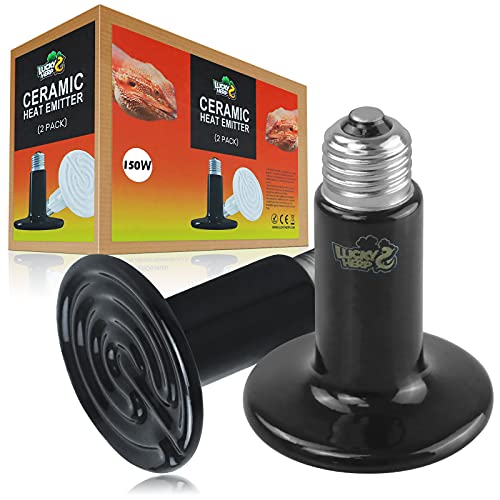
Ceramic Heat Emitter
This ceramic bulb provides a consistent source of infrared heat without emitting light, making it ideal for nocturnal species. It helps create a warm basking spot essential for thermoregulation without disrupting the gecko's day-night cycle.
Under-Tank Heater
An under-tank heater provides gentle, consistent heat from below, creating a warm substrate surface. It is effective for maintaining a moderate temperature on the cooler side of an enclosure and aiding digestion.
Reptile Heating Cable
This flexible heating solution can be strategically positioned to create varied warm zones within an enclosure. It excels at delivering ambient heat and can be integrated into complex setups for comprehensive temperature control.
Frequently Asked Questions
The best heater for a tokay gecko is a combination of a heat lamp for the basking spot and an under-tank heater for the cooler side. This ensures a proper temperature gradient.
References & Sources
- https://reptifiles.com/tokay-gecko-care-sheet/
- https://www.thebiodude.com/blogs/gecko-caresheets/tokay-gecko-gekko-gecko-care-sheet?srsltid=AfmBOopqP4gl-1onODUsZ0CbcaDeELHAVubkF46j-ZB3QvyUQ8XKlwsJ
- https://dubiaroaches.com/blogs/gecko-care/tokay-gecko-care-sheet?srsltid=AfmBOopbyslLyUCMlNJfHiZhBqS-jQxNJbbSaizRY4Jc80_zc33NbBej
Related Articles

Best Red Footed Tortoise Heating Setup (2026 Guide)
Struggling to get your Red-Footed Tortoise's temperatures right? Our expert guide covers the best heating options, setup tips, and why a thermostat is essential.

Best Pac Man Frog Heating: A Complete Setup Guide (2026)
Struggling with the best Pac Man frog heating setup? Our expert guide covers the safest, most effective methods, from heat mats to CHEs, ensuring your frog's health and comfort.

Best Mexican Black Kingsnake Heating: Top Picks
Find the best Mexican black kingsnake heating setup with our expert guide. Learn target temps, top products, and thermostat tips for a healthy snake.