Best Substrate for Pacman Frog: A Keeper's Guide (2026)
Choosing the best substrate for your Pacman frog is crucial for their health. Our 2026 guide reviews top picks like coco fiber and bioactive mixes, and what to avoid.


This article contains affiliate links. If you make a purchase through these links, we may earn a small commission at no extra cost to you. See our affiliate disclosure for details.
We recommend 4 picks here. Our top choice is the Zoo Med Eco Earth Compressed Coconut Fiber — check price and availability below.
How we choose: we compare published specifications against the care requirements in veterinary and species-care literature, and weigh those against what long-time keepers report. We do not test products ourselves and we do not restate Amazon star ratings. The 6 sources behind this article are listed at the bottom.
Quick Comparison
- Type
- Coconut Fiber
- Primary Use
- Primary Substrate
- Bioactive Ready
- Yes (base layer)
- Burrowing Support
- Excellent
- Average Cost (per volume/kit)
- $10-20
- Type
- Complete Bioactive System
- Primary Use
- Complete Bioactive System
- Bioactive Ready
- Yes (full kit)
- Burrowing Support
- Excellent
- Average Cost (per volume/kit)
- $80-150
- Type
- Bark Mulch
- Primary Use
- Alternative Primary Substrate
- Bioactive Ready
- No (can be added as accent)
- Burrowing Support
- Good (needs depth)
- Average Cost (per volume/kit)
- $15-25
- Type
- Peat Moss
- Primary Use
- Humidity Boost / Spot Humidity
- Bioactive Ready
- Yes (as additive)
- Burrowing Support
- Limited (for moist pockets)
- Average Cost (per volume/kit)
- $5-15
Prices are estimates only. Actual prices on Amazon may vary.
Welcome to the wonderful world of Pacman frogs! These charming, round amphibians, also known as South American Horned Frogs, are famous for their massive mouths and sit-and-wait hunting style. They spend most of their lives burrowed into the damp floor of the rainforest, waiting patiently for a meal to wander by. To keep your Pacman happy and healthy, you need to replicate this environment, and that starts from the ground up with the right bedding.
Choosing the best substrate for a Pacman frog isn't just about making their enclosure look nice. It's one of the most critical aspects of their care. The right substrate maintains essential humidity, provides security, protects their delicate skin, and prevents life-threatening health issues like impaction. With so many products on the market, making the right choice can feel overwhelming.
Don't worry, we're here to help. This guide will walk you through the top substrate choices, explain exactly how to set them up, and highlight the dangerous materials you must avoid at all costs. Think of this as your complete roadmap to building the perfect foundation for your pet frog.
Why Substrate Matters So Much for Pacman Frogs
Unlike an active lizard that climbs branches, a Pacman frog directly interacts with its substrate 24/7. It's their home, their hunting blind, and their source of moisture. Understanding why it's so important will help you appreciate the need for a high-quality material.
Humidity Regulation
Pacman frogs come from the humid tropical rainforests of South America. Their permeable skin requires high ambient humidity levels—typically between 70% and 80%—to stay hydrated. The single most important function of your substrate is to act as a giant sponge, holding moisture and releasing it slowly into the air. A dry frog is an unhealthy frog, susceptible to dehydration, shedding problems, and kidney issues.
Burrowing and Security
In the wild, these frogs are ambush predators. They bury their entire body in the loose, damp earth, leaving only their eyes exposed. This is their natural state. It provides them with an immense sense of security and reduces stress. A substrate that is too shallow, compact, or abrasive prevents this essential behavior, leading to a stressed and unhappy pet. A stressed amphibian is more likely to get sick or refuse food.
Sensitive Skin Protection
Amphibian skin is not like reptile scales. It's incredibly delicate and absorbent, allowing them to drink and breathe through it. This also means they can absorb toxins and chemicals directly from their environment. The best substrate for a Pacman frog must be clean, chemical-free, and soft to prevent cuts, scrapes, and toxic shock syndrome. Harsh materials can quickly lead to dangerous skin infections.
Preventing Impaction
Pacman frogs have a famously aggressive feeding response. They lunge at anything that moves in front of them, and this often means they get a mouthful of substrate along with their meal. If the substrate is made of indigestible materials like gravel, sand, or large wood chips, it can cause a fatal blockage in their digestive tract known as impaction. The ideal substrate should be composed of small, organic, and easily passable particles.
Why Substrate Matters for Pacman Frogs
What you need to know
Maintains 70-80% humidity to keep delicate skin hydrated
Enables natural burrowing behavior for security and stress reduction
Protects permeable skin from toxins and harsh materials
Prevents impaction—choose small, organic particles only
Top Substrate Choices
Quick recommendations
Gold standard—excellent humidity, soft texture, natural burrowing, beginner-friendly
Self-cleaning ecosystem with springtails/isopods; minimal maintenance once established
Mold-resistant, good aeration, attractive forest appearance—sift for sharp chips
Substrate Depth by Life Stage
Babies & Juveniles
2–3 inches
Increase as they grow
Standard (most frogs)
3–4 inches
Minimum for complete burrowing
Large Adults
4–6 inches
Optimal for security + moisture gradient
The Squeeze Test: Check Substrate Moisture
Grab a Handful
Take a large handful of substrate from the bottom of the enclosure
Squeeze Firmly
Close your fist and squeeze tightly to check moisture release
Perfect Moisture
Substrate clumps together; only a few water drops come out (ideal)
Adjust as Needed
Too wet → mix in dry substrate or improve ventilation. Too dry → mist with dechlorinated water
Detailed Reviews
1. Zoo Med Eco Earth Compressed Coconut Fiber
Best Overall
Zoo Med Eco Earth Compressed Coconut Fiber
Pros
- •Exceptional humidity retention, vital for Pacman frog hydration.
- •Fine, soft texture ideal for natural burrowing behavior and skin protection.
- •Natural and non-toxic, minimizing impaction risks.
- •Affordable and widely accessible, making it a cost-effective choice for primary substrate.
Cons
- •Requires rehydration and expansion prior to initial use.
- •Can compact over time, necessitating periodic turning or replacement for optimal fluffiness.
- •Does not inherently possess bioactive properties, requiring additional components for a self-cleaning setup.
Bottom Line
This coconut fiber is the gold standard, reliably maintaining the high humidity levels essential for Pacman frogs. Its soft, loose structure deeply encourages natural burrowing instincts and provides a secure, comfortable habitat.
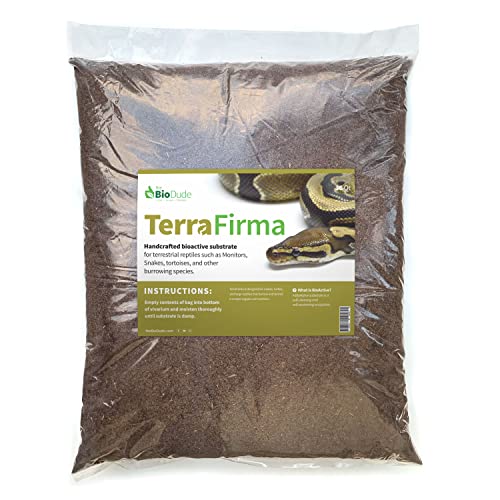
2. The Bio Dude Terra Firma Bioactive Kit
Premium Pick
The Bio Dude Terra Firma Bioactive Kit
Pros
- •Establishes a self-cleaning ecosystem, greatly reducing manual spot cleaning frequency.
- •Multi-layered design effectively maintains consistent high humidity levels.
- •Encourages natural foraging and burrowing behaviors, enriching the frog's environment.
- •Includes all essential components for a complete, established bioactive setup.
Cons
- •Significantly higher initial investment compared to traditional substrate options.
- •Requires a dedicated establishment period for the ecosystem to mature.
- •May be overly complex or cost-prohibitive for temporary or very small enclosures.
Bottom Line
This comprehensive kit facilitates the creation of a thriving bioactive terrarium, offering a self-sustaining and naturalistic environment. It significantly reduces long-term maintenance by replicating the frog's native rainforest floor ecosystem.
3. Zoo Med Forest Floor Cypress Mulch
Best Value
Zoo Med Forest Floor Cypress Mulch
Pros
- •Naturally resistant to mold and fungus, contributing to a healthier enclosure.
- •Effectively retains and releases moisture, supporting high ambient humidity.
- •Offers a natural forest floor aesthetic and suitable texture for moderate burrowing.
- •A viable alternative for keepers preferring a substrate other than coconut fiber.
Cons
- •Requires careful inspection and removal of potentially sharp pieces before use to prevent injury.
- •Its coarser texture might be less ideal than finer substrates for highly sensitive frogs.
- •May not provide the same deep, loose burrowing consistency as finely shredded fibers.
Bottom Line
Cypress mulch provides an effective alternative substrate, notable for its natural mold resistance and strong moisture-retaining capabilities. It offers a naturalistic substrate option, provided sharp pieces are diligently removed during preparation.
4. Fluker's Premium Sphagnum Moss
Budget Pick
Fluker's Premium Sphagnum Moss
Pros
- •Dramatically boosts the humidity-retaining capacity of any primary substrate.
- •Creates ideal moist pockets and humid hides essential for frog hydration and shedding.
- •Natural, safe, and non-toxic for use with Pacman frogs.
- •Highly versatile as an additive or for crafting specific humid zones.
Cons
- •Not suitable for use as a standalone primary substrate due to potential impaction risks.
- •Requires consistent misting to maintain peak moisture levels.
- •Needs periodic replacement as it naturally breaks down over time.
Bottom Line
Sphagnum moss is an excellent additive for significantly enhancing the moisture retention of primary substrates, creating vital humid microclimates. Its fibrous structure helps maintain optimal hydration within the enclosure and supports shedding.
Our Top Picks for the Best Substrate for Pacman Frogs
Now that you know what you're looking for, let's dive into the best options available. These materials have been proven safe and effective by keepers for years.
| Substrate Type | Humidity Retention | Burrowing | Impaction Risk | Maintenance |
|---|---|---|---|---|
| Coconut Fiber | Excellent | Excellent | Low | Low-Moderate |
| Bioactive Mix | Excellent | Excellent | Very Low | Very Low |
| Cypress Mulch | Very Good | Good | Low-Moderate | Low-Moderate |
| Sphagnum Moss (Mixed) | Superior | Poor (alone) | Moderate (alone) | High (alone) |
1. Coconut Fiber (Coir)
Coconut fiber, often sold as [Eco Earth](https://www.amazon.com/dp/B01CN8ZRYA?tag=krawlo-20 is widely considered the gold standard and the best substrate for Pacman frog keepers, especially beginners. It comes in compressed bricks that expand when you add water. It’s a fantastic all-around choice.
- Pros: It holds humidity like a dream, has a soft texture that's perfect for sensitive skin, and allows for natural burrowing behavior. It's also affordable and easy to find.
- Cons: It can be dusty if it dries out completely and requires regular misting. You must ensure it's damp, not soaking wet, to prevent bacterial growth.
2. Bioactive Substrate
For those looking to create the ultimate naturalistic environment, a bioactive setup is unbeatable. This involves creating a miniature ecosystem in your terrarium using a special soil mix and introducing microfauna—like springtails and isopods—to act as a "cleanup crew." These tiny janitors break down waste, turning it into nutrients for live plants.
- Pros: A bioactive setup is self-cleaning, meaning you almost never have to do a full substrate change. It provides unparalleled enrichment and stability for your frog. We highly recommend exploring options from our guide to the
Best Bioactive Substrate Kits: Top Picks Reviewed. - Cons: The initial setup is more complex and expensive. It requires a drainage layer, substrate barrier, and the purchase of a cleanup crew culture.
3. Cypress Mulch
High-quality cypress mulch, such as [Zoo Med's Forest Floor](https://www.amazon.com/dp/B0002AQDYA?tag=krawlo-20 is another solid choice. It's excellent at holding humidity and naturally resistant to mold and decay.
- Pros: Resists mold growth better than some other options and provides good aeration. Many keepers find its forest-like appearance very attractive.
- Cons: You must be careful to buy reptile-specific brands. Mulch from a garden center can contain pests or chemicals. You also need to sift through it to remove any large, sharp wood chips that could pose an injury or impaction risk.
How Deep Should Pacman Frog Substrate Be?
Depth is just as important as the material itself. Your frog needs to be able to completely submerge itself to feel secure. If the substrate is too shallow, they'll feel exposed and stressed.
As a general rule, provide a substrate depth of at least 3 to 4 inches for any Pacman frog. For large, fully-grown adult females, a depth of 4 to 6 inches is even better. This deep layer not only provides security but also creates a stable moisture gradient, where the bottom layers are wetter than the top, allowing your frog to choose its preferred moisture level.
For babies and small juveniles, a 2 to 3-inch layer is acceptable, but be prepared to increase it as they grow—and they grow fast!
Getting the Moisture Level Just Right
This is a question we see all the time: how wet should the substrate be? The goal is to achieve a consistency that is damp and humid, but not a swampy, waterlogged mess. Soggy substrate is a breeding ground for harmful bacteria and fungus that can cause nasty skin infections.
Your best tool for checking moisture is your hand. Use the "squeeze test":
- Grab a large handful of substrate from the bottom of the enclosure.
- Squeeze it firmly in your fist.
- Perfect: The substrate should clump together, and only a few drops of water should come out.
- Too Wet: If water streams out freely, it's oversaturated. You may need to mix in some dry substrate or improve ventilation.
- Too Dry: If the substrate doesn't clump at all and feels crumbly, it's too dry. It's time to mist the enclosure.
Always use dechlorinated water or spring water for misting. The chlorine and chemicals in tap water are harmful to amphibians. Mist the enclosure once or twice daily as needed to maintain that perfect dampness and keep humidity levels around 70-80%.
Substrates to AVOID for Pacman Frogs
This section is critical for your frog's safety. Using the wrong substrate can be uncomfortable at best and fatal at worst. Never use the following materials in a Pacman frog enclosure.
- Gravel, Pebbles, or Sand: These are the worst offenders. They offer zero humidity control, are abrasive to the skin, and present a massive impaction risk. A Pacman frog that ingests a piece of gravel will almost certainly die without surgical intervention.
- Reptile Carpet: While used for some reptiles, this is completely inappropriate for a burrowing frog. It offers no burrowing potential, is difficult to keep clean, and can snag their delicate toes. It quickly becomes a cesspool of bacteria.
- Aspen, Pine, or Cedar Shavings: These wood shavings are popular for small mammals and some snakes, but they are toxic to amphibians. The aromatic oils (phenols) they contain can cause respiratory and neurological damage.
- Potting Soil (with Perlite/Fertilizers): Never grab soil from your garden or a bag of general-purpose potting mix. These almost always contain fertilizers, pesticides, and other chemicals that are deadly to frogs. The small white specks, often perlite or vermiculite, are also a serious impaction risk.
How to Set Up and Maintain Your Substrate
Proper setup and a consistent cleaning schedule are key to preventing health problems. For a more in-depth overview of their needs, check out our complete [Pac-Man Frog Care Guide: Everything You Need to Know](/blog/pac-man-frog-care).
Here’s a simple step-by-step process for a standard, non-bioactive setup.
Step 1: Preparation If you're using a compressed brick of coconut fiber, place it in a bucket and add the recommended amount of warm, dechlorinated water. Let it sit for about 30 minutes to fully expand, then break it apart with your hands until it's light and fluffy.
Step 2: Add Substrate to the Enclosure Pour the prepared substrate into the enclosure. Spread it evenly, ensuring you reach the target depth of 3-6 inches depending on the size of your frog.
Step 3: Establish the Right Moisture Level Mist the substrate and mix it by hand until you achieve the perfect dampness confirmed by the "squeeze test." Create a small depression for a water dish, ensuring it's shallow enough for your frog to get in and out of easily.
Step 4: Daily Spot Cleaning Pacman frogs are tidy in that they usually defecate in one spot. Remove any feces, urates (white, chalky deposits), or leftover food bits as soon as you see them. This daily maintenance is crucial for hygiene.
Step 5: Regular Full Substrate Changes In a non-bioactive setup, ammonia and bacteria will inevitably build up over time. To prevent this, you must perform a full substrate change every 2 to 4 weeks. This involves removing the frog to a temporary holding container, discarding all the old substrate, wiping down the enclosure with a reptile-safe cleaner, and adding fresh, clean substrate.
Caring for a Pacman frog is incredibly rewarding. Their unique habits make them one of the most interesting amphibians you can keep. By providing them with the best substrate for a Pacman frog setup, you are giving them the foundation they need to thrive, stay healthy, and live a long, comfortable life as your pet rock with a mouth.
Our Final Verdict

Zoo Med Eco Earth Compressed Coconut Fiber
This coconut fiber is the gold standard, reliably maintaining the high humidity levels essential for Pacman frogs. Its soft, loose structure deeply encourages natural burrowing instincts and provides a secure, comfortable habitat.
The Bio Dude Terra Firma Bioactive Kit
This comprehensive kit facilitates the creation of a thriving bioactive terrarium, offering a self-sustaining and naturalistic environment. It significantly reduces long-term maintenance by replicating the frog's native rainforest floor ecosystem.

Zoo Med Forest Floor Cypress Mulch
Cypress mulch provides an effective alternative substrate, notable for its natural mold resistance and strong moisture-retaining capabilities. It offers a naturalistic substrate option, provided sharp pieces are diligently removed during preparation.
Frequently Asked Questions
The best substrate for a Pacman frog is coconut fiber (coir). It holds humidity perfectly, is soft for burrowing, and is digestible in small amounts, minimizing impaction risk. Bioactive substrate mixes are also a top-tier choice for creating a self-sustaining habitat.
References & Sources
- https://www.thebiodude.com/blogs/frog-caresheets/care-and-bioactive-maintenance-of-the-pacman-frog?srsltid=AfmBOoo0pkcuyQGhQ_o_kwV0sGSu5YWIM8QEiyih3US0olVkrXveorxh
- https://zoomed.com/pac-man-frog/
- https://dubiaroaches.com/blogs/amphibian-care/pacman-frog-care-sheet?srsltid=AfmBOor2UIvLl_utCbzSBVWtyDEQCPdHt113BxA1xNV1K6LSSE-UyBVR
- https://www.petmd.com/reptile/pacman-frog-care-sheet
- https://www.thesprucepets.com/pacman-frogs-as-pets-1236716
- https://www.petmd.com/reptile/care/evr_rp_frog-care-101-what-you-need-know-you-get-frog
Related Articles

Best Heat Lamp for Pacman Frog: 7 Top Choices (2026)
Find the best heat lamp for your pacman frog. We cover top picks, temperature ranges, common mistakes, and exactly how to keep your frog warm and healthy.

Best White's Tree Frog Substrate: Top 5 Picks
Find the best White's tree frog substrate to keep your frog healthy and thriving. We compare coconut fiber, bioactive mixes, sphagnum moss, and more.

Best Pac-Man Frog Substrate: Top Picks & Setup Guide
Choosing the best Pac-Man frog substrate keeps your frog healthy, hydrated, and burrowing happily. Here are the top picks plus setup tips.