Best Pac-Man Frog Substrate: Top Picks & Setup Guide
Choosing the best Pac-Man frog substrate keeps your frog healthy, hydrated, and burrowing happily. Here are the top picks plus setup tips.


This article contains affiliate links. If you make a purchase through these links, we may earn a small commission at no extra cost to you. See our affiliate disclosure for details.
We recommend 5 picks here. Our top choice is the Zoo Med Eco Earth Coconut Fiber Substrate — check price and availability below.
How we choose: we compare published specifications against the care requirements in veterinary and species-care literature, and weigh those against what long-time keepers report. We do not test products ourselves and we do not restate Amazon star ratings. The 4 sources behind this article are listed at the bottom.
Quick Comparison
- Primary Use
- Primary Substrate
- Bioactive Compatibility
- No (can be amended)
- Moisture Management
- High Retention (prevents sogginess)
- Burrowing Suitability
- Excellent
- Required Setup Depth
- Moderate
- Primary Use
- Primary Substrate
- Bioactive Compatibility
- Yes (pre-blended)
- Moisture Management
- Balanced (supports plants/CUC)
- Burrowing Suitability
- Excellent
- Required Setup Depth
- Deep (for bioactive)
- Primary Use
- Substrate Topper
- Bioactive Compatibility
- Yes (as topper)
- Moisture Management
- Surface Humidity Boost
- Burrowing Suitability
- Good (as soft top layer)
- Required Setup Depth
- Shallow (top layer)
- Primary Use
- Primary Substrate
- Bioactive Compatibility
- Partial (can be amended)
- Moisture Management
- Balanced Retention & Drainage
- Burrowing Suitability
- Excellent
- Required Setup Depth
- Moderate
- Primary Use
- Drainage Layer
- Bioactive Compatibility
- Yes (essential component)
- Moisture Management
- Drainage (prevents waterlogging)
- Burrowing Suitability
- Not Applicable
- Required Setup Depth
- Deep (adds 2-4 inches)
Prices are estimates only. Actual prices on Amazon may vary.
If there's one thing Pac-Man frogs are picky about, it's what's under their feet. These chunky little ambush predators spend most of their lives buried in substrate, waiting for something edible to wander past. Get the substrate wrong, and you're looking at skin problems, dehydration, and a very grumpy frog. Get it right, and your Pacman will thrive for 10+ years.
This guide breaks down the best Pac-Man frog substrate options, what to look for when choosing one, and how to set it up correctly. Whether you're a first-time owner or upgrading your current setup, you'll know exactly what to buy by the end.
Why Substrate Matters So Much for Pac-Man Frogs
Pac-Man frogs (Ceratophrys ornata and related species) are burrowers by nature. In the wild, they half-bury themselves in moist soil and leaf litter in South American forests and grasslands. They absorb water directly through their skin — they don't drink with their mouths like mammals do.
This means the substrate is basically their water source. If it's too dry, your frog dehydrates. If it's too wet, you risk bacterial infections and toxic-out syndrome — a serious condition where toxins build up in stagnant, bacteria-laden water and get absorbed through the skin.
The right substrate needs to:
- Hold moisture without becoming waterlogged
- Allow your frog to burrow comfortably
- Be free of dyes, fertilizers, and pesticides
- Support beneficial bacteria (especially in bioactive setups)
Let's look at the best options.
Top Pac-Man Frog Substrate Options
Quick recommendations
Excellent moisture retention, soft for burrowing, affordable and resists mold
Self-cleaning with isopods and springtails, minimizes substrate changes, mimics wild habitat
Excellent humidity retention, use as top layer with coco coir or bioactive mix
50/50 DIY mix, very affordable, good burrowing texture with moisture retention
Substrate Moisture Essentials
What you need to know
Substrate should feel like a wrung-out sponge — damp but not dripping
Press finger 1 inch deep; it should feel cool and moist, never soggy
Too dry: substrate cracks/crumbles → mist heavily with dechlorinated water
Too wet: water pools on surface or musty smell → reduce moisture and increase airflow
Detailed Reviews
1. Zoo Med Eco Earth Coconut Fiber Substrate
Best Overall
Zoo Med Eco Earth Coconut Fiber Substrate
Pros
- •Holds moisture exceptionally well without becoming waterlogged
- •Free of dyes, fertilizers, and harmful additives
- •Made from natural coconut husks, promoting a safe environment
- •Provides excellent burrowing medium for Pac-Man frogs
Cons
- •Not bioactive-ready out-of-the-box, requires amendments for live setups
- •Can be dusty when dry, requiring initial rinsing
- •May require frequent re-moistening in arid room conditions
Bottom Line
A highly popular and natural substrate, this coconut fiber product excels at moisture retention, crucial for Pac-Man frogs. Its additive-free composition makes it a safe and reliable choice for primary terrarium bedding.
2. Josh's Frogs BioBedding Tropical Substrate
Premium Pick
Josh's Frogs BioBedding Tropical Substrate
Pros
- •Pre-blended and ready for bioactive setups
- •Contains organic materials that support live plants and cleanup crews
- •Formulated specifically for tropical amphibians like Pac-Man frogs
- •Creates a naturalistic and self-sustaining terrarium environment
Cons
- •Generally higher initial cost compared to inert substrates
- •Requires a drainage layer for optimal performance and preventing waterlogging
- •Can be more complex for beginners unfamiliar with bioactive principles
Bottom Line
This pre-blended substrate is designed for bioactive terrariums, providing a rich environment that fosters live plants and cleanup crews. It offers a naturalistic and self-sustaining ecosystem for tropical amphibian species.
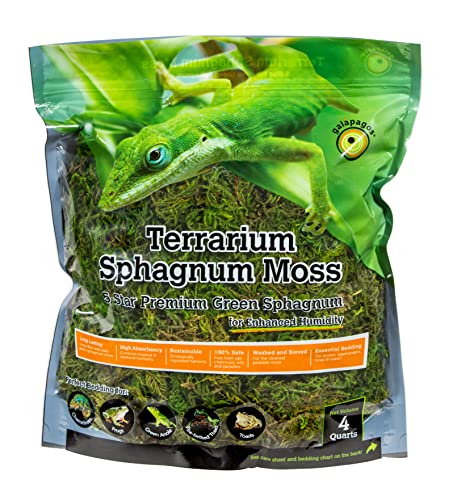
3. Galápagos Terrarium Sphagnum Moss
Editor's Choice
Galápagos Terrarium Sphagnum Moss
Pros
- •Effectively locks in surface humidity for increased ambient moisture
- •Provides a soft, naturalistic surface for partial emergence and comfort
- •Excellent for creating humid hides or nesting spots
- •Adds to the natural aesthetic of a terrarium
Cons
- •Not suitable as a standalone primary substrate for burrowing
- •Requires regular misting to maintain hydration levels
- •Can become compacted over time, requiring fluffing or replacement
Bottom Line
A versatile substrate topper, this long-strand sphagnum moss effectively boosts surface humidity and offers a soft, natural texture. It complements primary substrates by mimicking natural leaf litter for burrowing amphibians.
4. ReptiSoil Terrarium Substrate
Budget Pick
ReptiSoil Terrarium Substrate
Pros
- •Convenient pre-mixed blend, ready to use out of the bag
- •Balances good moisture retention with sufficient drainage
- •Supports comfortable burrowing for Pac-Man frogs
- •Suitable for beginners seeking an all-in-one primary substrate
Cons
- •May not be optimal for advanced bioactive setups without additional amendments
- •Drainage can be less robust than dedicated drainage layers in deep setups
- •Contains sand, which some keepers prefer to avoid for amphibian enclosures
Bottom Line
This pre-mixed substrate offers a balanced blend of peat, sand, and soil, providing both moisture retention and adequate drainage. It's a practical choice for new keepers seeking a straightforward, ready-to-use option.
5. LECA Drainage Layer Clay Balls
Best Value
LECA Drainage Layer Clay Balls
Pros
- •Prevents waterlogging of the main substrate, crucial for health
- •Helps maintain consistent, stable moisture levels in the terrarium
- •Essential component for successful bioactive setups
- •Promotes better air circulation within the substrate layers
Cons
- •Requires a separation barrier (e.g., mesh) between LECA and main substrate
- •Adds significant height to the overall substrate depth
- •Not a primary substrate; must be used in conjunction with other materials
Bottom Line
These lightweight expanded clay aggregate (LECA) balls form a crucial drainage layer, preventing substrate saturation and root rot. They are indispensable for maintaining stable moisture conditions, particularly in bioactive terrariums.
The Best Pac-Man Frog Substrate Options
1. Coconut Fiber (Coco Coir) — Best All-Around Option
Coconut fiber substrate is the most popular choice among Pac-Man frog keepers, and for good reason. It's made from the husks of coconuts, so it's completely natural and free of harmful additives.
Coco coir holds moisture incredibly well. It stays damp without getting soggy, which is exactly what Pac-Man frogs need. It's also soft enough for easy burrowing, which keeps your frog calm and unstressed.
Pros:
- Excellent moisture retention
- Soft and easy to burrow
- Widely available and affordable
- Resists mold better than many alternatives
Cons:
- Doesn't provide as much enrichment as bioactive mixes
- Needs regular replacement (every 4–6 weeks)
Aim for a depth of at least 4 inches — your frog needs enough room to completely bury itself.
2. Bioactive Soil Mix — Best for Long-Term Keepers
A bioactive substrate is a living ecosystem in a box. You mix organic topsoil, coconut fiber, and sometimes sand or leaf litter, then add cleanup crew organisms like isopods and springtails. These tiny creatures break down waste, which means you rarely need to do a full substrate change.
This is probably the closest you can get to replicating a Pac-Man frog's wild environment. The soil stays biologically active, moisture levels stay consistent, and you can even grow live plants on top.
If you want to go this route, check out our guide on Best Bioactive Substrate Kits: Top Picks Reviewed — it covers everything you need to build a functional bioactive enclosure from scratch.
A good DIY bioactive mix ratio:
| Component | Ratio | Purpose |
|---|---|---|
| Organic topsoil (no additives) | 60% | Base structure, nutrient content |
| Coconut fiber | 30% | Moisture retention |
| Play sand or orchid bark | 10% | Drainage, texture |
Pros:
- Self-cleaning with isopods and springtails
- Mimics natural habitat closely
- Great for mental enrichment
- Plants can grow in it
Cons:
- More complex to set up
- Requires sourcing isopods/springtails
- Takes a few weeks to fully establish
3. ReptiSoil — Best Commercial Mix
[ReptiSoil](https://www.amazon.com/dp/B01MFA1RM7?tag=krawlo-20 is a pre-blended commercial substrate designed specifically for reptiles and amphibians. It's a mix of peat moss, sand, and soil — which happens to work really well for Pac-Man frogs.
Many keepers ask: Is ReptiSoil good for Pac-Man frogs? Yes, it is. It holds moisture well, drains better than pure coco coir, and supports burrowing. It's also a solid base if you want to add it to a bioactive mix.
The main downside is cost — it's pricier per gallon than DIY mixes. But the convenience makes it worth it for beginners.
Pros:
- Ready to use out of the bag
- Good moisture retention and drainage balance
- Works well as a standalone or bioactive base
Cons:
- More expensive than coco coir blocks
- Not as widely available in all regions
4. Sphagnum Moss — Best for Supplemental Use
[Sphagnum moss](https://www.amazon.com/dp/B0CL4L8M1V?tag=krawlo-20 on its own isn't ideal as a primary substrate — it can be too loose for burrowing. But it's excellent when layered on top of coco coir or a bioactive mix.
A layer of moist sphagnum on the surface helps lock in humidity and gives your frog a soft, comfortable place to sit when it's partially emerged. It also looks great and adds a naturalistic feel to the enclosure.
You can also use it to create humid hides, which Pac-Man frogs appreciate during shedding.
Pros:
- Excellent humidity retention
- Natural, soft texture
- Great as a topper layer
Cons:
- Too loose for use as a primary substrate alone
- Can break down and get mushy if overwatered
5. Topsoil + Coco Coir Blend — Best Budget Option
If you want a great substrate without spending much, mixing plain organic topsoil (no fertilizers, no perlite) with coco coir is one of the best budget-friendly options out there.
Use a 50/50 ratio. The topsoil adds structure and weight for burrowing, while the coco coir manages moisture retention. It's essentially a simplified bioactive base without the live organisms.
Just make sure the topsoil is completely additive-free. Check the bag carefully — no "moisture control," no slow-release fertilizer, no wetting agents.
Pros:
- Very affordable
- Easy to source from garden centers
- Good burrowing texture
Cons:
- Needs careful sourcing to avoid harmful additives
- No self-cleaning properties
What to Avoid
Not all substrates are safe. Some popular options in pet stores can actually harm your Pac-Man frog.
Gravel and rocks — These don't hold moisture and can injure your frog's soft skin. Pac-Man frogs sometimes try to eat substrate with prey items, and rocks are a serious impaction risk.
Sand alone — Fine sand packs down and doesn't support healthy burrowing. It also retains very little moisture. A small amount mixed into a bioactive blend is fine, but never use sand as a standalone substrate.
Reptile carpet — This is a hard no. Pac-Man frogs can't burrow in carpet, and the rough texture can abrade their skin. Toes and legs can also get caught in the fibers.
Cedar or pine shavings — The aromatic oils in these woods are toxic to amphibians. Never use them.
Fertilized potting mix — Even if it smells earthy and looks natural, potting mixes often contain slow-release fertilizers that will poison your frog over time.
How Wet Should the Substrate Be?
This is one of the most common questions new Pac-Man frog keepers ask — and it's the right question to ask.
The substrate should feel like a wrung-out sponge. Damp, but not dripping. If you squeeze a handful and water runs freely, it's too wet. If it crumbles and feels dry, it's too dry.
A simple test: press your finger about an inch into the substrate. It should feel cool and moist, not soggy.
Here's a practical moisture guide:
| Substrate Condition | What You See/Feel | What to Do |
|---|---|---|
| Too dry | Cracks on surface, substrate crumbles | Mist heavily with dechlorinated water |
| Just right | Cool, damp, holds shape when squeezed | Maintain — mist lightly as needed |
| Too wet | Water pools on surface, smells musty | Add dry substrate, improve drainage |
Check moisture levels every day, especially in low-humidity environments. Pac-Man frogs in overly dry setups will enter estivation — a stress response where they form a cocoon of dried mucus to prevent water loss. This is a survival mechanism, not a sign of good husbandry.
Substrate Depth — Don't Skimp Here
Pac-Man frogs need depth. A thin layer of substrate is one of the most common mistakes new keepers make.
Aim for a minimum of 4 inches of substrate. For larger adult frogs (especially females, which can reach 5+ inches), 5–6 inches is even better. Your frog should be able to completely disappear under the surface with room to spare.
Deep substrate also helps regulate temperature and humidity more consistently, which reduces your maintenance burden.
Setting Up a Pac-Man Frog Enclosure
Once you've chosen your substrate, here's how to set up the enclosure correctly.
Step 1: Add a drainage layer (optional but recommended) For bioactive setups, add 1–2 inches of clay balls or LECA (lightweight expanded clay aggregate) at the bottom, separated from the substrate by a mesh layer. This prevents the substrate from becoming waterlogged.
Step 2: Add substrate Fill to at least 4 inches. For coco coir, pre-hydrate according to package instructions. For DIY mixes, pre-moisten before adding to the enclosure.
Step 3: Add a hide and some leaf litter Pac-Man frogs appreciate a simple hide and a scattering of dried leaf litter on the surface. Leaf litter adds enrichment and helps retain surface moisture.
Step 4: Place a shallow water dish Even though your frog absorbs water through its skin, a shallow water dish (no deeper than your frog's chin) gives it an additional hydration source. Change the water daily.
Step 5: Mist and monitor Mist one side of the enclosure daily. Keeping one end slightly drier than the other gives your frog a moisture gradient — it can choose how damp it wants to be.
For more guidance on full enclosure setup, our Pac-Man Frog Care Guide: Everything You Need to Know covers temperatures, lighting, and feeding in detail.
How Often to Change the Substrate
For non-bioactive setups, plan on a full substrate change every 4–6 weeks — sooner if it starts smelling bad or looks discolored.
In between changes, spot-clean waste as soon as you see it. Pac-Man frogs are ambush predators, not particularly mobile, so waste tends to concentrate in one area.
Bioactive setups can go months or even years without a full change if the cleanup crew is established and thriving. Just top off with fresh substrate occasionally as it compacts.
Choosing the Right Substrate for Your Setup
Here's a quick decision guide:
| Situation | Best Choice |
|---|---|
| First-time keeper | Coconut fiber (coco coir) |
| Want low maintenance long-term | Bioactive soil mix |
| Prefer a ready-made bag | ReptiSoil |
| Tight budget | Topsoil + coco coir 50/50 blend |
| Want added humidity and enrichment | Add sphagnum moss as a topper |
There's no single "best" answer — it depends on your goals, budget, and how hands-on you want to be. But any of the options above, set up correctly, will keep your Pac-Man frog healthy and comfortable.
For keepers interested in naturalistic setups across species, our breakdown of Best Substrate for Leopard Geckos: A Complete Guide shows how substrate principles apply across different types of reptile enclosures.
Final Thoughts
The best Pac-Man frog substrate is one that's moist, deep, soft, and free of anything toxic. Coconut fiber is the safest starting point for beginners. As you get more comfortable, a bioactive mix gives your frog the richest, most naturalistic environment possible.
Whatever you choose, check moisture levels daily, keep the substrate deep enough for burrowing, and do regular spot-cleaning. Your frog will reward you with years of camouflaged, round, slightly grumpy charm.
Our Final Verdict

Zoo Med Eco Earth Coconut Fiber Substrate
A highly popular and natural substrate, this coconut fiber product excels at moisture retention, crucial for Pac-Man frogs. Its additive-free composition makes it a safe and reliable choice for primary terrarium bedding.

Josh's Frogs BioBedding Tropical Substrate
This pre-blended substrate is designed for bioactive terrariums, providing a rich environment that fosters live plants and cleanup crews. It offers a naturalistic and self-sustaining ecosystem for tropical amphibian species.
Galápagos Terrarium Sphagnum Moss
A versatile substrate topper, this long-strand sphagnum moss effectively boosts surface humidity and offers a soft, natural texture. It complements primary substrates by mimicking natural leaf litter for burrowing amphibians.
Frequently Asked Questions
Coconut fiber (coco coir) is the best substrate for most Pac-Man frog keepers. It retains moisture well, is soft enough for burrowing, and is free of harmful additives. For more experienced keepers, a bioactive soil mix with coconut fiber, organic topsoil, and a cleanup crew is an excellent long-term option.
References & Sources
- https://www.thebiodude.com/blogs/frog-caresheets/care-and-bioactive-maintenance-of-the-pacman-frog?srsltid=AfmBOoqbbapUSdlJZSJ8uo7Zmm5bn2XdQRY5fDC3patD3QesxumgH3YH
- https://www.petmd.com/reptile/pacman-frog-care-sheet
- https://dubiaroaches.com/blogs/amphibian-care/pacman-frog-care-sheet?srsltid=AfmBOopNlEG3bjcVlXyUTNWSL2M2vaHOU97VVMPLM5Oz9LwluknPNZ0P
- https://www.thesprucepets.com/pacman-frogs-as-pets-1236716
Related Articles

Best Pac-Man Frog Enclosure: Top Tanks Reviewed
Find the best Pac-Man frog enclosure for your horned frog. We cover top tanks, substrate, heating, humidity, and full setup tips for a thriving frog.

Best Substrate for Pacman Frog: A Keeper's Guide (2026)
Choosing the best substrate for your Pacman frog is crucial for their health. Our 2026 guide reviews top picks like coco fiber and bioactive mixes, and what to avoid.

Best White's Tree Frog Substrate: Top 5 Picks
Find the best White's tree frog substrate to keep your frog healthy and thriving. We compare coconut fiber, bioactive mixes, sphagnum moss, and more.