Best Substrate for Box Turtle: Create a Healthy Habitat
Discover the best substrate for your box turtle to ensure a healthy and stimulating environment. From natural to DIY options, we've got you covered.


This article contains affiliate links. If you make a purchase through these links, we may earn a small commission at no extra cost to you. See our affiliate disclosure for details.
We recommend 5 picks here. Our top choice is the Zoo Med Eco Earth — check price and availability below.
How we choose: we compare published specifications against the care requirements in veterinary and species-care literature, and weigh those against what long-time keepers report. We do not test products ourselves and we do not restate Amazon star ratings. The 4 sources behind this article are listed at the bottom.
Quick Comparison
- Product Category
- Substrate
- Primary Benefit
- Burrowing & Humidity
- Estimated Price Range
- $10-20
- Electrical Requirement
- No
- UVB Output
- N/A
- Product Category
- Substrate
- Primary Benefit
- High Humidity Retention
- Estimated Price Range
- $15-25
- Electrical Requirement
- No
- UVB Output
- N/A
- Product Category
- Lighting
- Primary Benefit
- Vitamin D3 Synthesis
- Estimated Price Range
- $30-45
- Electrical Requirement
- Yes
- UVB Output
- 10.0 UVB
- Product Category
- Heating
- Primary Benefit
- Thermal Gradient Creation
- Estimated Price Range
- $10-20
- Electrical Requirement
- Yes
- UVB Output
- None
- Product Category
- Monitoring
- Primary Benefit
- Environmental Monitoring
- Estimated Price Range
- $10-15
- Electrical Requirement
- Yes (Battery)
- UVB Output
- N/A
Prices are estimates only. Actual prices on Amazon may vary.
When it comes to creating a healthy and stimulating environment for your box turtle, one of the most critical elements is the choice of substrate. The right substrate can significantly impact your turtle's health, behavior, and overall well-being. In this guide, we'll explore the best substrates for box turtles, their benefits, and how to choose the perfect one for your pet.
Understanding Box Turtle Habitats
Box turtles, like the Eastern Box Turtle (Terrapene carolina carolina), are terrestrial and semi-aquatic species. They need a habitat that mimics their natural environment, which includes areas for burrowing, moisture, and temperature regulation. A well-designed enclosure with the right substrate can help your turtle thrive.
Why Substrate Matters
Substrate is the material you place at the bottom of your turtle's enclosure. It's not just a cosmetic choice; it plays a crucial role in several aspects of your turtle's life:
- Moisture Retention: Box turtles need a humid environment to stay healthy, and the right substrate can help maintain the humidity levels.
- Burrowing: Turtles love to dig and hide. A substrate that allows for burrowing provides them with a sense of security and natural behavior.
- Temperature Regulation: Some substrates can help maintain a stable temperature, which is essential for your turtle's metabolism and health.
- Hygiene and Cleanliness: A good substrate is easy to clean and doesn't contribute to odor or bacterial buildup.
Top Substrate Picks for Box Turtles
Quick recommendations
Natural, specifically designed for reptiles, excellent for burrowing and moisture retention
Highly absorbent coconut fiber, soft for burrowing, maintains consistent moisture
Natural appearance, good moisture retention, very affordable option
Adds humidity layers and creates natural hiding spaces when combined with other substrates
Box Turtle Setup Checklist
Everything you need to get started
Critical Substrate Mistakes to Avoid
What you need to know
Never use sand, gravel, or pine shavings — they cause impaction and toxicity
Maintain 60-80% humidity with daily misting and a hygrometer to prevent respiratory issues
Provide deep, burrowing-friendly substrate — essential for security and natural behavior
Perform regular spot cleaning and deep cleaning to prevent bacterial growth and odor buildup
Box Turtle Humidity Quick Reference
Target Humidity
60-80%
Critical for respiratory health
Monitoring Tool
Digital Hygrometer
Zoo Med Digital Hygrometer recommended
Daily Care
Mist Substrate
Keep environment consistently humid
Water Features
Dish + Hide Box
Both help maintain humidity levels
Detailed Reviews
1. Zoo Med Eco Earth
Best Overall
Zoo Med Eco Earth
Pros
- •Promotes natural burrowing behavior, offering security and enrichment.
- •Excellent moisture retention helps maintain high humidity levels within the enclosure.
- •Made from natural coconut fiber, providing a safe and non-toxic environment.
- •Aids in temperature regulation by insulating the enclosure floor.
Cons
- •May require frequent misting to maintain optimal humidity, depending on climate.
- •Can be dusty if allowed to dry out completely, potentially irritating respiratory systems.
- •Finer texture might get ingested accidentally during feeding.
Bottom Line
This natural coconut fiber substrate creates an ideal environment for box turtles, promoting natural burrowing behaviors and excellent moisture retention. It is specifically designed to be safe for reptiles, aiding in humidity regulation crucial for turtle health.
2. Zoo Med Forest Floor
Editor's Choice
Zoo Med Forest Floor
Pros
- •Highly absorbent, effectively holding moisture to increase ambient humidity.
- •Provides a natural texture that is ideal for burrowing and nesting behaviors.
- •Durable and long-lasting, requiring less frequent replacement than some other substrates.
- •Contributes to a naturalistic aesthetic, enhancing the enclosure's appearance.
Cons
- •Can potentially harbor mold if consistently oversaturated and poorly ventilated.
- •Larger pieces might be difficult for very small hatchlings to navigate or burrow through.
- •Slightly more prone to breaking down over time, necessitating spot cleaning for decay.
Bottom Line
This cypress mulch substrate is highly valued for its exceptional absorbency and ability to maintain consistent humidity levels within reptile enclosures. Its natural composition supports a healthy environment, mimicking the forest floor for terrestrial species.
3. Zoo Med Reptisun 10.0
Premium Pick
Zoo Med Reptisun 10.0
Pros
- •Provides essential UVB radiation for Vitamin D3 production, critical for calcium metabolism.
- •Supports strong shell growth and bone health, preventing metabolic bone disease.
- •Full-spectrum light output can also enhance natural colors and stimulate appetite.
- •Long-lasting and reliable performance, reducing the frequency of bulb replacement.
Cons
- •Requires regular replacement (typically every 6-12 months) even if still emitting visible light.
- •Placement and distance from the turtle must be carefully managed to prevent overexposure.
- •Higher initial cost compared to standard incandescent bulbs.
Bottom Line
This UVB bulb is crucial for captive box turtles, facilitating Vitamin D3 synthesis which is vital for calcium absorption. Consistent use ensures strong shell development and prevents common metabolic bone diseases.
4. Zoo Med Basking Spot Lamp
Best Value
Zoo Med Basking Spot Lamp
Pros
- •Creates a concentrated basking spot, allowing turtles to regulate their body temperature effectively.
- •Promotes proper digestion and overall metabolic health for the turtle.
- •Easy to install in standard reptile lamp fixtures.
- •Available in various wattages to suit different enclosure sizes and ambient temperatures.
Cons
- •Does not emit UVB, so a separate UVB source is required.
- •Generates heat, which can quickly dry out the substrate if not monitored.
- •Lifespan can be shorter than specialized heating elements if subjected to frequent power cycles.
Bottom Line
This basking lamp delivers focused heat to create a precise warm spot crucial for a box turtle's thermoregulation and digestion. It ensures your turtle can properly metabolize food and maintain optimal body temperature.
5. Zoo Med Digital Hygrometer
Budget Pick
Zoo Med Digital Hygrometer
Pros
- •Provides accurate digital readings for precise humidity monitoring.
- •Helps prevent respiratory infections and shedding problems associated with incorrect humidity.
- •Often includes temperature monitoring, offering dual functionality for environmental control.
- •Easy to read and typically features a simple installation method within the enclosure.
Cons
- •Requires periodic calibration or replacement to ensure long-term accuracy.
- •Batteries will need to be replaced periodically.
- •Can be damaged if directly exposed to excessive water or submerged.
Bottom Line
This digital hygrometer provides accurate, real-time measurements of humidity, an essential parameter for box turtle health. It enables keepers to precisely monitor and adjust enclosure conditions, preventing issues related to improper moisture.
Best Substrates for Box Turtles
1. Reptile Bark and Wood Chips
Reptile bark and wood chips are popular choices for box turtle substrates. They are natural, provide a good texture for burrowing, and help retain moisture. Zoo Med Eco Earth is a highly recommended product, as it's specifically designed for reptiles and is safe for your pet.
(Estimates only — actual prices on Amazon may vary.)
2. Coconut Fiber (Coir)
Coconut fiber, or coir, is another excellent substrate for box turtles. It's highly absorbent, which helps maintain humidity, and it's soft and comfortable for burrowing. Zoo Med Forest Floor is a great coconut fiber product that many keepers swear by.
(Estimates only — actual prices on Amazon may vary.)
3. Orchid Bark
Orchid bark is a bit coarser than reptile bark but still provides a natural look and feel. It's also good at retaining moisture and can help with humidity control. Zoo Med Cypress Mulch is a common choice and is very affordable.
(Estimates only — actual prices on Amazon may vary.)
4. Moss
Moss, particularly sphagnum moss, can be used in combination with other substrates to create a more complex and natural environment. It adds an extra layer of humidity and can be a great place for your turtle to hide. Aldovapet Sphagnum Moss is a well-reviewed product that works well for this purpose.
(Estimates only — actual prices on Amazon may vary.)
5. Leaf Litter
Leaf litter, such as oak or maple leaves, can be collected from your backyard and used as a substrate. It's a natural material that turtles would encounter in the wild, and it provides excellent hiding places. Just make sure to clean the leaves thoroughly before use.
6. Paper Towels (For Baby Turtles)
For baby box turtles, paper towels can be a good substrate. They are easy to clean and replace, and you don't have to worry about your turtle ingesting small particles. However, once your turtle grows, you should transition to a more natural substrate.
Substrate Comparison Table
| Substrate Type | Benefits | Drawbacks | Best for |
|---|---|---|---|
| Reptile Bark | Natural look, good for burrowing, moisture retention | Can be dusty, requires regular spot cleaning | Adults |
| Coconut Fiber | Highly absorbent, soft, good for humidity | Can compact over time, needs frequent moisture | Adults |
| Orchid Bark | Natural look, moisture retention, affordable | Can be too coarse for sensitive species | Adults |
| Moss | Adds humidity, great hiding places | Can decay and require frequent replacement | Adults |
| Leaf Litter | Natural, free, excellent hiding spots | Can harbor pests, needs cleaning | Adults |
| Paper Towels | Easy to clean, safe for ingestion | Not natural, less stimulating | Babies |
Common Mistakes to Avoid
1. Using Unsafe Substrates
Avoid substrates like sand, gravel, or pine shavings, as they can be harmful to your turtle. Sand and gravel can cause impaction if ingested, while pine shavings can be toxic.
2. Not Maintaining the Right Humidity
Box turtles require a humid environment to prevent respiratory issues. Ensure your substrate can help maintain a humidity level of 60-80%. Using a hygrometer can help you monitor this.
3. Ignoring Burrowing Needs
Box turtles are natural burrowers. If your substrate is too hard or compact, your turtle won't be able to dig, which can lead to stress and behavioral problems.
4. Overlooking Cleanliness
Regular spot cleaning and occasional deep cleaning are essential to keep your turtle's environment healthy. Avoid substrates that are hard to clean or that can contribute to bacterial growth.
Eastern Box Turtle Enclosure Size Requirements
Before we dive deeper into substrates, it's important to understand the size of the enclosure your box turtle needs. A general rule of thumb is to provide at least 10 gallons of space per inch of your turtle's shell length. For an average adult Eastern Box Turtle with a shell length of 5-6 inches, a 50-60 gallon tank is a good starting point.
Lighting & UVB for Eastern Box Turtles
Box turtles need both heat and UVB lighting to stay healthy. UVB lighting helps them synthesize Vitamin D3, which is crucial for calcium metabolism and strong shell growth. Use a Zoo Med Reptisun 10.0 bulb to provide the necessary UVB exposure.
(Estimates only — actual prices on Amazon may vary.)
Eastern Box Turtle Temperatures & Heating Requirements
Maintaining the right temperature is essential for your turtle's well-being. The basking spot should be around 85-90°F (29-32°C), while the cooler side of the enclosure should be around 70-75°F (21-24°C). Use a Zoo Med Basking Spot Lamp to achieve this.
(Estimates only — actual prices on Amazon may vary.)
Eastern Box Turtle Humidity Requirements
Humidity levels are crucial for box turtles. Aim for a consistent humidity of 60-80%. To achieve this, use a Zoo Med Digital Hygrometer and mist the substrate daily. You can also add a larger water dish or a humid hide box to help maintain the humidity.
(Estimates only — actual prices on Amazon may vary.)
Decorating Your Eastern Box Turtle Enclosure
A well-decorated enclosure can enhance your turtle's environment and provide enrichment. Consider adding the following items:
- Hiding Places: Box turtles love to hide. Provide several hiding spots using Zoo Med Turtle Hide or similar products.
- Plants: Live or artificial plants can make the enclosure more natural and reduce stress. Exo Terra Live Terrarium Moss Carpet is a great option for live plants.
- Rocks and Logs: These can create a more natural landscape and provide areas for your turtle to explore and climb.
(Estimates only — actual prices on Amazon may vary.)
Shopping List for Your Box Turtle Habitat
To create the perfect habitat for your box turtle, you'll need the following items:
- Enclosure: 50-60 gallon tank or outdoor pen.
- Substrate: Choose from the options listed above, depending on your turtle's needs.
- Heat Lamp: Zoo Med Basking Spot Lamp or similar.
- UVB Bulb: Zoo Med Reptisun 10.0.
- Hygrometer: Zoo Med Digital Hygrometer.
- Hiding Places: Zoo Med Turtle Hide.
- Water Dish: A shallow, wide dish for soaking.
- Plants: Live or artificial plants.
- Rocks and Logs: For natural landscaping.
(Estimates only — actual prices on Amazon may vary.)
Nutritional Considerations
While the substrate is crucial, don't forget about your turtle's nutritional needs. Box turtles are omnivores and require a balanced diet of insects, fruits, and vegetables. Check out our guide on the best aquatic turtle food for more detailed information on feeding.
Other Items to Consider
1. Misting System
A misting system can help maintain the required humidity levels and reduce the need for daily manual misting. Exo Terra Monsoon Rainfall System is a popular choice that many keepers recommend.
(Estimates only — actual prices on Amazon may vary.)
2. Humid Hide Box
A humid hide box can provide a consistent high-humidity area for your turtle. Zoo Med Reptile Cave can be filled with moist sphagnum moss or coconut fiber to create this environment.
(Estimates only — actual prices on Amazon may vary.)
3. Thermometer
A thermometer is essential for monitoring the temperature in your turtle's enclosure. Zoo Med Digital Thermometer is a reliable and affordable option.
(Estimates only — actual prices on Amazon may vary.)
Conclusion
Choosing the best substrate for your box turtle is a crucial step in creating a healthy and stimulating environment. Whether you opt for a natural substrate like coconut fiber or a combination of materials, always prioritize your turtle's safety and well-being. Remember to maintain the right humidity, temperature, and cleanliness to ensure your pet thrives. If you're looking for more tips on setting up your turtle's environment, check out our guide on box turtle tank setup.
Happy keeping!
Our Final Verdict

Zoo Med Eco Earth
This natural coconut fiber substrate creates an ideal environment for box turtles, promoting natural burrowing behaviors and excellent moisture retention. It is specifically designed to be safe for reptiles, aiding in humidity regulation crucial for turtle health.

Zoo Med Forest Floor
This cypress mulch substrate is highly valued for its exceptional absorbency and ability to maintain consistent humidity levels within reptile enclosures. Its natural composition supports a healthy environment, mimicking the forest floor for terrestrial species.
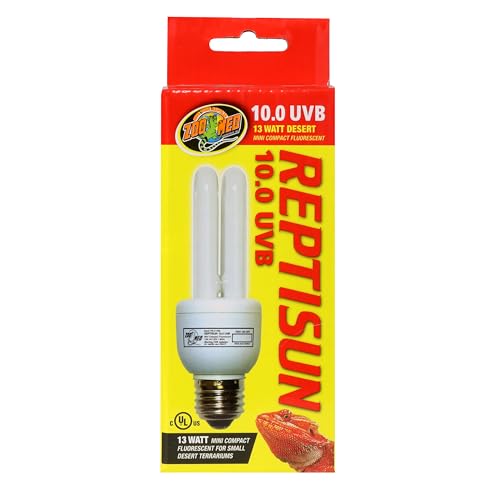
Zoo Med Reptisun 10.0
This UVB bulb is crucial for captive box turtles, facilitating Vitamin D3 synthesis which is vital for calcium absorption. Consistent use ensures strong shell development and prevents common metabolic bone diseases.
Frequently Asked Questions
The best bedding for box turtles is a substrate that mimics their natural environment, such as reptile bark, coconut fiber, or orchid bark. These materials provide good burrowing, moisture retention, and a natural feel.
References & Sources
Related Articles

Best Substrate for Aquatic Turtles: Sand or Gravel?
Choosing the best substrate for aquatic turtles affects water quality, health, and behavior. Here's what actually works — and what to avoid.

Best Substrate for Dart Frogs: Top Picks & Tips
Discover the best substrates for dart frogs, including DIY and commercial options, to create a thriving bioactive terrarium.

Best Box Turtle Bedding: 7 Top Substrates Compared
Discover the best box turtle bedding options for creating a healthy, stimulating, and safe habitat. Learn how to choose, set up, and maintain ideal substrate for your pet.