Best Substrate for Boa Constrictors: Complete Guide
Choosing the best substrate for boa constrictors affects humidity, hygiene, and health. Learn which beddings work, which to skip, and how to keep the enclosure clean.


This article contains affiliate links. If you make a purchase through these links, we may earn a small commission at no extra cost to you. See our affiliate disclosure for details.
We recommend 5 picks here. Our top choice is the Coconut Fiber Substrate (Compressed Brick) — check price and availability below.
How we choose: we compare published specifications against the care requirements in veterinary and species-care literature, and weigh those against what long-time keepers report. We do not test products ourselves and we do not restate Amazon star ratings. The 6 sources behind this article are listed at the bottom.
Quick Comparison
- Product Type
- Substrate
- Humidity Support
- High
- Impaction Risk (if ingested)
- Low
- Antimicrobial Properties
- No (resists mold)
- Primary Function
- Bedding/Burrowing
- Product Type
- Substrate
- Humidity Support
- Medium (when mixed)
- Impaction Risk (if ingested)
- Low (medium grade)
- Antimicrobial Properties
- No
- Primary Function
- Drainage/Texture in Mixes
- Product Type
- Humidity Monitor
- Humidity Support
- N/A (measures)
- Impaction Risk (if ingested)
- N/A
- Antimicrobial Properties
- N/A
- Primary Function
- Humidity Monitoring
- Product Type
- Substrate
- Humidity Support
- Moderate
- Impaction Risk (if ingested)
- Low
- Antimicrobial Properties
- Yes (natural)
- Primary Function
- Budget Bedding
- Product Type
- Cleaner
- Humidity Support
- N/A (cleaner)
- Impaction Risk (if ingested)
- N/A
- Antimicrobial Properties
- Yes (chemical)
- Primary Function
- Enclosure Disinfection
Prices are estimates only. Actual prices on Amazon may vary.
The floor of your boa's enclosure matters more than most people realize. The right substrate holds humidity, feels natural underfoot, and makes cleanup easy. The wrong one can cause respiratory infections, skin burns, or even a dangerous impaction.
Choosing the best substrate for boa constrictors doesn't have to be complicated. This guide breaks it all down — what works great, what's okay in a pinch, and what you should never put in your boa's tank.
What Makes a Good Boa Substrate?
Before we jump into specific products, it helps to understand what your boa actually needs from its bedding.
Boa constrictors are tropical to subtropical snakes. Most come from humid environments in Central and South America. They need enclosure humidity between 60–80%, and the right substrate plays a huge role in hitting that target.
A good boa substrate should:
- Hold moisture without staying soggy or growing mold quickly
- Be loose enough for partial burrowing — boas like to dig in a bit
- Be safe to ingest in small amounts (they will accidentally swallow some during feeding)
- Control odor between cleanings
- Look natural — this matters more for your enjoyment than your boa's, honestly
Keep those criteria in mind as we go through the options.
What Makes a Good Boa Substrate
What you need to know
Hold moisture without staying soggy or growing mold quickly
Be loose enough for partial burrowing — boas like to dig in a bit
Be safe to ingest in small amounts (they will accidentally swallow some during feeding)
Control odor between cleanings
Look natural — matters more for your enjoyment than your boa's
Best Substrates for Boa Constrictors
Quick recommendations
Holds humidity extremely well, resists mold, affordable, and allows easy burrowing
Excellent humidity retention with superior airflow; breaks down every 3–6 months
50/50 blend combines moisture retention with drainage; ideal for bioactive setups
Natural antimicrobial properties, resists mold, widely available at hardware stores
Supports bioactive enclosures with live plants and cleanup crews; reduces long-term maintenance
Coconut Fiber vs Orchid Bark: Head-to-Head
Side-by-side comparison
| Feature | Coconut Fiber | Orchid Bark |
|---|---|---|
| Humidity Retention | Excellent — holds moisture very well | Excellent — while allowing airflow |
| Burrowing Ability | ★Great — soft and easy to dig | Good — chunky texture less ideal |
| Mold Resistance | Good — resists mold better than expected | ★Excellent — natural drainage prevents swampy spots |
| Longevity | ★Long-lasting, less frequent replacement | Requires full replacement every 3–6 months |
| Cost | ★Affordable, especially in bulk bricks | Moderate cost, resets every few months |
| Aesthetic Appeal | Earthy appearance, less dramatic | ★Naturalistic chunky look, more visual appeal |
Our Take: Both are excellent choices. Pick Coco Fiber for value and burrowing; pick Orchid Bark for aesthetics and airflow.
Detailed Reviews
1. Coconut Fiber Substrate (Compressed Brick)
Best Overall
Coconut Fiber Substrate (Compressed Brick)
Pros
- •Exceptional humidity retention, crucial for boa respiratory health
- •Soft, earthy texture facilitates natural burrowing instincts
- •Affordable and expands significantly from compressed bricks
- •Resists mold growth better than many organic substrates
Cons
- •Can become dusty if allowed to dry out completely
- •May require regular re-moistening in arid environments
- •Spot cleaning can be slightly messy if not managed regularly
Bottom Line
This widely recommended substrate excels at maintaining high humidity levels critical for boa constrictors. Its soft texture supports natural burrowing behaviors while being safe if accidentally ingested.
2. Orchid Bark (Medium Grade)
Editor's Choice
Orchid Bark (Medium Grade)
Pros
- •Enhances substrate drainage, preventing overly soggy conditions
- •Adds natural texture and visual appeal to enclosures
- •Medium grade minimizes the risk of accidental impaction
- •Supports a naturalistic environment when used in blends
Cons
- •Not recommended as a standalone substrate for boas due to lower humidity retention
- •May require more frequent replacement than some other options
- •Can be pricier than basic cypress mulch alternatives per volume
Bottom Line
Medium-grade orchid bark is an excellent addition to substrate mixes, providing superior drainage and a naturalistic texture. It's particularly effective when combined with coco fiber to prevent waterlogging and promote a healthy biome.
3. Reptile Digital Hygrometer
Editor's Choice
Reptile Digital Hygrometer
Pros
- •Provides accurate, real-time humidity readings (60-80% target)
- •Essential for preventing respiratory infections and shedding issues
- •Allows for precise adjustments to misting or substrate moisture
- •Easy-to-read digital display for quick environmental checks
Cons
- •Requires periodic battery replacement for continuous operation
- •Placement within the enclosure can impact reading accuracy
- •Does not directly contribute to humidity, only measures it
Bottom Line
A reliable digital hygrometer is an indispensable tool for every boa constrictor owner to accurately monitor enclosure humidity. It ensures precise environmental control, crucial for preventing common reptile ailments.
4. Cypress Mulch Reptile Substrate
Budget Pick
Cypress Mulch Reptile Substrate
Pros
- •Budget-friendly, reducing costs for large setups
- •Possesses natural antimicrobial properties, aiding hygiene
- •Holds moderate humidity, contributing to overall enclosure levels
- •Provides a naturalistic substrate for burrowing and aesthetic appeal
Cons
- •May not retain humidity as effectively as pure coco fiber
- •Can be prone to dust if kept too dry
- •Less aesthetically uniform compared to finely shredded substrates
Bottom Line
Cypress mulch offers a cost-effective alternative for boa constrictor bedding, especially beneficial for larger enclosures. Its natural antimicrobial properties provide an added layer of hygiene while supporting moderate humidity.
5. F10SC Veterinary Disinfectant
Premium Pick
F10SC Veterinary Disinfectant
Pros
- •Veterinarian-recommended for superior enclosure sanitation
- •Highly effective against a broad spectrum of bacteria and fungi
- •Safe for reptiles when diluted according to manufacturer guidelines
- •Essential for deep cleaning to prevent disease transmission
Cons
- •Requires precise dilution to ensure safety and efficacy
- •Not a substrate or daily cleaner, specific for deep disinfection
- •Higher initial cost compared to general household cleaners
Bottom Line
F10SC is a veterinary-grade disinfectant, widely trusted by reptile professionals for thorough and safe enclosure sterilization. Its potent formula effectively eliminates bacteria and fungi, crucial for maintaining a healthy environment.
The Best Substrates for Boa Constrictors
These are the substrates that consistently perform well. Experienced keepers and herp vets recommend all of them.
Coconut Fiber (Coco Coir)
Coconut fiber is probably the most popular substrate for boas right now — and for good reason. It holds humidity extremely well, resists mold better than you'd expect, and it's affordable.
You'll usually find it sold in compressed bricks. Just add water, and it expands into several gallons of soft, earthy bedding. Your boa can burrow into it easily, and spot cleaning is simple.
The only real downside? It can be a bit dusty when dry. Keep it slightly moist and that's not an issue.
Best for: All boa species, especially red-tail boas that need higher humidity.
Orchid Bark (Fir Bark)
[Orchid bark](https://www.amazon.com/dp/B007UE10PI?tag=krawlo-20 is another excellent choice. It's made from shredded fir tree bark and holds humidity well while staying chunky enough to allow good airflow.
Boas seem to enjoy the texture. It looks attractive in a naturalistic setup, and it drains well so wet spots don't become swampy. Medium or large-grade bark works best — tiny pieces can get impacted in large snakes more easily than bigger chunks.
It breaks down over time, so you'll need to do a full replacement every 3–6 months depending on how large your enclosure is.
Best for: Keepers going for a naturalistic look. Works well alone or mixed with coco fiber.
Coco Fiber + Orchid Bark Mix
Many experienced boa keepers use a mix of 50% coconut fiber and 50% orchid bark. You get the best of both worlds — excellent moisture retention from the coco fiber, with the texture and drainage of the bark.
This combo is especially popular for bioactive setups. If you want to go that route, check out our guide to Best Bioactive Substrate Kits: Top Picks Reviewed for a deeper look at how to set one up from scratch.
Best for: Bioactive enclosures, keepers who want low maintenance long-term.
Cypress Mulch
[Cypress mulch](https://www.amazon.com/dp/B00OBI6P60?tag=krawlo-20 is a tried-and-true option. It holds humidity well, resists mold and bacterial growth naturally (cypress has mild antimicrobial properties), and it's cheap.
You can often find it at garden centers or hardware stores — just make sure it's 100% cypress with no additives, pesticides, or fertilizers. Garden mulch blends are a no-go.
It's not quite as soft as coco fiber for burrowing, but most boas don't mind.
Best for: Budget-conscious keepers, large enclosures where substrate costs add up.
Topsoil and Leaf Litter (Bioactive Setups)
If you're setting up a bioactive enclosure, a base of organic topsoil mixed with play sand (roughly 60/40) makes a great foundation. You layer orchid bark or leaf litter on top.
This setup supports live plants and clean-up crews like springtails and isopods, which break down waste continuously. It's more work upfront but dramatically reduces cleaning labor over time.
Not every keeper wants to go this route, and that's totally fine. But if you enjoy the hobby side of things, it's deeply rewarding. A ball python substrate guide covers similar principles that apply to boas as well.
Best for: Advanced keepers, large permanent enclosures, naturalistic setups.
Okay Substrates (Use With Caution)
These options aren't ideal, but they work in specific situations.
Paper Towels and Newspaper
Paper towels and newspaper are the go-to choice for quarantine setups, new animals, or snakes recovering from illness. They make it easy to monitor droppings and spot potential health problems immediately.
They don't hold humidity at all, so you'll need to mist more frequently or add a humid hide. Long-term, most boas are less comfortable on paper substrates — they can't burrow, and it feels unnatural.
Use them when you need to, then switch to something better once the animal is healthy and settled.
Best for: Quarantine, sick animals, temporary setups only.
Reptile Carpet
[Reptile carpet](https://www.amazon.com/dp/B09FWYM772?tag=krawlo-20 is washable and reusable, which sounds convenient. In practice, it's a mixed bag.
The loops can catch on your boa's scales and even on small teeth, especially during feeding. Bacteria love to hide deep in the fibers, making it harder to truly sanitize. Most experienced keepers have moved away from it.
If you use it, keep two pieces and rotate them so one is always clean and dry. Never let it stay damp.
Best for: Very casual setups where convenience outweighs everything else. Not recommended long-term.
Substrates to Avoid Completely
Some substrates are widely sold but genuinely harmful to boas. Don't use these.
Cedar and Pine Shavings
This is the big one. [Cedar](https://www.amazon.com/dp/B07DGY2H1V?tag=krawlo-20 and pine shavings contain aromatic phenols — natural compounds that make the wood smell nice but are toxic to reptiles. They can cause severe respiratory damage, skin irritation, and even liver problems with prolonged exposure.
Unfortunately, they're still sold in pet stores. Just because it's on the shelf doesn't mean it's safe.
Never use cedar or pine shavings for any reptile.
Sand (Alone)
Sand alone is a poor choice for boas. It doesn't hold humidity well, gets everywhere (including your boa's nostrils and eyes), and can cause impaction if ingested in quantity. Fine sand is especially problematic.
Some keepers use a small amount of coarse play sand mixed into a bioactive substrate — that's fine. But as a standalone substrate? Skip it.
Gravel or Rocks as Sole Substrate
Gravel and decorative rocks might look clean and easy, but they're rough on a boa's ventral scales and can cause abrasions. They also do nothing for humidity. Keep rocks as decor, not bedding.
Artificial Turf
Similar to reptile carpet but worse in some ways. Harder to clean, easier for claws and teeth to get snagged, and provides zero enrichment for burrowing behavior.
Should You Worry About Impaction?
Impaction — a blockage in the digestive tract from ingested substrate — is a real concern, but it's less common in boas than in some other reptiles.
Boas are large snakes with robust digestive systems. Small amounts of coco fiber or orchid bark that get swallowed during feeding typically pass without issue.
That said, a few things increase the risk:
- Feeding on loose substrate directly — use a feeding dish or move your boa to a separate feeding container
- Using very fine substrate like sand — particles are more likely to accumulate
- Feeding a sick or stressed boa — digestive function may already be compromised
The safest habit is to feed your boa in a separate container or on a paper towel placed over the substrate. It takes an extra minute and eliminates most impaction risk.
How Deep Should the Substrate Be?
Aim for at least 3–4 inches of substrate depth. Boas like to partially bury themselves, especially when thermoregulating or preparing to shed. Deeper is better if your enclosure size allows it — 5–6 inches gives them real burrowing opportunities and helps stabilize humidity.
For bioactive setups, you'll want 6 inches or more to support plant roots and your clean-up crew colony.
How to Clean Your Boa's Enclosure
Even the best substrate needs regular maintenance. Here's a simple routine that works.
Spot Cleaning (Every Few Days)
Remove waste as soon as you see it. Use a scoop or gloved hands. With coco fiber or cypress mulch, you can remove just the soiled area without disturbing the whole enclosure. This keeps the tank smelling fresh between deep cleans.
Full Substrate Replacement (Monthly or as Needed)
Every 4–6 weeks, do a full teardown. Remove your boa, empty all the substrate, and wipe down the enclosure walls and decor with a reptile-safe disinfectant like [F10SC](https://www.amazon.com/dp/B00GMLNLIE?tag=krawlo-20 or diluted white vinegar (1:1 ratio with water). Let it dry completely before adding fresh substrate.
In bioactive setups, you don't need to do full replacements — just spot clean and let the clean-up crew do their job. You will, however, need to occasionally thin out substrate or refresh the top layer.
Humidity Maintenance
Mist one side of the enclosure lightly every 1–2 days to maintain 60–80% humidity. Letting one end stay drier gives your boa a humidity gradient to choose from.
A digital hygrometer — placed at mid-level in the enclosure — tells you where humidity actually is. Guessing doesn't work long-term.
Substrate and Temperature: How They Interact
Substrate depth affects how your heat sources work, and it matters more than most beginners expect.
If you're using an under-tank heater (UTH), thick substrate can insulate the heat too much. Your boa won't feel the warmth through 5 inches of damp coco fiber. Most keepers using UTHs keep substrate thinner on the warm side (1–2 inches) and deeper on the cool side.
Overhead heat — ceramic heat emitters, radiant heat panels, or deep heat projectors — works better with thick substrate because the heat comes from above, not below. [Deep heat projectors](https://www.amazon.com/dp/B0C44VQ3LV?tag=krawlo-20 are especially popular in the boa community right now because they penetrate substrate and warm the boa from within, mimicking solar heating.
Whatever setup you use, always verify surface temperatures with a temp gun. Your boa's warm side belly contact zone should be 88–92°F, cool side around 78–82°F.
Substrate Comparison at a Glance
| Substrate | Humidity Retention | Ease of Cleaning | Burrowing | Safe to Ingest? | Cost |
|---|---|---|---|---|---|
| Coconut Fiber | Excellent | Easy (spot clean) | Great | Yes | Low |
| Orchid Bark | Good | Moderate | Good | Yes (large grade) | Medium |
| Coco + Bark Mix | Excellent | Easy | Great | Yes | Medium |
| Cypress Mulch | Good | Easy | Moderate | Yes | Low |
| Topsoil (Bioactive) | Excellent | Minimal | Excellent | Yes | Low |
| Paper Towels | None | Very Easy | None | Yes | Very Low |
| Reptile Carpet | Poor | Hard | None | Not recommended | Medium |
| Cedar/Pine Shavings | Poor | Easy | Moderate | NO — TOXIC | Low |
| Sand (alone) | Poor | Hard | Poor | Not recommended | Low |
Our Top Pick
If you want one recommendation, go with a coco fiber and orchid bark mix. It's affordable, widely available, humidity-stable, and works for virtually every boa species — from common red-tails to Argentine and Hog Island boas.
Buy a few compressed coco fiber bricks and a bag of medium orchid bark, mix them 50/50, and add enough water to make it slightly damp but not wet. Done. Your boa will be comfortable from day one.
If you want to level up your setup over time, consider building a bioactive enclosure — it's genuinely one of the most rewarding parts of the hobby. Our guide to Best Bioactive Substrate Kits: Top Picks Reviewed is a great place to start.
For keepers with multiple snakes, the same substrate principles apply across species. Check out our Best Substrate for Ball Pythons: A Complete Guide for a side-by-side comparison — the logic translates well to boas too.
Our Final Verdict

Coconut Fiber Substrate (Compressed Brick)
This widely recommended substrate excels at maintaining high humidity levels critical for boa constrictors. Its soft texture supports natural burrowing behaviors while being safe if accidentally ingested.

Orchid Bark (Medium Grade)
Medium-grade orchid bark is an excellent addition to substrate mixes, providing superior drainage and a naturalistic texture. It's particularly effective when combined with coco fiber to prevent waterlogging and promote a healthy biome.
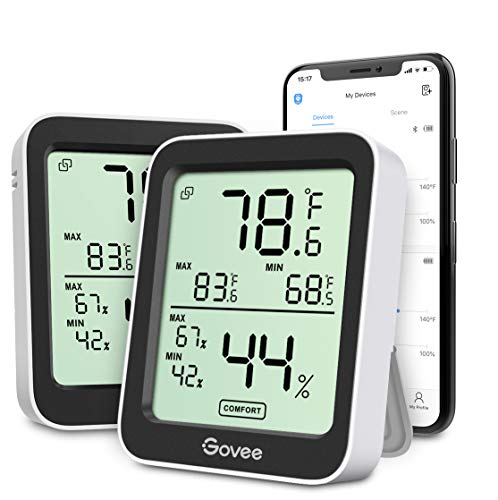
Reptile Digital Hygrometer
A reliable digital hygrometer is an indispensable tool for every boa constrictor owner to accurately monitor enclosure humidity. It ensures precise environmental control, crucial for preventing common reptile ailments.
Frequently Asked Questions
A mix of coconut fiber (coco coir) and orchid bark is the top choice for most boa keepers. It holds humidity well, allows burrowing, and is safe if accidentally ingested. Cypress mulch is also excellent, especially for larger enclosures on a budget.
References & Sources
- https://reptifiles.com/boa-constrictor-care/boa-constrictor-substrate/
- https://www.thebiodude.com/blogs/snake-caresheets/boa-constrictor-care-guide-and-bioactive-terrarium-maintenance?srsltid=AfmBOopeGRMXvIsslfS0DXgXc6mbs95cD2gGiv3nc9K0XB9FJ4blJe-2
- https://community.morphmarket.com/t/less-dusty-substrate-for-boas/14208
- https://dubiaroaches.com/blogs/snake-care/boa-constrictor-care-sheet?srsltid=AfmBOoraakhKlDoIEhGurVVIxZ7uDZNLk2IDRU88jwWbwrEj3EQeBCOs
- https://www.petmd.com/reptile/boa-constrictor-care-sheet
- https://reptifiles.com/dumerils-boa-care/enclosure-substrate/
Related Articles

Best Rosy Boa Substrate: Top 5 Picks for 2026
Find the best rosy boa substrate for a healthy, happy snake. We cover sand mixes, bioactive options, what to avoid, and how deep to go.

Best Kenyan Sand Boa Substrate: Top Picks Compared
Find the best Kenyan sand boa substrate for healthy, active burrowers. Compare sand mixes, coco coir, and bioactive options with expert setup tips.

Best Substrate for Aquatic Turtles: Sand or Gravel?
Choosing the best substrate for aquatic turtles affects water quality, health, and behavior. Here's what actually works — and what to avoid.