Best Rosy Boa Substrate: Top 5 Picks for 2026
Find the best rosy boa substrate for a healthy, happy snake. We cover sand mixes, bioactive options, what to avoid, and how deep to go.


This article contains affiliate links. If you make a purchase through these links, we may earn a small commission at no extra cost to you. See our affiliate disclosure for details.
We recommend 5 picks here. Our top choice is the Reptile Play Sand (Desert White) — check price and availability below.
How we choose: we compare published specifications against the care requirements in veterinary and species-care literature, and weigh those against what long-time keepers report. We do not test products ourselves and we do not restate Amazon star ratings. The 5 sources behind this article are listed at the bottom.
Quick Comparison
- Product Type
- Substrate
- Primary Purpose
- Burrowing & Drainage
- DIY Involvement
- Requires Mixing
- Humidity Impact
- Decreases
- Product Type
- Substrate
- Primary Purpose
- Bioactive & Burrowing
- DIY Involvement
- Ready-to-Use
- Humidity Impact
- Stabilizes (arid)
- Product Type
- Substrate
- Primary Purpose
- Moisture Management (when mixed)
- DIY Involvement
- Requires Mixing
- Humidity Impact
- Requires Blending to Decrease
- Product Type
- Substrate
- Primary Purpose
- Dry Environment & Ease of Use
- DIY Involvement
- Ready-to-Use
- Humidity Impact
- Decreases
- Product Type
- Monitoring Tool
- Primary Purpose
- Environmental Monitoring
- DIY Involvement
- N/A
- Humidity Impact
- Monitors
Prices are estimates only. Actual prices on Amazon may vary.
Rosy boas are one of the most underrated pet snakes out there. They're calm, handleable, and surprisingly hardy. But get the substrate wrong, and you'll be dealing with scale rot, respiratory infections, and a stressed-out snake.
Rosy boas (Lichanura trivirgata) come from rocky, arid desert regions in California, Arizona, Baja California, and Sonora. In the wild, they burrow under loose soil, rocks, and desert debris to thermoregulate and stay safe. That burrowing behavior isn't optional — it's core to their wellbeing.
The right substrate lets your rosy boa act like a rosy boa. The wrong one slowly undermines its health. This guide breaks down the five best options, what to avoid, and how to set things up properly.
What Rosy Boas Need from Their Substrate
Before jumping into product picks, let's cover what actually matters. Your rosy boa needs substrate that:
- Allows burrowing — They need to move through and under the surface
- Stays dry — High humidity causes respiratory infections and scale rot
- Holds its shape — Burrows should last long enough to be useful
- Is safe if swallowed — Your snake feeds near the ground and will ingest bits
- Isn't dusty — Fine airborne particles cause respiratory problems
Humidity is the biggest deal-breaker. Rosy boas need 30–40% ambient humidity — period. Any substrate that retains moisture is a liability. This rules out a lot of popular reptile substrates right away.
What Rosy Boas Need
What you need to know
Allows burrowing — They need to move through and under the surface
Stays dry — High humidity causes respiratory infections and scale rot
Holds its shape — Burrows should last long enough to be useful
Is safe if swallowed — Your snake feeds near the ground and will ingest bits
Isn't dusty — Fine airborne particles cause respiratory problems
Our Top Picks
Quick recommendations
Closest match to natural habitat with excellent burrowing texture and fast drainage
Pre-blended desert mix with bioactive compatibility and long-term cost savings
Good burrowing texture with fast moisture shedding at mid-range cost
Beginner-friendly, affordable, widely available, and hard to mess up
Sterile and transparent for easy health monitoring during observation periods
Substrates to Avoid
What you need to know
Reptile carpet — Traps bacteria, snags toenails, hard to sanitize
Calci-sand or colored sand — Causes intestinal impaction and toxic dyes
Gravel or pebbles — High impaction risk with no burrowing possible
Moist coconut coir alone — Too humid, causes respiratory infections
Cedar or pine shavings — Aromatic oils are toxic to all reptiles
Soil with perlite or fertilizer — Perlite causes impaction; fertilizers are toxic
Detailed Reviews
1. Reptile Play Sand (Desert White)
Best Overall
Reptile Play Sand (Desert White)
Pros
- •Fine-grain texture allows natural burrowing when blended.
- •Drains fast and stays dry, preventing humidity issues.
- •Forms the base of the recommended DIY 60/40 blend for optimal performance.
- •Affordable option for creating a custom substrate.
Cons
- •Requires blending with organic topsoil; not a standalone solution.
- •Can be dusty if not high-quality or improperly used.
- •May not hold burrows as effectively if not properly mixed.
Bottom Line
Essential as the primary component for a custom rosy boa substrate, offering excellent drainage and burrowing opportunities. Must be mixed with organic topsoil to achieve optimal texture and burrow stability.
2. BioDude Terra Firma Bioactive Substrate
Premium Pick
BioDude Terra Firma Bioactive Substrate
Pros
- •Pre-blended for arid desert reptiles, eliminating DIY mixing.
- •Bioactive-compatible, supporting a naturalistic ecosystem.
- •Designed to stay dry and promote burrowing for desert species.
- •High-quality composition for experienced keepers.
Cons
- •Higher initial cost compared to DIY options.
- •May require specific care and maintenance for bioactive setups.
- •Potentially more complex for beginner setups to maintain.
Bottom Line
A premium, pre-formulated substrate designed for arid, desert-dwelling reptiles, ideal for establishing bioactive enclosures. It provides excellent drainage and burrowing structure without the need for manual blending.
3. Zoo Med Eco Earth Coconut Fiber Substrate
Best Value
Zoo Med Eco Earth Coconut Fiber Substrate
Pros
- •Affordable and widely available for easy access.
- •Lightweight and provides a good base for burrowing when mixed.
- •Effective as a component in a 50/50 blend with organic topsoil.
Cons
- •Holds too much moisture if used alone, unsuitable for rosy boas.
- •Requires blending with another substrate for proper humidity control.
- •Can become compacted over time if not regularly aerated.
Bottom Line
An economical and accessible substrate that can be part of a rosy boa enclosure when carefully blended. It is crucial to mix it 50/50 with dry organic topsoil to prevent excessive moisture retention.
4. Zilla Snake Bedding Aspen Shavings
Editor's Choice
Zilla Snake Bedding Aspen Shavings
Pros
- •Beginner-friendly and requires minimal setup.
- •Excellent at staying dry, crucial for rosy boa health.
- •Safe if accidentally ingested during feeding.
- •Easy to spot-clean and maintain.
Cons
- •Does not facilitate deep or stable burrowing as effectively as sand/soil blends.
- •Can be dusty if not high-quality, potentially causing respiratory issues.
- •May need frequent replacement to prevent odors or compaction.
Bottom Line
A straightforward and highly absorbent substrate, ideal for new rosy boa keepers seeking ease of use and low maintenance. It excels at keeping the enclosure dry and is safe for snakes, though it offers limited burrowing opportunities.
5. Digital Reptile Hygrometer Thermometer
Editor's Choice
Digital Reptile Hygrometer Thermometer
Pros
- •Monitors both temperature and humidity simultaneously.
- •Provides real-time readings crucial for health management.
- •Essential for maintaining the critical 30-40% humidity range.
- •Helps prevent respiratory infections and scale rot.
Cons
- •Not a substrate itself, but an essential accessory.
- •Requires periodic battery replacement.
- •Accuracy can vary between models and brands.
Bottom Line
An indispensable monitoring device that accurately measures both temperature and humidity within a rosy boa's enclosure. It is critical for ensuring the environment remains within the optimal 30-40% humidity range to safeguard snake health.
The 5 Best Rosy Boa Substrate Options
1. Sand and Organic Topsoil Mix (Best Overall)
A DIY blend of clean play sand and organic topsoil is the gold standard for rosy boas. It mimics their native desert habitat more closely than anything you can buy off the shelf.
The sweet spot is a 60% play sand / 40% organic topsoil ratio. This blend holds burrow tunnels well, sheds moisture quickly, and gives your snake a satisfying surface to move through.
You can find play sand for reptile enclosures at most hardware stores. For topsoil, go with plain organic bagged soil — no added fertilizers, no perlite, no moisture-retention crystals. Those additives are dangerous.
Before using any topsoil, bake it at 250°F (120°C) for 30 minutes. This kills bacteria, fungi, and any hitchhiking insects. Let it cool fully before adding it to your enclosure.
Pros:
- Closest match to natural habitat
- Excellent burrowing texture
- Drains fast and stays dry
- Very affordable
Cons:
- Requires prep work (baking the soil)
- Messier than packaged substrates
This is the setup most experienced rosy boa keepers use. It's cheap, effective, and your snake will immediately start exploring it.
2. BioDude Terra Firma (Best for Bioactive Setups)
If you want a low-maintenance, naturalistic enclosure, [BioDude Terra Firma](https://www.amazon.com/dp/B07Z5C274C?tag=krawlo-20 is the top commercial option for dry-adapted snakes.
Terra Firma is designed for desert and semi-arid reptiles. It's a pre-blended mix of sand, organic matter, and clay — no need for DIY mixing. It supports burrowing well and stays appropriately dry as long as ventilation is good.
The real advantage here is bioactive compatibility. With a proper cleanup crew (arid isopods and springtails), this substrate becomes largely self-maintaining. Waste gets broken down biologically, and full substrate changes become rare.
(Estimates only — actual prices on Amazon may vary.) A full bioactive substrate setup typically runs $40–$80 upfront. For a deeper look at bioactive options, check out our guide on Best Bioactive Substrate Kits: Top Picks Reviewed.
Pros:
- No mixing required
- Bioactive-ready out of the box
- Naturalistic appearance
- Long-term cost savings
Cons:
- Higher upfront cost
- Requires arid conditions — no misting the whole enclosure
- Needs experience to manage correctly
Important: Rosy boa bioactive setups must stay dry. Keep moisture isolated to one corner near the water dish. Use screened tops or vented panels to maintain airflow. ReptiFiles has a detailed bioactive rosy boa enclosure build if you want to go this route.
3. Organic Topsoil and Coconut Fiber Blend
Mixing plain [organic coconut fiber](https://www.amazon.com/dp/B01CN8ZRYA?tag=krawlo-20 (like Zoo Med Eco Earth) 50/50 with dry organic topsoil creates a solid middle-ground substrate.
Coconut fiber alone is far too moisture-retentive for rosy boas. But when you dilute it with dry topsoil, it creates a texture that burrows beautifully while shedding humidity fast enough to stay safe.
This blend is a good choice if you want better burrowing texture than aspen shavings but don't want to go full sand mix. It's widely available and affordable.
Pros:
- Good burrowing texture
- Affordable and easy to source
- Better aesthetics than aspen
Cons:
- Must be blended — coconut fiber alone will cause problems
- Can grow mold if ventilation is poor
- Less naturalistic than sand/soil mix
4. Aspen Shavings (Best for Beginners)
[Aspen shavings](https://www.amazon.com/dp/B00KZDT2YM?tag=krawlo-20 are a classic. They're dry, safe, affordable, and widely available at every pet store. Rosy boas can move through them and do light burrowing, though tunnels don't hold their shape as well as sand mixes.
(Estimates only — actual prices on Amazon may vary.) A large bag of aspen shavings runs around $10–$20 and lasts several months in a standard 20-gallon enclosure.
If you're a first-time snake keeper who just wants something simple, aspen shavings are a solid starting point. They're forgiving, easy to spot-clean, and hard to mess up.
Pros:
- Very beginner-friendly
- Cheap and easy to find
- Low humidity retention
- Safe if ingested in small amounts
Cons:
- Burrows collapse easily
- Not naturalistic
- Molds quickly if it gets wet
⚠️ Never use cedar or pine shavings. The aromatic oils in these woods are toxic to reptiles and damage their respiratory tracts. Aspen only.
5. Paper Towels (For Quarantine and Medical Use Only)
Paper towels aren't a long-term substrate — but they're exactly what you need for new arrivals, sick snakes, or any situation where you need close observation.
They let you monitor feces consistency, spot parasites, and track eating patterns without interference. They're also fully sterile, which is important when a new snake may be carrying pathogens.
Keep your rosy boa on paper towels for at least 30 days when you first bring it home. Once you've confirmed it's healthy and eating, switch to a permanent substrate.
Pros:
- Easy health monitoring
- Fully sterile
- Near-zero cost
- Instant replacement
Cons:
- No burrowing possible
- Not appropriate for permanent housing
- Stressful for snakes long-term
Substrates to Avoid for Rosy Boas
Some substrates are popular in the reptile hobby but genuinely harmful for rosy boas. Skip all of these:
| Substrate | Why to Avoid |
|---|---|
| Reptile carpet | Traps bacteria, snag toenails, hard to sanitize |
| Calci-sand or colored sand | Causes intestinal impaction, dyes can be toxic |
| Gravel or pebbles | High impaction risk, no burrowing possible |
| Moist coconut coir alone | Too humid — causes respiratory infections |
| Cedar or pine shavings | Aromatic oils are toxic to all reptiles |
| Soil with perlite or fertilizer | Perlite = impaction; fertilizers = toxic chemicals |
The number one mistake new rosy boa owners make is using moisture-retentive substrate. These snakes are desert animals. Chronic humidity above 50% leads to respiratory infections — one of the leading causes of health decline in captive rosy boas.
How Deep Should the Substrate Be?
Depth matters more than most keepers realize. Rosy boas are committed burrowers — they need enough substrate to actually move through.
The minimum is 3 inches (7–8 cm). But 4–6 inches is significantly better. A deeper substrate layer also creates a passive temperature gradient: warmer near the surface, cooler deeper down. Your rosy boa will use this to self-regulate its body temperature — exactly how it would behave in the wild.
If your enclosure floor doesn't allow that depth, consider a deeper-footprint enclosure or a raised platform system that frees up more vertical substrate space.
How to Set Up and Maintain Your Substrate
Getting the setup right from the start saves a lot of hassle later. Here's the process:
Step 1 — Prep your substrate. If you're using organic topsoil, bake it at 250°F for 30 minutes. Let it cool completely before use. Commercial products like Terra Firma can be used straight out of the bag.
Step 2 — Layer it in. Add at least 3–4 inches. Pack it lightly enough that your snake can push through it, but firm enough that tunnels hold for a while.
Step 3 — Place hides on top. Half-log hides, cork bark, and flat slate rocks placed directly on the substrate are ideal. Your rosy boa will burrow under them naturally.
Step 4 — Monitor humidity. Keep ambient humidity at 30–40%. A digital hygrometer placed at substrate level gives you an accurate reading. If humidity creeps up, improve ventilation or switch to a drier substrate blend.
Spot cleaning: Remove feces and soiled substrate as soon as you see it. Rosy boas usually defecate once a week or so after feeding — it's manageable.
Full substrate changes: Every 3–6 months for non-bioactive setups. Sooner if you notice mold, odor, or persistent humidity problems.
Rosy Boa Substrate Comparison at a Glance
| Substrate | Burrowing | Humidity | Cost | Maintenance | Best For |
|---|---|---|---|---|---|
| Sand + topsoil mix | Excellent | Low | $ | Moderate | Most keepers |
| BioDude Terra Firma | Good | Low | $$–$$$ | Low (bioactive) | Experienced keepers |
| Coco fiber + topsoil | Good | Medium | $ | Moderate | Budget setups |
| Aspen shavings | Moderate | Low | $ | Easy | Beginners |
| Paper towels | None | Very low | Free | Very easy | Quarantine only |
Should You Go Bioactive?
Bioactive enclosures are genuinely worth considering for rosy boas — but they take more knowledge to execute well. The biggest challenge is keeping the enclosure dry enough. Most bioactive setups are designed for more humid reptiles.
For a rosy boa bioactive build to succeed, you need:
- A dry-adapted substrate like Terra Firma
- Arid cleanup crew species (powder orange isopods, tropical springtails in small numbers)
- Excellent top ventilation
- A single moist corner near the water dish — the rest of the enclosure stays dry
- Live drought-tolerant plants if desired (cactus, aloe, agave)
When it works, it's low-maintenance and beautiful. Your snake gets environmental enrichment, and you spend less time on deep cleans. Just don't rush into it — master the basics first.
If you're comparing substrate choices for other desert reptiles, our guide on Best Substrate for Leopard Geckos: A Complete Guide covers similar principles — leopard geckos share many of the same habitat requirements as rosy boas.
Final Thoughts
For most keepers, a 60/40 play sand and organic topsoil mix is the best rosy boa substrate. It's affordable, naturalistic, and gives your snake exactly what it needs to burrow and thrive. Prepare the soil properly, layer it deep enough, and keep humidity in check.
If you want a premium, low-maintenance setup, BioDude Terra Firma in a bioactive configuration is the next step up. It takes more investment and knowledge but pays off over time.
Whatever substrate you choose, remember the core rule: keep it dry. Rosy boas are built for desert life. Consistent low humidity is non-negotiable — it's the single most important variable in their long-term health.
Our Final Verdict

Reptile Play Sand (Desert White)
Essential as the primary component for a custom rosy boa substrate, offering excellent drainage and burrowing opportunities. Must be mixed with organic topsoil to achieve optimal texture and burrow stability.
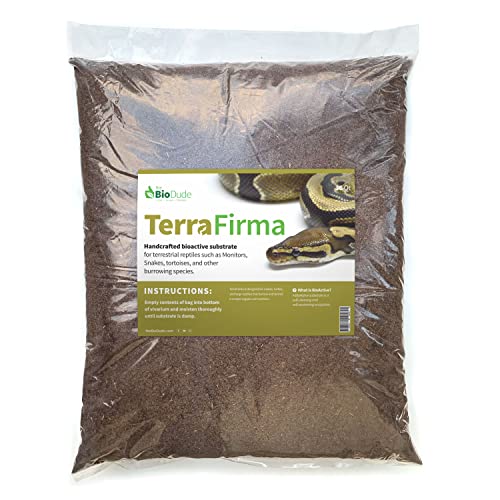
BioDude Terra Firma Bioactive Substrate
A premium, pre-formulated substrate designed for arid, desert-dwelling reptiles, ideal for establishing bioactive enclosures. It provides excellent drainage and burrowing structure without the need for manual blending.
Zoo Med Eco Earth Coconut Fiber Substrate
An economical and accessible substrate that can be part of a rosy boa enclosure when carefully blended. It is crucial to mix it 50/50 with dry organic topsoil to prevent excessive moisture retention.
Frequently Asked Questions
A 60/40 mix of clean play sand and organic topsoil (no fertilizers) is the best substrate for rosy boas. It mimics their natural desert habitat, drains well, holds burrows, and stays dry — exactly what these snakes need.
References & Sources
- https://reptifiles.com/rosy-boa-care-sheet/
- https://www.thebiodude.com/blogs/snake-caresheets/rosy-boa-care-guide-and-bioactive-terrarium-maintenance?srsltid=AfmBOoqfF2g8XKAMzPzfqP8myvAqWX4xSXmFNSK-V9G6oHSeAtY_y0u1
- https://reptilesmagazine.com/rosy-boa-care-tips/?srsltid=AfmBOoq55pT9myXrxepqoqNnOt-MROYqQmjddQLN22v3jqgxt87TZ_w0
- https://dubiaroaches.com/blogs/snake-care/rosy-boa-care-sheet?srsltid=AfmBOooqZfN8f3PTZ2BMBxniw_MGnyytyipxnkw6nyYhQ5JpRdGMr3Au
- https://reptifiles.com/bioactive-rosy-boa-enclosure-build/
Related Articles

Best Substrate for Boa Constrictors: Complete Guide
Choosing the best substrate for boa constrictors affects humidity, hygiene, and health. Learn which beddings work, which to skip, and how to keep the enclosure clean.

Best Rosy Boa Lighting: A Guide to Optimal Husbandry
Discover the best rosy boa lighting setups for your pet. Learn about UVB, heating, and ambient lighting to create an ideal environment that promotes health and natural behaviors.

Best Rosy Boa Food: Complete Feeding Guide
Discover the best rosy boa food options, feeding schedules, and prey sizes to keep your snake healthy. Expert tips for juveniles and adults.