Best Starter Snake: 5 Top Picks for Beginners
Ready for your first pet snake but not sure where to start? Our expert guide reveals the 5 best starter snake species, ranked by temperament, care, and hardiness.


This article contains affiliate links. If you make a purchase through these links, we may earn a small commission at no extra cost to you. See our affiliate disclosure for details.
We recommend 5 picks here. Our top choice is the Digital Thermometer/Hygrometer Combo — check price and availability below.
How we choose: we compare published specifications against the care requirements in veterinary and species-care literature, and weigh those against what long-time keepers report. We do not test products ourselves and we do not restate Amazon star ratings. The 6 sources behind this article are listed at the bottom.
Quick Comparison
- Primary Purpose
- Environment Monitoring
- Direct Impact On Snake
- Health, Digestion, Shedding
- Required Accessories/Pairings
- Batteries (often)
- Suitable for Humidity Type
- Universal (All)
- Estimated Price Range
- $15-30
- Primary Purpose
- Enclosure Heating
- Direct Impact On Snake
- Digestion, Metabolic Rate
- Required Accessories/Pairings
- Thermostat (Critical)
- Suitable for Humidity Type
- Universal (All)
- Estimated Price Range
- $30-60
- Primary Purpose
- Enclosure Substrate
- Direct Impact On Snake
- Burrowing, Hygiene, Comfort
- Required Accessories/Pairings
- Substrate Liner (Optional)
- Suitable for Humidity Type
- Arid/Semi-Arid
- Estimated Price Range
- $10-20
- Primary Purpose
- Nutritional Source
- Direct Impact On Snake
- Nutrition, Growth
- Required Accessories/Pairings
- Thawing Supplies
- Suitable for Humidity Type
- Universal (Carnivorous)
- Estimated Price Range
- $20-40
- Primary Purpose
- Safe Handling
- Direct Impact On Snake
- Stress Reduction, Trust
- Required Accessories/Pairings
- None (Self-contained)
- Suitable for Humidity Type
- Universal (All)
- Estimated Price Range
- $15-35
Prices are estimates only. Actual prices on Amazon may vary.
Choosing your first pet snake is an incredibly exciting step into the world of reptile keeping. But with so many options, it's easy to feel overwhelmed. What makes a snake a good beginner pet? It's a mix of temperament, hardiness, size, and how easy it is to feed and house. You want a rewarding experience, not a stressful one.
As a herpetological care specialist, I've guided countless new keepers through this exact decision. The goal is to find a snake that is forgiving of the small mistakes every beginner makes. You need an animal that is generally docile, stays a manageable size, and eats well without much fuss. This guide will walk you through the key traits of a great starter snake and introduce you to our top five picks.
What Makes a Great Starter Snake?
Not all snakes are created equal when it comes to suitability for beginners. While that iridescent Green Tree Python might look stunning, its specific care needs and sensitive nature make it a poor choice for a first-timer. Instead, we look for a combination of forgiving and manageable traits.
Temperament
This is probably the most important factor for new owners. A good starter snake should have a calm, placid demeanor. You want a snake that tolerates handling well and is unlikely to bite defensively. While any animal can bite if it feels threatened, beginner-friendly species are known for being slow to anger. They are more likely to try and flee or ball up than strike. A pleasant temperament makes the whole experience, from enclosure cleaning to handling, far more enjoyable.
Hardiness
In the reptile world, "hardiness" means the animal is resilient and can tolerate minor fluctuations in its environment. As a beginner, you might not get the temperature or humidity exactly perfect on your first try. A hardy snake won't immediately get sick if the temperature drops a few degrees overnight or if the humidity is a bit low for a day. This forgiveness is a safety net that reduces stress for both you and your pet.
Size
A snake that stays a manageable size is crucial. A 12-foot Reticulated Python requires a room-sized enclosure and multiple experienced handlers. In contrast, a 4-foot Corn Snake can live comfortably in a reasonably sized terrarium its entire life. Smaller snakes are easier and cheaper to house, simpler to handle on your own, and less intimidating for someone new to snakes.
Feeding Response
Some snakes are notoriously picky eaters, which can be a huge source of anxiety for a new keeper. The best starter snake species are typically enthusiastic eaters. They readily accept appropriately sized frozen/thawed rodents, which is the safest and most humane food source. A snake that eats reliably every time is a sign of good health and makes your job as a keeper much simpler. Chasing down live food or trying to tempt a fasting snake for weeks on end is a challenge best left to experienced keepers.
Cost
(Estimates only — actual prices on Amazon may vary.)
Your financial commitment goes beyond the price of the snake itself. You need to budget for the entire setup. A basic 40-gallon enclosure, heating equipment, thermostat, substrate, hides, and other accessories can easily cost between $250 and $500. The snake itself can range from $50 for a common Corn Snake to several hundred for a specific Ball Python morph. Ongoing costs include food (around $5-$15 per month) and potential vet bills, so it's important to be prepared.
What Makes a Great Starter Snake
What you need to know
Calm, docile temperament that tolerates handling without biting
Hardy and forgiving of minor environment fluctuations
Stays a manageable size (3-5 feet is ideal)
Enthusiastic eater with reliable feeding response
Initial cost $250-500 for setup, $50-several hundred for snake, $5-15/month ongoing
Health Checklist Before Buying
What you need to know
Clear, bright eyes (avoid cloudy, sunken, or crusty)
Clean breathing—no clicking, wheezing, or mucus around nostrils
Firm, muscular body with good weight (no visible spine)
Alert and active with regular tongue-flicking
Clean vent (cloaca) with no swelling or debris
Corn Snake vs Ball Python
Side-by-side comparison
| Feature | Corn Snake | Ball Python |
|---|---|---|
| Temperament | Calm, curious, excellent handling | Shy, gentle, defensive curl response |
| Feeding | ★Enthusiastic eater, rarely refuses food | Pickier, may fast weeks/months |
| Humidity Needs | ★40-50% (easier to maintain) | 55-65% (requires monitoring) |
| Lifespan | 15-20+ years | ★20-30+ years |
Our Take: Corn Snakes offer more forgiveness for beginners; Ball Pythons suit prepared owners willing to monitor humidity closely.
Detailed Reviews
1. Digital Thermometer/Hygrometer Combo
Best Overall
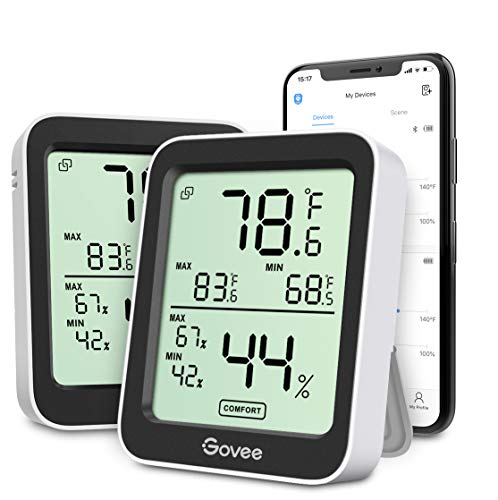
Digital Thermometer/Hygrometer Combo
Pros
- •Provides precise, simultaneous readings of temperature and humidity
- •Essential for maintaining optimal health, digestion, and shedding cycles
- •Often includes min/max memory function for environmental tracking
- •Supports creation of accurate temperature gradients
Cons
- •Requires periodic battery replacement for continuous operation
- •Probes can be susceptible to damage or chewing in some setups
- •May require occasional calibration to maintain accuracy over time
Bottom Line
This essential device provides precise, simultaneous monitoring of both temperature and humidity within a reptile enclosure. It ensures optimal environmental conditions for a snake's health, digestion, and shedding cycles.
2. Reptile Heat Mat with Thermostat
Premium Pick
Reptile Heat Mat with Thermostat
Pros
- •Provides essential belly heat crucial for proper digestion in many species
- •Thermostat prevents dangerous overheating, ensuring snake safety
- •Distributes heat evenly across a localized area of the enclosure
- •Slim design allows for discreet placement under most enclosures
Cons
- •Only provides under-tank heating, not ambient air temperature control
- •Requires careful placement to avoid substrate melting or enclosure damage
- •Malfunctions can occur if the thermostat probe is not securely positioned
Bottom Line
This heating system delivers crucial belly heat necessary for snake digestion and overall metabolic function. The integrated thermostat is vital for maintaining safe and consistent temperatures, preventing thermal burns.
3. Zoo Med Aspen Snake Bedding
Best Value
Zoo Med Aspen Snake Bedding
Pros
- •Excellent for species that enjoy burrowing, promoting natural behaviors
- •Easy to spot clean, simplifying daily maintenance routines
- •Low risk of impaction when ingested in small amounts
- •Ideal for maintaining lower humidity levels in arid setups
Cons
- •Not suitable for high-humidity species, as it molds easily when wet
- •Can be dusty, potentially irritating respiratory systems in some snakes
- •Requires full replacement more frequently than some other substrates
Bottom Line
Aspen bedding is a highly popular and effective substrate, particularly for arid and semi-arid snake species like corn snakes and kingsnakes. Its natural texture encourages burrowing behavior and simplifies spot cleaning for daily maintenance.
4. Arctic Mice Frozen Feeder Mice
Editor's Choice
Arctic Mice Frozen Feeder Mice
Pros
- •Eliminates risk of injury to the snake from live prey items
- •More humane feeding option compared to live feeding
- •Convenient for storage and typically readily accepted by snakes
- •Allows for precise portion control and nutritional consistency
Cons
- •Requires proper thawing techniques before feeding to ensure safety
- •Storage requires dedicated freezer space, which may be a limitation
- •May not be accepted by all snakes, particularly those accustomed to live prey
Bottom Line
Frozen-thawed feeder rodents offer the safest and most humane feeding option for most captive snakes. This method completely eliminates any risk of injury to the snake from live prey and simplifies the feeding process for keepers.
5. DocSeward Snake Hook
Budget Pick
DocSeward Snake Hook
Pros
- •Increases keeper safety by minimizing direct hand contact during interaction
- •Reduces stress and defensive behavior in snakes during enclosure maintenance
- •Aids in building trust with the animal through controlled, gentle movement
- •Useful for safely maneuvering snakes without startling them
Cons
- •Requires practice and proper technique to use effectively without harming the snake
- •Can be cumbersome in very small or heavily decorated enclosures
- •Not suitable for very large or heavy-bodied snakes, which require different tools
Bottom Line
A snake hook is an indispensable tool that facilitates safe and stress-free handling of many snake species. It minimizes direct contact, reduces defensive reactions, and fosters a more positive interaction between snake and keeper.
What to Look for in a Healthy Snake
Before you buy, it's vital to assess the snake's health. A healthy snake will give you the best chance at a successful start. Here's a quick checklist:
- Clear Eyes: The eyes should be clear and bright. If they are cloudy or blueish, the snake is likely "in shed" (about to shed its skin), which is normal. Avoid snakes with sunken, swollen, or crusty eyes.
- Clean Breathing: Listen for any clicking, wheezing, or gurgling sounds as it breathes. Look for bubbles or mucus around the nostrils or mouth. These are signs of a respiratory infection, a common and serious issue.
- Firm Body: A healthy snake should feel muscular and firm, with a well-rounded body shape. A visible spine or triangular body shape indicates it's underweight.
- Alert and Active: The snake should be alert to its surroundings. An inquisitive, regularly flicking tongue is a great sign it's actively sensing its environment.
- Clean Vent: The vent (cloaca) on the snake's underside should be clean and free of any swelling or caked-on feces.
Always insist on buying captive-bred snakes from a reputable breeder or reptile shop. Wild-caught animals are often loaded with parasites, highly stressed, and may refuse to eat in captivity.
The 5 Best Starter Snake Species
Now for the fun part! These five species consistently rank as the best starter snakes because they excel in the criteria we've just discussed. They are all fantastic choices that can provide a wonderful introduction to snake keeping.
1. Corn Snake (Pantherophis guttatus)
The Corn Snake is, without a doubt, the number one best starter snake for a reason. They are the complete package: incredibly docile, very hardy, a manageable size, and almost always fantastic eaters. They are native to the southeastern United States and are masters at adapting to various conditions, which translates to their hardiness in captivity. For a deeper dive, check out our complete Corn Snake Care Guide.
Their curiosity and calm nature make handling them a joy. Plus, thanks to decades of captive breeding, they come in a breathtaking array of colors and patterns. If you're interested in genetics, exploring different Corn Snake Morphs can become a hobby in itself. They are, for most people, the perfect first pet snake.
| Attribute | Detail |
|---|---|
| Average Size | 3 - 5 feet |
| Lifespan | 15 - 20+ years |
| Temperature | 75°F (cool side) to 85°F (warm spot) |
| Humidity | 40% - 50% |
| Diet | Frozen/thawed mice |
2. Ball Python (Python regius)
Ball Pythons are arguably the most popular pet snake in the world. Their claim to fame is their shy, gentle temperament. When frightened, their instinct is to curl into a tight, protective ball rather than strike, which is endearing and a great safety feature for beginners. They are a manageable, heavy-bodied snake that is generally easy to handle.
However, they can be slightly more challenging than a Corn Snake. They require higher humidity (55-65%) which needs careful monitoring, and they have a reputation for being pickier eaters, sometimes fasting for weeks or months, especially in the winter. This can be stressful for a new owner, but with a proper setup and stable temperatures, most Ball Pythons eat reliably. Their calm nature makes them one of the Best Pet Snakes for Beginners who are prepared to monitor their environment closely.
| Attribute | Detail |
|---|---|
| Average Size | 3 - 5 feet |
| Lifespan | 20 - 30+ years |
| Temperature | 78°F (cool side) to 90°F (warm spot) |
| Humidity | 55% - 65% |
| Diet | Frozen/thawed mice or rats |
3. Kingsnakes and Milksnakes (Lampropeltis genus)
This is a large group of beautiful, hardy snakes from North and Central America. Species like the California Kingsnake, Mexican Black Kingsnake, and Sinaloan Milksnake are all excellent choices. They are known for being extremely powerful constrictors and voracious eaters—if it moves and fits in their mouth, they'll try to eat it!
This amazing feeding response is a huge plus for beginners. As babies, they can be a bit more nervous and squirmy than Corn Snakes, and may perform a harmless "bluff strike" or release musk. However, they typically calm down quickly with regular, gentle handling. The one critical rule for this genus is to house them separately. Their strong feeding response means they are ophiophagus (snake-eaters) and will not hesitate to cannibalize a cage mate.
| Attribute | Detail |
|---|---|
| Average Size | 2 - 6 feet (depending on species) |
| Lifespan | 15 - 20+ years |
| Temperature | 75°F (cool side) to 85°F (warm spot) |
| Humidity | 40% - 60% |
| Diet | Frozen/thawed mice; other snakes in the wild |
4. Rosy Boa (Lichanura trivirgata)
Rosy Boas are one of the most underrated beginner snakes. These small, placid boas from the American Southwest and Mexico are known for their extremely calm and docile nature. They are arguably the least likely of any common pet snake to bite. Their smaller size (rarely exceeding 3 feet) makes them very easy to house and handle.
One of their best features is their tolerance for cooler and drier conditions, which reflects their native habitat. They don't need the high heat or humidity of many other species, making their enclosure setup simpler and more forgiving. They are generally good eaters, though they may have a seasonal fasting period in the winter. For a keeper wanting a gentle, slow-moving, and smaller snake, the Rosy Boa is an outstanding choice.
| Attribute | Detail |
|---|---|
| Average Size | 2 - 3 feet |
| Lifespan | 25+ years |
| Temperature | 72°F (cool side) to 88°F (warm spot) |
| Humidity | 30% - 50% |
| Diet | Frozen/thawed mice |
5. Garter Snake (Thamnophis genus)
For those wanting a different kind of snake experience, the Garter Snake is a fantastic option. Unlike the others on this list, Garters are often diurnal (active during the day), making them a more visible pet. They are small, slender, and very active, always exploring their enclosure. Many species can even be housed in groups (with caution and proper setup), allowing for more complex social behaviors.
Their care is a bit different. While many will take mice, their natural diet is more varied, including fish, worms, and amphibians. A diet of scented frozen/thawed mice is often the easiest path. Their primary defense is to release a smelly musk, not to bite, though they certainly can. They are a great starter snake for someone who wants an active, engaging display animal.
| Attribute | Detail |
|---|---|
| Average Size | 2 - 3 feet |
| Lifespan | 10+ years |
| Temperature | 72°F (cool side) to 82°F (warm spot) |
| Humidity | 40% - 60% |
| Diet | Scented F/T mice, worms, silverside fish |
Your First Step on a Long Journey
Choosing the best starter snake comes down to which animal's needs you feel most confident you can meet. The Corn Snake remains the top recommendation for its near-perfect combination of traits, but any of the five snakes on this list can make a phenomenal first pet reptile. Do your research, prepare your enclosure before you bring the snake home, and buy from a reputable source.
This is the beginning of a rewarding journey. The connection you build with your first snake is something special, paving the way for a lifetime of fascination with these incredible animals.
Our Final Verdict
Digital Thermometer/Hygrometer Combo
This essential device provides precise, simultaneous monitoring of both temperature and humidity within a reptile enclosure. It ensures optimal environmental conditions for a snake's health, digestion, and shedding cycles.

Reptile Heat Mat with Thermostat
This heating system delivers crucial belly heat necessary for snake digestion and overall metabolic function. The integrated thermostat is vital for maintaining safe and consistent temperatures, preventing thermal burns.

Zoo Med Aspen Snake Bedding
Aspen bedding is a highly popular and effective substrate, particularly for arid and semi-arid snake species like corn snakes and kingsnakes. Its natural texture encourages burrowing behavior and simplifies spot cleaning for daily maintenance.
Frequently Asked Questions
The Corn Snake is widely considered the best starter snake for a child under adult supervision. They are extremely docile, hardy, and their care is very straightforward. Rosy Boas are also a fantastic choice due to their incredibly gentle nature and smaller size.
References & Sources
- https://community.morphmarket.com/t/advice-for-beginners-snakes/36667
- https://reptifiles.com/snake-care-sheets/
- https://www.thesprucepets.com/pet-snakes-1237319
- https://www.petmd.com/reptile/popular-pet-snake-species
- https://www.petmd.com/reptile/slideshows/best-captive-bred-snakes-stay-small
- https://www.petmd.com/reptile/corn-snake-care-sheet
Related Articles

Best Ackie Monitor Starter Kit for Beginners
Get the best Ackie monitor starter kit for a happy and healthy pet. Learn what to include and how to set up the perfect enclosure for your Ackie monitor.

Best Blue Tongue Skink Starter Kit: Ultimate Guide
Discover the best blue tongue skink starter kit with practical advice on enclosure, substrate, heat, lighting, and more!

Best Corn Snake Starter Kit: Everything You Need to Get Started
Find the best corn snake starter kit with our comprehensive guide, ensuring your new pet's health and happiness. Perfect for beginners!