Best Snakes for Beginners: 5 Top Species Ranked
Looking for the best snakes for beginners? We rank the top 5 species by temperament, size, and care needs — corn snakes, ball pythons, rosy boas, and more.


This article contains affiliate links. If you make a purchase through these links, we may earn a small commission at no extra cost to you. See our affiliate disclosure for details.
We recommend 5 picks here. Our top choice is the 40-Gallon Reptile Terrarium with Locking Lid — check price and availability below.
How we choose: we compare published specifications against the care requirements in veterinary and species-care literature, and weigh those against what long-time keepers report. We do not test products ourselves and we do not restate Amazon star ratings. The 6 sources behind this article are listed at the bottom.
Quick Comparison
- Product Category
- Enclosure
- Primary Benefit
- Secure Habitat & Space
- Humidity Management Suitability
- Supports, requires supplemental
- Key Safety Feature
- Locking lid for escape prevention
- Estimated Price Range
- $80-150
- Product Category
- Heating
- Primary Benefit
- Precise Temperature Control
- Humidity Management Suitability
- Essential for all setups
- Key Safety Feature
- Thermostat prevents overheating
- Estimated Price Range
- $30-60
- Product Category
- Monitoring
- Primary Benefit
- Real-time Environmental Monitoring
- Humidity Management Suitability
- Crucial for accurate data
- Key Safety Feature
- Eliminates husbandry guesswork
- Estimated Price Range
- $15-25
- Product Category
- Feeding
- Primary Benefit
- Safe & Convenient Nutrition
- Humidity Management Suitability
- Universal food source
- Key Safety Feature
- Eliminates live prey injury risk
- Estimated Price Range
- $20-40
- Product Category
- Substrate
- Primary Benefit
- Natural Burrowing Substrate
- Humidity Management Suitability
- Not suitable (low humidity only)
- Key Safety Feature
- Non-toxic material
- Estimated Price Range
- $15-30
Prices are estimates only. Actual prices on Amazon may vary.
Choosing your first snake is exciting — but it's easy to feel overwhelmed. There are hundreds of species out there, and not all of them are right for a new keeper. Some need live prey, tricky humidity levels, or massive enclosures. Others are defensive and nippy, especially as juveniles.
The good news? A small group of species are genuinely beginner-friendly. They're calm, hardy, and easy to feed. They've been bred in captivity for decades, which means they're already comfortable around people.
In this guide, you'll find the five best snakes for beginners — along with honest breakdowns of temperament, size, cost, and care requirements.
What Makes a Snake Beginner-Friendly?
Not every snake is a good match for a new owner. Here's what separates the easy species from the challenging ones.
Temperament
Some snakes are naturally docile and rarely bite. Others are defensive and nippy — at least until they're well-established and regularly handled. For beginners, you want a species that tames down quickly with gentle, consistent handling. Starting with a naturally calm animal makes the whole experience more enjoyable.
Feeding
The easiest snakes eat pre-killed or frozen/thawed mice without fuss. That's what you want. Avoid species that require live prey, specialized diets, or a very specific feeding schedule. A snake that regularly refuses food is stressful for any keeper — but especially for someone just starting out.
Size
Bigger snakes need bigger enclosures, more food, and more handling confidence. For beginners, a snake that tops out around 3–5 feet is ideal. It's manageable, easy to house, and won't cost a fortune to feed each week.
Hardiness
Hardy snakes tolerate minor husbandry mistakes without getting sick. Sensitive species can decline quickly if temperatures drop or humidity swings. The snakes on this list are forgiving — which gives you room to learn as you go.
Cost
(Estimates only — actual prices on Amazon may vary.)
A typical beginner setup costs $200–$500 all-in, covering the enclosure, heating, substrate, and the snake. Some species are cheaper than others, and we'll break down rough price ranges for each pick below.
5 Traits of a Beginner-Friendly Snake
What you need to know
Temperament: Naturally docile and tame quickly with gentle handling
Feeding: Accept frozen/thawed prey reliably, no live prey requirement
Size: Adults stay 3-5 feet (manageable, lower housing & food costs)
Hardiness: Tolerate minor husbandry mistakes without health decline
Cost: Complete setup runs $200-500 all-in, keeping startup affordable
Corn Snake vs Ball Python: Which is Right for You?
Side-by-side comparison
| Feature | Corn Snake | Ball Python |
|---|---|---|
| Adult Size | 3-5 feet | 3-5 feet (females larger) |
| Lifespan | 15-20 years | ★20-30 years |
| Temperament | Docile, curious, rarely defensive | Calm, tolerates handling, rarely aggressive |
| Feeding Reliability | ★Eats frozen/thawed every 7-14 days consistently | Often refuses food, especially in winter |
| Handling Experience | Active, good for interactive keepers | Slow-moving, satisfying to hold passively |
| Cost (Captive-Bred) | ★$30-80 | $40-80+ |
Our Take: Corn snakes are ideal for first-timers due to reliable feeding and lower stress; ball pythons suit patient keepers comfortable with occasional fasting.
Detailed Reviews
1. 40-Gallon Reptile Terrarium with Locking Lid
Best Overall
40-Gallon Reptile Terrarium with Locking Lid
Pros
- •Right size for adult corn snakes, ball pythons, and kingsnakes.
- •Secure locking screen top prevents escapes while allowing heat and airflow.
- •Durable glass construction provides clear viewing and is easy to clean.
- •Accommodates various heating and lighting fixtures securely.
Cons
- •May be too large for juvenile snakes, potentially requiring a smaller starter enclosure.
- •Fixed 40-gallon size might not be ideal for all beginner species or larger adults.
- •Glass terrariums can be heavy and susceptible to breakage during relocation.
Bottom Line
This secure 40-gallon glass enclosure provides ample space for adult beginner snake species, supporting their growth and natural behaviors. The locking screen top ensures effective ventilation and prevents escapes, crucial for maintaining a safe and healthy environment.
2. Under-Tank Heater with Thermostat
Editor's Choice
Under-Tank Heater with Thermostat
Pros
- •Creates an essential thermal gradient with warm and cool sides.
- •Thermostat provides precise temperature control, preventing overheating.
- •Delivers crucial belly heat that aids snake digestion.
- •Suitable for a wide range of beginner snake species.
Cons
- •Requires careful placement to avoid direct contact with the snake and potential burns.
- •Only provides direct heat; additional ambient heating may be needed in cooler rooms.
- •Must be consistently monitored to ensure proper function and temperature accuracy.
Bottom Line
An under-tank heater combined with a thermostat is essential for creating a vital thermal gradient within a snake's enclosure. This setup allows for precise temperature regulation, preventing dangerous overheating and supporting metabolic functions.
3. Digital Thermometer and Hygrometer Combo
Best Value
Digital Thermometer and Hygrometer Combo
Pros
- •Provides accurate, easy-to-read digital measurements for both temperature and humidity.
- •Essential for precise environmental control, preventing guesswork in husbandry.
- •Aids in maintaining optimal conditions critical for the health of sensitive species like ball pythons.
- •Helps to quickly identify and correct adverse environmental fluctuations.
Cons
- •Sensors may require occasional calibration to maintain accuracy.
- •Proper placement is critical to obtain representative readings across the enclosure.
- •Can be affected by external factors if not adequately sealed within the habitat.
Bottom Line
This dual digital unit offers real-time monitoring of both temperature and humidity, crucial for preventing husbandry mistakes. Accurate readings allow keepers to manage enclosure conditions effectively, particularly for species with specific environmental needs.
4. Frozen Feeder Mice (Variety Pack)
Budget Pick
Frozen Feeder Mice (Variety Pack)
Pros
- •Eliminates the risk of injury to the snake from live prey.
- •Convenient for bulk storage and consistent, scheduled feedings.
- •Variety packs offer appropriate prey sizes as the snake grows.
- •Reduces ethical concerns associated with feeding live animals.
Cons
- •Requires proper thawing and heating to an appropriate temperature before feeding.
- •Some picky eaters may initially resist frozen/thawed prey.
- •Requires dedicated freezer space for safe, long-term storage.
Bottom Line
Frozen/thawed feeder mice are widely recognized as the safest and most convenient food source for beginner snakes. They eliminate the risk of injury posed by live prey and can be stored in bulk for a consistent feeding regimen.
5. Aspen Snake Bedding Substrate
Premium Pick
Aspen Snake Bedding Substrate
Pros
- •Affordable and widely available, making it a cost-effective choice for keepers.
- •Holds burrow shapes well, encouraging natural behaviors and security for snakes.
- •Effectively controls odors within the enclosure, contributing to a cleaner habitat.
- •Safe for snakes, unlike potentially toxic cedar or pine substrates.
Cons
- •Not suitable for high-humidity species like ball pythons, as it can mold easily.
- •Can generate dust, which may potentially irritate some snake respiratory systems.
- •Requires regular spot cleaning and full replacement to maintain optimal hygiene.
Bottom Line
Aspen shavings offer a reliable and affordable substrate solution, effectively promoting natural burrowing behaviors in many beginner snake species. Its odor-controlling properties and non-toxic nature provide a safe and comfortable environment.
The 5 Best Snakes for Beginners
1. Corn Snake (Pantherophis guttatus)
The corn snake is the gold standard for first-time reptile keepers. It's genuinely hard to beat. Corn snakes are slender, colorful, and curious — and most are remarkably calm even as juveniles. They've been captive-bred for decades, which means they're already used to human interaction and frozen/thawed prey.
Adult size: 3–5 feet Lifespan: 15–20 years Temperament: Excellent — docile, curious, rarely defensive
Corn snakes come in dozens of beautiful color morphs, from classic orange and red to lavender, snow, and charcoal. You'll find them easily at pet stores, reptile expos, and reputable online breeders.
They're active explorers and known escape artists, so a secure enclosure is a must. A 40-gallon tank with a locking screen top works well for adults. They're comfortable at temperatures between 75–85°F, with a warm side around 85°F and a cool side around 75°F. A simple under-tank heater or a low-wattage heat lamp handles this easily.
Feeding is straightforward: offer a mouse every 7–10 days for juveniles, and every 10–14 days for adults. Always use [frozen/thawed feeder mice](https://www.amazon.com/dp/B0G8TTK5LR?tag=krawlo-20 — they're safer than live prey and widely available.
(Estimates only — actual prices on Amazon may vary.) Captive-bred corn snakes typically cost $30–$80. Rare morphs can run higher.
2. Ball Python (Python regius)
Ball pythons are the most popular pet snake in the world. It's not hard to see why. They're stocky, slow-moving, and famously calm. When stressed, they curl into a tight ball rather than bite — which is exactly where their name comes from.
Adult size: 3–5 feet (females tend to be larger) Lifespan: 20–30 years Temperament: Excellent — calm, tolerant of handling, rarely aggressive
Ball pythons are heavy-bodied snakes that feel satisfying to hold. Most captive-bred animals tame down quickly and tolerate regular handling with ease. They're especially good for people who want a snake they can handle while sitting on the couch.
The main challenge? Feeding. Ball pythons are notorious for refusing food — especially during winter months or when stressed by a new environment. A healthy adult can fast for weeks (sometimes months) without harm, but it can be nerve-wracking for new keepers who don't know that yet.
A 40-gallon enclosure is appropriate for most adults. They need a warm side at 88–92°F, a cool side at 76–80°F, and ambient humidity around 60–80%. A digital thermometer and hygrometer combo makes monitoring easy and takes the guesswork out of husbandry.
(Estimates only — actual prices on Amazon may vary.) Standard ball pythons start around $40–$80. Rare morphs can cost hundreds or even thousands.
3. Rosy Boa (Lichanura trivirgata)
The rosy boa is an underrated gem that doesn't get nearly enough attention. These small, gentle snakes from the American Southwest and Baja California are a perfect fit for beginners who want a low-maintenance, long-lived pet.
Adult size: 2–3 feet — the smallest species on this list Lifespan: 15–25 years Temperament: Excellent — slow-moving, gentle, rarely defensive
Rosy boas are one of the few snakes that stay truly small throughout their entire lives. A 20-gallon enclosure is plenty for an adult, which means lower setup costs and less space required. They're also dry-environment snakes, so you don't need to stress about maintaining humidity — a big win for beginners.
Feeding is reliable: a small mouse every 7–14 days. They rarely refuse food, and their slow, deliberate movements make them very easy to handle safely. Even hatchlings rarely musk or bite.
If space is limited or you want one of the best beginner snakes that stay small, the rosy boa is one of the smartest choices you can make.
(Estimates only — actual prices on Amazon may vary.) Captive-bred rosy boas typically cost $50–$120.
4. Kenyan Sand Boa (Eryx colubrinus)
If you want something a little different, the Kenyan sand boa delivers. These compact, patterned snakes spend most of their time buried in substrate — which makes them fascinating to observe, and extremely hardy in captivity.
Adult size: Males 15–20 inches; females up to 32 inches Lifespan: 15–20 years Temperament: Generally calm; juvenile females can be nippy at first
Kenyan sand boas have striking orange-and-brown patterns, and dozens of morphs are available if you want something visually dramatic. Males are notably smaller than females, making them one of the most compact options on the entire list.
Their burrowing behavior is endlessly entertaining — you'll see them push their heads through the substrate looking for prey. Use a loose, deep substrate like reptile coconut fiber or a sand/soil mix to let them express natural behavior.
They eat small mice once a week as juveniles and every 10–14 days as adults. A 20-gallon tank is ideal for most adults, with a warm side around 90°F and a cool side around 75°F. Low humidity is key — this is a desert species.
(Estimates only — actual prices on Amazon may vary.) Sand boas typically cost $50–$150 depending on morph.
5. Kingsnake (Lampropeltis spp.)
Kingsnakes are bold, active, and beautifully patterned. They're also highly adaptable, which makes them excellent beginner pets. The most commonly kept species include the California kingsnake (L. californiae) and the Eastern kingsnake (L. getula).
Adult size: 3–4 feet for most species Lifespan: 15–20+ years Temperament: Active and curious; juveniles can be nippy but tame down well with consistent handling
Kingsnakes are eating machines. They almost never refuse food, which makes them refreshing if you're coming from a fussy ball python. They take frozen/thawed mice readily and are very active — you'll often see them cruising their enclosure.
One critical note: kingsnakes are ophiophagous, meaning they eat other snakes in the wild. Never house them with other reptiles. They must live alone.
A 40-gallon enclosure with multiple hides, branches, and a water dish works well. Temperatures should stay between 75–85°F with a basking spot around 88°F. Keep humidity moderate — around 40–60%.
(Estimates only — actual prices on Amazon may vary.) Captive-bred kingsnakes typically cost $60–$150.
Quick Species Comparison
| Species | Adult Size | Typical Cost | Temperament | Humidity Needs | Beginner Rating |
|---|---|---|---|---|---|
| Corn Snake | 3–5 ft | $30–$80 | Excellent | Low–moderate | ⭐ Easiest |
| Ball Python | 3–5 ft | $40–$80+ | Excellent | High (60–80%) | ⭐⭐ Easy |
| Rosy Boa | 2–3 ft | $50–$120 | Excellent | Low | ⭐ Easiest |
| Kenyan Sand Boa | 15–32 in | $50–$150 | Good | Very low | ⭐ Easiest |
| Kingsnake | 3–4 ft | $60–$150 | Good | Low–moderate | ⭐⭐ Easy |
What to Look for in a Healthy Snake
Once you've chosen your species, the next step is finding a healthy animal. Buy from a reputable breeder or reptile rescue whenever possible. Captive-bred snakes are healthier, less stressed, and easier to tame than wild-caught individuals.
Here's what to check before you commit.
Signs of a healthy snake:
- Clear, bright eyes (unless in shed, when they'll appear blue-gray)
- Smooth, clean skin with no stuck shed, mites, or unusual bumps
- A rounded, well-fed body — not visibly bony or sunken along the spine
- Alert, responsive behavior when handled
- Breathing that is quiet and effortless — no wheezing or clicking sounds
Red flags to avoid:
- Limp, unresponsive posture
- Visible ribs or a "stargazing" posture, which can signal a neurological issue
- Mucus or bubbling around the mouth or nostrils (sign of respiratory infection)
- Loose, wrinkled skin indicating dehydration
- Mites — tiny black or red dots moving on the body or in the water dish
The reptile community is a great resource when evaluating breeders. Sites like MorphMarket connect you with reputable sellers and experienced keepers who can answer questions before you buy.
Setting Up Your First Snake Enclosure
No matter which species you choose, these basics apply across the board.
Enclosure: A glass or PVC enclosure with a secure, locking lid. For most species on this list, a 20–40 gallon tank is appropriate for adults. Juveniles can start smaller.
Heating: An under-tank heater on one side of the enclosure creates a thermal gradient. Always run it through a thermostat — this prevents dangerous overheating and gives you precise temperature control.
Substrate: Aspen shavings, coconut fiber, or bioactive mixes all work well for most species. Avoid cedar and pine — the aromatic oils are toxic to reptiles.
Hides: Provide at least two hides, one on the warm side and one on the cool side. Snakes need to feel fully concealed to feel safe. A snake that can't hide is a stressed snake.
Water dish: Use a heavy ceramic dish large enough for the snake to soak in. Change the water every 2–3 days, or immediately if it gets soiled.
Monitoring equipment: You can't manage temperatures and humidity by feel — you need actual readings. A reliable [digital reptile thermometer and hygrometer](https://www.amazon.com/dp/B07GR65CNT?tag=krawlo-20 is one of the most important purchases you'll make.
For help choosing the right enclosure setup, our guide to the Best Reptile Enclosure for Beginners: Top Picks is a great next step. If you're also considering lizards as a first reptile, check out Best Pet Lizards for Beginners: 11 Species Ranked — many of the same husbandry principles apply.
Final Thoughts
The best beginner snake depends on what you're looking for. Want brilliant colors and a very calm personality? Go with a corn snake. Prefer something thick and heavy you can handle while watching TV? Ball python. Want something compact and low-maintenance? Rosy boa or Kenyan sand boa. Looking for an active, reliable feeder? Kingsnake.
All five species have decades of captive breeding behind them. They're widely available, well-documented, and supported by large communities of experienced keepers who are happy to help newcomers.
Take your time, set up the enclosure properly before bringing your snake home, and enjoy the process. Snakes are remarkable animals — quiet, fascinating, and far more individual in personality than most people expect. Once you have one, you'll probably end up with more.
Our Final Verdict

40-Gallon Reptile Terrarium with Locking Lid
This secure 40-gallon glass enclosure provides ample space for adult beginner snake species, supporting their growth and natural behaviors. The locking screen top ensures effective ventilation and prevents escapes, crucial for maintaining a safe and healthy environment.

Under-Tank Heater with Thermostat
An under-tank heater combined with a thermostat is essential for creating a vital thermal gradient within a snake's enclosure. This setup allows for precise temperature regulation, preventing dangerous overheating and supporting metabolic functions.
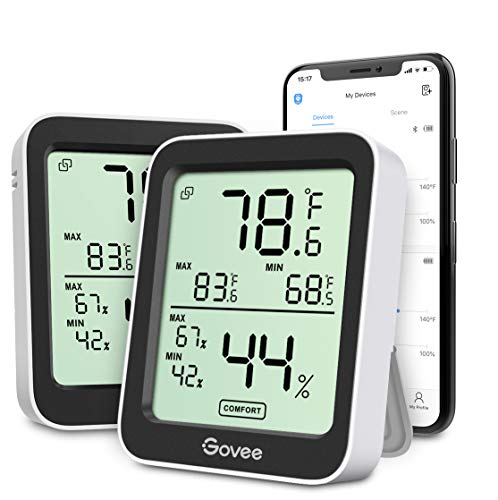
Digital Thermometer and Hygrometer Combo
This dual digital unit offers real-time monitoring of both temperature and humidity, crucial for preventing husbandry mistakes. Accurate readings allow keepers to manage enclosure conditions effectively, particularly for species with specific environmental needs.
Frequently Asked Questions
The corn snake (Pantherophis guttatus) is widely considered the easiest snake for beginners. It's docile, eats frozen/thawed mice reliably, tolerates a range of temperatures, and comes in hundreds of beautiful color morphs. Ball pythons are a close second for their calm temperament, though they can occasionally be picky eaters.
References & Sources
- https://community.morphmarket.com/t/advice-for-beginners-snakes/36667
- https://www.thesprucepets.com/pet-snakes-1237319
- https://www.petmd.com/reptile/popular-pet-snake-species
- https://www.petmd.com/reptile/slideshows/best-captive-bred-snakes-stay-small
- https://www.thesprucepets.com/snake-species-1239472
- https://www.petmd.com/reptile/corn-snake-care-sheet
Related Articles

Best Live Plants for Snake Terrarium: A Comprehensive Guide
Discover the best live plants for your snake's terrarium to create a lush, natural, and enriching environment. Learn how to choose safe, beneficial plants and keep them thriving.

Best Rosy Boa Heating: Setup Guide & Top Picks
Find the best rosy boa heating setup with our expert guide. Learn exact temps, top heating products, thermostat tips, and common mistakes to avoid.

Best Pet Snakes for Beginners: 10 Top Picks Ranked
Ranked by ease of care, temperament, and cost — the 10 best pet snakes for beginners, with a quick-match table so you can find your perfect first snake instantly.