The Best Snake for a Pet? A Keeper's Guide to Top Species
Searching for the best snake to keep as a pet? Our guide covers the top species, from Corn Snakes to Ball Pythons, ranking them on temperament, size, and care.


This article contains affiliate links. If you make a purchase through these links, we may earn a small commission at no extra cost to you. See our affiliate disclosure for details.
We recommend 4 picks here. Our top choice is the 40 Gallon Glass Terrarium — check price and availability below.
How we choose: we compare published specifications against the care requirements in veterinary and species-care literature, and weigh those against what long-time keepers report. We do not test products ourselves and we do not restate Amazon star ratings. The 6 sources behind this article are listed at the bottom.
Quick Comparison
- Product Type
- Enclosure
- Primary Benefit
- Spacious Habitat
- Suitable for Humidity Levels
- Moderate-High
- Price Range (Estimate)
- $100-200
- Key Safety Feature
- Adequate Space
- Product Type
- Monitoring Device
- Primary Benefit
- Environmental Accuracy
- Suitable for Humidity Levels
- All Levels
- Price Range (Estimate)
- $15-30
- Key Safety Feature
- Accurate Readings
- Product Type
- Heating System
- Primary Benefit
- Regulated Belly Heat
- Suitable for Humidity Levels
- All Levels
- Price Range (Estimate)
- $30-60
- Key Safety Feature
- Thermostat Control
- Product Type
- Substrate
- Primary Benefit
- Natural Burrowing
- Suitable for Humidity Levels
- Low
- Price Range (Estimate)
- $10-25
- Key Safety Feature
- Low Dust
Prices are estimates only. Actual prices on Amazon may vary.
So, you're looking for the "best snake." That's a fantastic goal, but the truth is, the best snake isn't a single species. It's the one that best fits your lifestyle, experience level, and what you want out of pet ownership. Are you looking for a docile companion you can handle often? Or a beautiful display animal that's fascinating to watch? Maybe you're on a budget, or perhaps you have plenty of space for a larger reptile.
This guide is here to help you navigate those questions. As herpetological care specialists, we've helped countless new and experienced keepers find their perfect slithery companion. We'll break down the key factors you need to consider and then introduce you to some of the most popular and rewarding species in the hobby. By the end, you'll have a much clearer idea of what the "best snake" looks like for you. For those just starting out, you may also find our list of the best pet snakes for beginners a helpful starting point.
How to Choose Your Best Snake: Key Factors
Before you fall in love with a photo of a stunning snake, it's crucial to think practically. A mismatch in expectations and reality is the number one reason people leave the hobby. Let's break down the most important considerations.
Temperament: Friend or Foe?
A snake's personality is paramount. Some species are famously docile and tolerant of handling, while others are more nervous, defensive, or prone to biting. A defensive snake isn't "mean"; it's just scared. But for a new keeper, a bite can be a frightening experience. Species like Ball Pythons and Corn Snakes are renowned for their calm nature, making them a top choice for those who want a hands-on pet. Others, like some Kingsnakes, can be flighty and nippy when young, though they often calm down with age and consistent, gentle handling.
Size: How Big is Too Big?
That tiny, shoelace-sized baby snake at the pet store can grow into a formidable animal. It's vital to research the adult size of any species you're considering. A Garter Snake might only reach 2-3 feet, making it suitable for a smaller enclosure. A Corn Snake at 4-5 feet is very manageable. But a Boa Constrictor can easily exceed 8 feet and requires a very large, heavy, and custom-built enclosure. Underestimating a snake's final size leads to welfare issues and can become an overwhelming burden for the keeper. Be honest with yourself about the space you can realistically provide for the animal's entire life.
Cost: The Initial and Ongoing Investment
(Estimates only — actual prices on Amazon may vary.) The price of the snake itself is often just the beginning. You must factor in the cost of a complete setup. An appropriate enclosure can cost anywhere from $100 for a basic tank to over $1,000 for a large, custom PVC cage. Then there's heating, lighting, substrate, hides, water bowls, and thermostats. These essential items can easily add up to several hundred dollars. Ongoing costs include food (which gets more expensive as the snake grows), potential vet bills (an exotic vet visit can be costly), and electricity for heating elements. A "cheap" snake isn't cheap if its care requirements are expensive.
Hardiness: How Forgiving is the Species?
Hardiness refers to a snake's ability to tolerate minor imperfections in its environment. Beginner keepers are bound to make small mistakes with temperature or humidity. A hardy snake, like a Corn Snake or Kingsnake, is more likely to thrive despite these small learning errors. Species that are more sensitive, like a Green Tree Python, require precise environmental control and are best left to experienced keepers. Choosing a hardy snake as your first pet sets you up for success and reduces stress for both you and the animal.
Feeding: What's on the Menu?
Most commonly kept snakes eat rodents. For the vast majority of keepers, feeding frozen-thawed (f/t) prey is the best practice. It's safer for the snake (a live mouse can bite and injure your pet), more humane for the prey, and more convenient to store. Some snakes, however, can be picky eaters and may initially refuse f/t. Ball Pythons are sometimes known for this. Other species, like Garter Snakes, have a more varied diet and can eat fish or worms, which might be more appealing to a keeper who is squeamish about rodents. Consider your comfort level with feeding and the reliability of the snake's feeding response.
5 Key Factors to Consider
What you need to know
Temperament: Choose docile species (Corn Snakes, Ball Pythons) if you want frequent handling; avoid defensive or flighty species as a beginner
Size: Research adult length before buying—tiny hatchlings grow to 4-8+ feet and need large, custom enclosures
Cost: Factor in setup ($100-$1,000+) and ongoing expenses (food, heating, exotic vet care) beyond the snake's price
Hardiness: Beginner-friendly species (Corn Snakes, Kingsnakes) tolerate minor temperature/humidity mistakes; sensitive species (Green Tree Python) require precise control
Feeding: Most snakes eat frozen-thawed rodents; consider species that feed reliably and your comfort level with feeding
Corn Snake Care Snapshot
Adult Size
3–5 feet
Slender build feels less intimidating
Cool Side
75–80°F (24–27°C)
Warm Side
85–90°F (29–32°C)
Humidity
40–50%
Substrate
Aspen shavings, cypress mulch
Minimum Enclosure
40+ gallons or 4-foot PVC (adult)
Feeding
Pinky mice (5–7 days, juveniles); large adult mice (10–14 days, adults)
Ball Python Care Snapshot
Adult Size
Females 3–5 ft, Males 2–3 ft
Heavy-bodied, smaller than Corn Snakes
Cool Side
76–80°F (24–27°C)
Warm Side
88–92°F (31–33°C)
Humidity
55–65%
Higher than Corn Snakes; critical for shedding
Substrate
Cypress mulch, coconut fiber
Housing Type
Rack system or small PVC with tight hides
Not large glass tanks—they stress in open spaces
Temperament
Incredibly docile, rarely bite
Perfect for calm, hands-on interaction
Detailed Reviews
1. 40 Gallon Glass Terrarium
Best Overall
40 Gallon Glass Terrarium
Pros
- •Provides significant space for active snake species.
- •Allows for creation of proper thermal gradients.
- •Glass construction maintains humidity effectively.
- •Offers clear viewing for observation.
Cons
- •Can be heavy and difficult to move once set up.
- •Requires significant space in the keeper's home.
- •May be overkill for very small or juvenile snakes.
Bottom Line
This terrarium offers substantial volume, crucial for the well-being of most adult beginner snakes, enabling essential thermal gradients and enrichment opportunities. Its glass construction provides excellent viewing while supporting consistent environmental conditions.
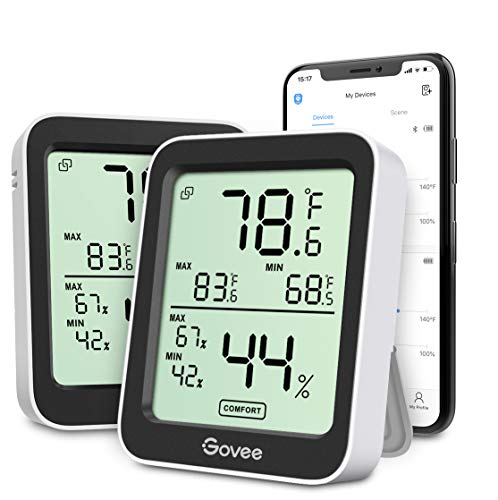
2. Digital Thermometer/Hygrometer Combo
Editor's Choice
Digital Thermometer/Hygrometer Combo
Pros
- •Provides precise, simultaneous readings of temperature and humidity.
- •Crucial for maintaining optimal health and preventing respiratory issues.
- •Easy-to-read digital display for quick environmental checks.
- •Often features a probe for accurate readings at specific points in the enclosure.
Cons
- •Requires battery replacement at intervals.
- •Sensor placement is critical for accurate readings.
- •Some models may have limited range or accuracy for extreme conditions.
Bottom Line
This essential device provides continuous, accurate monitoring of both temperature and humidity within a snake's enclosure. It is a fundamental tool for preventing common husbandry-related health issues and ensuring consistent environmental parameters.
3. Heat Mat with Thermostat
Best Value
Heat Mat with Thermostat
Pros
- •Provides essential belly heat for proper snake digestion.
- •Thermostat control prevents dangerous overheating and burns.
- •Creates a stable warm spot without affecting ambient air temperature significantly.
- •Efficient and economical for providing localized heat.
Cons
- •Only provides under-tank heating, not ambient heat.
- •Improper thermostat setup can still pose risks.
- •Not suitable for species requiring overhead basking heat.
Bottom Line
A heat mat coupled with a thermostat delivers crucial substrate-level warmth, vital for a snake's digestive health and overall well-being. The integrated thermostat is indispensable for safety, regulating temperatures to prevent thermal burns.
4. Aspen Snake Bedding
Budget Pick
Aspen Snake Bedding
Pros
- •Promotes natural burrowing behavior.
- •Low dust content, reducing respiratory irritation.
- •Excellent for species requiring lower humidity environments.
- •Easy to spot-clean and replace as needed.
Cons
- •Breaks down quickly in high humidity, leading to mold.
- •Not suitable for tropical species requiring high moisture.
- •Can be ingested during feeding, potentially causing impaction.
Bottom Line
Aspen bedding is a popular choice for arid-dwelling snakes, supporting natural instincts like burrowing while being easy to maintain. Its low-dust nature contributes to a cleaner respiratory environment, though it is unsuitable for high-humidity setups.
Corn Snake (Pantherophis guttatus): The Beginner's Champion
If there's one snake that consistently tops the list as the best starter pet, it's the Corn Snake. They are the total package: docile, hardy, manageable in size, and available in a breathtaking array of colors and patterns (called morphs).
Temperament and Handling
Corn Snakes are generally reluctant to bite and are very tolerant of handling. As hatchlings, they can be a bit nervous and flighty, but they quickly calm down with regular, gentle interaction. They are active and curious snakes, making them engaging to handle as they explore your hands and arms.
Size and Appearance
Most adult Corn Snakes average between 3 to 5 feet. They have a slender build, which makes them feel less intimidating than a heavier-bodied snake of the same length. The "normal" or wild-type Corn Snake is a beautiful mix of orange, red, and black, but breeders have developed hundreds of morphs, from pure white "Blizzards" to pink "Strawberry" varieties.
Housing and Care
As terrestrial snakes, they need more floor space than climbing height. A 20-gallon long tank is suitable for a juvenile, but an adult will require an enclosure of at least 40 gallons or a [4-foot PVC enclosure](https://www.amazon.com/dp/B0DRSHBP5S?tag=krawlo-20 to allow for adequate movement.
| Parameter | Recommended Range |
|---|---|
| Ambient Cool Side | 75-80°F (24-27°C) |
| Warm Side (Basking) | 85-90°F (29-32°C) |
| Humidity | 40-50% |
| Substrate | Aspen shavings, cypress mulch |
Feeding
Corn Snakes are excellent eaters. They thrive on a diet of appropriately sized frozen-thawed mice. Hatchlings start with pinky mice every 5-7 days, and adults graduate to large adult mice every 10-14 days. Their enthusiastic feeding response is very rewarding for new keepers.
Ball Python (Python regius): The Docile Curio
Ball Pythons are arguably one of the most popular pet snakes in the world, and for good reason. Their calm, shy nature and manageable size make them a fantastic choice, though they do have some specific care quirks.
Temperament and Handling
Their name comes from their primary defense mechanism: coiling into a tight, protective ball with their head tucked away when they feel threatened. They are incredibly docile and rarely bite. Their movements are slow and deliberate, making them a very relaxing snake to handle. They are a great option for someone looking for a "lap snake" they can calmly interact with while watching TV.
Size and Appearance
Ball Pythons are a relatively small, heavy-bodied python. Females are typically larger, reaching 3 to 5 feet, while males are often smaller, around 2 to 3 feet. Like Corn Snakes, they come in thousands of designer morphs, with variations in color and pattern that can range from a few hundred to many thousands of dollars.
Housing and Care
These snakes are notorious for feeling stressed in large, open spaces. They thrive in secure environments with plenty of tight hides. Using a rack system or smaller PVC enclosures often works better than a large glass tank. Maintaining proper humidity is critical for their health and shedding.
| Parameter | Recommended Range |
|---|---|
| Ambient Cool Side | 76-80°F (24-27°C) |
| Warm Side (Basking) | 88-92°F (31-33°C) |
| Humidity | 55-65% |
| Substrate | Cypress mulch, coconut fiber |
Feeding
This is the one area where Ball Pythons can be tricky. They are known for going on fasting periods, sometimes for months at a time, which can be stressful for a new owner. They can also be picky about switching from live to frozen-thawed prey. However, a healthy, established Ball Python that eats f/t rodents regularly is a joy to keep.
Kingsnakes & Milksnakes (Lampropeltis genus): The Colorful Eaters
This diverse group includes popular species like the California Kingsnake, Mexican Black Kingsnake, and various Milksnakes. They are known for their vibrant colors, active nature, and incredible feeding response.
Temperament and Handling
Kingsnakes can be a bit more nervous and defensive than a Corn Snake or Ball Python, especially as babies. They may vibrate their tails (a harmless bluff) or release musk. However, with consistent handling, they typically grow into confident and handleable adults. They are very active and inquisitive, making for an entertaining pet.
Size and Appearance
Size varies by species, but most common Kingsnakes (like the California King) average 3-4 feet. Their patterns are often banded or striped with high-contrast colors like black, white, red, and yellow. This striking appearance makes them a beautiful display animal. Our general guide to the best pet snakes covers even more of this variety.
Housing and Care
Their care is very similar to Corn Snakes. They are hardy and generally do well in a 40-gallon equivalent enclosure as adults. A key rule for this genus: never house them together. Their scientific name, Lampropeltis, means "shiny shield," but their reputation for ophiophagy (eating other snakes) is well-earned.
| Parameter | Recommended Range |
|---|---|
| Ambient Cool Side | 75-80°F (24-27°C) |
| Warm Side (Basking) | 85-90°F (29-32°C) |
| Humidity | 40-50% |
| Substrate | Aspen shavings, soil mixes |
Feeding
Kingsnakes are famous for being garbage disposals. They have a voracious appetite and will eagerly take frozen-thawed mice. Their powerful constriction is impressive to watch. Their reliability at feeding time is a huge plus for keepers who worry about picky eaters.
Boa Constrictor (Boa imperator): The Gentle Giant
For those with the space, a Boa Constrictor can be one of the most rewarding snakes to keep. While their size demands respect and preparation, they are often incredibly calm and intelligent animals. This is definitely not a best starter snake, but is one of the best for an intermediate keeper.
Temperament and Handling
Captive-bred boas are typically very docile and predictable. They are slow-moving and inquisitive, and many seem to genuinely tolerate, or even enjoy, handling. However, their size and strength must be respected. An adult boa is a powerful animal, and handling should always be done with focus and confidence.
Size and Appearance
This is their most significant consideration. While some localities stay smaller, a common Boa Imperator female can reach 7-9 feet, with males being a bit smaller. They are thick, heavy-bodied snakes. You must be prepared to house and handle an animal of this size.
Housing and Care
Baby boas can start in smaller enclosures, but adults need a large, robust cage, typically measuring at least [6-8 feet long and 2-3 feet deep](https://www.amazon.com/dp/B0CV4VXC8K?tag=krawlo-20 Custom-building is often the best and most cost-effective route for an adult's forever home. Proper humidity is also key for them.
| Parameter | Recommended Range |
|---|---|
| Ambient Cool Side | 78-82°F (25-28°C) |
| Warm Side (Basking) | 88-92°F (31-33°C) |
| Humidity | 60-70% |
| Substrate | Cypress mulch, coco husk |
Feeding
Boas are great eaters. They graduate from mice to rats as they grow, and very large adults may even take small rabbits. Feeding a snake of this size requires a comfort level with large prey items and a dedicated storage solution.
Your Pre-Purchase Health Check
Once you've chosen a species, the final step is to select a healthy individual from a reputable source, like a trusted breeder or a reptile-specific store. Avoid snakes with visible health issues, as this can lead to heartache and expensive vet bills. Here's a quick checklist for what to look for:
- Clear Eyes: The eyes should be clear and bright. If they are cloudy or blueish, the snake is in its shed cycle, which is normal. Avoid snakes with crinkled or dented eye caps.
- Clean Breathing: There should be no clicking, wheezing, or bubbling from the nose or mouth. These are signs of a respiratory infection.
- Firm Body Tone: Gently hold the snake. It should feel firm and muscular, not flaccid or bony. The spine should not be prominently visible.
- Alert and Responsive: A healthy snake should be alert to its surroundings. It should flick its tongue and respond to your presence. Lethargy can be a sign of illness.
- No External Parasites: Look closely at the skin, especially around the eyes and under the chin, for tiny black or red dots (mites or ticks).
Conclusion: Your Best Snake is a Personal Choice
There is no single "best snake" in the world, only the best snake for you. For many, the easy care and gentle nature of the Corn Snake make it the undisputed champion. For others, the puppy-dog personality of a Ball Python is the perfect fit. If you want a vibrant and active animal, a Kingsnake might be your ideal pet, and if you have the space and experience, a majestic Boa Constrictor could be your ultimate companion.
Your journey starts with honest self-assessment and thorough research. By understanding the temperament, size, cost, and care needs of a species before you buy, you are paving the way for a successful and rewarding experience. Choose responsibly, provide the best possible care, and you will have found the very best snake for your home.
Our Final Verdict
40 Gallon Glass Terrarium
This terrarium offers substantial volume, crucial for the well-being of most adult beginner snakes, enabling essential thermal gradients and enrichment opportunities. Its glass construction provides excellent viewing while supporting consistent environmental conditions.
Digital Thermometer/Hygrometer Combo
This essential device provides continuous, accurate monitoring of both temperature and humidity within a snake's enclosure. It is a fundamental tool for preventing common husbandry-related health issues and ensuring consistent environmental parameters.

Heat Mat with Thermostat
A heat mat coupled with a thermostat delivers crucial substrate-level warmth, vital for a snake's digestive health and overall well-being. The integrated thermostat is indispensable for safety, regulating temperatures to prevent thermal burns.
Frequently Asked Questions
The most friendly snakes are generally considered to be Ball Pythons and Corn Snakes. Ball Pythons are exceptionally docile and rarely bite, preferring to curl into a ball. Corn Snakes are also very calm, tolerant of handling, and less prone to the feeding issues that can sometimes affect Ball Pythons.
References & Sources
- https://reptifiles.com/snake-care-sheets/
- https://www.petmd.com/reptile/ball-python-care-sheet
- https://www.petmd.com/reptile/popular-pet-snake-species
- https://www.thesprucepets.com/pet-snakes-1237319
- https://www.thesprucepets.com/pet-snake-species-5268240
- https://www.thesprucepets.com/snake-species-1239472
Related Articles

Best 4x2x2 Reptile Enclosure: Top Picks & Reviews 2026
Find the best 4x2x2 reptile enclosure for your pet. We compare PVC, wood, and hybrid options from Zen Habitats, Kages, and more — with honest pros and cons.

Best Bearded Dragon Accessories: Complete Setup Guide
Discover the best bearded dragon accessories for a thriving enclosure — basking platforms, hides, hammocks, climbing décor, and expert design tips for every budget.

Best Substrate for Aquatic Turtles: Sand or Gravel?
Choosing the best substrate for aquatic turtles affects water quality, health, and behavior. Here's what actually works — and what to avoid.