Best Russian Tortoise Food: Top Picks & Feeding Guide
Discover the best Russian tortoise food — from daily greens to safe veggies, supplements, and foods to avoid. Practical feeding guide for healthy tortoises.


This article contains affiliate links. If you make a purchase through these links, we may earn a small commission at no extra cost to you. See our affiliate disclosure for details.
We recommend 5 picks here. Our top choice is the Mazuri Tortoise Diet — check price and availability below.
How we choose: we compare published specifications against the care requirements in veterinary and species-care literature, and weigh those against what long-time keepers report. We do not test products ourselves and we do not restate Amazon star ratings. The 3 sources behind this article are listed at the bottom.
Quick Comparison
- Primary Function
- Primary Food Supplement
- Form
- Pellets
- Frequency of Use
- Several times/week
- Contains Vitamin D3
- Yes
- Aids Natural Beak Wear
- No
- Primary Function
- Primary Fiber Source
- Form
- Loose Hay
- Frequency of Use
- Free-choice
- Contains Vitamin D3
- No
- Aids Natural Beak Wear
- Yes
- Primary Function
- Multivitamin Supplement
- Form
- Fine Powder
- Frequency of Use
- 1-2 times/week
- Contains Vitamin D3
- Yes
- Aids Natural Beak Wear
- No
- Primary Function
- Calcium Supplement
- Form
- Fine Powder
- Frequency of Use
- 2-3 times/week
- Contains Vitamin D3
- No (plain)
- Aids Natural Beak Wear
- No
- Primary Function
- Self-Regulating Calcium/Beak Trimmer
- Form
- Solid Block
- Frequency of Use
- Free-choice
- Contains Vitamin D3
- No
- Aids Natural Beak Wear
- Yes
Prices are estimates only. Actual prices on Amazon may vary.
Russian tortoises are tough little animals. They survive harsh Central Asian winters, rocky steppes, and long dry seasons. But in captivity, diet is one of the biggest challenges owners face — and one of the most common causes of health problems.
The good news? Getting their diet right isn't complicated. You just need to know which foods to reach for and which ones to avoid. This guide walks you through the best Russian tortoise food options, a simple feeding schedule, and the supplements that keep your tortoise healthy for decades.
Why Diet Matters So Much
Russian tortoises (Agrionemys horsfieldii) are strict herbivores. In the wild, they graze on dry grasses, tough weeds, wildflowers, and fibrous plants. Their digestive system evolved for high-fiber, low-sugar, low-protein food.
When you feed them the wrong things — even vegetables you think of as healthy — you can cause serious problems. Kidney disease, shell deformities, and metabolic bone disease are all linked to poor diet. Getting this right is one of the most important things you can do for your tortoise's long-term health. For a full care overview, see our Russian Tortoise Care: Complete Beginner's Guide.
Best Greens for Russian Tortoises
What you need to know
Dandelion greens are the staple — excellent calcium, widely available, and most tortoises love them
Dark leafy greens (collard, turnip, mustard) should make up 70–80% of diet, rotated regularly
Foraged wild plants (plantain, clover, hawkweed, sow thistle) are nutritionally closest to wild diet
Timothy hay or orchard grass must be offered free-choice for fiber and beak wear
Best Commercial Tortoise Foods
Quick recommendations
Specifically formulated for tortoises with balanced calcium and fiber; soak in water before feeding
Gel-based food mixed with hot water; good backup when some tortoises won't eat pellets
Essential Supplements
Quick recommendations
Most commonly used by experienced keepers; use once every 1–2 weeks
Cheap, natural, and effective; tortoises gnaw on it anytime for extra calcium
Russian Tortoise Feeding Schedule
Hatchling (0–2 years)
Daily
Small handful per feeding
Juvenile (2–5 years)
5–6 days/week
Handful per feeding
Adult (5+ years)
4–5 days/week
Salad-plate sized pile
Detailed Reviews
1. Mazuri Tortoise Diet
Best Overall
Mazuri Tortoise Diet
Pros
- •Vet-formulated for balanced nutrition.
- •Contains essential fiber, calcium, and vitamins.
- •Suitable as a dietary supplement when fresh greens are scarce.
- •High palatability when pre-soaking, readily accepted by most tortoises.
Cons
- •Should not be the sole diet, requires fresh greens.
- •May need pre-soaking to improve acceptance.
- •Can be more expensive than fresh produce.
Bottom Line
This commercial diet offers a nutritionally complete and balanced option specifically formulated for tortoises. It serves as an excellent supplemental food source, particularly useful for ensuring adequate nutrient intake on days when fresh forage is unavailable.
2. Timothy Hay (Small Animal)
Best Value
Timothy Hay (Small Animal)
Pros
- •Provides essential high fiber for optimal gut health.
- •Encourages natural grazing behaviors.
- •Helps with natural beak wear to prevent overgrowth.
- •Can be offered free-choice, readily available to tortoises.
Cons
- •Not a complete diet on its own; must be combined with fresh greens.
- •Some tortoises may initially ignore it if not accustomed.
- •Requires regular replacement to maintain freshness.
Bottom Line
Timothy hay is a crucial dietary component for Russian tortoises, offering high fiber content vital for digestive function. Its coarse texture also provides natural enrichment and aids in maintaining proper beak length.
3. Zoo Med Reptivite Reptile Vitamins
Editor's Choice
Zoo Med Reptivite Reptile Vitamins
Pros
- •Provides a comprehensive blend of essential reptile vitamins.
- •Trusted by experienced keepers for broad nutritional support.
- •Easy to apply by dusting onto food.
- •Helps prevent common vitamin deficiencies in captive diets.
Cons
- •Requires careful dosing to avoid hypervitaminosis.
- •Not a substitute for a primary balanced diet.
- •Some tortoises may detect and avoid dusted food.
Bottom Line
This multivitamin supplement is a highly regarded choice for ensuring captive reptiles receive a full spectrum of necessary vitamins. It effectively bridges the nutritional gaps that can occur even in well-planned fresh diets, supporting long-term health.
4. Calcium Carbonate Powder for Reptiles
Premium Pick
Calcium Carbonate Powder for Reptiles
Pros
- •Pure calcium carbonate, free from Vitamin D3, ideal for UVB-exposed tortoises.
- •Crucial for strong shell and bone development.
- •Supports overall skeletal integrity and metabolic function.
- •Cost-effective and widely available.
Cons
- •Requires proper UVB lighting for effective absorption.
- •Can be overdusted if not measured carefully.
- •Needs consistent application to be effective.
Bottom Line
Plain calcium carbonate is a fundamental supplement for tortoises exposed to adequate UVB lighting, directly supporting critical bone and shell health. Its regular inclusion in the diet is non-negotiable for preventing metabolic bone disease and promoting robust development.
5. Cuttlebone for Reptiles
Budget Pick
Cuttlebone for Reptiles
Pros
- •Allows tortoises to self-regulate calcium intake.
- •Aids in natural beak trimming and wear.
- •Inexpensive and provides environmental enrichment.
- •Natural source of calcium.
Cons
- •Some tortoises may not utilize it consistently.
- •Can become dirty or waterlogged in the enclosure.
- •Calcium content is less controlled than dusted powder.
Bottom Line
Cuttlebone provides an excellent natural and self-regulating source of calcium, doubling as an effective tool for natural beak maintenance. Its affordability and enrichment value make it a popular addition among experienced tortoise keepers for promoting overall well-being.
The Best Greens for Russian Tortoises
The bulk of your tortoise's diet — around 70–80% — should come from leafy greens and weeds. Here are the best options to rotate through.
Dark Leafy Greens
These are the staples. Aim to offer a mix of these regularly:
- Dandelion greens — excellent calcium source, widely available, loved by most tortoises
- Collard greens — high fiber, great calcium-to-phosphorus ratio
- Turnip greens — nutritious and very well-tolerated
- Mustard greens — adds variety, slightly spicy flavor many tortoises enjoy
- Endive and escarole — low in oxalates, solid rotation options
Dandelion greens deserve special mention. They're nutritionally close to what Russian tortoises eat in the wild, and most tortoises absolutely love them. If your tortoise is picky, dandelion greens are often the gateway food that gets them eating well.
Weeds and Wild Plants (The Gold Standard)
If you have a yard free of pesticides and herbicides, wild plants are some of the best food you can offer. Russian tortoises evolved eating exactly these kinds of plants:
- Dandelion — whole plant including leaves, flowers, and stems
- Plantain weed (Plantago spp.) — the common lawn weed, not the banana
- Clover — leaves and flowers both work
- Hawkweed
- Sow thistle
Foraging from your yard (or a pesticide-free area) is free, completely natural, and gives your tortoise excellent nutritional variety. If you can grow a small tortoise garden patch, even better.
Grasses and Hay
Russian tortoises love to graze. Dry grasses and hay are critical for gut health — the fiber keeps their digestive system moving the way it should.
Offer Timothy hay or orchard grass as a constant free-choice food. Many tortoises will munch on it throughout the day, just like they would in the wild. Hay also helps wear down their beaks naturally, which can reduce the need for beak trimming over time.
Vegetables You Can Feed Occasionally
These veggies are fine in moderation — maybe once or twice a week — but they shouldn't be the main diet:
- Romaine lettuce — decent hydration source, relatively low nutrition, okay as a filler
- Kale — nutritious but high in goitrogens, limit to once a week
- Bok choy — similar to kale, occasional use only
- Butternut or acorn squash — low-sugar varieties work well occasionally
- Prickly pear cactus pads — excellent if you can find them, very hydrating with good calcium content
You might notice that some vegetables considered healthy for humans aren't ideal for tortoises. That's because their nutritional needs are very different from ours.
Foods You Should Never Feed
This is where a lot of owners go wrong. Some foods look harmless but cause real damage.
High-oxalate foods (limit or avoid entirely):
- Spinach — binds calcium and blocks absorption
- Swiss chard — same problem
- Beet greens — high oxalate content
High-goitrogen foods (limit to once weekly):
- Kale, broccoli, cabbage, Brussels sprouts
Foods to never feed — no exceptions:
- Fruit — Russian tortoises aren't adapted for fruit sugar. Even small amounts can disrupt gut bacteria and cause digestive issues. This is one of the most common mistakes new owners make.
- Animal protein — no meat, eggs, or insects. Their kidneys aren't built for it, and protein overload causes long-term kidney damage.
- Dog or cat food — sometimes suggested in old forums, always wrong
- Iceberg lettuce — virtually no nutrition, mostly water
- Corn or peas — too high in sugar and starch
- Wild plants you can't positively identify — some common yard plants are toxic
If you're ever unsure about a specific food, ReptiFiles' Russian tortoise care sheet has one of the most thorough food lists available.
Commercial Tortoise Foods: Are They Worth It?
Commercial diets can be a useful supplement — not a replacement for fresh greens, but a helpful addition on days when your produce is running low.
Mazuri Tortoise Diet is one of the most widely recommended options among experienced keepers. It's formulated specifically for tortoises, with balanced calcium and fiber. Many keepers soak it in water before feeding to add some moisture.
Repashy Grassland Grazer is another solid choice. It's a gel-based food you mix with hot water and let set. Some tortoises love it, others ignore it — worth trying if yours is picky.
Neither product should make up more than 15–20% of the total diet. Fresh plants always come first. But having a quality commercial option on hand is genuinely useful when you're short on fresh greens.
Calcium and Vitamin Supplements
Diet alone usually isn't enough. You'll need to dust food with supplements on a regular basis.
Calcium carbonate — dust food 2–3 times per week. This is essential for shell and bone development. Plain calcium carbonate powder (without vitamin D3) is the standard choice for tortoises that get proper UVB lighting.
Reptile multivitamin — use once every 1–2 weeks. [Zoo Med Reptivite with D3](https://www.amazon.com/dp/B07SKBGQSJ?tag=krawlo-20 is commonly used by experienced keepers. If your tortoise gets strong UVB exposure, you can use the D3-free version of calcium for daily dusting and reserve the D3 supplement for weekly use.
Also, always keep a [cuttlebone](https://www.amazon.com/dp/B08Y8SZVQL?tag=krawlo-20 in the enclosure. Your tortoise can gnaw on it for extra calcium whenever they want. It's cheap, natural, and genuinely effective.
Proper UVB lighting directly affects how well your tortoise processes dietary calcium — so supplement strategy and lighting are connected. For lighting details, check out our full Russian Tortoise Care: Complete Beginner's Guide.
How Much and How Often to Feed
Russian tortoises don't eat every day in the wild. Here's a simple schedule that works well in captivity:
| Age | Frequency | Portion Size |
|---|---|---|
| Hatchling (0–2 years) | Daily | Small handful |
| Juvenile (2–5 years) | 5–6 days/week | Handful |
| Adult (5+ years) | 4–5 days/week | Salad-plate sized pile |
Offer food in the morning after the enclosure has warmed up. Tortoises are more active and hungry after basking for a bit — a cold tortoise often won't eat. Remove uneaten food after a few hours to prevent mold and bacteria buildup.
Water and Hydration
Russian tortoises get a lot of moisture from their food in the wild. But in captivity, you should still provide a shallow water dish. Many tortoises will drink from it, and some will even soak.
Lukewarm soaks of 10–15 minutes, two or three times a week, are excellent for hydration and can help prevent shell pyramiding. Use a shallow dish they can easily climb out of — the water should be no deeper than the base of their shell.
Building the Perfect Tortoise Salad
Here's a simple formula for a balanced, rotation-friendly meal:
- Base (50%) — dandelion greens, collard greens, or turnip greens
- Variety (30%) — rotate mustard greens, endive, escarole, plantain weed
- Fiber (10%) — fresh grass clippings or a pinch of Timothy hay
- Accent (10%) — occasional squash, cactus pad, or other approved veggies
Vary it daily. Tortoises that eat the same thing every day can develop nutritional gaps over time. Variety also just makes feeding more interesting for them — you'll notice they get excited about new smells and textures.
Quick Reference: Russian Tortoise Food Chart
| Food | Frequency | Notes |
|---|---|---|
| Dandelion greens | Daily | Excellent, high calcium |
| Collard greens | 3–4x/week | Great staple |
| Turnip greens | 3–4x/week | Rotate with collards |
| Mustard greens | 2–3x/week | Good variety |
| Timothy hay | Always available | Free-choice |
| Endive/escarole | 2–3x/week | Low oxalate |
| Kale | 1x/week max | Limit goitrogens |
| Squash (low-sugar) | Occasional | Butternut or acorn |
| Cactus pads | Occasional | Excellent if available |
| Fruit | Never | Not adapted for fruit sugar |
| Animal protein | Never | Kidney damage risk |
Seasonal Eating Patterns
One thing worth knowing: Russian tortoises naturally reduce their food intake before brumation (hibernation). In late fall, you may notice your tortoise eating less or refusing food entirely. Don't panic — this is completely normal.
Don't force-feed during this period. Let them eat less, keep the enclosure warm, and watch for signs of illness versus natural pre-brumation behavior. During active spring and summer months, they tend to eat more enthusiastically. That's the best time to maximize variety and really load up their diet with weeds and fresh greens.
Comparing Russian Tortoises to Other Species
If you're thinking about adding other tortoise species to your collection, it helps to know how Russian tortoise diet compares. Our Sulcata Tortoise Care guide covers a species with very similar high-fiber dietary needs — though sulcatas require dramatically more food given their much larger size. Both species thrive on grasses, weeds, and leafy greens, so the core feeding philosophy is similar.
Final Thoughts
Feeding a Russian tortoise well isn't difficult — but it does take some intention. Stick to high-fiber greens, rotate through different plants, supplement with calcium regularly, and avoid the big mistakes like fruit and animal protein.
The tortoises that thrive longest in captivity are almost always the ones whose owners took diet seriously from day one. A well-fed Russian tortoise can live 40+ years. That's a relationship worth investing in — and it starts with what's in their food dish.
Our Final Verdict
Mazuri Tortoise Diet
This commercial diet offers a nutritionally complete and balanced option specifically formulated for tortoises. It serves as an excellent supplemental food source, particularly useful for ensuring adequate nutrient intake on days when fresh forage is unavailable.
Timothy Hay (Small Animal)
Timothy hay is a crucial dietary component for Russian tortoises, offering high fiber content vital for digestive function. Its coarse texture also provides natural enrichment and aids in maintaining proper beak length.
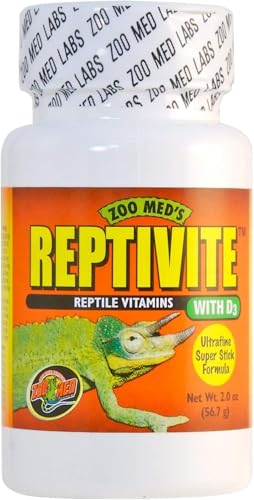
Zoo Med Reptivite Reptile Vitamins
This multivitamin supplement is a highly regarded choice for ensuring captive reptiles receive a full spectrum of necessary vitamins. It effectively bridges the nutritional gaps that can occur even in well-planned fresh diets, supporting long-term health.
Frequently Asked Questions
Avoid high-oxalate vegetables like spinach, Swiss chard, and beet greens, which block calcium absorption. Limit goitrogen-rich veggies like kale, broccoli, and cabbage to once a week. Never feed iceberg lettuce, corn, peas, or any fruit. Animal protein of any kind is also off-limits and can cause kidney damage over time.
References & Sources
Related Articles

Best Food to Feed Your Tortoise: A Complete Guide
Discover the best food to feed tortoise of every species — from leafy greens and grasses to what's toxic. Science-based feeding advice from experienced keepers.

Best Bedding for Russian Tortoise: A Keeper's Guide
Searching for the best bedding for your Russian tortoise? Our expert guide reviews top substrates to ensure your pet stays healthy, happy, and can burrow naturally.

Best Food for Tortoise: A Complete Keeper's Guide
Wondering what to feed your tortoise? Our complete guide covers the best food for tortoises, including safe weeds, vegetables, commercial diets, and crucial supplements for a long, healthy life.