Best Reptile Heating Pad: Top Picks & Buyer's Guide
Find the best reptile heating pad for your pet's enclosure. We cover top picks, wattage, sizing, and setup tips to keep your reptile warm and healthy.


This article contains affiliate links. If you make a purchase through these links, we may earn a small commission at no extra cost to you. See our affiliate disclosure for details.
We recommend 5 picks here. Our top choice is the Zoo Med ReptiTherm Under Tank Heater — check price and availability below.
How we choose: we compare published specifications against the care requirements in veterinary and species-care literature, and weigh those against what long-time keepers report. We do not test products ourselves and we do not restate Amazon star ratings. The 5 sources behind this article are listed at the bottom.
Quick Comparison
- Product Function
- Under Tank Heater
- Thermostat Control
- Requires External
- Target User
- All Keepers
- Key Benefit
- Reliable Belly Heat
- Price Range (Estimate)
- $20-40
- Product Function
- Under Tank Heater
- Thermostat Control
- Requires External
- Target User
- Experienced Keepers/Breeders
- Key Benefit
- Durability & Even Heat
- Price Range (Estimate)
- $40-80
- Product Function
- External Thermostat
- Thermostat Control
- Provides Control
- Target User
- All Keepers
- Key Benefit
- Precise Temperature Safety
- Price Range (Estimate)
- $25-45
- Product Function
- UTH with Built-in Thermostat
- Thermostat Control
- Built-in
- Target User
- Beginners
- Key Benefit
- All-in-One Convenience
- Price Range (Estimate)
- $30-55
- Product Function
- Temperature Monitor
- Thermostat Control
- None (Monitor Only)
- Target User
- All Keepers
- Key Benefit
- Accurate Temperature Verification
- Price Range (Estimate)
- $10-20
Prices are estimates only. Actual prices on Amazon may vary.
Keeping your reptile warm isn't optional — it's survival. Reptiles are cold-blooded, which means they can't make their own body heat. They depend entirely on you to give them the right temperatures. Without proper warmth, they can't digest food, fight off illness, or stay active.
A good reptile heating pad is one of the most important things you'll buy for your pet's setup. But with so many options out there, it can be hard to know which one is worth your money.
This guide covers everything you need to know. We'll look at the best reptile heating pad options available, explain what to look for, and help you set everything up safely.
Why Your Reptile Needs a Heating Pad
Most reptiles come from warm climates — deserts, tropical forests, and rocky scrublands. Their bodies are built to absorb heat from warm surfaces like sun-baked rocks and sand. In captivity, a heating pad mimics that warmth by heating the floor of the enclosure from below.
This is called a "belly heat" source. When a snake or lizard sits on a warm surface, it absorbs heat directly into its body. That warmth powers digestion, immune function, and metabolism.
Without belly heat, your reptile may:
- Refuse to eat
- Have trouble digesting meals
- Become lethargic or sick
- Be more vulnerable to infections like respiratory illness
According to Reptiles Magazine, providing proper thermal gradients — including belly heat — is essential for reptile health. A heating pad alone may not cover all your reptile's needs, but it's a critical part of any well-designed enclosure.
Wattage & Size Guide
5–10 gallon
4–8W
Small pad (4" × 5")
10–20 gallon
8–16W
Medium pad (6" × 8")
20–40 gallon
16–24W
Large pad (8" × 12")
40+ gallon
24W+
Extra Large or multiple
Top 5 Heating Pads
Quick recommendations
Decades-proven, works with standard thermostats, multiple sizes (4–24W). Best for snakes, leopard geckos, bearded dragons.
Durable construction, even heat distribution, custom sizes. Top pick for ball pythons & rack systems.
Clean heat output, slim profile, strong gecko-keeping reputation. Best for crested & leopard geckos.
All-in-one with built-in thermostat, digital display, waterproof. Ideal for beginners.
Affordable, widely available, simple design. Good for budget setups & moderate heating needs.
Detailed Reviews
1. Zoo Med ReptiTherm Under Tank Heater
Best Overall
Zoo Med ReptiTherm Under Tank Heater
Pros
- •Trusted brand reputation for consistent reptile heating solutions.
- •Available in multiple sizes to suit diverse enclosure dimensions.
- •Delivers reliable, uniform heat output crucial for reptile health.
- •Compatible with all standard reptile thermostats for safe temperature regulation.
Cons
- •Requires a separate thermostat for safe operation, increasing initial cost.
- •Heating effectiveness can be impacted by thick or insulating substrates.
- •Not designed to be a primary ambient air temperature heat source.
Bottom Line
The Zoo Med ReptiTherm is a widely trusted and consistently performing under-tank heater. It provides critical belly heat for proper digestion and metabolic function in various reptile species.
2. Ultratherm Reptile Heat Pad
Premium Pick
Ultratherm Reptile Heat Pad
Pros
- •Constructed for superior durability, offering extended lifespan and reliability.
- •Provides exceptionally even heat distribution, minimizing localized hot spots.
- •Designed for demanding, continuous use, including professional rack systems.
- •Efficient and consistent heat output supports optimal reptile health and metabolism.
Cons
- •Higher price point compared to many standard under-tank heaters.
- •Requires a separate thermostat for safe and accurate temperature control.
- •May have limited availability in certain niche sizes or regions.
Bottom Line
The Ultratherm Reptile Heat Pad is a premium choice favored by experienced keepers for its exceptional durability. It ensures superior, even heat distribution, making it ideal for demanding long-term applications.
3. Inkbird ITC-306A Reptile Thermostat
Editor's Choice
Inkbird ITC-306A Reptile Thermostat
Pros
- •Provides precise temperature control, vital for reptile health and safety.
- •An affordable solution for critical temperature regulation of heating devices.
- •Easy to set up and operate, suitable for all experience levels.
- •Helps prevent dangerous overheating, a common risk with unregulated heating pads.
Cons
- •Is not a heat source itself; requires a separate heating pad to function.
- •Designed to control only one heating device at a time.
- •External probe needs careful, secure placement for accurate readings.
Bottom Line
The Inkbird ITC-306A is an essential and affordable thermostat for precisely regulating heating pad temperatures. It offers reliable performance, ensuring optimal and safe thermal environments for reptiles.
4. BN-LINK Reptile Heating Pad with Built-In Thermostat
Budget Pick
BN-LINK Reptile Heating Pad with Built-In Thermostat
Pros
- •All-in-one unit with a heating pad and integrated thermostat, simplifying setup.
- •Budget-friendly option, ideal for cost-conscious beginners.
- •Adjustable digital thermostat provides basic, convenient temperature control.
- •Offers a straightforward and compact solution for starter reptile enclosures.
Cons
- •Built-in thermostat may offer less precise control than standalone, higher-end units.
- •Not designed for large or complex enclosure heating requirements.
- •Durability may not match separate component systems intended for long-term use.
Bottom Line
This BN-LINK heating pad offers an integrated, budget-friendly solution for reptile heating with its built-in digital thermostat. It's designed for ease of use, making it an excellent choice for initial setups.
5. Digital Reptile Thermometer with Probe
Best Value
Digital Reptile Thermometer with Probe
Pros
- •Provides accurate, spot-specific temperature readings with its external probe.
- •Essential for verifying heating pad temperatures and overall thermal gradients.
- •Helps prevent both dangerous overheating and insufficient warmth in the enclosure.
- •Affordable and easy to integrate into any reptile setup for ongoing monitoring.
Cons
- •Does not control temperature; it is solely a monitoring device.
- •Probe placement is critical for obtaining truly representative readings.
- •Requires periodic battery replacement if not a USB-powered model.
Bottom Line
An indispensable tool, this digital thermometer with a probe provides accurate, real-time temperature verification. It ensures your reptile's environment is truly at the desired temperature, critical for health and safety.
What to Look for in the Best Reptile Heating Pad
Not all heating pads are the same. Here's what actually matters when you're shopping.
Wattage and Size
Wattage determines how much heat a pad puts out. You need the right wattage for your enclosure size. A pad that's too weak won't heat the space. One that's too powerful can overheat the floor and harm your pet.
Here's a general sizing guide:
| Enclosure Size | Recommended Pad Size | Typical Wattage |
|---|---|---|
| 5–10 gallon | Small (4" x 5" or similar) | 4–8W |
| 10–20 gallon | Medium (6" x 8" or similar) | 8–16W |
| 20–40 gallon | Large (8" x 12" or similar) | 16–24W |
| 40+ gallon | Extra Large or multiple pads | 24W+ |
The heating pad should cover roughly one-third of the enclosure floor. This gives your reptile a warm side and a cool side — a temperature gradient they can move between as needed.
Thermostat Compatibility
This one is non-negotiable. Always use a thermostat with your heating pad.
Heating pads can run very hot on their own — sometimes hot enough to burn your reptile or crack the glass of a tank. A thermostat lets you set a target temperature and keeps the pad from going over it.
A simple on/off thermostat is fine for most setups. Dimmer thermostats and proportional thermostats are even better for fine-tuned control.
Never plug a heating pad directly into the wall without a thermostat. It's a safety risk for your pet and your home.
Build Quality and Safety Features
Look for pads that are:
- Waterproof or water-resistant — spills and substrate moisture happen
- Adhesive-backed — sticks securely under or inside the tank
- Made with durable, non-toxic materials — your reptile may sit on or near it constantly
- UL-listed or safety-certified — shows it meets basic electrical safety standards
Cheap, unbranded pads can be fire hazards. Stick with reputable brands or pads recommended by experienced keepers.
Under-Tank vs. Inside-Tank Placement
Most heating pads are designed to go under the tank, stuck to the outside bottom of the glass. This warms the glass, which warms the substrate inside.
Some pads are designed to go inside the enclosure, which can be useful for certain setups. If you go this route, make sure the pad is rated for interior use and won't get damaged by substrate or moisture.
LLL Reptile's installation guide strongly recommends leaving a small air gap between the pad and the surface it rests on. This prevents heat from building up and becoming a fire risk.
Top Picks: Best Reptile Heating Pads
1. Zoo Med ReptiTherm Under Tank Heater
The [Zoo Med ReptiTherm](https://www.amazon.com/dp/B00BUFWCNC?tag=krawlo-20 is one of the most trusted names in reptile heating. It's been around for decades, and for good reason.
Highlights:
- Available in multiple sizes (mini, small, medium, large, extra large)
- Adhesive backing sticks firmly to tank bottom
- Solid, consistent heat output
- Works with standard reptile thermostats
Best for: Snakes, leopard geckos, bearded dragons, and most common pet reptiles.
The mini version runs around 4 watts and suits 1–5 gallon setups. The larger sizes go up to 24 watts for big enclosures. You can read the Zoo Med installation instructions here to see exactly how to set it up safely.
2. Ultratherm Heat Pads
[Ultratherm](https://www.amazon.com/dp/B00BUFWCNC?tag=krawlo-20 is a favorite among serious reptile keepers and breeders. These pads are built tougher than most consumer options.
Highlights:
- Flexible, durable construction
- Even heat distribution across the entire pad surface
- Available in a wide range of custom sizes
- Works well for rack systems and large collections
Best for: Breeders, rack systems, ball pythons, and keepers who want a long-lasting product.
Many experienced keepers on community forums like MorphMarket recommend Ultratherm as a top-tier option, especially for snake breeding setups.
3. Pangea Reptile Heat Pad
The [Pangea heat pad](https://www.amazon.com/dp/B07MCDS3TK?tag=krawlo-20 has built a strong reputation in the gecko-keeping community. Pangea is known for quality products, and their heating pad is no exception.
Highlights:
- Clean, even heat output
- Slim profile — sits flat under tanks
- Adhesive backing holds well over time
- Multiple size options
Best for: Crested geckos, leopard geckos, and smaller enclosures.
4. BN-LINK Reptile Heating Pad with Thermostat
The [BN-LINK heating pad](https://www.amazon.com/dp/B08XWQQNG5?tag=krawlo-20 is a budget-friendly option that includes a built-in temperature controller. For new reptile owners who haven't bought a thermostat yet, this is a convenient all-in-one solution.
Highlights:
- Includes built-in adjustable thermostat
- Digital temperature display
- Multiple size options
- Waterproof surface
- Affordable price point
Best for: Beginners, budget-conscious keepers, and those who want simplicity.
Keep in mind that built-in thermostats on combo units aren't always as accurate as dedicated thermostat units. If you're keeping a species with tight temperature requirements — like a ball python — a separate, quality thermostat is worth the extra investment.
5. Fluker's Heat Mat
[Fluker's](https://www.amazon.com/dp/B0D2MJGF49?tag=krawlo-20 is another long-standing reptile brand. Their heat mats are widely available, affordable, and reliable for basic setups.
Highlights:
- Easy to find in pet stores and online
- Multiple sizes available
- Simple, no-frills design
- Decent heat output for the price
Best for: Budget setups, starter enclosures, and reptiles with moderate heating needs.
How to Set Up Your Reptile Heating Pad Safely
Setting up a heating pad correctly makes a big difference. Follow these steps:
Step 1: Choose the right spot. Place the pad under one end of the tank — not the middle. This creates a warm side and a cool side.
Step 2: Peel and stick. Remove the adhesive backing and press the pad firmly to the outside bottom of the tank. Smooth out any air bubbles.
Step 3: Elevate the tank slightly. Use small rubber feet or cork pads to give a tiny air gap between the heating pad and whatever surface the tank sits on. This prevents heat buildup and potential fire hazards.
Step 4: Plug into a thermostat. Set the thermostat probe inside the enclosure, resting on the substrate above the warm side. Set your target temperature based on your reptile's needs.
Step 5: Check temperatures. Use a digital thermometer or infrared temperature gun to verify the surface temperature. Adjust the thermostat as needed before putting your reptile in.
For ball pythons, for example, ReptiFiles recommends a belly heat temperature of around 88–92°F on the warm side. Always research the specific temperature needs of your species.
Temperature Ranges for Common Reptiles
Different reptiles need different temperatures. Here's a quick reference:
| Reptile | Warm Side (Belly Heat) | Cool Side |
|---|---|---|
| Ball Python | 88–92°F | 76–80°F |
| Leopard Gecko | 88–92°F | 73–77°F |
| Bearded Dragon | 95–110°F (basking) | 80–85°F |
| Corn Snake | 80–85°F | 70–75°F |
| Blue-Tongue Skink | 90–100°F (basking) | 75–80°F |
| Crested Gecko | 72–78°F | 65–72°F |
Note: Bearded dragons and blue-tongue skinks primarily need overhead basking heat, not just belly heat. A heating pad can supplement their setup but shouldn't be their only heat source.
If your reptile is showing signs of temperature-related stress, check out our guide on reptile cold stress to understand the warning signs.
Common Mistakes to Avoid
Even experienced keepers make these errors. Don't let them happen to you.
Using no thermostat. We said it before, and we'll say it again. Always use a thermostat. Unregulated pads can reach temperatures that burn your reptile or crack your tank.
Covering the entire tank floor. Your reptile needs somewhere cool to retreat. If the whole floor is warm, your pet can't thermoregulate and may overheat.
Not checking temperatures. Buying a thermometer is not optional. You need to verify what's actually happening inside the tank, not just guess.
Using a heating pad for species that don't need belly heat. Arboreal species like green tree pythons or chameleons don't benefit from under-tank heating. Make sure your heating method matches your reptile's natural behavior.
Letting substrate get too thick. A thick layer of substrate insulates the heat and prevents it from reaching the surface where your reptile rests. Keep substrate depth appropriate for your species — usually 2–3 inches max over the pad area for most ground-dwelling species.
Avoid common setup errors by reading our full guide on lizard owner mistakes — many of these apply to snake keepers too.
Do You Need Anything Else Besides a Heating Pad?
A heating pad is a great start, but most reptiles need more than one heat source.
Basking bulbs provide overhead heat and UVB lighting for diurnal species. Bearded dragons, for example, need both belly heat and a hot basking spot.
Ceramic heat emitters (CHEs) produce heat without light, making them great for nighttime warmth.
Deep heat projectors are a newer technology that penetrates deeper into tissue than surface pads — some keepers use them alongside or instead of traditional heating pads.
For most nocturnal or crepuscular species — like ball pythons or leopard geckos — a heating pad plus a thermostat covers the bulk of their heating needs. Just make sure ambient room temperatures don't drop below their minimum needs overnight.
If you're new to handling your reptile after getting its setup right, our reptile handling guide is a helpful next step.
Final Thoughts
The best reptile heating pad for your setup depends on your enclosure size, your reptile species, and your budget. You can't go wrong starting with a trusted brand like Zoo Med, Ultratherm, or Pangea — paired with a quality thermostat.
Don't skip the thermostat. Don't skip the thermometer. And always give your reptile a warm side and a cool side to move between.
Get those basics right, and your reptile will have the warm, comfortable home it needs to thrive.
Our Final Verdict
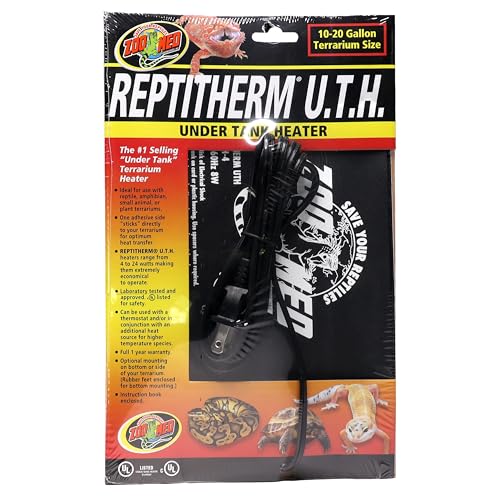
Zoo Med ReptiTherm Under Tank Heater
The Zoo Med ReptiTherm is a widely trusted and consistently performing under-tank heater. It provides critical belly heat for proper digestion and metabolic function in various reptile species.
Ultratherm Reptile Heat Pad
The Ultratherm Reptile Heat Pad is a premium choice favored by experienced keepers for its exceptional durability. It ensures superior, even heat distribution, making it ideal for demanding long-term applications.

Inkbird ITC-306A Reptile Thermostat
The Inkbird ITC-306A is an essential and affordable thermostat for precisely regulating heating pad temperatures. It offers reliable performance, ensuring optimal and safe thermal environments for reptiles.
Frequently Asked Questions
Yes, always. A heating pad without a thermostat can overheat, potentially burning your reptile or cracking the tank glass. A thermostat keeps the temperature controlled and safe. Even inexpensive on/off thermostats make a big difference.
References & Sources
- https://reptilesmagazine.com/ideal-heating-for-your-reptiles/?srsltid=AfmBOore6G3kOL3XE6Qloe4ZD5GK24miih_f7TDir6UmLxATNSa-xaC4
- https://community.morphmarket.com/t/recommended-heat-mat/45796
- https://zoomed.com/wp-content/uploads/RH-456-Mini-UTH-instr17.pdf
- https://www.lllreptile.com/articles/223-a-guide-to-under-tank-heat-pad-installation?srsltid=AfmBOoq7OqOw8ajh4eRJWcKhgj4TnVRLbQX2E8u-_wg6BaoaJTwoRtxY
- https://reptifiles.com/ball-python-care-guide/ball-python-humidity-temperatures/
Related Articles

Best UVB Bulb for Reptiles: 2026 Buyer's Guide
Find the best UVB bulb for your reptile in 2026. We compare T5 HO, T8, and mercury vapor options so your animal gets the vitamin D3 it needs to thrive.

Best Reptile Heat Lamp: Top Picks for Every Species
Find the best reptile heat lamp for your species. We compare halogen, ceramic, and mercury vapor options with temperature guides and expert buying tips.

Best Reptile Terrarium Background: Top Picks & Guide
Find the best reptile terrarium background for your setup. We cover foam, cork, vinyl, and DIY options — with tips on bioactive builds and species matching.