Best Reptile Digital Thermometer: 2026 Buyer's Guide
Tired of inaccurate readings? Our guide reveals the best reptile digital thermometers for 2026, comparing temp guns and probes for a healthy, happy pet.


This article contains affiliate links. If you make a purchase through these links, we may earn a small commission at no extra cost to you. See our affiliate disclosure for details.
We recommend 3 picks here. Our top choice is the Infrared Thermometer Gun — check price and availability below.
How we choose: we compare published specifications against the care requirements in veterinary and species-care literature, and weigh those against what long-time keepers report. We do not test products ourselves and we do not restate Amazon star ratings. The 6 sources behind this article are listed at the bottom.
Quick Comparison
- Measurement Type
- Surface (Non-contact)
- Monitoring Capability
- Spot-check (Manual)
- Primary Function
- Basking Spot Accuracy
- Measures Humidity
- No
- Estimated Price Range
- $15-30
- Measurement Type
- Ambient Air & Humidity
- Monitoring Capability
- Continuous 24/7
- Primary Function
- Environmental Overview
- Measures Humidity
- Yes
- Estimated Price Range
- $20-50
- Measurement Type
- Heating Element Control
- Monitoring Capability
- Continuous Regulation
- Primary Function
- Safety & Stability
- Measures Humidity
- No
- Estimated Price Range
- $30-100
Prices are estimates only. Actual prices on Amazon may vary.
Getting the temperature right for your reptile isn't just a suggestion—it's the absolute foundation of their health. As ectotherms, reptiles rely entirely on their environment to regulate their body temperature. The right heat fuels their metabolism, digestion, immune system, and even their ability to simply move around. An inaccurate thermometer can quietly lead to devastating health problems, from respiratory infections to metabolic bone disease.
So how do you get it right? You need a reliable and accurate way to measure their environment. Forget the cheap, colorful dials you see in pet store kits. To truly know what your reptile is experiencing, you need the best reptile digital thermometer setup. It's the single most important tool for providing proper care.
In this guide, we'll break down the only two types of thermometers you should be using. We'll explain why you need both, what features to look for, and how to use them correctly. This is your blueprint for achieving total temperature mastery and giving your pet the healthy environment it deserves.
Why You Can't Trust Old-School Thermometers
If you've ever started with a reptile starter kit, you've likely seen them: round, colorful, stick-on dial thermometers. For the health and safety of your pet, it's time to throw them in the trash. These analog devices are notoriously inaccurate, often displaying temperatures that are 10-20°F (or more) off from the actual temperature.
There are a few reasons for this. First, their mechanical components are cheap and prone to failure. Second, and more importantly, they only measure the surface temperature of whatever they're stuck to—usually the cool glass or acrylic of the enclosure wall. This tells you absolutely nothing about the ambient air temperature or, critically, the temperature of the basking spot where your reptile absorbs most of its heat.
Using a dial thermometer is like trying to check if your oven is hot enough by touching the outside of the oven door. It's a useless and dangerous guess. Relying on these devices gives you a false sense of security while your reptile may be too cold to digest its food or, even worse, dangerously overheating.
Digital Probe vs Infrared Thermometers
Side-by-side comparison
| Feature | Digital Probe Thermometer | Infrared Temp Gun |
|---|---|---|
| Primary Purpose | Measures ambient (air) temperature | Measures surface temperature |
| Monitoring | Constant 24/7 readings | Instant point-and-shoot readings |
| Cost | ★Very affordable, high-quality units inexpensive | More expensive, but essential investment |
| Humidity Measurement | ★Most models include hygrometer combo | Not available |
| Basking Surface Temp | Cannot measure | ★Pinpoint accuracy for basking spots |
| Temperature Gradient | Only measures one spot | ★Check multiple spots in seconds |
Our Take: You need both tools—the probe thermometer monitors ambient conditions while the temp gun ensures your basking surface is correctly heated.
Essential Features for Probe Thermometers
What you need to know
Accuracy within ±2°F and ±5% humidity is essential for reliable readings
Dual-probe models let you monitor warm and cool sides simultaneously from one display
Always choose a combo unit with hygrometer—humidity is as critical as temperature
Ensure probe wire length reaches from inside tank to outside display location
Min/Max memory function tracks temperature fluctuations, especially overnight drops
Detailed Reviews
1. Infrared Thermometer Gun
Editor's Choice
Infrared Thermometer Gun
Pros
- •Provides accurate, instantaneous surface temperature measurements.
- •Non-contact operation prevents stress to animals and cross-contamination.
- •Essential for verifying basking spot temperatures crucial for digestion.
- •Allows for precise adjustments to mimic natural thermal gradients.
Cons
- •Does not provide continuous monitoring of ambient air temperature.
- •Requires manual operation for each measurement.
- •Accuracy can be influenced by surface emissivity settings.
Bottom Line
An indispensable tool for precisely gauging surface temperatures of basking areas, vital for a reptile's digestive and metabolic health. Its non-contact nature ensures immediate, stress-free readings, making it a cornerstone for responsible environmental control.
2. Digital Thermometer/Hygrometer Combo
Best Overall
Digital Thermometer/Hygrometer Combo
Pros
- •Provides continuous 24/7 monitoring of ambient air temperature.
- •Monitors humidity levels, crucial for preventing respiratory issues.
- •Often includes probes for measuring temperatures on both warm and cool sides.
- •Helps maintain overall environmental stability and alerts to dangerous fluctuations.
Cons
- •Does not measure surface temperatures directly; requires a separate infrared gun for basking spots.
- •Probe placement is critical for accurate ambient readings.
- •Many models rely on batteries, requiring periodic replacement.
Bottom Line
This combination device offers continuous, real-time monitoring of ambient air temperature and humidity, fundamental for a reptile's respiratory and overall health. It is essential for maintaining consistent environmental conditions across an entire enclosure.
3. Thermostat
Premium Pick
Thermostat
Pros
- •Automatically regulates heating elements to maintain set temperatures.
- •Prevents dangerous overheating, a critical safety feature for heat sources.
- •Ensures consistent thermal gradients vital for reptile well-being and health.
- •Reduces the risk of burns and system failures from unregulated heat.
Cons
- •Requires proper setup and careful probe placement to function effectively.
- •Does not directly display ambient humidity or surface temperatures.
- •Can represent an additional cost and potentially complex setup for beginners.
Bottom Line
Functioning as a vital safety mechanism, a thermostat actively controls heating elements to prevent dangerous temperature fluctuations, guarding against potentially fatal overheating. It ensures precise and consistent thermal environments, which are crucial for a reptile's long-term health and safety.
The Two Main Types of Digital Thermometers for Reptiles
When it comes to accurate temperature monitoring, there are only two tools for the job: digital probe thermometers and infrared thermometer guns. They measure different things, and for a complete picture of your reptile's environment, you really do need both.
Digital Probe Thermometers: The Workhorse for Ambient Temps
A [digital probe thermometer](https://www.amazon.com/dp/B07GR65CNT?tag=krawlo-20 consists of a small digital display unit that sits outside the enclosure and a long wire with a sensor probe at the end. The probe goes inside the terrarium to measure the ambient (air) temperature.
These are the workhorses of your setup. They provide a constant, 24/7 reading of the air temperature in a specific spot. Most modern digital thermometers also function as a hygrometer, measuring humidity from the same probe, which is an equally vital parameter for many species. We strongly recommend getting a combination [Reptile Thermometer and humidity Gauge](https://www.amazon.com/dp/B0CT8HGW9P?tag=krawlo-20
Pros:
- Constant Monitoring: They give you at-a-glance readings of your ambient temps any time of day or night.
- Affordability: High-quality units are very inexpensive.
- Humidity Reading: Most models combine a thermometer and hygrometer into one essential tool.
- Min/Max Memory: Many units can show you the highest and lowest temperatures recorded, which is perfect for checking overnight temperature drops.
Cons:
- Measures Only One Spot: The probe only measures the air temperature immediately around it.
- Doesn't Measure Surface Temp: It cannot tell you how hot your basking rock is, which is a completely different and critical measurement.
Infrared Thermometers (Temp Guns): The Specialist for Surface Temps
An [infrared thermometer](https://www.amazon.com/dp/B0B71HFH9K?tag=krawlo-20 often called a "temp gun," is a handheld, point-and-shoot device. It uses an infrared sensor to measure the temperature of a specific surface from a distance, instantly. You simply aim the laser guide at a spot and pull the trigger to get a reading.
This tool is the specialist, and its main job is to measure the temperature of your reptile's basking surface. Whether it's a branch, a rock slate, or a commercial basking platform, this is the area your diurnal (day-active) reptile uses to heat its body. Knowing this surface temperature is non-negotiable for species like Bearded Dragons, Ackie Monitors, and most turtles and tortoises. As discussed in our Best Heat Lamps For Reptiles Comparison, the surface temperature is what you'll use to determine if your bulb is the right wattage and at the correct height.
Pros:
- Pinpoint Accuracy: It's the only way to get a truly accurate reading of the basking surface.
- Quick and Easy: Get instant readings from multiple spots in seconds.
- Versatile: Use it to check the temperature gradient across the floor, the temperature inside hides, and even the water temperature.
Cons:
- Doesn't Measure Ambient Air: It's not a replacement for a probe thermometer.
- Can Be More Expensive: A good temp gun typically costs more than a probe thermometer, but it's a vital investment.
The Verdict: You Need Both!
These two tools are not interchangeable; they are partners. They measure two different, equally important types of heat that your reptile needs.
Think of it this way:
- Your digital probe thermometer is like the thermostat in your house, constantly monitoring the general room temperature.
- Your infrared temp gun is like a meat thermometer, ensuring the inside of the turkey is cooked to a specific, safe temperature.
You need to know the room is warm, but you also must know the turkey is cooked. For your reptile, you need to know the ambient air is in the right range, but you must know the basking spot is hot enough for proper digestion and health.
How to Choose the Best Reptile Digital Thermometer
Now that you know the types, let's talk about what features matter when you're ready to buy.
Key Features in a Digital Probe Thermometer
When you're shopping for your ambient air monitor, look for a few key things:
- Accuracy: A good unit should be accurate to within +/- 2°F and +/- 5% humidity. You don't need laboratory-grade precision, but you do need reliability.
- Dual Probes: Some models come with two probes. This is a fantastic feature, as it allows you to monitor your warm side and cool side ambient temperatures from a single display unit.
- Hygrometer Combo: Don't buy a thermometer without a hygrometer. Humidity is just as important as temperature for respiratory health and proper shedding. Get a two-in-one device.
- Probe Wire Length: Make sure the wire is long enough to reach from your desired probe location inside the tank to where you want to place the display unit outside. This is especially important for finding one of the Best Reptile Enclosures for Beginners: Top Picks & Tips, as larger tanks need longer wires.
- Min/Max Memory: This function records the highest and lowest readings over a set period. It's incredibly useful for ensuring your temperatures aren't dropping too low at night.
What to Look For in an Infrared Temp Gun
For your surface temperature specialist, the details matter:
- Emissivity: This is a complex topic about how different surfaces reflect infrared energy. For our purposes, it's simple: get a temp gun with a fixed emissivity of 0.95. This setting is standard and works perfectly for nearly all surfaces in a reptile enclosure. Avoid adjustable emissivity models; they just add complication you don't need.
- Distance-to-Spot Ratio (D:S): This tells you how large of an area is being measured from a certain distance. A 12:1 ratio is common and means that from 12 inches away, the gun is measuring a 1-inch circle. This is more than adequate for reptile basking spots.
- Laser Guide: Make sure it has a laser pointer. This shows you exactly where you're measuring, which is crucial for getting the temperature of a specific spot on a branch or rock.
Our Top Picks for the Best Reptile Digital Thermometers in 2026
(Estimates only — actual prices on Amazon may vary.)
While specific models change, a few brands consistently deliver the accuracy and reliability reptile keepers depend on. Here are our recommendations for building your temperature-monitoring toolkit.
Best All-Around Digital Probe Thermometer/Hygrometer
For monitoring your ambient temperatures and humidity, we highly recommend a quality unit like the [Govee Thermometer Hygrometer](https://www.amazon.com/dp/B07Y36FWTT?tag=krawlo-20 These devices are known for their accuracy and are often praised by keepers in online communities. Many newer models even come with Bluetooth functionality, allowing you to track your enclosure's history on your smartphone. Placing one probe on the warm side and one on the cool side gives you a complete picture of your gradient.
Best Infrared Temp Gun for Basking Spots
When it comes to temp guns, the Etekcity Infrared Thermometer is a gold standard in the hobby. It's affordable, incredibly reliable, and has the fixed 0.95 emissivity and 12:1 distance-to-spot ratio that are perfect for reptile husbandry. It’s a simple, durable, point-and-shoot tool that does its one job perfectly. This is the device you'll use every single day to ensure your basking spot is dialed in.
Best Budget-Friendly Option
If you're on a tight budget, a simple Zoo Med Digital Thermometer Hygrometer or a similar model from a reptile-specific brand can get the job done. While they may lack advanced features like Bluetooth or min/max memory, they are a massive step up from inaccurate dial thermometers. You will still need a separate temp gun, but this is a perfectly acceptable way to monitor your ambient air temperature on the warm and cool sides.
How to Properly Set Up and Use Your Thermometers
Buying the right tools is only half the battle. Using them correctly is what truly makes the difference.
Placing Your Digital Probes
Correct probe placement is essential for getting meaningful ambient temperature data. You'll want at least two probes: one for the warm side and one for the cool side.
- Warm Side Probe: Place the probe on your warm side, about 2-3 inches above the substrate. It's important that it is not directly in the beam of the basking lamp. You want it to measure the warm air, not the intense radiant heat of the basking spot itself.
- Cool Side Probe: Place this probe on the coolest side of the enclosure, again about 2-3 inches off the ground. Keep it away from any water bowls, as evaporation can slightly throw off the readings.
Secure the probes using the suction cups they came with or non-toxic silicone. Never use tape or other adhesives inside the habitat, as fumes can be harmful and a loose piece of tape can be dangerous if your animal gets stuck to it.
Using Your Infrared Temp Gun
Your temp gun routine should be quick and easy. At least once per day, follow these steps:
- Check the Basking Spot: Aim the laser directly at the peak of the basking surface—the spot where your reptile spends its time heating up. This is your most important reading.
- Check the Gradient: Take a few other surface readings. Measure the floor temperature on the warm side, in the middle, and on the cool side.
- Check Hides: Measure the surface temperature inside the warm hide and the cool hide.
This daily spot-check takes less than 30 seconds and gives you a complete thermal map of the enclosure. It confirms that your basking lamp is providing the intense heat needed for digestion while also ensuring other areas of the habitat offer cooler places to retreat to.
Temperature Management is Key to a Healthy Reptile
Ultimately, investing in the best reptile digital thermometer setup is an investment in your pet's long-term health. Accurate data allows you to create a stable, appropriate thermal gradient that mimics your animal's natural environment. This isn't just about comfort; it's about survival.
For example, a Ball Python needs a basking surface of around 88-92°F to properly digest its meals. A Bearded Dragon, on the other hand, requires a much more intense basking spot of 105-115°F. Using a cheap, inaccurate thermometer could mean you're off by a critical 15°F, leading to regurgitation, lethargy, and a weakened immune system.
By using a digital probe thermometer to monitor the ambient air and an infrared temp gun to confirm your surface temperatures, you remove all the guesswork. You can be confident that your heating equipment is working correctly and that your reptile has the tools it needs to thrive. It's the most responsible and caring approach you can take to reptile husbandry.
Our Final Verdict

Infrared Thermometer Gun
An indispensable tool for precisely gauging surface temperatures of basking areas, vital for a reptile's digestive and metabolic health. Its non-contact nature ensures immediate, stress-free readings, making it a cornerstone for responsible environmental control.
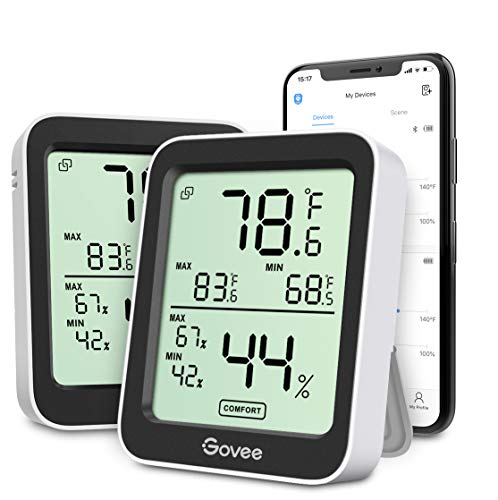
Digital Thermometer/Hygrometer Combo
This combination device offers continuous, real-time monitoring of ambient air temperature and humidity, fundamental for a reptile's respiratory and overall health. It is essential for maintaining consistent environmental conditions across an entire enclosure.

Thermostat
Functioning as a vital safety mechanism, a thermostat actively controls heating elements to prevent dangerous temperature fluctuations, guarding against potentially fatal overheating. It ensures precise and consistent thermal environments, which are crucial for a reptile's long-term health and safety.
Frequently Asked Questions
It's less about a single 'best' brand and more about using the right 'type' of thermometer for the job. For infrared temp guns, brands like Etekcity are highly reliable and trusted by keepers. For digital probe thermometers with hygrometers, brands like Govee and AcuRite are popular for their accuracy and features. The key is to use both a temp gun for surfaces and a probe for ambient air.
References & Sources
- https://reptifiles.com/reptiliacare-digital-infrared-thermometer-review/
- https://www.thebiodude.com/blogs/reptile-and-amphibian-lighting-faqs-and-help/how-to-place-thermometer-and-hygrometer-probes?srsltid=AfmBOoq0eCEIF_yWm8Nlajqr1V8Xi6LdcjbksS6spJ95_GoNy17EscWL
- https://www.thesprucepets.com/aquarium-thermometer-types-1381044
- https://reptifiles.com/ackie-monitor-care/ackie-monitor-temperatures-heating/
- https://reptifiles.com/ball-python-care-guide/ball-python-humidity-temperatures/
- https://reptifiles.com/stimsons-python-care-sheet/
Related Articles

Best Reptile Probe Thermometer: Top 5 Picks for 2026
Find the best reptile probe thermometer for accurate temperature monitoring. Compare top picks, learn proper placement, and keep your reptile's habitat safe.

Best Thermometer and Hygrometer for Bearded Dragons (2026)
Wrong temperature readings can silently harm your bearded dragon. We tested 7 thermometers and hygrometers to find the most accurate picks for every enclosure setup — from digital combo units to IR guns and Bluetooth sensors.

Best Digital Reptile Thermometers: IR Guns vs. Probes (2026)
Find the best digital reptile thermometers for accurate basking and ambient readings — 6 picks reviewed, plus why you need both IR gun and probe.