Best Moss for Terrariums: A Keeper's 2026 Guide
Searching for the best moss for terrariums? Our expert guide reviews top choices like Sphagnum, Sheet, and Cushion moss to boost humidity and create a stunning bioactive setup.


This article contains affiliate links. If you make a purchase through these links, we may earn a small commission at no extra cost to you. See our affiliate disclosure for details.
We recommend 3 picks here. Our top choice is the Zoo Med New Zealand Sphagnum Moss — check price and availability below.
How we choose: we compare published specifications against the care requirements in veterinary and species-care literature, and weigh those against what long-time keepers report. We do not test products ourselves and we do not restate Amazon star ratings. The 6 sources behind this article are listed at the bottom.
Quick Comparison
- Form
- Dried Long Fiber
- Primary Benefit
- Humid Hides
- Active Humidity Release
- Yes (rehydrated)
- Setup Type
- Targeted Microclimate
- Maintenance Level
- Rehydration
- Form
- Dried Sheet
- Primary Benefit
- Aesthetic Groundcover
- Active Humidity Release
- No
- Setup Type
- Moderate Woodland
- Maintenance Level
- Misting
- Form
- Live Growing
- Primary Benefit
- Bioactive Humidity
- Active Humidity Release
- Yes (growing)
- Setup Type
- High-Humidity Bioactive
- Maintenance Level
- Misting & Growth Care
Prices are estimates only. Actual prices on Amazon may vary.
Walking through the reptile section of a pet store or scrolling through Instagram, you’ve seen them: those breathtakingly beautiful, vibrant green terrariums that look like a slice of a jungle floor. What’s the secret ingredient that ties it all together? More often than not, it’s moss.
But not all moss is created equal. The wrong choice can lead to a moldy mess or fail to provide the benefits your animal needs. Choosing the best moss for your terrarium isn't just about aesthetics; it’s a crucial husbandry decision that impacts humidity, substrate health, and your pet’s well-being. As a herp care specialist, I've worked with countless keepers to transform their enclosures from sterile boxes into thriving, naturalistic habitats. And moss is one of my favorite tools in the arsenal.
This guide will walk you through everything you need to know. We'll break down the top moss varieties, match them to your specific reptile's needs, and cover the essential steps for preparing and growing these amazing plants in your own setup.
What is Terrarium Moss, Anyway?
Before we dive into the specific types, let's quickly cover what moss is and why it's so beneficial for reptile and amphibian enclosures. Mosses are simple, non-vascular plants. This means they don't have the complex root, stem, and leaf systems you see in typical houseplants. Instead, they absorb water and nutrients directly through their tiny leaf-like structures.
This simple biology is what makes them perfect for terrariums. They don't need deep soil, they thrive in high humidity, and they can grow on a variety of surfaces like wood, rock, and even glass backgrounds.
Here’s why I almost always recommend live moss in a terrarium:
-
Humidity Powerhouse: This is the number one reason keepers use moss. It acts like a natural sponge, absorbing water from misting and slowly releasing it back into the air. This is a game-changer for maintaining the stable, high-humidity environments required by tropical species like crested geckos, dart frogs, and many snakes.
-
Naturalistic Environment: Moss instantly makes a terrarium look more like a wild habitat. This enrichment is great for your pet, encouraging natural behaviors like burrowing and exploring. For keepers, it creates a stunning display piece.
-
Substrate Health: In a bioactive terrarium, moss plays a key role. It helps retain moisture for the cleanup crew (isopods and springtails), prevents the substrate from drying out too quickly, and can even help filter waste.
-
Shedding Aid: Many reptiles, from corn snakes to leopard geckos, require a pocket of high humidity to shed their skin properly. A humid hide filled with damp sphagnum moss is often the perfect solution to prevent stuck shed, a common and potentially serious health issue.
Why Moss Matters in Terrariums
What you need to know
Humidity Powerhouse: Absorbs water from misting and slowly releases it back, maintaining stable high-humidity environments for tropical species
Naturalistic Environment: Instantly creates wild habitat aesthetics and enriches pets by encouraging natural behaviors like burrowing and exploring
Substrate Health: In bioactive terrariums, retains moisture for cleanup crews (isopods, springtails) and helps filter waste
Shedding Aid: Damp sphagnum moss in humid hides prevents stuck shed, a serious health issue affecting corn snakes, leopard geckos, and other reptiles
Terrarium Moss Types Comparison
Sheet Moss
Feathery, deep green, flat sheets
Versatile for forest floor look; needs consistent moisture, moderate indirect light
Sphagnum Moss
Stringy, fluffy, light green when wet
Best moisture retention; essential for high-humidity and dart frog/salamander setups
Cushion Moss
Dense, bright green rounded clumps
Creates texture and focal points; needs good drainage, prefers to dry between waterings
Java Moss
Branching, delicate leaves, chaotic growth
Easiest for beginners; thrives in wet conditions, adaptable to any lighting
Christmas Moss
Organized triangular frond structure
Similar to Java Moss but neater appearance; identical care requirements
Detailed Reviews
1. Zoo Med New Zealand Sphagnum Moss
Best Overall
Zoo Med New Zealand Sphagnum Moss
Pros
- •Exceptional moisture retention when rehydrated, creating stable humidity pockets.
- •Long-fiber structure offers durable material ideal for humid hides.
- •Supports healthy, complete shedding for snakes and geckos.
- •Versatile for use as a substrate additive or standalone humid hide material.
Cons
- •Requires regular rehydration to maintain optimal humidity levels.
- •Not designed for creating a lush, live ground cover.
- •May require periodic replacement as it gradually degrades over time.
Bottom Line
This high-quality, long-fiber dried sphagnum moss is a premier choice for establishing critical humid hides. It excels at moisture retention when rehydrated, providing the stable microclimate essential for reptile shedding and overall well-being.
2. Galápagos Terrarium Sheet Moss
Editor's Choice
Galápagos Terrarium Sheet Moss
Pros
- •Creates an instant, naturalistic carpet effect for terrarium aesthetics.
- •Easy to cut and shape, conforming to various terrarium layouts and surfaces.
- •Provides effective coverage for substrate and can adhere to backgrounds.
- •Suitable for moderate-humidity woodland setups where extreme moisture isn't paramount.
Cons
- •Does not actively contribute to ambient humidity levels as significantly as live or rehydrated sphagnum.
- •Primarily aesthetic; offers fewer functional benefits for high-humidity species.
- •May dry out and become brittle in low-humidity environments without consistent misting.
Bottom Line
This versatile sheet moss offers an aesthetic solution for creating naturalistic terrarium flooring and backgrounds. Its flexible nature allows for easy customization, making it ideal for moderate-humidity woodland environments.
3. Josh's Frogs Live Sphagnum Moss
Premium Pick
Josh's Frogs Live Sphagnum Moss
Pros
- •Actively contributes to maintaining exceptionally high and stable humidity levels.
- •Integral component for creating functional, self-sustaining bioactive terrarium setups.
- •Provides natural filtration and supports beneficial microfauna and nutrient cycling.
- •Thrives on various surfaces, offering a living, aesthetically rich ground cover.
Cons
- •Requires specific environmental conditions (high humidity, adequate lighting) to thrive.
- •More involved maintenance than dried or sheet moss, including regular misting and potential pruning.
- •Initial cost can be higher compared to inert moss options.
Bottom Line
As a living component, this sphagnum moss is a vital addition to high-humidity and bioactive terrariums, particularly for tropical species. It functions as a dynamic humidity regulator, thriving in damp conditions to support sensitive amphibians and reptiles.
Key Types of Moss for Terrariums
When you start shopping, you'll see a lot of names thrown around. Let's demystify the most common and effective options. I've used all of these extensively and can vouch for their utility in the right setup.
Sheet Moss (Hypnum spp.)
Sheet moss is one of the most popular and versatile choices for terrarium keepers. It gets its name from the way it grows in wide, flat, carpet-like sheets, which makes it incredibly easy to work with. You can lay it down like a green rug to cover your substrate or attach it to backgrounds and branches.
- Best For: Creating a lush forest floor look, covering large areas, and decorating backgrounds. It’s a great all-around choice for moderate to high humidity setups.
- Appearance: A classic, deep green, feathery look.
- Care: It needs consistent moisture and moderate, indirect light. If it gets too dry, it will turn brown and go dormant, but it can often be revived with regular misting. It doesn't like to be waterlogged, so ensure your substrate has good drainage.
Sphagnum Moss (Sphagnum spp.)
Sphagnum is the undisputed champion of moisture retention. It's important to understand the difference between the living moss and the dried, compressed bricks you often see sold as Zoo Med New Zealand Sphagnum Moss. The dried version is fantastic for mixing into substrates or rehydrating for humid hides. The live version is a vibrant, green-and-tan plant that actively grows.
- Best For: Extremely high-humidity environments, humid hides, and as a substrate amendment for plants and animals that need constant moisture. It is essential for many dart frog and salamander setups. Looking for one of the best pet lizards for beginners? Many of them benefit from a humid hide with sphagnum.
- Appearance: Stringy, fluffy, and light green when healthy and wet.
- Care: This moss needs to stay damp to wet at all times. It's perfect for water features or areas that receive frequent misting. In a drier setup, it will quickly turn brown and die. It does well in a range of lighting conditions.
Cushion Moss / Mood Moss (Leucobryum spp.)
Cushion moss, also known as Mood Moss, is prized for its beautiful, clumping, pillow-like shape. Instead of forming a flat carpet, it grows in dense, round mounds. This makes it a fantastic accent plant for creating visual interest and texture in your terrarium.
- Best For: Creating focal points, adding texture, and mimicking the lumpy forest floor. It works well in woodland-style terrariums.
- Appearance: Bright green to silvery-green, dense, rounded clumps.
- Care: This moss is a bit fussier than Sheet or Sphagnum. It prefers good drainage and can rot if its base stays constantly waterlogged. It enjoys bright, indirect light and regular misting, but likes to dry out slightly between waterings. It's a great indicator of your terrarium's moisture cycle.
Java Moss (Taxiphyllum barbieri)
Anyone who has kept freshwater aquariums will recognize Java Moss. This hardy, adaptable moss is technically aquatic but thrives in the emersed (out of water) conditions of a very high-humidity terrarium or paludarium (a setup with both land and water).
- Best For: Paludariums, water features, and enclosures with near 100% humidity. It can be used to cover wood and rocks, creating an aged, overgrown look.
- Appearance: Stringy and branching with small, delicate leaves. It grows in a somewhat chaotic but charming way.
- Care: Extremely easy. It just needs to be kept wet. It's not picky about lighting and will grow in low or bright conditions. It's a fantastic choice for beginners venturing into ultra-humid setups.
Christmas Moss (Vesicularia montagnei)
Very similar to Java Moss, Christmas Moss gets its name from its structure, which is more organized and resembles the branches of a tiny fir tree. The choice between Java and Christmas moss is largely aesthetic, but both serve the same function.
- Best For: The same applications as Java Moss—paludariums and extremely wet environments. Many keepers who want a slightly neater, more structured look will opt for Christmas Moss. It's a great choice if you're deciding on a setup for one of the best chameleon pet options, as they require high humidity.
- Appearance: A more orderly, triangular frond shape compared to Java Moss.
- Care: Identical to Java Moss. Keep it wet, and it will grow. It’s very forgiving.
How to Choose the Best Moss for Your Specific Reptile
A beautiful terrarium is great, but your pet's health comes first. The moss you choose must be compatible with the environment your animal needs to thrive. A common mistake is using moisture-loving moss in an arid setup, which can dangerously spike humidity and lead to respiratory infections.
For High-Humidity Tropical Setups
- Animals: Crested Geckos, Gargoyle Geckos, Dart Frogs, Tree Frogs, Ball Pythons, many amphibians.
- Recommended Moss: Sphagnum Moss, Java Moss, Christmas Moss.
- Why: These animals require consistently high humidity levels (70-90%+). Sphagnum is the top choice for holding massive amounts of water and creating a damp microclimate. Java and Christmas moss are perfect for areas that are perpetually wet.
For Moderate-Humidity Woodland Setups
- Animals: Corn Snakes, Milk Snakes, Green Anoles, some species of day geckos.
- Recommended Moss: Sheet Moss, Cushion Moss.
- Why: These species do well with humidity in the 50-70% range. Sheet and Cushion moss hold moisture well enough to create this environment with regular misting, but they don't create the swampy conditions of Sphagnum. They provide a natural look and feel without oversaturating the enclosure.
For Arid/Dry Setups (A Word of Caution)
- Animals: Bearded Dragons, Leopard Geckos, Uromastyx.
- Recommended Moss: Dried Sphagnum Moss (used correctly).
- Why: This is critical: You should not use live moss as a general substrate or decoration in an arid enclosure. Live moss requires high humidity to survive, which is the opposite of what arid species need. The constant dampness can lead to scale rot and respiratory illness.
However, even desert animals need a place to find moisture, especially when shedding. The solution is a humid hide. This is a small, enclosed box within the terrarium filled with damp, not soaking wet, [dried Sphagnum Moss](https://www.amazon.com/dp/B00M2Z5T0W?tag=krawlo-20 Your leopard gecko or corn snake can retreat into this hide when it feels the need to rehydrate and soften its old skin, ensuring a clean, easy shed.
How to Prepare and Grow Moss in Your Terrarium
You've picked your moss—great! Now, how do you add it to your enclosure safely and effectively? Don't just toss it in; a little preparation goes a long way.
Step 1: NEVER Use Wild Moss
It can be tempting to collect moss from your backyard, but please don't. Wild moss can contain pesticides, fertilizers, parasites, and bacteria that could be harmful or fatal to your pet. Always source your moss from a reputable reptile supply company, like those mentioned in the SERP research from The Bio Dude or ReptiFiles.
Step 2: Clean and Rinse
Even commercially grown moss can pick up debris. Before adding it to your terrarium, give it a thorough rinse in dechlorinated or reverse osmosis water. Gently squeeze it out a few times to remove any dirt or small hitchhikers. This ensures you're starting with a clean slate.
Step 3: Placement and "Planting"
How you anchor your moss depends on where you want it to go:
- On the Substrate: For Sheet Moss or Cushion Moss, you can simply lay it on top of your substrate. Gently press it into the soil to ensure good contact. This will help it wick moisture and establish itself.
- On Backgrounds & Wood: To attach moss to a cork background, driftwood, or rocks, you have a few options. You can use a small amount of reptile-safe cyanoacrylate super glue or clear silicone. Another great method is to use a dark-colored cotton or fishing line to tie the moss in place. Over time, the moss will grow onto the surface, and you can remove the line.
Step 4: Watering and Lighting
This is the key to keeping your moss vibrant and green.
- Watering: Most terrarium mosses prefer rainwater, reverse osmosis water, or distilled water. Tap water often contains minerals and chlorine that can cause the moss to brown and die over time. Misting is the primary way to water your moss. Mist once or twice daily, or as needed to keep the moss visibly moist (but not swimming in water, unless it's Java Moss).
- Lighting: Almost all terrarium mosses prefer low to moderate, indirect light. A standard LED plant light on a timer is perfect. Direct sunlight or a powerful UVB light placed too close can scorch the moss. If you see your moss turning brown or white, it might be getting too much light.
Conclusion: Elevate Your Enclosure with Moss
Choosing the best moss for your terrarium is about finding the perfect balance between your animal's environmental needs and your aesthetic goals. By matching the moss type—whether it's the super-absorbent Sphagnum, the versatile Sheet Moss, or the decorative Cushion Moss—to your pet's humidity requirements, you create a healthier and more enriching habitat.
Remember the golden rules: always use captive-grown, reptile-safe moss, and tailor your choice to your pet's native environment. An arid reptile needs moss used sparingly in a humid hide, while a tropical amphibian will thrive in a lush, moss-filled landscape. With a little care and the right selection, you can transform your enclosure into a stunning, self-sustaining piece of nature that both you and your pet will love.
Our Final Verdict
Zoo Med New Zealand Sphagnum Moss
This high-quality, long-fiber dried sphagnum moss is a premier choice for establishing critical humid hides. It excels at moisture retention when rehydrated, providing the stable microclimate essential for reptile shedding and overall well-being.
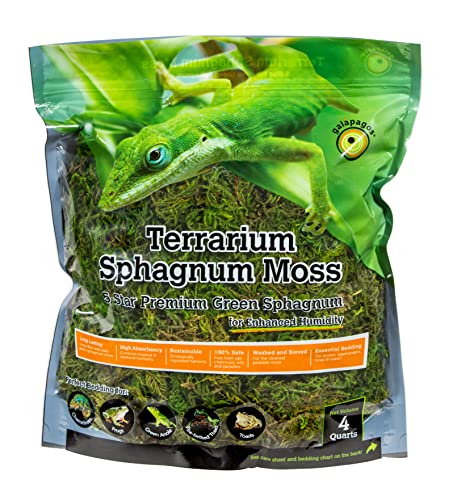
Galápagos Terrarium Sheet Moss
This versatile sheet moss offers an aesthetic solution for creating naturalistic terrarium flooring and backgrounds. Its flexible nature allows for easy customization, making it ideal for moderate-humidity woodland environments.

Josh's Frogs Live Sphagnum Moss
As a living component, this sphagnum moss is a vital addition to high-humidity and bioactive terrariums, particularly for tropical species. It functions as a dynamic humidity regulator, thriving in damp conditions to support sensitive amphibians and reptiles.
Frequently Asked Questions
Sheet moss (Hypnum spp.) is generally considered the best moss for a terrarium background. Its flat, carpet-like growth habit makes it easy to attach with reptile-safe silicone or fishing line. It covers surfaces effectively and creates a beautiful, lush green wall effect that holds humidity well.
References & Sources
- https://www.thebiodude.com/blogs/live-plants-mosses-and-growing-guides?srsltid=AfmBOopDkhdJbizG1M9sKrQpwwEs46lhBkDY7fMbp2YBjjrbnzkMblB4
- https://reptifiles.com/how-to-build-bioactive-terrarium/
- https://reptifiles.com/uroplatus-leaf-tailed-gecko-care/leaf-tailed-gecko-terrarium-decor/
- https://reptifiles.com/corn-snake-care-guide/corn-snake-accessories-decor/
- https://reptifiles.com/blue-tongue-skink-care/blue-tongue-skink-terrarium-decorations/
- https://www.thesprucepets.com/best-bedding-options-for-pet-snake-2662258
Related Articles

Best Reptile Mister: Keep Your Terrarium’s Humidity on Point
Maintaining the right humidity levels is crucial for your reptile's health. Discover the best reptile misters to keep your terrarium environment perfect.

5 Best Heat Lamps for Reptile Terrariums: 2026 Picks
Compare five of the best heat lamps for reptile terrariums by bulb type, species, wattage, daytime heat, and nighttime use. See our top picks. Start here.

Best 4x2x2 Reptile Enclosure: Top Picks & Reviews 2026
Find the best 4x2x2 reptile enclosure for your pet. We compare PVC, wood, and hybrid options from Zen Habitats, Kages, and more — with honest pros and cons.