Best Mexican Black Kingsnake Food: Full Feeding Guide
Discover the best food for Mexican black kingsnakes: prey sizing, feeding schedules, frozen vs. live, and tips for picky eaters. Science-backed feeding guide.


This article contains affiliate links. If you make a purchase through these links, we may earn a small commission at no extra cost to you. See our affiliate disclosure for details.
We recommend 5 picks here. Our top choice is the Frozen Feeder Mice Bulk Pack — check price and availability below.
How we choose: we compare published specifications against the care requirements in veterinary and species-care literature, and weigh those against what long-time keepers report. We do not test products ourselves and we do not restate Amazon star ratings. The 2 sources behind this article are listed at the bottom.
Quick Comparison
- Primary Function
- Staple Food
- Suitable Life Stage
- Juvenile/Sub-Adult
- Usage Frequency
- Every Feeding
- Keeper Safety Enhancement
- Indirect (No live prey)
- Enclosure Cleanliness Impact
- N/A
- Primary Function
- Adult Food
- Suitable Life Stage
- Adult
- Usage Frequency
- Every Feeding (Adults)
- Keeper Safety Enhancement
- Indirect (No live prey)
- Enclosure Cleanliness Impact
- N/A
- Primary Function
- Handling Tool
- Suitable Life Stage
- All Stages
- Usage Frequency
- Every Feeding
- Keeper Safety Enhancement
- Direct (Prevents bites)
- Enclosure Cleanliness Impact
- Minimal
- Primary Function
- Nutritional Support
- Suitable Life Stage
- Juvenile (Growth)
- Usage Frequency
- Few Times/Year
- Keeper Safety Enhancement
- N/A
- Enclosure Cleanliness Impact
- Minimal
- Primary Function
- Feeding Environment
- Suitable Life Stage
- All Stages
- Usage Frequency
- Every Feeding
- Keeper Safety Enhancement
- Indirect (Reduces stress strikes)
- Enclosure Cleanliness Impact
- Significant (Contains mess)
Prices are estimates only. Actual prices on Amazon may vary.
Mexican black kingsnakes (Lampropeltis getula nigrita) are one of the most rewarding snakes you can own. They're bold, curious, and — best of all — they're usually enthusiastic eaters. Feeding time with a kingsnake is rarely a battle.
But you still need to get it right. The wrong prey size, the wrong schedule, or the wrong technique can lead to regurgitation, obesity, or a snake that refuses to eat. This guide covers everything you need to know about the best food for Mexican black kingsnakes.
What Mexican Black Kingsnakes Eat in the Wild
In the wild, Mexican black kingsnakes live in the Sonoran Desert of northwestern Mexico and southern Arizona. They're active, opportunistic hunters — and they're famous for being ophiophagous, meaning they eat other snakes.
Yes, including venomous rattlesnakes. Kingsnakes have a natural immunity to pit viper venom, which gives them a serious edge over their prey.
But that's not all they eat. Wild Mexican black kingsnakes also hunt:
- Mice and small rats
- Lizards
- Bird eggs and nestlings
- Small amphibians
In captivity, you don't need to replicate all of that variety. A diet of appropriately sized rodents is all your kingsnake needs to thrive — and it's much safer for the snake.
How to Thaw Feeder Mice Correctly
Prepare Overnight
OvernightMove the frozen mouse from the freezer to the fridge the night before feeding day.
Warm Water Bath
15-30 minutesPlace the mouse in a sealed plastic bag and submerge in warm (not boiling) water.
Tip: Never use microwave or boiling water — both destroy nutrients and can cause regurgitation
Verify Fully Thawed
Check that it's fully thawed all the way through with no cold or frozen spots.
Tip: Press gently to check the center
Pat Dry & Offer
Pat the mouse dry before offering it with feeding tongs.
Tip: Always use tongs — never hand-feed
Prey Sizing Reference
Hatchling
Pinky or fuzzy mouse
Under 12 inches
Juvenile
Hopper mouse
12-24 inches
Sub-adult
Adult mouse or small rat
24-36 inches
Adult
Adult mouse or small-to-medium rat
36-48 inches (typical adult size)
Large Adult
Medium rat or two adult mice
48+ inches
Feeding Schedule by Age
Hatchling
Every 5-7 days
0-6 months — rapid growth phase
Juvenile
Every 7 days
6-18 months
Sub-adult
Every 7-10 days
18 months-2 years
Adult
Every 10-14 days
2+ years — prevent obesity
Feeding Best Practices
What you need to know
Always use feeding tongs — kingsnakes strike fast and can mistake fingers for prey
Wiggle the prey gently to trigger feeding response; Mexican black kingsnakes respond to movement
Wait 48 hours after feeding before handling to prevent stress-induced regurgitation
Feed in the evening when kingsnakes are most active and responsive
Consider a separate feeding container to reduce stress and keep enclosure clean
Detailed Reviews
1. Frozen Feeder Mice Bulk Pack
Best Overall
Frozen Feeder Mice Bulk Pack
Pros
- •Eliminates risks of live prey bites and parasite transmission.
- •Cost-effective when purchased in bulk, ensuring a steady food supply.
- •Appropriate size range suitable for juvenile and sub-adult kingsnakes.
- •Offers a humane and ethical feeding option.
Cons
- •Requires adequate freezer storage space.
- •Not nutritionally optimal as a sole prey item for large adult kingsnakes.
- •Thawing process adds a step to feeding preparation.
Bottom Line
Frozen/thawed feeder mice are the safest and most convenient staple diet for Mexican black kingsnakes, particularly for juveniles and smaller adults. Bulk purchasing significantly reduces per-unit cost while ensuring a consistent supply for regular feeding schedules.
2. Frozen Feeder Rats
Premium Pick
Frozen Feeder Rats
Pros
- •Optimized nutritional profile (higher protein, less fat) for adult kingsnakes.
- •Larger prey size simplifies adult feeding, often requiring only one item.
- •Reduces overfeeding risk in adults compared to multiple smaller prey items.
- •Removes safety concerns associated with feeding live rats to larger snakes.
Cons
- •Generally unsuitable for juvenile kingsnakes due to prey size.
- •Typically more expensive per unit compared to feeder mice.
- •Requires larger freezer capacity for storage.
Bottom Line
Frozen/thawed feeder rats provide a nutritionally superior option for adult Mexican black kingsnakes, boasting higher protein and less fat than mice. Their larger size streamlines feeding, often requiring only one prey item per session, which enhances efficiency.
3. Reptile Feeding Tongs
Editor's Choice
Reptile Feeding Tongs
Pros
- •Ensures keeper safety by creating distance from the snake's strike zone.
- •Facilitates realistic prey 'wiggling' to trigger feeding instincts.
- •Durable stainless steel construction is easy to clean and sanitize.
- •Prevents accidental ingestion of substrate during feeding.
Cons
- •Requires careful manipulation to avoid injuring the snake's mouth.
- •Poor quality tongs may lack sufficient grip or length.
- •Can be dropped by inexperienced keepers, potentially startling the snake.
Bottom Line
Reptile feeding tongs are an indispensable safety device for keepers, offering crucial protection against accidental bites from enthusiastic Mexican black kingsnakes. They allow for naturalistic prey presentation, which stimulates a strong feeding response while keeping hands at a safe distance.
4. Reptile Calcium Supplement
Budget Pick
Reptile Calcium Supplement
Pros
- •Promotes healthy bone growth and development in juvenile snakes.
- •Phosphorus-free formulation is specifically designed for reptile metabolism.
- •Simple application via light dusting on feeder prey.
- •Helps prevent metabolic bone disease when used correctly.
Cons
- •Excessive use can lead to hypercalcemia and other health issues.
- •Less critical for adult snakes on a well-rounded rodent diet.
- •Requires careful selection of phosphorus-free and D3-appropriate formulas.
Bottom Line
A phosphorus-free reptile calcium supplement is a valuable addition to the diet of fast-growing juvenile Mexican black kingsnakes, supporting robust bone development. When applied sparingly a few times annually, it complements the primary rodent diet effectively.
5. Reptile Feeding Container Tub
Best Value
Reptile Feeding Container Tub
Pros
- •Maintains a cleaner primary enclosure by containing feeding mess.
- •Prevents accidental ingestion of substrate during active feeding.
- •Helps disassociate enclosure opening with food, reducing stress bites.
- •Provides a focused and controlled environment for feeding.
Cons
- •Requires handling and moving the snake, which can be stressful for some individuals.
- •Adds an additional step to the regular feeding routine.
- •Must be appropriately sized to ensure snake comfort and prevent escape.
Bottom Line
A dedicated reptile feeding tub serves as an effective husbandry tool, promoting cleaner main enclosures and mitigating feeding-related stress behaviors. By separating feeding from the primary habitat, it discourages substrate ingestion and reduces the likelihood of defensive strikes during enclosure access.
Frozen/Thawed Prey: The Best Choice
The best food for Mexican black kingsnakes in captivity is frozen/thawed (F/T) rodents — specifically mice and rats. This isn't just convenience. It's genuinely the healthier and safer option.
Here's why frozen/thawed beats live prey every time:
- Safety — Live mice and rats bite. A rodent bite on a snake can cause serious infections and even death.
- Convenience — Buy in bulk, store in the freezer, thaw as needed.
- No parasites — Wild-caught or poorly sourced live feeders can carry mites, internal parasites, or disease.
- More humane — Pre-killed prey is the ethical choice.
Most captive-bred Mexican black kingsnakes accept frozen/thawed prey without any fuss. If you're starting with a hatchling or juvenile, get them on F/T from day one. It will save you so much trouble down the road.
How to Thaw Feeder Mice Correctly
Proper thawing matters more than people think. A cold or improperly thawed mouse won't trigger your snake's feeding response — and a partially frozen one can cause digestive problems.
Here's the right method:
- Move the frozen mouse from the freezer to the fridge the night before feeding day.
- On feeding day, place it in a sealed plastic bag and submerge it in warm (not boiling) water for 15–30 minutes.
- Check that it's fully thawed all the way through — no cold or frozen spots.
- Pat it dry before offering it with tongs.
Never use a microwave. It creates hot spots that can burn your snake's mouth and destroy nutrients. Don't use boiling water either — it partially cooks the prey and can cause regurgitation.
Prey Sizing: The Right Fit Matters
Prey that's too large can cause regurgitation. Prey that's too small won't satisfy your snake's nutritional needs. Getting the size right is one of the most important parts of feeding.
The rule: the prey item should be roughly the same width as — or very slightly wider than — the widest part of your snake's body. A small lump after swallowing is normal. A huge bulge is not.
Here's a general sizing guide:
| Snake Size | Recommended Prey Size |
|---|---|
| Hatchling (under 12 inches) | Pinky or fuzzy mouse |
| Juvenile (12–24 inches) | Hopper mouse |
| Sub-adult (24–36 inches) | Adult mouse or small rat |
| Adult (36–48 inches) | Adult mouse or small-to-medium rat |
| Large adult (48+ inches) | Medium rat or two adult mice |
Adult Mexican black kingsnakes typically reach 3.5–4.5 feet, with some individuals hitting 5 feet. Plan ahead — you'll be moving up to rats eventually.
How Often Should You Feed?
Feeding frequency changes as your snake grows. Juveniles are growing fast and need more frequent meals. Adults need less.
Here's a simple schedule to follow:
| Age | Feeding Frequency |
|---|---|
| Hatchling (0–6 months) | Every 5–7 days |
| Juvenile (6–18 months) | Every 7 days |
| Sub-adult (18 months–2 years) | Every 7–10 days |
| Adult (2+ years) | Every 10–14 days |
Don't overfeed adult snakes. Obesity is a real problem in captive kingsnakes and it shortens their lifespan significantly. A slightly lean snake is much healthier than a chunky one.
Should You Switch to Rats?
Once your Mexican black kingsnake reaches adult size, consider switching to rats instead of mice. Rats are more nutritious — higher in protein, lower in fat — and one appropriately sized rat can replace two or three mice.
This makes feeding more efficient and helps prevent obesity. Most adult kingsnakes transition to rats easily. Just size down at first if your snake seems hesitant.
(Estimates only — actual prices on Amazon may vary.) Bulk frozen feeder rats typically cost $25–$55 for a pack of 10–25, depending on size. Buying in bulk is always the most cost-effective approach.
A good option: [frozen feeder rats bulk pack](https://www.amazon.com/dp/B0CQVX2FZD?tag=krawlo-20 — order a box, store them in the freezer, and you're set for months.
Best Practices for Feeding Time
Getting the technique right makes feeding easier and safer for both you and your snake. Here's what works:
Always use feeding tongs. Never hand-feed your Mexican black kingsnake. Kingsnakes are fast strikers and can easily mistake your fingers for prey — especially if they smell like a mouse. [Reptile feeding tongs](https://www.amazon.com/dp/B0CKSSDZD1?tag=krawlo-20 are inexpensive and a must-have tool.
Wiggle the prey. Mexican black kingsnakes respond to movement. Gently wiggling the mouse with tongs mimics live prey and triggers the feeding response. Don't just drop it in.
Consider a separate feeding container. Some keepers use a plain plastic tub for feeding. This keeps the enclosure clean and prevents your snake from associating the enclosure opening with food. It's optional, but it can reduce stress biting.
Don't handle your snake for 48 hours after feeding. Handling too soon after a meal causes stress and can lead to regurgitation. Regurgitation is hard on a snake's digestive system and takes several weeks to recover from.
Feed in the evening. Mexican black kingsnakes are crepuscular — most active at dusk and dawn. Offering food in the evening usually gets a faster, more enthusiastic response.
What to Do When Your Kingsnake Refuses Food
Even good eaters refuse a meal sometimes. It's usually not a crisis. Here are the most common reasons:
- Shedding — Snakes almost always refuse food when they're in the blue phase before a shed. Their vision is clouded and they feel vulnerable. Just wait it out.
- New enclosure stress — Moving to a new home or having too much handling can put snakes off food for 2–4 weeks.
- Temperature issues — If the warm side of the enclosure is too cool, digestion slows and appetite disappears. Make sure your basking/warm side is 85–90°F. A good heat lamp setup is essential for keeping temps consistent.
- Prey size — Try going one size smaller if your snake shows interest but won't commit.
- Breeding season — Adult males frequently refuse food in spring during breeding season. It's hormonal and usually temporary.
If your kingsnake hasn't eaten in more than 6 weeks and is losing visible weight or showing lethargy, see a reptile vet. But isolated refusals are almost never a cause for alarm.
Scenting: A Trick for Stubborn Snakes
If you've adopted a snake that was previously fed live prey, it might refuse frozen/thawed at first. Scenting can help bridge the gap.
Scenting means rubbing the thawed mouse against something your snake already recognizes as food. Common options:
- Rub against a lizard (a store-bought anole or skink works)
- Rub against a feeder quail or small piece of chicken
- Try a different prey animal entirely (some snakes accept gerbils or quail chicks more readily)
Braining — which involves puncturing the skull of the feeder mouse to expose brain matter — is a more aggressive trick that works for truly stubborn snakes. It sounds unpleasant, but it's effective. Most snakes don't require it.
Can You Feed Your Kingsnake Other Snakes?
This is one of the most-asked questions about Mexican black kingsnakes, and the answer is: yes, they can — but you shouldn't feed them other snakes in captivity.
Here's why it's a bad idea:
- Captive-bred feeder snakes are almost impossible to source
- Wild-caught snakes carry heavy parasite loads and disease risk
- It's completely unnecessary — rodents provide 100% of the nutrition they need
Kingsnakes' ophiophagous behavior is fascinating in the wild, but it's not something you need to replicate at home.
A Critical Warning: Never House Kingsnakes Together
This is non-negotiable: always house Mexican black kingsnakes separately. Even two snakes you've kept for years.
Kingsnakes will eat each other. It's not aggression — it's pure instinct. They can't help it. Even if they've been housed together before without incident, one unsupervised moment during feeding is all it takes.
Feed each snake separately and never leave uneaten prey in the enclosure overnight.
Do Mexican Black Kingsnakes Need Supplements?
In general, no. Unlike reptiles that eat insects or plants, snakes that eat whole prey get complete nutrition from the mouse or rat itself — bone, organs, muscle, and fat all included.
That said, a light dusting of reptile calcium supplement a few times per year doesn't hurt, especially for rapidly growing juveniles. But it's not a requirement for healthy adult snakes on a whole-prey diet.
If you keep other reptiles alongside your kingsnake, the supplement rules differ significantly by species. Our guide to best UVB lights for crested geckos covers supplementation for arboreal species in detail — the contrast with kingsnakes is interesting.
Water and Hydration
Your snake needs fresh water at all times. Use a bowl big enough for your snake to soak in if it wants to — soaking helps during shedding and is a normal behavior.
Change the water every 2–3 days. Kingsnakes sometimes defecate in their water bowl, which is gross but completely normal. Just clean the bowl with a reptile-safe disinfectant when it happens.
Dehydration can cause retained sheds and kidney problems over time. Don't neglect the water bowl.
Kingsnake Feeding vs. Other Beginner Snakes
One of the reasons Mexican black kingsnakes are such popular pets is their feeding reliability. Ball pythons — probably the most common pet snake — are notorious for going on hunger strikes that last months. Corn snakes and kingsnakes rarely have this problem.
If you're comparing kingsnakes to other species, our full breakdown of the best pet snakes for beginners ranks Mexican black kingsnakes highly precisely because of their dependable feeding behavior.
Quick Reference: Feeding Dos and Don'ts
| Do | Don't |
|---|---|
| Use frozen/thawed rodents | Offer live prey |
| Size prey to your snake's body width | Feed prey that's clearly too large |
| Use feeding tongs for every meal | Hand-feed your snake |
| Wiggle the prey to mimic movement | Drop prey in and walk away |
| Wait 48 hours after meals to handle | Handle right after a meal |
| Offer fresh water at all times | Leave uneaten prey overnight |
| Feed in the evening | Disturb a digesting snake |
Final Thoughts
Feeding a Mexican black kingsnake is genuinely one of the easier parts of keeping them. They're robust, enthusiastic eaters with simple nutritional needs. Frozen/thawed rodents — sized correctly, offered on a consistent schedule — is all it takes.
The most common mistakes are overfeeding adults, using prey that's too large, and disturbing snakes during digestion. Nail those three things, and your Mexican black kingsnake will reward you with 15–20+ years of bold, healthy living.
Our Final Verdict
Frozen Feeder Mice Bulk Pack
Frozen/thawed feeder mice are the safest and most convenient staple diet for Mexican black kingsnakes, particularly for juveniles and smaller adults. Bulk purchasing significantly reduces per-unit cost while ensuring a consistent supply for regular feeding schedules.
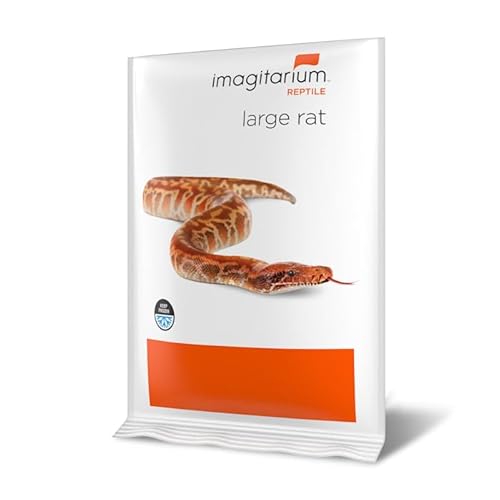
Frozen Feeder Rats
Frozen/thawed feeder rats provide a nutritionally superior option for adult Mexican black kingsnakes, boasting higher protein and less fat than mice. Their larger size streamlines feeding, often requiring only one prey item per session, which enhances efficiency.

Reptile Feeding Tongs
Reptile feeding tongs are an indispensable safety device for keepers, offering crucial protection against accidental bites from enthusiastic Mexican black kingsnakes. They allow for naturalistic prey presentation, which stimulates a strong feeding response while keeping hands at a safe distance.
Frequently Asked Questions
In captivity, Mexican black kingsnakes do best on frozen/thawed mice and rats. They're enthusiastic rodent eaters and rarely need variety beyond appropriately sized prey. In the wild they also eat lizards, bird eggs, and other snakes, but a rodent-only diet covers all their nutritional needs in captivity.
References & Sources
Related Articles

Best Mexican Black Kingsnake Heating: Top Picks
Find the best Mexican black kingsnake heating setup with our expert guide. Learn target temps, top products, and thermostat tips for a healthy snake.

Best Mexican Black Kingsnake Substrate: Top 5 Picks
Find the best Mexican black kingsnake substrate for burrowing, humidity, and hygiene. Covers ReptiChip, aspen, bioactive mixes, and what to avoid.

Best Mexican Black Kingsnake Enclosure: Top Picks
Find the best Mexican black kingsnake enclosure for your snake. We cover top tank picks, ideal size, heating, substrate, and hides to keep your MBK thriving.