Best Jumping Spider Substrate: A Complete Guide
Searching for the best jumping spider substrate? Our guide covers top choices like bioactive mixes and coco fiber to help you create the perfect, healthy habitat.


This article contains affiliate links. If you make a purchase through these links, we may earn a small commission at no extra cost to you. See our affiliate disclosure for details.
We recommend 4 picks here. Our top choice is the Josh's Frogs BioBedding Tropical Substrate — check price and availability below.
How we choose: we compare published specifications against the care requirements in veterinary and species-care literature, and weigh those against what long-time keepers report. We do not test products ourselves and we do not restate Amazon star ratings. The 6 sources behind this article are listed at the bottom.
Quick Comparison
- Type
- Pre-made Bioactive Mix
- Moisture Retention
- Excellent
- Initial Setup Difficulty
- Moderate (drainage + cleanup crew)
- Ongoing Maintenance
- Very Low
- Suitable as Standalone Substrate
- Yes
- Approximate Price Range
- $$$ (Higher initial cost)
- Type
- Pre-made Bioactive Mix
- Moisture Retention
- Excellent
- Initial Setup Difficulty
- Moderate (drainage + cleanup crew)
- Ongoing Maintenance
- Very Low
- Suitable as Standalone Substrate
- Yes
- Approximate Price Range
- $$$ (Higher initial cost)
- Type
- Coconut Fiber Base
- Moisture Retention
- Excellent
- Initial Setup Difficulty
- Easy (add water to brick)
- Ongoing Maintenance
- Medium
- Suitable as Standalone Substrate
- Yes
- Approximate Price Range
- $ (Affordable)
- Type
- Sphagnum Moss Amendment
- Moisture Retention
- Unmatched
- Initial Setup Difficulty
- Easy (mix into other substrate)
- Ongoing Maintenance
- Low to Medium
- Suitable as Standalone Substrate
- No (use as amendment)
- Approximate Price Range
- $$ (Moderate)
Prices are estimates only. Actual prices on Amazon may vary.
Jumping spiders are captivating little pets that spend most of their time exploring the upper reaches of their enclosures. Since they are arboreal, living in trees and on high surfaces, you might think the stuff at the bottom of their tank doesn't matter much. But the truth is, choosing the best jumping spider substrate is a crucial step in creating a healthy, stable environment for your tiny arachnid.
A good substrate isn't just decoration. It's the foundation of your spider's ecosystem. It plays a vital role in regulating humidity, providing a secure anchor for plants and climbing branches, and even cushioning the occasional fall. Get it right, and you'll have a happy spider and a beautiful, low-maintenance enclosure. Get it wrong, and you could struggle with mold, low humidity, or an unhealthy pet.
In this guide, we'll walk you through everything you need to know. We'll cover the top substrate options, what to avoid, and how to set up the perfect enclosure from the ground up. Whether you're a first-time keeper or looking to upgrade your setup, you'll find the practical advice you need right here.
Why Substrate Matters for an Arboreal Spider
It seems a bit weird to focus on the floor for an animal that barely touches it, right? But the substrate layer is the engine that drives the health of the entire enclosure. Think of it as the foundation of a house. Even if you live on the top floor, a bad foundation can cause problems for the whole building.
Here’s why that bottom layer is so important for your jumping spider:
- Humidity Regulation: This is the number one job of your substrate. Jumping spiders need moderate humidity (around 50-70%) to stay hydrated and, most importantly, to molt successfully. A proper substrate holds moisture from misting and releases it slowly into the air, creating a stable, humid environment. Without it, the air can become dangerously dry.
- Anchoring Decor: Your spider needs things to climb on! Twigs, cork bark, and plants give them places to hunt, explore, and build their little web hammocks. A layer of substrate provides a stable base to push these items into, keeping them from tipping over and potentially harming your pet.
- Cushioning: While they are expert jumpers, miscalculations can happen. A soft, springy layer of substrate provides a much safer landing spot than a hard plastic or glass floor.
- Supporting a Bioactive Ecosystem: If you choose to create a bioactive vivarium (and it's a great choice!), the substrate is the most critical component. It houses the beneficial microfauna, or "cleanup crew," that break down waste, keeping the enclosure clean for you. We'll dive deeper into this in our guide to bioactive substrate kits.
Why Substrate Matters
What you need to know
Humidity Regulation — Maintains 50-70% humidity needed for health and molting
Anchoring Decor — Provides stable base for plants, twigs, and climbing structures
Cushioning — Protects from injury during falls and jumping miscalculations
Bioactive Support — Houses beneficial cleanup crew (springtails, isopods) that maintain the ecosystem
Top Substrate Options
Quick recommendations
Self-sustaining ecosystem with excellent humidity control and minimal maintenance once established
Affordable, widely available, excellent moisture retention, easy to use as base or standalone
Exceptional water retention; mix 10-20% into other substrates or use in corners to boost humidity during molting
Custom blend (60% coco fiber, 20% sphagnum, 10% play sand, 10% leaf litter) for hands-on keepers
Detailed Reviews
1. Josh's Frogs BioBedding Tropical Substrate
Best Overall
Josh's Frogs BioBedding Tropical Substrate
Pros
- •Extremely low maintenance once established
- •Creates the most naturalistic and enriching environment
- •Excellent, stable humidity control
- •Resists mold and decay
Cons
- •Higher initial cost than other options
- •Requires setup time to add drainage layer and cleanup crew
Bottom Line
A pre-made bioactive substrate mix that creates a self-sustaining, miniature ecosystem with cleanup crew support. Expertly formulated for jumping spiders to maintain humidity, support plant life, and resist mold.
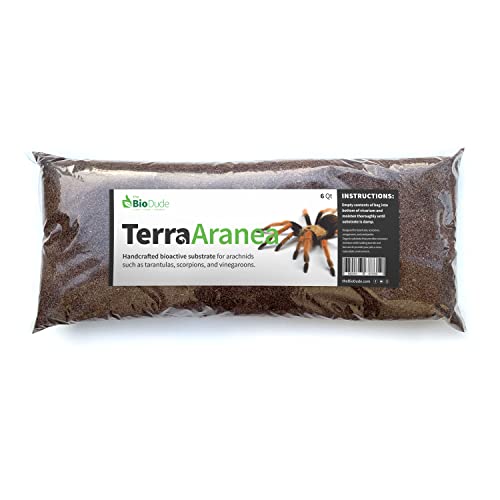
2. The Bio Dude's Terra Aranea
Premium Pick
The Bio Dude's Terra Aranea
Pros
- •Extremely low maintenance once established
- •Creates naturalistic, enriching environment
- •Excellent, stable humidity control
- •Resists mold and decay
Cons
- •Higher initial cost
- •Requires setup time for drainage layer and cleanup crew
Bottom Line
A premium pre-made bioactive substrate designed to hold humidity and support a cleanup crew of springtails and isopods. Expertly formulated for optimal moisture retention and plant support.
3. Zoo Med's Coco Fiber
Best Value
Zoo Med's Coco Fiber
Pros
- •Very affordable and widely available
- •Excellent moisture retention
- •Looks natural and is easy to work with
Cons
- •Can become waterlogged if over-saturated without good drainage
- •Can be dusty if completely dries out
- •Doesn't contain nutrients for bioactive cleanup crew on its own
Bottom Line
An affordable, widely available coconut fiber substrate sold in compressed bricks that expands when hydrated. Excellent moisture retention and natural appearance, though requires careful drainage management.
4. Galápagos Sphagnum Moss
Premium Pick
Galápagos Sphagnum Moss
Pros
- •Unmatched water retention for boosting humidity
- •Helps create microclimates within the enclosure
- •Antifungal properties help keep enclosure fresh
Cons
- •Can make substrate too soggy if used excessively
- •Best used as part of a mix, not as standalone substrate
Bottom Line
A powerful moisture-retaining amendment best mixed into other substrates (10-20%) or placed as a humid microclimate spot. Holds tremendous amounts of water and offers antifungal properties.
Top Substrate Choices for Jumping Spiders
When you're looking for the best jumping spider substrate, you want something that excels at holding moisture without becoming a swamp. It should be resistant to mold and safe for your spider. Here are our top picks that check all the boxes.
Bioactive Substrate: The Gold Standard
A bioactive setup is a self-sustaining, miniature ecosystem. The substrate is specifically mixed to hold humidity and support a "cleanup crew" of tiny invertebrates like springtails and isopods. These little janitors eat spider waste and leftover food, meaning you almost never have to do a full deep clean.
For most keepers, a pre-made bioactive mix is the absolute best jumping spider substrate. It takes the guesswork out of creating a healthy environment. Brands like Josh's Frogs BioBedding or [The Bio Dude's Terra Aranea](https://www.amazon.com/dp/B07TVFF4MC?tag=krawlo-20 are expertly formulated to retain moisture, support plant life, and nourish the cleanup crew.
Pros:
- Extremely low maintenance once established.
- Creates the most naturalistic and enriching environment.
- Excellent, stable humidity control.
- Resists mold and decay.
Cons:
- Higher initial cost than other options.
- Requires a bit more setup time (adding a drainage layer and cleanup crew).
Coconut Fiber (Coco Fiber): The Versatile Classic
Coconut fiber, often sold in compressed bricks as [Zoo Med's Coco Fiber](https://www.amazon.com/dp/B00U67QUJM?tag=krawlo-20 is one of the most popular substrates for all kinds of humidity-loving pets. You simply add water to the brick, and it expands into a soft, earthy-smelling substrate.
Coco fiber is fantastic at absorbing and holding onto water, making it a great choice for maintaining humidity. You can use it by itself or as the base for a DIY substrate mix. It provides a great look and feel for a naturalistic enclosure.
Pros:
- Very affordable and widely available.
- Excellent moisture retention.
- Looks natural and is easy to work with.
Cons:
- Can become waterlogged if over-saturated, so good drainage is helpful.
- Can be dusty if it completely dries out.
- Doesn't contain nutrients for a bioactive cleanup crew on its own.
Sphagnum Moss: The Humidity Booster
Sphagnum moss is less of a standalone substrate and more of a powerful amendment. Think of it as a sponge. Products like [Galápagos Sphagnum Moss](https://www.amazon.com/dp/B00KZDT346?tag=krawlo-20 can hold a tremendous amount of water. Because of this, it's fantastic for creating pockets of high humidity within the enclosure.
We don't recommend using 100% sphagnum moss as your substrate, as it can get too wet. Instead, mix it into your coco fiber or bioactive substrate (about 10-20% of the mix). You can also place a small, damp clump in a corner or in a tiny dish to provide a super-humid spot your spider can visit when it's preparing to molt.
Pros:
- Unmatched water retention for boosting humidity.
- Helps create microclimates.
- Antifungal properties can help keep the enclosure fresh.
Cons:
- Can make the substrate too soggy if you use too much.
- Best used as part of a mix, not on its own.
DIY Substrate Mix: For Hands-On Keepers
Feeling adventurous? You can easily create your own custom substrate blend. This allows you to control the exact properties of your mix and can be a cost-effective option if you have multiple enclosures.
A great basic recipe for a jumping spider enclosure is:
- 60% Coconut Fiber: The base of your mix, providing bulk and moisture retention.
- 20% Sphagnum Moss: Increases humidity and adds a springy texture.
- 10% Play Sand: Helps with drainage and prevents the mix from compacting.
- 10% Leaf Litter: Provides a natural look and food for a bioactive cleanup crew.
Simply mix all the ingredients in a bucket, adding a little water until it's damp but not dripping. This kind of mix provides a great balance of aeration and water retention, making it a fantastic and affordable choice.
Substrates to AVOID for Jumping Spiders
Just as important as knowing what to use is knowing what not to use. The wrong substrate can be ineffective at best and dangerous at worst.
- Gravel, Pebbles, or Aquarium Rocks: These offer zero humidity retention. They create a dry environment and are a serious hazard if your spider falls.
- 100% Sand: While a little sand in a mix is fine, using only sand is a bad idea. It doesn't hold humidity well and can pose an impaction risk if your spider accidentally ingests some while catching prey.
- Wood Chips or Reptile Bark: Substrates designed for snakes, like Aspen or large-chunk cypress, are not suitable. They are too chunky, don't hold humidity properly for a small enclosure, and can even have sharp edges.
- Reptile Carpet: This is a definite no. It holds no moisture, can grow bacteria easily, and the tiny claws on a jumping spider's feet can get snagged in the fibers.
- Soil from Your Yard: Never use dirt from outside. It's not sterile and can introduce pesticides, fertilizers, parasites, and other harmful organisms into your spider's home.
Setting Up Your Jumping Spider's Enclosure
Now that you've picked the best jumping spider substrate, let's put it all together. A proper setup involves more than just the floor!
Enclosure Size and Orientation
Jumping spiders need an arboreal enclosure, which means it should be taller than it is wide. A good size for an adult Phidippus species is around 4"x4"x8". The most important feature is the door. Look for enclosures that open from the front or the bottom. Spiders build their web hammocks at the very top, so a lid that opens from the top will destroy their home every time you open it.
The Foundation: Adding Your Substrate
Once you have your clean enclosure, it's time to add the substrate. You only need a shallow layer, about 1-2 inches deep. This is enough to hold humidity and anchor decor without taking up valuable vertical space.
If you're setting up a bioactive vivarium, you'll start with a drainage layer. Add about an inch of [LECA or clay balls](https://www.amazon.com/dp/B0C8N6FCQ4?tag=krawlo-20 to the bottom, then cover it with a piece of mesh screen cut to size. This creates a reservoir for excess water, preventing the main substrate layer from becoming a swamp. After that, you can add your 1-2 inches of bioactive soil.
Temperature and Lighting
Jumping spiders are happy at average room temperature, typically between 70-85°F (21-29°C). You usually won't need any special heating unless your home is particularly cold. A small heat mat on the side (never the bottom) can be used in that case, but always control it with a thermostat.
While they don't have the same UVB requirements as a bearded dragon, a simple, low-wattage LED light is highly beneficial. It provides a clear day/night cycle, which encourages natural behaviors, and will help any live plants in your enclosure to thrive. You don't need a powerful reptile heat lamp, but understanding lighting principles can be useful. For more complex setups, you might find our guide to reptile heat lamps helpful for general knowledge.
Ventilation and Hydration
Good ventilation is critical. Stagnant, wet air leads to mold, which can cause respiratory issues for your spider. Look for enclosures that offer cross-ventilation, with vents on opposite sides of the habitat.
Your spider will drink from the water droplets you provide during misting. Lightly mist one side of the enclosure every 1-3 days, depending on your home's ambient humidity. The goal is to see small droplets on the walls and decor for the spider to drink from, and to moisten the substrate. You want the enclosure to mostly dry out between mistings to prevent mold growth.
Your Spider's New Home is Ready!
Choosing the best jumping spider substrate might seem like a small detail, but it's the key to a healthy, thriving pet and a beautiful enclosure. By selecting a moisture-retentive substrate like a bioactive mix or a coco fiber blend, you create the perfect foundation for your arboreal friend's habitat.
Remember that the substrate, lighting, ventilation, and decor all work together as a system. Taking the time to set it up correctly from the start will save you headaches down the road and provide a fascinating, enriching world for your tiny, eight-legged companion to explore. For a complete overview of their needs, be sure to check out our main Jumping Spider Care Guide.
Our Final Verdict

Josh's Frogs BioBedding Tropical Substrate
A pre-made bioactive substrate mix that creates a self-sustaining, miniature ecosystem with cleanup crew support. Expertly formulated for jumping spiders to maintain humidity, support plant life, and resist mold.
The Bio Dude's Terra Aranea
A premium pre-made bioactive substrate designed to hold humidity and support a cleanup crew of springtails and isopods. Expertly formulated for optimal moisture retention and plant support.

Zoo Med's Coco Fiber
An affordable, widely available coconut fiber substrate sold in compressed bricks that expands when hydrated. Excellent moisture retention and natural appearance, though requires careful drainage management.
Frequently Asked Questions
A coco fiber-based mix is excellent. The absolute best jumping spider substrate is often a bioactive mix like The Bio Dude's Terra Aranea, which holds humidity well and supports a self-cleaning ecosystem.
References & Sources
- https://reptifiles.com/bioactive-vivarium-maintenance/
- https://reptifiles.com/gargoyle-gecko-care-guide/gargoyle-gecko-accessories-decor/
- https://shop.reptifiles.com/products/joshs-frogs-biobedding-desert-bioactive-substrate-10-quarts
- https://reptifiles.com/crested-gecko-care/crested-gecko-decorations/
- https://reptifiles.com/how-to-tell-if-a-snake-is-poisonous/
- https://www.thebiodude.com/collections/terra-aranea-bioactive-substrate-kits/spider?srsltid=AfmBOoovpqkjVTPT_-r6uK_vOs0CqkGLa4i141pvmV8jc_UVM8TCa6-Z
Related Articles

Best Jumping Spider Food: Top Picks for Your Spider
Discover the best jumping spider food options — from fruit flies to crickets and roaches. Learn feeding schedules, prey sizing, and what to avoid.

Best Jumping Spider Lighting: A Complete Care Guide
Searching for the best jumping spider lighting? Discover why a simple LED on a timer is crucial for your pet's health, happiness, and natural hunting behavior.

Best Jumping Spider Heating: Keep Your Jumper Warm
Find the best jumping spider heating setup to keep your jumper active and healthy year-round. Heat mats, thermostats, and expert care tips included.