Best Feeder Insects for Gargoyle Geckos: 6 Picks That Work
Find the best feeder insects for gargoyle geckos — 6 keeper-approved picks ranked by nutrition, safety, and Ca:P ratio. Build a smarter feeding rotation today.


This article contains affiliate links. If you make a purchase through these links, we may earn a small commission at no extra cost to you. See our affiliate disclosure for details.
We recommend 6 picks here. Our top choice is the Josh's Frogs Dubia Roaches — check price and availability below.
How we choose: we compare published specifications against the care requirements in veterinary and species-care literature, and weigh those against what long-time keepers report. We do not test products ourselves and we do not restate Amazon star ratings. The 2 sources behind this article are listed at the bottom.
Gargoyle geckos are omnivores — their primary diet is commercial gecko diet (CGD) like Pangea or Repashy. But insects are not optional. Without regular feeder insects, your gecko misses essential protein, fat-soluble nutrients, and behavioral enrichment that CGD alone cannot fully replace.
The challenge is that most available feeder insects have an inverted calcium-to-phosphorus ratio. The ideal Ca:P for reptiles is 2:1, but crickets come in at 0.13:1 and dubia roaches at 0.3:1. Without calcium dusting and smart feeder selection, you are working against your gecko's bone health every feeding.
We researched keeper communities, veterinary nutrition sources, and feeder supplier reviews to rank the six best options. Here is what the data shows.
Quick Comparison: All 6 Feeder Insects
| Feeder | Ca:P Ratio | Bite Risk | Dust Required | Best Use |
|---|---|---|---|---|
| Josh's Frogs Dubia Roaches | 0.3:1 | None | Yes | Primary feeder |
| Josh's Frogs Black Soldier Fly Larvae | ~1.5:1 | None | No | Rotation (no dust) |
| Josh's Frogs Crickets | 0.13:1 | High | Yes | Occasional rotation |
| Josh's Frogs Superworms | Poor | Low | Yes | Adults, treat-level |
| Josh's Frogs Silkworms | ~0.5:1 | None | Yes | Juveniles, safe feeder |
| Dubia.com Dubia Roaches | 0.3:1 | None | Yes | Bulk / multi-gecko |
Pro Tip: Size matters. Feeders should never be larger than the space between your gargoyle gecko's eyes. Oversized insects are a choking hazard and a stress trigger — especially for juveniles.
Our Top Picks
Quick recommendations
All gargoyle geckos — best combination of nutrition, safety, and ease of use
Budget-conscious keepers rotating multiple feeder types — removes need for calcium dusting
Rotation feeder for keepers on a budget — use alongside dubia roaches, never as the sole insect
Adult gargoyle geckos needing extra calories — breeding females and underweight individuals
Key Takeaways
What you need to know
Our top pick is the Josh's Frogs Dubia Roaches — all gargoyle geckos — best combination of nutrition, safety, and ease of use.
Size matters. Feeders should never be larger than the space between your gargoyle gecko's eyes. Oversized insects are a choking hazard and a stress trigger — especially for juveniles.
Week 1: — Calcium without D3 (if your gecko has UVB lighting) or with D3 (if no UVB).
Week 2: — Calcium + multivitamin powder.
Adults (18+ months): — CGD 2–3 times per week + insects 1–2 times per week.
Juveniles (under 18 months): — CGD daily + insects every other day.
Detailed Reviews
1. Josh's Frogs Dubia Roaches
Best Overall
Josh's Frogs Dubia Roaches
Pros
- •Cannot bite or stress gecko — safe to leave briefly in enclosure
- •Higher Ca:P ratio than crickets (0.3:1 vs 0.13:1)
- •Soft-bodied and easy to digest for adults and juveniles
- •Josh's Frogs live delivery guarantee and consistent quality
Cons
- •Illegal to keep in some US states (Florida, Hawaii) — check local laws
- •Still require calcium dusting before each feeding
- •More expensive per insect than crickets
Bottom Line
Dubia roaches are the gold standard feeder insect for gargoyle geckos. They are soft-bodied, low-odor, cannot climb smooth enclosure walls, and have a Ca:P ratio of 0.3:1 — far better than crickets. Keeper-reported acceptance rates are high across all gecko sizes. Josh's Frogs ships live with a guarantee, making them the most reliable source we researched.
2. Josh's Frogs Black Soldier Fly Larvae
Best Value
Josh's Frogs Black Soldier Fly Larvae
Pros
- •Only common feeder with naturally balanced Ca:P — no calcium dusting needed
- •Affordable and widely available from Josh's Frogs
- •Soft-bodied and wriggle actively — triggers feeding response
- •High in lauric acid (antimicrobial fatty acid)
Cons
- •Deficient in fat-soluble vitamins (A, D, E, K) when used long-term alone
- •Must be rotated with other insects — not suitable as a sole feeder
- •Short shelf life compared to roaches — use quickly after delivery
Bottom Line
Black Soldier Fly Larvae (BSFL) are the only commonly available feeder insect with a naturally balanced Ca:P ratio — no dusting required. Their Ca:P approaches 1.5:1, reducing the calcium deficit keepers constantly fight with other feeders. However, BSFL are low in fat-soluble vitamins long-term, so they should be rotated with other insects rather than used exclusively.
3. Josh's Frogs Crickets
Budget Pick
Josh's Frogs Crickets
Pros
- •Widely available at pet stores and online — lowest cost per insect
- •Movement and chirping stimulates natural hunting behavior
- •Well-accepted by most gecko sizes when gut-loaded properly
Cons
- •Worst Ca:P ratio of common feeders — 0.13:1 requires heavy calcium dusting
- •Will bite sleeping or lethargic geckos — must remove uneaten within 15 minutes
- •Strong odor and can escape enclosure easily
- •Die quickly in transit — Josh's Frogs guarantee helps, but losses occur
Bottom Line
Crickets are the most available and affordable feeder insect, but they come with the worst Ca:P ratio of any common feeder (0.13:1) and a meaningful bite risk. Keeper-reported cricket bites are well-documented — uneaten crickets must be removed within 15 minutes. With consistent gut-loading and calcium dusting, crickets work as an occasional rotation feeder, but should not be the primary insect for gargoyle geckos.
4. Josh's Frogs Superworms
Best for Adults
Josh's Frogs Superworms
Pros
- •High protein and fat — ideal for recovery and breeding females
- •Very high palatability — most geckos accept them immediately
- •Long shelf life compared to crickets
- •Cannot bite the way mealworms can — easier to handle
Cons
- •High fat content causes obesity and selective feeding if overused
- •Poor Ca:P ratio — always requires calcium dusting
- •Not suitable for juveniles due to high fat load
- •Thick exoskeleton slightly harder to digest than dubia or BSFL
Bottom Line
Superworms are a high-fat, high-protein feeder best reserved for adult gargoyle geckos that need extra calories — breeding females, post-illness recovery, or underweight adults. Their Ca:P is poor and fat content is high, so frequency should stay at once per week maximum. Keeper data shows they are enthusiastically accepted, which can cause selective feeding if offered too often.
5. Josh's Frogs Silkworms
Best Low-Aggression
Josh's Frogs Silkworms
Pros
- •Cannot bite — zero injury risk to gecko
- •Better Ca:P ratio than crickets (approx. 0.5:1)
- •Low fat, moderate protein — good for regular feeding rotation
- •Soft body makes them easy to digest for all life stages
Cons
- •Higher cost per insect than crickets or BSFL
- •Short shelf life — must be used within 1–2 weeks of arrival
- •Availability can be inconsistent; seasons affect supply
- •Still require calcium dusting despite better Ca:P
Bottom Line
Silkworms are one of the most nutritionally balanced feeder insects available — low fat, moderate protein, and a Ca:P ratio of approximately 0.5:1 (better than crickets and superworms). Most importantly, they cannot bite, have no hard exoskeleton, and pose zero aggression risk. Keeper community data consistently rates silkworms as the safest feeder for juvenile gargoyle geckos. The downside is cost and short availability windows.
6. Dubia.com Dubia Roaches
Premium Pick
Dubia.com Dubia Roaches
Pros
- •Dedicated roach specialist — larger, healthier colonies than general suppliers
- •Excellent live arrival guarantee and customer service
- •Feeders arrive well-fed and active
- •Wide size selection from nymphs to adults
Cons
- •Higher price point than general pet supply retailers
- •Website UX is basic — not as polished as Josh's Frogs ordering experience
- •Minimum order sizes may be too large for single-gecko keepers
Bottom Line
Dubia.com is a specialized roach breeding operation with a reputation for large, healthy feeders and excellent live arrival guarantees. We researched keeper feedback across forums and found consistent praise for colony size, gut-load quality, and customer service. The premium price reflects the specialized sourcing. If Josh's Frogs is out of stock or you want a dedicated roach supplier, Dubia.com is the most keeper-trusted alternative.
Detailed Reviews
1. Josh's Frogs Dubia Roaches — Best Overall
Josh's Frogs Dubia Roaches are the most keeper-recommended feeder insect for gargoyle geckos, and the research backs it up. Dubia roaches cannot climb smooth enclosure walls, cannot bite hard enough to injure a gecko, and have a Ca:P ratio of 0.3:1 — more than twice as calcium-favorable as crickets.
Gut-load Josh's Frogs Dubia Roaches for 24–48 hours before feeding using high-calcium vegetables like collard greens or dandelion leaves. Then dust lightly with calcium powder (no D3 if your gecko has UVB; with D3 if it does not).
Keeper-reported acceptance rates are high across all life stages. Gargoyle geckos rarely refuse dubia roaches, making them reliable even for picky eaters. Josh's Frogs has a live delivery guarantee and consistently receives high marks for colony health and shipping speed.
For most gargoyle gecko keepers, Josh's Frogs Dubia Roaches are the feeder to build your weekly schedule around. Pair them with BSFL or silkworms on alternate feeder days for a well-rounded insect rotation.
2. Josh's Frogs Black Soldier Fly Larvae — Best Value
Josh's Frogs Black Soldier Fly Larvae (BSFL) are the only commonly available feeder with a naturally balanced Ca:P ratio — approximately 1.5:1. That means no calcium dusting required.
However, there is an important caveat: BSFL are deficient in fat-soluble vitamins (A, D, E, K) when used as a sole long-term feeder. Use them in rotation with dubia roaches or silkworms, and maintain your gecko's regular multivitamin schedule regardless.
Pro Tip: BSFL are excellent for keepers who forget to dust — but do not let convenience turn them into the only feeder. Rotate at minimum every other feeding to prevent fat-soluble vitamin deficiency over time.
BSFL also contain lauric acid, a naturally antimicrobial fatty acid not found in most other feeder insects. For budget-conscious keepers feeding one or two geckos, Josh's Frogs Black Soldier Fly Larvae may be the smartest value buy on this list — especially on no-supplement days.
3. Josh's Frogs Crickets — Budget Pick
Josh's Frogs Crickets are the most available and affordable feeder, but they come with the worst Ca:P ratio of any common option (0.13:1) and a genuine bite risk. According to ReptiFiles' gargoyle gecko care guide, uneaten crickets should be removed from the enclosure within 15 minutes — they will bite a sleeping gecko and cause injuries.
If you use Josh's Frogs Crickets, gut-load them for 24–48 hours before feeding and dust heavily with calcium. Keeper-reported feeding sessions should be actively supervised from start to finish.
- Never leave crickets unattended in the enclosure overnight
- Remove all uneaten crickets within 15 minutes of feeding
- Dust with calcium at every single feeding — the Ca:P deficit is severe
- Use gut-load products or dark leafy greens to improve nutritional value before offering
Crickets stimulate natural hunting behavior effectively, which has real enrichment value. But for safety and overall nutrition, they rank third on this list. If your gecko is food-motivated and you can supervise actively, an occasional cricket feeding adds behavioral variety that roaches cannot match.
4. Josh's Frogs Superworms — Best for Adults
Josh's Frogs Superworms are high in fat and protein — exactly what a breeding female or recovering adult needs. Keeper data shows nearly universal acceptance, which is both a feature and a warning: geckos can become selective feeders if superworms are offered too frequently.
Limit Josh's Frogs Superworms to once per week maximum for adult gargoyle geckos. Do not feed to juveniles — the fat load is inappropriate for growing animals. Always calcium-dust before feeding.
Pro Tip: Superworms are excellent for weight gain in underweight adults or post-illness recovery. Once the gecko is back to a healthy body weight, return to dubia roaches as the primary feeder and use superworms only as an occasional reward.
Unlike mealworms, superworms cannot pupate inside an enclosure. They also have a softer head capsule than mealworms, making them somewhat safer if an uneaten worm is left temporarily. That said, removal within 30 minutes remains best practice.
5. Josh's Frogs Silkworms — Best Low-Aggression
Josh's Frogs Silkworms are the safest feeder insect on this list. They cannot bite, have no hard exoskeleton, and have a Ca:P ratio of approximately 0.5:1 — meaningfully better than crickets. Keeper community data consistently recommends silkworms for juvenile gargoyle geckos and for keepers who are nervous about cricket bite risk.
Silkworms are also high in moisture content, which supports hydration — particularly useful for juvenile geckos that are not yet reliable drinkers from water dishes.
The downsides are cost and shelf life. Josh's Frogs Silkworms are more expensive per insect than crickets or BSFL, and they need to be used within one to two weeks of arrival. Availability can also be inconsistent due to seasonal silkworm supply cycles.
For juvenile geckos, silkworms are worth the premium. For adult rotations, BSFL or dubia roaches are typically more practical as a primary feeder.
6. Dubia.com Dubia Roaches — Premium Pick
Dubia.com Dubia Roaches come from a dedicated roach breeding operation rather than a general reptile supply company. We researched keeper feedback on forums including Pangea's community boards and found consistent praise for colony health, live arrival rates, and size selection.
Dubia.com offers feeders in a wide size range — small nymphs for juvenile geckos through large adults for mature reptiles. The feeders arrive well-fed and active, reducing the gut-loading prep time compared to roaches that arrive stressed from long transit.
For single-gecko keepers, the minimum order sizes and premium pricing may not justify the cost — Josh's Frogs Dubia Roaches will serve you better at lower price. But for multi-gecko households or small breeders who cycle through roaches quickly, Dubia.com Dubia Roaches are the most keeper-trusted bulk source in the community.
Feeder Insect Buying Guide
Choosing the right feeder insect goes beyond price. Here is what to evaluate before ordering.
Ca:P Ratio and Calcium Dusting
The calcium-to-phosphorus imbalance in most feeder insects is the central nutritional challenge for gargoyle gecko keepers. According to herpetological veterinary nutrition research, inverted Ca:P ratios are among the leading dietary contributors to metabolic bone disease (MBD) in captive reptiles.
Practical rule: dust all insects except BSFL with calcium powder at every feeding. A supplement rotation schedule matters:
- Week 1: Calcium without D3 (if your gecko has UVB lighting) or with D3 (if no UVB)
- Week 2: Calcium + multivitamin powder
- Repeat this rotation consistently
This two-week cycling approach helps prevent both calcium deficiency (MBD risk) and D3 toxicity from over-supplementation. Our gargoyle gecko supplements guide covers the full protocol.
Feeder Size and Safety
Insects should never exceed the width of the space between the gecko's eyes. This is a hard safety rule, not a guideline. Feeders that are too large cause stress, regurgitation, and potential digestive impaction — particularly in juveniles.
- Dubia nymphs (small to medium) work well for juvenile gargoyle geckos
- Medium to large adults suit mature geckos over 35 grams
- BSFL and silkworms are naturally sized correctly for most gargoyle geckos
Feeding Schedule by Life Stage
- Adults (18+ months): CGD 2–3 times per week + insects 1–2 times per week
- Juveniles (under 18 months): CGD daily + insects every other day
Pro Tip: Gut-load all feeders 24–48 hours before offering them. Use collard greens, dandelion leaves, or commercial gut-load products rich in calcium and beta-carotene. A well-fed feeder insect is nutritionally worth twice an unfed one.
Which Brands to Avoid
ReptiFiles explicitly advises against Fluker's brand feeder insects for gargoyle geckos based on quality and nutritional consistency concerns. Stick to Josh's Frogs or Dubia.com as your primary sourcing options — both have verified live delivery guarantees and keeper-validated quality control.
For a complete look at your gargoyle gecko's diet beyond insects, check out our gargoyle gecko food guide covering CGD brands, feeding frequency, and the role of insects in the overall diet.
Waxworms — Treat Only
Waxworms deserve a special mention because keeper-reported misuse is common. They are extremely high in fat, low in nutrition, and highly palatable — a dangerous combination. Geckos fed waxworms more than once or twice a month often become selective feeders, refusing dubia roaches and eventually CGD itself.
Use waxworms as a rare treat or recovery tool for sick animals only. They are not an appropriate rotation feeder under any circumstances.
Our Final Verdict

Josh's Frogs Dubia Roaches
Dubia roaches are the gold standard feeder insect for gargoyle geckos. They are soft-bodied, low-odor, cannot climb smooth enclosure walls, and have a Ca:P ratio of 0.3:1 — far better than crickets. Keeper-reported acceptance rates are high across all gecko sizes. Josh's Frogs ships live with a guarantee, making them the most reliable source we researched.
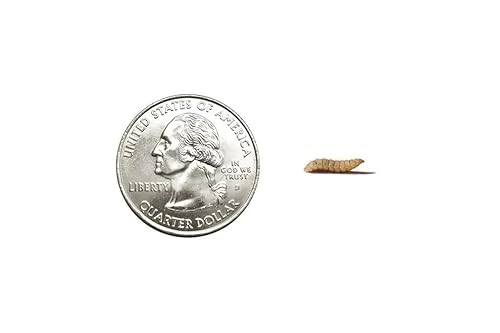
Josh's Frogs Black Soldier Fly Larvae
Black Soldier Fly Larvae (BSFL) are the only commonly available feeder insect with a naturally balanced Ca:P ratio — no dusting required. Their Ca:P approaches 1.5:1, reducing the calcium deficit keepers constantly fight with other feeders. However, BSFL are low in fat-soluble vitamins long-term, so they should be rotated with other insects rather than used exclusively.

Josh's Frogs Crickets
Crickets are the most available and affordable feeder insect, but they come with the worst Ca:P ratio of any common feeder (0.13:1) and a meaningful bite risk. Keeper-reported cricket bites are well-documented — uneaten crickets must be removed within 15 minutes. With consistent gut-loading and calcium dusting, crickets work as an occasional rotation feeder, but should not be the primary insect for gargoyle geckos.
Frequently Asked Questions
Adult gargoyle geckos should receive feeder insects 1–2 times per week alongside their CGD diet (offered 2–3 times per week). Juveniles benefit from insects every other day to support faster growth. Always remove uneaten insects — especially crickets — within 15 minutes to prevent biting.
References & Sources
Related Articles

Finding the Best Place to Buy Feeder Insects Online: Your Ultimate Guide
Discover the top online retailers for feeder insects to ensure your reptile pets get fresh, nutritious meals. Our guide covers crickets, mealworms, roaches, and more, helping you find reliable sources with great prices and shipping.

Best Feeder Insects for Reptiles: Dubia Roaches & More
Discover the best feeder insects for reptiles, including Dubia roaches, crickets, and BSFL. We compare nutrition and gut-loading to help you choose.

Best Gargoyle Gecko Substrate: A Complete Bedding Guide
Discover the best gargoyle gecko substrate options for a healthy, happy pet. Learn about natural, artificial, and bioactive bedding choices and what to avoid.