Best Greens for Tortoises: 10 Safe Picks
Discover the best greens for tortoises — from collard greens to dandelion leaves. Learn what's safe, what to avoid, and how to build a balanced diet.


This article contains affiliate links. If you make a purchase through these links, we may earn a small commission at no extra cost to you. See our affiliate disclosure for details.
We recommend 5 picks here. Our top choice is the Zoo Med Natural Grassland Tortoise Food — check price and availability below.
How we choose: we compare published specifications against the care requirements in veterinary and species-care literature, and weigh those against what long-time keepers report. We do not test products ourselves and we do not restate Amazon star ratings. The 6 sources behind this article are listed at the bottom.
Quick Comparison
- Product Type
- Commercial Pellets
- Primary Dietary Role
- Supplemental Staple
- Format/Texture
- Pellets/Crumbles
- Key Health Impact
- Balanced Digestion
- Application Method
- Direct Feeding
- Product Type
- Powder Supplement
- Primary Dietary Role
- Mineral Fortifier
- Format/Texture
- Fine Powder
- Key Health Impact
- Bone & Shell Health
- Application Method
- Dusting Greens
- Product Type
- Dried Forage
- Primary Dietary Role
- Forage Alternative
- Format/Texture
- Dried Leaves
- Key Health Impact
- Dietary Variety
- Application Method
- Direct Feeding
- Product Type
- Food Sticks
- Primary Dietary Role
- Rotational Supplement
- Format/Texture
- Extruded Sticks
- Key Health Impact
- Nutrient Consistency
- Application Method
- Direct Feeding
- Product Type
- Feeding Accessory
- Primary Dietary Role
- Feeding Tool
- Format/Texture
- Solid Bowl
- Key Health Impact
- Substrate Prevention
- Application Method
- Food Container
Prices are estimates only. Actual prices on Amazon may vary.
Feeding your tortoise the right greens is one of the most important things you can do for their health. Get it right, and your shelled companion will thrive for decades. Get it wrong, and you risk metabolic bone disease, kidney damage, or worse.
The good news? Once you know which greens are winners and which to skip, building a healthy tortoise diet is pretty simple.
This guide covers the best greens for tortoises — what to feed, how often, and what the science actually says about tortoise nutrition.
Why Greens Matter So Much for Tortoises
Tortoises are primarily herbivores. Most species — sulcatas, Russians, Greeks, Hermanns — evolved eating fibrous grasses, weeds, and leafy plants in the wild. Their digestive systems are built to break down high-fiber, low-protein plant matter.
Greens are the foundation of that diet. They provide:
- Calcium for strong shells and bones
- Vitamins A and K for immune function and vision
- Fiber to keep the gut moving
- Hydration — many greens are 80-90% water
The calcium-to-phosphorus ratio (Ca:P) matters a lot. You want greens with a Ca:P ratio of 2:1 or higher. Too much phosphorus blocks calcium absorption, leading to metabolic bone disease over time.
This is exactly the same challenge bearded dragon keepers face — if you're curious how the logic applies to other herbivorous reptiles, our guide on Best Greens for Bearded Dragons: A Complete Feeding Guide breaks it down in detail.
Top 5 Best Greens for Tortoises
Quick recommendations
Ca:P 2.8:1, loaded with vitamins A, C, K. Most tortoises go wild for them.
Ca:P 4.5:1 — one of the best calcium-to-phosphorus ratios available.
Ca:P 3.7:1, cheap, year-round available. Foundation of most tortoise diets.
Ca:P 2.2:1, peppery flavor tortoises enjoy. Excellent rotation option.
Ca:P 2.1:1, plant directly in enclosure for free grazing. High in vitamin C.
Greens to Limit (Not Daily)
What you need to know
Kale — high in goitrogens; feed once or twice weekly only to prevent thyroid issues
Spinach — high in oxalic acid which blocks calcium absorption; occasional feeding only
Swiss chard — also high in oxalates; limit to once per week maximum
Romaine lettuce — mostly water with minimal nutrition; use only as hydration boost
Toxic Greens — Never Feed These
What you need to know
Iceberg lettuce — no nutritional value, causes loose stools
Avocado leaves — contain toxic persin compound
Rhubarb leaves — dangerously high in oxalic acid; potentially fatal
Daffodil, azalea, buttercup — common garden plants that are poisonous to tortoises
Nightshade family (tomato leaves, potato leaves) — contain toxic alkaloids
Detailed Reviews
1. Zoo Med Natural Grassland Tortoise Food
Best Overall
Zoo Med Natural Grassland Tortoise Food
Pros
- •Specifically formulated for herbivorous tortoises' dietary needs
- •Offers consistent and reliable nutrition daily
- •Excellent for supplementing fresh greens, not replacing them
- •Useful for maintaining diet consistency when fresh food is scarce
Cons
- •Lacks the natural hydration of fresh greens and forage
- •Should not be the sole dietary component, requires fresh supplementation
- •May be less palatable for some tortoises compared to fresh options
Bottom Line
This well-balanced commercial blend provides consistent nutrition for herbivorous tortoises. It effectively supplements fresh greens, ensuring a complete diet even when daily fresh variety is limited.
2. Rep-Cal Calcium Supplement with Vitamin D3
Editor's Choice
Rep-Cal Calcium Supplement with Vitamin D3
Pros
- •Provides essential calcium for strong bones and shells
- •Includes Vitamin D3 to aid calcium absorption
- •Trusted brand with a fine powder for easy dusting
- •Crucial for hatchlings, juveniles, and breeding females
Cons
- •Requires manual application (dusting) onto food
- •Improper use can lead to over-supplementation if not measured
- •Not a food source; must be paired with fresh greens
Bottom Line
Essential for proper bone and shell development, this supplement provides crucial calcium and Vitamin D3. It is particularly vital for the health of growing hatchlings and breeding females.
3. Tortoise Supply Organic Dandelion Greens (dried)
Best Value
Tortoise Supply Organic Dandelion Greens (dried)
Pros
- •Made from nutrient-rich dandelion, a tortoise favorite
- •Organic and free from pesticides and herbicides
- •Convenient, shelf-stable option for year-round availability
- •Excellent for adding variety when fresh forage is scarce
Cons
- •Lacks the high moisture content of fresh dandelion greens
- •Some tortoises may prefer fresh over dried forms
- •Requires rehydration or mixing with other foods for optimal palatability
Bottom Line
These dried dandelion greens offer a convenient and shelf-stable way to provide a highly favored food source. They ensure continuous access to this nutritious plant, particularly when fresh dandelions are out of season.
4. Hikari Tortoise Food Sticks
Budget Pick
Hikari Tortoise Food Sticks
Pros
- •Nutritionally complete formula for consistent intake
- •Convenient stick form for easy feeding and portion control
- •Excellent for daily rotation with fresh plant matter
- •Highly palatable and readily accepted by many tortoise species
Cons
- •Processed food, does not fully replicate natural forage
- •Lower in natural fiber compared to fresh grasses and weeds
- •Should not constitute the entire diet, requires fresh components
Bottom Line
These nutritionally complete food sticks offer a convenient supplemental option for tortoise diets. They are ideal for rotating alongside fresh greens, providing a balanced and easy-to-feed component.
5. Reptile Feeding Dish / Salad Bowl
Editor's Choice
Reptile Feeding Dish / Salad Bowl
Pros
- •Keeps food elevated from substrate, preventing ingestion of dirt/sand
- •Flat, wide design accommodates various green types and sizes
- •Simplifies cleanup and maintains enclosure hygiene
- •Beneficial for large species like sulcatas that graze widely
Cons
- •Occupies space within the tortoise enclosure
- •Requires regular cleaning to prevent bacterial growth
- •Some energetic tortoises might still pull food out of the dish
Bottom Line
This flat, wide feeding dish promotes superior hygiene and prevents accidental substrate ingestion during meals. It simplifies enclosure cleanup and ensures greens are presented in a clean, accessible manner.
The 10 Best Greens for Tortoises
1. Dandelion Greens
Dandelion greens are arguably the single best food you can give most tortoises. They're high in calcium, moderately high in fiber, and loaded with vitamins A, C, and K. Tortoises go absolutely wild for them.
You can forage them from untreated lawns or buy them at most grocery stores. Both the leaves and flowers are safe.
Ca:P ratio: ~2.8:1 — excellent.
2. Collard Greens
[Collard greens](https://www.amazon.com/dp/B0CB4P9FXW?tag=krawlo-20 are a staple in most tortoise diets — and for good reason. They're cheap, widely available year-round, and have one of the best calcium profiles of any grocery store green.
They're especially popular with sulcata and Russian tortoise keepers. Rotate them with other greens rather than feeding them exclusively, since they do contain some oxalates.
Ca:P ratio: ~3.7:1 — outstanding.
3. Turnip Greens
Turnip greens are underrated. They pack more calcium than kale, have a solid Ca:P ratio, and most tortoises eat them willingly. You can often find them bundled with turnip roots at the grocery store.
Feed these freely — they're one of the safest greens on the list.
Ca:P ratio: ~4.5:1 — one of the best.
4. Mustard Greens
Mustard greens are another excellent staple. They're peppery and fibrous, which tortoises seem to enjoy. High in vitamins A and K, good calcium content, and widely available.
They belong in regular rotation alongside collard greens and turnip greens.
Ca:P ratio: ~2.2:1 — solid.
5. Escarole
Escarole is a slightly bitter leafy green that sits in the endive family. It has a great nutritional profile — high in calcium, decent fiber, and very low in oxalates compared to many other greens.
It's not always easy to find, but when you can get it, use it. Your tortoise will appreciate the variety.
Ca:P ratio: ~1.9:1 — good.
6. Endive / Chicory
[Endive](https://www.amazon.com/dp/B0CH79M532?tag=krawlo-20 and chicory are go-to greens for many European tortoise species like Greeks and Hermanns. They're low in sugar, high in fiber, and have acceptable calcium levels.
If you keep a Mediterranean species, these greens closely mirror what they'd eat in the wild.
Ca:P ratio: ~1.5:1 — acceptable, best used alongside higher-calcium options.
7. Watercress
Watercress is a nutritional powerhouse — high in vitamins A, C, and K, plus solid calcium content. It's aquatic, so it has higher water content than most greens, which helps with hydration.
Feed it a few times a week as part of a varied rotation. Don't use it as the sole green.
Ca:P ratio: ~2.0:1 — good.
8. Grape Leaves
If you have a grapevine — or access to one — fresh grape leaves are a fantastic treat for tortoises. They're high in fiber and calcium and closely resemble the Mediterranean vegetation that Greek and Hermann's tortoises evolved eating.
Make sure they come from untreated vines. Pesticide-free is non-negotiable.
Ca:P ratio: ~2.5:1 — excellent.
9. Hibiscus Leaves and Flowers
[Hibiscus plants](https://www.amazon.com/dp/B07ZSBSCZD?tag=krawlo-20 are a fantastic addition to any tortoise enclosure. Both the leaves and flowers are safe, nutritious, and most tortoises absolutely love them.
Hibiscus is high in vitamin C and antioxidants. Plant a bush in your yard or in the enclosure itself — it's a living food source your tortoise can graze on freely.
Ca:P ratio: ~2.1:1 — good.
10. Plantain (Broadleaf Plantain)
This is the common weed Plantago major — not the banana-like fruit. Broadleaf plantain grows in most lawns and fields. It's rich in calcium, fiber, and vitamin K.
It's one of the best forage options for outdoor tortoises. If your yard is pesticide-free, let your tortoise graze on it directly.
Ca:P ratio: ~2.3:1 — excellent.
Quick Reference: Greens Feeding Chart
| Green | Ca:P Ratio | Feed Frequency | Notes |
|---|---|---|---|
| Dandelion greens | 2.8:1 | Daily | Best all-around choice |
| Collard greens | 3.7:1 | 3-4x/week | Watch oxalates over time |
| Turnip greens | 4.5:1 | Daily | Excellent staple |
| Mustard greens | 2.2:1 | 3-4x/week | Good variety green |
| Escarole | 1.9:1 | 2-3x/week | Low oxalate, very safe |
| Endive/Chicory | 1.5:1 | 2-3x/week | Ideal for Mediterranean species |
| Watercress | 2.0:1 | 2-3x/week | High hydration |
| Grape leaves | 2.5:1 | 2-3x/week | Use pesticide-free only |
| Hibiscus leaves | 2.1:1 | Daily/free graze | Plant in enclosure |
| Plantain weed | 2.3:1 | Daily/free graze | Forage from yard |
Greens to Feed Only Occasionally
Some greens are fine in small amounts but shouldn't dominate the diet.
Kale — Very popular, but high in goitrogens, which can interfere with thyroid function if fed daily. Offer once or twice a week at most.
Spinach — High in oxalic acid, which binds calcium and prevents absorption. Occasional feeding won't hurt, but don't make it a staple.
Swiss chard — Also high in oxalates. Tasty to tortoises, but limit to once a week.
Romaine lettuce — Low nutritional value, mostly water. It won't harm your tortoise, but it's essentially empty calories. Use it only as a hydration boost, not a primary food.
Greens to Avoid Completely
Some plants are genuinely toxic to tortoises. Keep these away entirely:
- Iceberg lettuce — No nutrition, and can cause loose stools
- Avocado leaves — Toxic; contains persin
- Rhubarb leaves — High in oxalic acid; potentially fatal
- Daffodil, azalea, buttercup — Common garden plants that are poisonous to tortoises
- Nightshade family (tomato leaves, potato leaves) — Toxic alkaloids
If you're ever unsure about a plant, check with a reptile vet before offering it. When in doubt, leave it out.
Does It Matter Which Tortoise Species You Have?
Yes — different species have different needs.
Sulcata tortoises (African spurred) do best on high-fiber, low-protein grasses and weeds. Collard greens, dandelion greens, and hay are their dietary backbone. Check our dedicated guide on Best Greens for Sulcata Tortoises: Top Picks for species-specific advice.
Russian and Greek tortoises evolved in dry Mediterranean and Central Asian climates. They do well on dandelion greens, endive, chicory, and plantain. Avoid high-moisture tropical greens in large amounts.
Red-footed tortoises are omnivores from tropical South America. They need more variety — leafy greens, some fruits, and occasional protein. Watercress, escarole, and hibiscus work well for them. According to ReptiFiles' red-footed tortoise care sheet, leafy greens should still make up the majority of the diet.
Hermann's and Horsfield's tortoises do best on Mediterranean weeds and low-sugar greens. Endive, chicory, and grape leaves are especially appropriate.
How to Build a Balanced Tortoise Salad
Variety is the most important principle here. No single green provides everything your tortoise needs. Rotating through 4-6 different greens each week ensures a broad nutrient profile.
Here's a simple approach:
- Pick a calcium-rich base — collard greens, turnip greens, or dandelion greens
- Add a second green — mustard greens, escarole, or watercress
- Top with a forage item — plantain weed, hibiscus, or grape leaves
- Dust lightly with calcium — especially for hatchlings and juveniles
According to ReptiFiles' sulcata tortoise care guide, a varied diet with calcium supplementation is essential to prevent metabolic bone disease — one of the most common health problems in captive tortoises.
For a deeper look at how tortoise dietary needs compare to other Mediterranean species, The Spruce Pets' Greek tortoise care sheet offers a solid overview of species-appropriate feeding.
Can I Feed My Tortoise Lettuce Every Day?
Romaine or green leaf lettuce? Occasionally, yes. Daily? No. Lettuce has very little nutritional value and a poor Ca:P ratio. Feeding it daily crowds out the nutrient-dense greens your tortoise actually needs.
Iceberg lettuce is even worse — avoid it entirely.
If your tortoise only wants to eat lettuce, try mixing it with better greens until they get used to the variety. Most tortoises adapt quickly.
Organic vs. Conventional Greens: Does It Matter?
Pesticide residue is a real concern with tortoises. They're small animals with slow metabolisms, and pesticide buildup can cause neurological and organ damage over time.
If you can afford it, organic is better — especially for daily staples like collard greens and dandelion greens. If you're foraging from your yard, make sure the area hasn't been treated with herbicides or pesticides for at least a full growing season.
At minimum, wash all store-bought greens thoroughly before serving.
Feeding Frequency and Portion Size
Most adult tortoises do well eating once daily. Hatchlings and juveniles benefit from daily feeding to support growth.
Portion size: offer roughly as much as would fit inside the tortoise's shell in volume. They won't typically overeat leafy greens, but overfeeding protein-heavy foods is a common mistake.
Always remove uneaten food within a few hours to prevent mold and bacterial growth in the enclosure.
Final Thoughts
The best greens for tortoises are the ones you rotate regularly — dandelion greens, collard greens, turnip greens, mustard greens, and plantain as a foraging base, supplemented with endive, escarole, hibiscus, and watercress for variety.
Avoid the high-oxalate and high-goitrogen greens as daily staples. Steer completely clear of toxic plants. Dust with calcium for juveniles and breeding females.
Get those basics right, and your tortoise will have the nutritional foundation for a very long, healthy life.
Our Final Verdict

Zoo Med Natural Grassland Tortoise Food
This well-balanced commercial blend provides consistent nutrition for herbivorous tortoises. It effectively supplements fresh greens, ensuring a complete diet even when daily fresh variety is limited.

Rep-Cal Calcium Supplement with Vitamin D3
Essential for proper bone and shell development, this supplement provides crucial calcium and Vitamin D3. It is particularly vital for the health of growing hatchlings and breeding females.
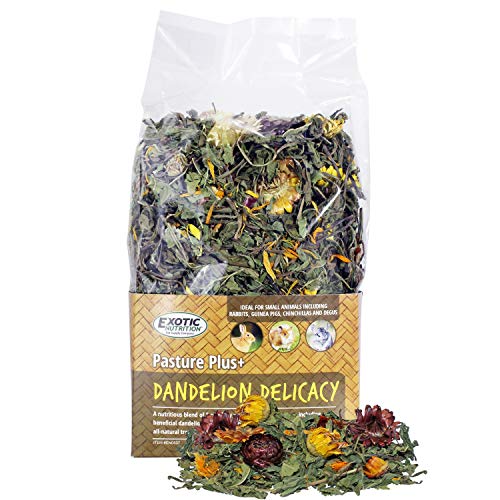
Tortoise Supply Organic Dandelion Greens (dried)
These dried dandelion greens offer a convenient and shelf-stable way to provide a highly favored food source. They ensure continuous access to this nutritious plant, particularly when fresh dandelions are out of season.
Frequently Asked Questions
The best greens for tortoises are dandelion greens, collard greens, turnip greens, mustard greens, and plantain weed. These have high calcium-to-phosphorus ratios and are safe to feed regularly. Rotate through several greens each week for the best nutritional coverage.
References & Sources
- https://reptifiles.com/sulcata-tortoise-care-sheet/
- https://reptifiles.com/russian-tortoise-care-sheet/
- https://www.thesprucepets.com/greek-tortoises-and-spur-thighed-tortoises-1239534
- https://reptifiles.com/red-footed-tortoise-care-sheet/
- https://www.thesprucepets.com/red-footed-tortoises-1237265
- https://www.petmd.com/reptile/tropical-tortoise-care-sheet
Related Articles

Best Greens for Sulcata Tortoises: Top Picks
Discover the best greens for sulcata tortoises — from dandelion to collards. A practical feeding guide to keep your giant tortoise healthy for decades.

Best Vitamins for Tortoises: Your Guide to Optimal Health
Unlock the secrets to optimal tortoise health! Discover the best vitamins for tortoises, including calcium, D3, and more, for strong shells and vibrant lives. Learn how to supplement safely.

Best Greens for Bearded Dragons: A Complete Feeding Guide
Discover the best greens for bearded dragons to eat daily! Our expert guide covers staple veggies, occasional treats, and what to do if your dragon is a picky eater.