Best Greens for Bearded Dragons: A Complete Feeding Guide
Discover the best greens for bearded dragons to eat daily! Our expert guide covers staple veggies, occasional treats, and what to do if your dragon is a picky eater.


This article contains affiliate links. If you make a purchase through these links, we may earn a small commission at no extra cost to you. See our affiliate disclosure for details.
We recommend 4 picks here. Our top choice is the Organic Bee Pollen Powder — check price and availability below.
How we choose: we compare published specifications against the care requirements in veterinary and species-care literature, and weigh those against what long-time keepers report. We do not test products ourselves and we do not restate Amazon star ratings. The 6 sources behind this article are listed at the bottom.
Quick Comparison
- Product Type
- Nutritional Powder
- Primary Function
- Appetite Stimulation
- Dietary Role
- Enhances Food Intake
- Direct Health Impact
- Indirect (Appetite)
- Required Maintenance
- Low (Storage)
- Product Type
- Ceramic Food Bowl
- Primary Function
- Food Containment & Hygiene
- Dietary Role
- Essential Feeding Equipment
- Direct Health Impact
- Indirect (Hygiene)
- Required Maintenance
- Low (Washing)
- Product Type
- Nutritional Powder
- Primary Function
- Bone Health Supplementation
- Dietary Role
- Essential Nutritional Supplement
- Direct Health Impact
- Direct (MBD Prevention)
- Required Maintenance
- Low (Storage)
- Product Type
- Manual Food Prep Tool
- Primary Function
- Efficient Food Chopping
- Dietary Role
- Food Preparation Aid
- Direct Health Impact
- Indirect (Choking Prevention)
- Required Maintenance
- Moderate (Blade Cleaning)
Prices are estimates only. Actual prices on Amazon may vary.
Watching your bearded dragon munch on a fresh salad is one of the most rewarding parts of reptile keeping. But with so much conflicting information out there, it can be stressful to figure out what’s actually safe and healthy. You're not just throwing some lettuce in a bowl; you're providing the essential fuel your pet needs to thrive for years to come.
As bearded dragons mature, their diet shifts dramatically. While babies and juveniles rely heavily on insects for protein, adults should be eating a diet composed of 75-80% plant matter. Leafy greens make up the bulk of that portion, providing critical vitamins, minerals, and hydration. Choosing the right ones is fundamental to their long-term health.
This guide will walk you through everything you need to know about the best greens for bearded dragons. We’ll break down the daily staples, the occasional treats, and the problem plants to avoid. We'll also give you practical tips for picky eaters, so you can get even the most stubborn dragon to love their salad.
Why Greens are So Important for Your Dragon's Health
Think of a daily salad as your bearded dragon's multivitamin. In the wild, they would graze on a wide variety of leaves, flowers, and fruits. Replicating that variety in captivity is the key to preventing common health issues. A diet lacking in proper greens can lead to dehydration, vitamin deficiencies, and even life-threatening conditions like Metabolic Bone Disease (MBD).
A balanced plant-based diet provides:
- Hydration: Many greens have high water content, helping to keep your dragon hydrated without relying solely on their water bowl.
- Essential Vitamins: Greens are packed with Vitamin A, C, and K, which support immune function, vision, and growth.
- Minerals: Most importantly, greens provide calcium, the cornerstone of a healthy reptile skeleton.
As you plan your dragon’s meals, you'll need to become familiar with a simple but crucial nutritional concept: the Calcium to Phosphorus ratio.
The Calcium-to-Phosphorus Ratio: Why It Matters
What you need to know
Ideal Ca:P ratio for bearded dragons is 1.5:1 to 2:1
Phosphorus binds to calcium and prevents the body from absorbing it
High-phosphorus foods deplete calcium reserves and lead to Metabolic Bone Disease (MBD)
MBD causes soft bones, deformities, lethargy, and can be fatal
Calcium is essential for bone health, growth, and long-term survival
Daily Staple Greens: Ca:P Ratios at a Glance
Collard Greens
14.5:1
Best Ca:P ratio, calcium powerhouse
Turnip Greens
4.5:1
Affordable, readily available
Dandelion Greens
2.8:1
Most natural, vitamins A & K rich
Mustard Greens
2.4:1
Peppery flavor, good hydration
Escarole
1.9:1
Balanced, slightly bitter taste
Greens to Avoid: The Danger List
What you need to know
Spinach: High oxalates that bind calcium—avoid completely
Beet Greens: Very high in calcium-binding oxalates—avoid completely
Swiss Chard: High oxalates that interfere with calcium absorption
Lettuce (Iceberg, Romaine): Nutritionally void, mostly water with minimal vitamins
Kale & Bok Choy: Can be occasional treats (1-2x/week) but contain goitrogens that affect thyroid if fed daily
Detailed Reviews
1. Organic Bee Pollen Powder
Editor's Choice
Organic Bee Pollen Powder
Pros
- •Natural appetite stimulant, encouraging consumption of greens.
- •Provides additional nutrients, functioning as a reptile 'superfood'.
- •Easy to apply by sprinkling directly onto salads.
- •Highly effective for improving diet adherence in picky eaters.
Cons
- •Adds an extra step to daily food preparation.
- •May not be universally effective for all extremely picky eaters.
- •Requires careful dosage to avoid potential over-supplementation.
Bottom Line
This natural supplement serves as an excellent appetite stimulant, making it easier to encourage reluctant bearded dragons to consume their essential greens. It also contributes valuable nutrients, enhancing the overall dietary completeness of their plant-based meals.
2. Shallow Ceramic Reptile Food Bowl
Best Value
Shallow Ceramic Reptile Food Bowl
Pros
- •Sturdy ceramic construction is resistant to tipping by active reptiles.
- •Non-porous surface inhibits bacterial growth and simplifies cleaning.
- •Helps keep salads fresh and clean, promoting healthier eating habits.
- •Durable material ensures long-term use within various enclosure setups.
Cons
- •Ceramic bowls can be heavy and bulky for some enclosure types.
- •Potential for breakage if accidentally dropped on hard surfaces.
- •Limited aesthetic options compared to more flexible plastic alternatives.
Bottom Line
This ceramic food bowl provides a stable and hygienic feeding solution crucial for maintaining a clean and safe environment for reptile meals. Its sturdy, non-porous design is ideal for preventing bacterial accumulation and minimizing spills.
3. Rep-Cal Calcium with D3 Supplement Powder
Best Overall
Rep-Cal Calcium with D3 Supplement Powder
Pros
- •Contains Vitamin D3, essential for effective calcium absorption in reptiles.
- •Crucial for preventing Metabolic Bone Disease, a common and severe reptile ailment.
- •Easy application method by lightly dusting on daily greens.
- •Supports the development and maintenance of strong, healthy bones.
Cons
- •Requires precise dosing to avoid issues like hypercalcemia.
- •Can create a fine powdery residue if over-applied to food.
- •Must be stored in a cool, dry place to maintain its efficacy over time.
Bottom Line
This calcium and D3 supplement is fundamental for the health of bearded dragons, playing a vital role in bone development and MBD prevention. Its formulation ensures proper calcium utilization, which is critical given the article's emphasis on strong skeletal health.
4. Multi-Blade Herb Scissors
Premium Pick
Multi-Blade Herb Scissors
Pros
- •Multiple sharp blades enable rapid and efficient chopping of greens.
- •Ensures greens are consistently cut into perfectly bite-sized pieces, preventing choking hazards.
- •Significantly simplifies and speeds up daily meal preparation.
- •Enhances the palatability of salads, potentially aiding picky eaters.
Cons
- •Primarily a single-purpose tool, limiting its versatility in the kitchen.
- •Requires careful cleaning to effectively remove lodged herb particles between blades.
- •The sharp blades necessitate cautious handling and secure storage.
Bottom Line
These multi-blade herb scissors streamline the preparation of greens by allowing quick and precise chopping into bite-sized portions. This tool is invaluable for ensuring safe consumption and can significantly reduce preparation time for the large volume of greens required for adult bearded dragons.
Understanding the Calcium to Phosphorus (Ca:P) Ratio
If you take away only one thing from this guide, let it be this: Calcium is king. Bearded dragons need a diet rich in calcium to build and maintain strong bones. Phosphorus, another mineral found in food, binds to calcium and prevents the body from absorbing it.
This means that foods high in phosphorus can actually deplete your dragon's calcium reserves, leading to Metabolic Bone Disease. MBD is a painful and debilitating condition that causes soft, weak bones, deformities, lethargy, and eventually death. It's one of the most common and preventable diseases in captive reptiles.
To keep your dragon safe, you need to feed foods that have more calcium than phosphorus. The ideal ratio is between 1.5:1 and 2:1 (calcium to phosphorus). All the best greens for bearded dragons we recommend as daily staples meet this critical requirement.
Best Greens Bearded Dragons Can Eat: Daily Staples
These are your go-to greens. They have excellent Ca:P ratios, are low in harmful compounds, and can form the foundation of your dragon's daily salad. For maximum benefit, you should rotate between these options to provide a wide range of nutrients.
1. Collard Greens
- Ca:P Ratio: 14.5:1
- Why they're great: Collard greens are a nutritional powerhouse and a top choice for bearded dragon owners. Their incredibly high calcium-to-phosphorus ratio makes them a superstar for bone health. They are also packed with vitamins A, C, and K. Their sturdy texture holds up well in a salad, making them a perfect base.
2. Dandelion Greens
- Ca:P Ratio: 2.8:1
- Why they're great: Don't pull those weeds! Dandelion greens are one of the healthiest and most natural foods you can offer. They have a great Ca:P ratio and are a fantastic source of vitamins. Just be absolutely sure they are from a pesticide-free and herbicide-free source. Never feed dandelions from a treated lawn or a public park. You can often find organic bunches for sale in grocery stores or grow your own.
3. Mustard Greens
- Ca:P Ratio: 2.4:1
- Why they're great: With a peppery flavor that many dragons enjoy, mustard greens are another excellent daily staple. They provide a solid nutritional profile with a safe Ca:P ratio. They are also a good source of hydration. Mixing them with collard greens and turnip greens creates a balanced and appealing salad base.
4. Turnip Greens
- Ca:P Ratio: 4.5:1
- Why they're great: The leafy tops of the turnip root are far more nutritious than the root itself. Turnip greens boast a fantastic Ca:P ratio and are rich in nutrients. They are readily available and affordable, making them a reliable choice for your dragon's diet. These should be a regular part of your rotation.
5. Escarole
- Ca:P Ratio: 1.9:1
- Why it's great: Escarole offers a good balance of nutrients and a desirable Ca:P ratio. It has a slightly bitter taste that can help stimulate your dragon's appetite. While not as nutritionally dense as collards or dandelions, it's a perfectly safe and healthy addition to the daily salad mix.
A Note on Goitrogens and Oxalates
Some vegetables contain compounds that can be harmful in large quantities.
- Oxalates (or Oxalic Acid): This compound binds with calcium, making it unusable. Spinach and beet greens are very high in oxalates, which is why they should be avoided.
- Goitrogens: These compounds can interfere with thyroid function if fed in excess. Vegetables like kale and bok choy contain goitrogens.
The greens in our "daily" list are low in both of these compounds, making them safe for frequent feeding.
Best Greens Bearded Dragons Can Eat: Occasional Options
Variety is key! These greens are nutritious but have some minor drawbacks, like containing moderate levels of goitrogens or oxalates. You can mix these into the salad once or twice a week to keep things interesting for your dragon.
1. Kale
- Ca:P Ratio: 2.4:1
- Why it's occasional: Kale is a bit controversial. While it has a good Ca:P ratio and is packed with vitamins, it's also a goitrogenic food. Fed every single day, it could potentially impact thyroid health. However, as part of a varied diet served a couple of times a week, it's a healthy and beneficial green.
2. Bok Choy
- Ca:P Ratio: 2.8:1
- Why it's occasional: Similar to kale, bok choy is a goitrogen. It's also very high in water content, which can cause diarrhea if overfed. It's a great source of Vitamin A, but it's best served as a mixer green rather than the main course.
3. Watercress
- Ca:P Ratio: 2:1
- Why it's occasional: Watercress has a perfect Ca:P ratio and is a good source of nutrients. Its strong, peppery flavor can be a hit or miss with some dragons. It can be a healthy part of the rotation, but its strong flavor means it's often better mixed with milder greens.
4. Parsley & Cilantro
- Ca:P Ratio: Parsley (2.4:1), Cilantro (1.4:1)
- Why they're occasional: These herbs are very nutritious but also high in oxalates. A small amount chopped up and sprinkled over a salad once a week adds flavor and nutrients, but they should never be the main component of the meal. Think of them as a garnish.
Greens to Avoid or Feed Very Sparingly
Some plants are either nutritionally empty or downright dangerous for your bearded dragon. It's crucial to know which greens to keep out of the food bowl.
- Spinach: High in oxalates that bind calcium. Avoid it.
- Beet Greens: Same as spinach—very high in oxalates.
- Swiss Chard: Another green high in calcium-binding oxalates.
- Lettuce (Iceberg, Romaine): These are nutritionally void. They are mostly water and fiber with very few vitamins or minerals. While not toxic, they are empty calories and can cause diarrhea. They offer no real benefit and shouldn't be a part of the diet.
- Avocado: Toxic to bearded dragons. Never feed it.
How to Serve Greens to Your Bearded Dragon
Preparation is just as important as selection. An unappetizing or poorly prepared salad will likely go untouched.
- Wash Thoroughly: Always wash greens under cool running water to remove pesticides, dirt, and bacteria.
- Chop Finely: This is a critical step. All pieces of food should be no larger than the space between your bearded dragon's eyes. This rule prevents choking and impaction. Using a good set of [herb scissors](https://www.amazon.com/dp/B0F3XT8JL7?tag=krawlo-20 can make this process quick and easy.
- Mix It Up: Create a salad using 2-3 different staple greens and maybe one occasional green. This provides a broader range of nutrients and keeps the flavor interesting. This is part of figuring out the best greens for your bearded dragon, as individuals can have preferences.
- Use a Good Bowl: Serve the salad in a shallow, sturdy [ceramic food bowl](https://www.amazon.com/dp/B07YYL2TKB?tag=krawlo-20 that can't be tipped over easily. This keeps the food clean and off the substrate.
- Dust with Supplements: Lightly dust the salad with a quality calcium supplement before serving. Figuring out the right supplement schedule is a key part of your dragon's care; for more detail, check out our guide to the best supplements for bearded dragons.
What to Do If Your Bearded Dragon Won't Eat Greens
It's a frustratingly common problem: you prepare a beautiful, nutritious salad, and your dragon turns its nose up at it. Don't give up! This is often a battle of wills you need to win for their health. Here are some proven tricks to try.
- The Bee Pollen Trick: This is the secret weapon of many long-time keepers. Sprinkling a small amount of [organic bee pollen powder](https://www.amazon.com/dp/B0D6BVGKX8?tag=krawlo-20 on the salad works wonders. Dragons are attracted to the sweet smell and taste. It's also a superfood, adding extra vitamins and nutrients.
- Add a Wiggle: Dragons are visually stimulated by movement. Try placing a few dubia roaches or mealworms in the salad bowl. As they wiggle around, they'll draw your dragon's attention to the bowl and encourage them to accidentally get a mouthful of greens. This can help them develop a taste for it.
- Tough Love: For stubborn adult dragons, you may need to withhold insects for a few days. A healthy adult can safely go without protein for a short period. If the salad is the only food available, they will eventually eat it. This is often a necessary step in transitioning an insect-heavy diet to a proper adult diet. You can learn more about proper feeding frequency in our article, How Often Do Bearded Dragons Eat?
- Check Your Husbandry: A dragon that isn't warm enough won't have a strong appetite. Ensure your basking spot surface temperature is between 100-110°F (38-43°C). A dragon that can't properly digest its food won't be eager to eat.
- Hand-Feeding: Sometimes, offering a leaf by hand can pique their interest. The personal attention can make a difference. Wiggle the leaf a bit to simulate movement.
Getting your dragon to eat a healthy diet is a cornerstone of responsible care. By providing a rotating selection of the best greens, preparing them properly, and using a few tricks for picky eaters, you set your pet up for a long, healthy, and happy life.
Our Final Verdict

Organic Bee Pollen Powder
This natural supplement serves as an excellent appetite stimulant, making it easier to encourage reluctant bearded dragons to consume their essential greens. It also contributes valuable nutrients, enhancing the overall dietary completeness of their plant-based meals.
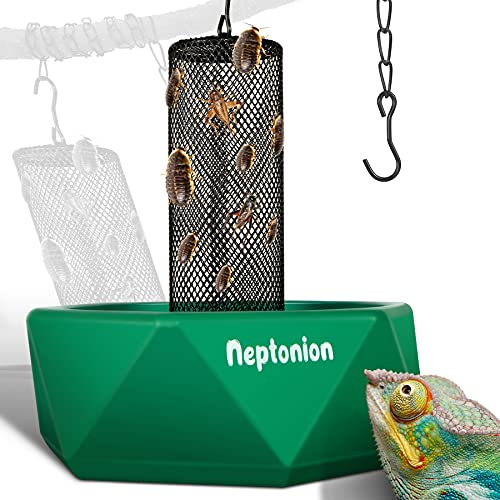
Shallow Ceramic Reptile Food Bowl
This ceramic food bowl provides a stable and hygienic feeding solution crucial for maintaining a clean and safe environment for reptile meals. Its sturdy, non-porous design is ideal for preventing bacterial accumulation and minimizing spills.

Rep-Cal Calcium with D3 Supplement Powder
This calcium and D3 supplement is fundamental for the health of bearded dragons, playing a vital role in bone development and MBD prevention. Its formulation ensures proper calcium utilization, which is critical given the article's emphasis on strong skeletal health.
Frequently Asked Questions
The best daily greens for bearded dragons have a high calcium-to-phosphorus ratio and are low in harmful compounds. Top choices include collard greens, dandelion greens, mustard greens, and turnip greens. Rotating these staples provides a balanced diet.
References & Sources
- https://www.thesprucepets.com/feeding-bearded-dragons-leafy-green-vegetables-1238411
- https://reptifiles.com/bearded-dragon-care/bearded-dragon-vegetables-fruits/
- https://www.petmd.com/reptile/nutrition/what-do-bearded-dragons-eat
- https://reptifiles.com/bearded-dragon-care/bearded-dragon-food/
- https://reptifiles.com/bearded-dragon-wont-eat-greens/
- https://www.petmd.com/reptile/bearded-dragon-care-sheet
Related Articles

Best Protein for Bearded Dragons: Your Complete Feeding Guide
Discover the best protein sources for your bearded dragon! Learn which feeder insects are healthiest, how often to feed them, and tips for a balanced, nutritious diet.

Best Fruit for Bearded Dragons: A Complete Feeding Guide
Wondering what the best fruit for bearded dragons is? Our expert guide covers the safest fruits to feed as treats, which to avoid, and how to prepare them.

Can Bearded Dragons Eat Lettuce? Best and Worst Types
Can bearded dragons eat lettuce? Compare romaine, butter, iceberg, and safer everyday greens, with serving advice for adult and baby bearded dragons.