Best Beginner Chameleon: Top 3 Species Ranked
Looking for the best beginner chameleon? We rank the top 3 species by care difficulty, cost, and temperament so you can choose confidently.


This article contains affiliate links. If you make a purchase through these links, we may earn a small commission at no extra cost to you. See our affiliate disclosure for details.
We recommend 3 picks here. Our top choice is the Veiled Chameleon (Chamaeleo calyptratus) — check price and availability below.
How we choose: we compare published specifications against the care requirements in veterinary and species-care literature, and weigh those against what long-time keepers report. We do not test products ourselves and we do not restate Amazon star ratings. The 6 sources behind this article are listed at the bottom.
Quick Comparison
- Adult Male Size
- 18–24 inches
- Temperature Range
- 72–95°F
- Humidity Level
- 50–70%
- Male Lifespan
- 5–8 years
- Animal Cost (Captive-bred)
- $50–$150
- Hardiness Rating
- ★★★★☆ (4/5)
- Adult Male Size
- 14–21 inches
- Temperature Range
- 72–90°F
- Humidity Level
- 60–80%
- Male Lifespan
- 5–7 years
- Animal Cost (Captive-bred)
- $150–$400+
- Hardiness Rating
- ★★★★☆ (4/5)
- Adult Male Size
- 9–13 inches
- Temperature Range
- 65–80°F (cooler requirement)
- Humidity Level
- 60–80%
- Male Lifespan
- 5–10 years
- Animal Cost (Captive-bred)
- $75–$200
- Hardiness Rating
- ★★★☆☆ (3/5)
Prices are estimates only. Actual prices on Amazon may vary.
Chameleons are unlike any other reptile you'll ever keep. They change color. They have independently moving eyes. They shoot out a tongue faster than you can blink. It's no wonder so many people want one.
But chameleons are also notoriously demanding. They're not beginner reptiles in the same way a ball python or leopard gecko is. They need precise humidity, specific lighting, live food, and a keeper who pays close attention to subtle stress signals.
That said — the best beginner chameleon absolutely exists. You just need to pick the right species and go in with realistic expectations.
In this guide, we'll break down the top three species for new keepers, compare them honestly, and help you figure out which one is right for your lifestyle.
Are Chameleons Good for Beginners?
Here's the honest answer: chameleons are not easy. They rank among the more challenging reptiles to keep successfully. But "challenging" doesn't mean impossible — it means you need to do your homework first.
Chameleons are sensitive to:
- Poor ventilation — they need screen enclosures, not glass tanks
- Incorrect humidity — both too dry and too wet cause problems
- Stress — too much handling or a busy environment can literally make them sick
- Inadequate lighting — UVB is non-negotiable
If you're already comfortable with reptile husbandry — or you're a dedicated first-timer willing to invest time and money — a chameleon can be a deeply rewarding pet. If you want a hands-on, cuddly lizard, check out our guide on Best Pet Lizards for Beginners: 11 Species Ranked instead.
Still here? Great. Let's talk species.
Top 3 Beginner Chameleon Species
Quick recommendations
Hardy and widely available with more forgiving husbandry tolerance
Stunning locale-specific color morphs and more tolerant of handling
Smaller species with live births that prefers cooler temperatures (72–80°F)
Male vs. Female Chameleons
Side-by-side comparison
| Feature | Male | Female |
|---|---|---|
| Reproductive Complications | ★None — no risk of follicular stasis | Risk of egg binding and follicular stasis |
| Colorfulness | ★More colorful, especially in panthers | Less vibrant coloration |
| Handling Tolerance | ★Generally more forgiving | Same, but higher care requirements |
| Setup Requirements | ★Standard enclosure setup | Requires proper lay bin and monitoring |
Our Take: Males are the safer choice for beginner chameleon keepers due to fewer reproductive health risks.
Detailed Reviews
1. Veiled Chameleon (Chamaeleo calyptratus)
Best Overall
Veiled Chameleon (Chamaeleo calyptratus)
Pros
- •Most hardy species with highest margin for error
- •Widely available as captive-bred animals
- •Omnivorous diet allows leafy greens and soft fruits for easier feeding variety
- •Well-studied with abundant care resources
- •Good availability rating (5 stars)
Cons
- •Can be feisty, hissy, and defensive when handled
- •Females have shorter lifespans (3-5 years vs 5-8 years for males)
- •Not a cuddly pet—primarily a display animal
- •Require tall 48-inch enclosures for proper thermoregulation
Bottom Line
Most commonly recommended beginner chameleon species. Hardy, widely available, and forgiving of minor husbandry mistakes. Omnivorous diet simplifies feeding compared to other species.
2. Panther Chameleon (Furcifer pardalis)
Premium Pick
Panther Chameleon (Furcifer pardalis)
Pros
- •Stunning locale-specific color morphs (Ambilobe, Nosy Be, Ambanja)
- •Calmer and more tolerant of handling than veileds
- •More curious than defensive
- •Good handleability rating for occasional interaction
- •Males distinctly more colorful than females
Cons
- •Significantly more expensive ($150–$400+)
- •Strictly insectivorous—requires diverse live prey
- •Shorter female lifespan (2-4 years)
- •Requires higher humidity (60–80%)
- •Less hardy than veileds (4-star rating vs 4.5)
Bottom Line
Visually stunning with locale-specific color morphs. Calmer and more tolerant of handling than veiled chameleons. Better for keepers seeking occasional interaction and aesthetic appeal.
3. Jackson's Chameleon (Trioceros jacksonii)
Best for Cooler Climates
Jackson's Chameleon (Trioceros jacksonii)
Pros
- •Live birth eliminates egg-binding and follicular stasis risks in females
- •Calm and slow-moving temperament
- •More personable than veiled chameleons
- •Smaller size (9–13 inches) requires less space
- •Longer potential lifespan (5–10 years)
- •Ideal for cooler homes (72–80°F preference)
Cons
- •Least hardy species (3-star hardiness rating)
- •Less tolerant of heat—cannot handle warm environments
- •Less readily available as captive-bred
- •Lower availability rating (3 stars)
- •Requires precise temperature control and higher ambient humidity
- •Difficult to manage in warm climates (above 85°F)
Bottom Line
Unique species giving live birth instead of laying eggs. Calm and personable with lower temperature requirements. Best suited for cooler climates or homes without reliable warmth.
Captive Bred vs. Wild Caught: Always Choose Captive Bred
Before we get into species rankings, this point is critical: always buy captive-bred chameleons.
Wild-caught chameleons arrive stressed, parasite-laden, and often already sick. Their survival rates in captivity are significantly lower. Captive-bred animals are healthier, better acclimated to human environments, and easier to feed.
Reputable breeders will tell you the animal's hatch date, lineage, and feeding history. If a seller can't answer those questions, walk away. Sites like FL Chams and MorphMarket are good starting points for finding trustworthy breeders.
Male vs. Female: Which Is Better for Beginners?
This depends on the species, but here's a general rule:
Males are usually easier for beginners. Here's why:
- Females of egg-laying species (like veiled and panther chameleons) can develop eggs even without mating. This condition — called follicular stasis or reproductive failure — is a leading cause of death in female chameleons kept alone.
- Males tend to be more colorful, especially in panther chameleons.
- Males are generally more forgiving of minor husbandry mistakes.
Females can absolutely be kept successfully, but they require an extra layer of management (proper lay bins, monitoring for egg binding). For a first chameleon, a male is the safer choice.
The 3 Best Beginner Chameleon Species
1. Veiled Chameleon (Chamaeleo calyptratus) — Best Overall Beginner Pick
The veiled chameleon is the most commonly recommended beginner chameleon, and for good reason. They're hardy, widely available, and well-studied. If something goes wrong with your husbandry, a veiled chameleon gives you more margin for error than most other species.
Origin: Yemen and Saudi Arabia — they're adapted to seasonal dry periods, which makes them more tolerant of humidity fluctuations.
Size: Males reach 18–24 inches. Females are smaller at 10–13 inches.
Lifespan: 5–8 years for males, 3–5 years for females (females have shorter lifespans due to reproductive stress).
Temperament: Let's be real — veiled chameleons can be feisty. Many will hiss, gape, and inflate when you reach for them. But they do habituate to their keepers over time. They're not cuddly pets, but they're fascinating display animals.
Enclosure: Adults need a minimum 24"×24"×48" screen enclosure. Tall enclosures matter — chameleons feel safer higher up.
Feeding: They're omnivores, which is unusual. Along with insects (crickets, dubia roaches, hornworms), they'll also eat leafy greens and some soft fruits. This dietary flexibility makes feeding easier.
| Care Factor | Rating |
|---|---|
| Hardiness | ★★★★☆ |
| Availability | ★★★★★ |
| Affordability | ★★★★☆ |
| Beginner-friendliness | ★★★★☆ |
| Handleability | ★★★☆☆ |
(Estimates only — actual prices on Amazon may vary.) Captive-bred veiled chameleons typically cost $50–$150 from reputable breeders. Setup costs (enclosure, lighting, misting system) run $300–$600.
According to ReptiFiles' veiled chameleon care guide, a proper UVB setup — specifically a linear T5 HO bulb at 6% or higher — is one of the most critical investments you'll make for this species.
2. Panther Chameleon (Furcifer pardalis) — Best for Color Lovers
If you want a chameleon that looks like a living painting, the panther chameleon is for you. Males come in stunning locale-specific color morphs — Ambilobe, Nosy Be, Ambanja — each with different base colors and patterns.
Origin: Madagascar. They prefer warm, humid environments.
Size: Males reach 14–21 inches. Females are smaller at 10–14 inches.
Lifespan: 5–7 years for males, 2–4 years for females.
Temperament: Panther chameleons are generally calmer and more tolerant of handling than veiled chameleons. Many keepers describe them as more curious than defensive. This makes them a great pick if you want occasional interaction with your chameleon.
Enclosure: Same size requirement as veileds — 24"×24"×48" minimum for adult males. Females can be housed in slightly smaller enclosures.
Feeding: Strictly insectivorous. Crickets, dubia roaches, silkworms, and hornworms form the core of their diet. Variety and proper gut-loading are key.
| Care Factor | Rating |
|---|---|
| Hardiness | ★★★★☆ |
| Availability | ★★★★☆ |
| Affordability | ★★★☆☆ |
| Beginner-friendliness | ★★★★☆ |
| Handleability | ★★★★☆ |
(Estimates only — actual prices on Amazon may vary.) Panther chameleons are pricier — expect $150–$400+ for captive-bred animals, with premium locale morphs going higher. They're worth it if you can budget for them.
ReptiFiles' panther chameleon care sheet is an excellent free resource for dialing in their specific humidity and temperature gradients.
3. Jackson's Chameleon (Trioceros jacksonii) — Best for Cooler Climates
Jackson's chameleons are the outliers on this list. They give birth to live young (instead of laying eggs), which changes the female-care calculus significantly. They also prefer cooler temperatures than most chameleons — a bonus if you live somewhere that doesn't get very warm.
Origin: East Africa (Kenya, Tanzania). They've also established feral populations in Hawaii.
Size: Smaller than veileds and panthers — males reach 9–13 inches.
Lifespan: 5–10 years with good care.
Temperament: Generally calm and slow-moving. They're not aggressive display animals. Many keepers find them more personable than veileds.
The catch: Jackson's chameleons are less tolerant of heat. They need daytime temps around 72–80°F with a basking spot no higher than 85°F. If your home runs warm, this species becomes harder to manage. They also need higher ambient humidity than veileds.
| Care Factor | Rating |
|---|---|
| Hardiness | ★★★☆☆ |
| Availability | ★★★☆☆ |
| Affordability | ★★★★☆ |
| Beginner-friendliness | ★★★☆☆ |
| Handleability | ★★★★☆ |
(Estimates only — actual prices on Amazon may vary.) Captive-bred Jackson's chameleons run $75–$200 depending on subspecies. The most common subspecies available is T. j. xantholophus (yellow-crested Jackson's), recognizable by the three prominent horns on males.
Species at a Glance: Quick Comparison
| Species | Adult Size | Temp Range | Humidity | Best For |
|---|---|---|---|---|
| Veiled Chameleon | 18–24" (M) | 72–95°F | 50–70% | Hardy beginners |
| Panther Chameleon | 14–21" (M) | 72–90°F | 60–80% | Color & handleability |
| Jackson's Chameleon | 9–13" (M) | 65–80°F | 60–80% | Cooler homes, live birth |
Species Requirements Dictate Cage Type
All three species require screen enclosures, not glass tanks. This is non-negotiable. Chameleons need constant airflow to prevent respiratory infections and bacterial growth from stagnant moisture.
For adult males of veiled and panther species, aim for a 48-inch tall enclosure minimum. Jackson's chameleons can do fine in a slightly shorter 36-inch enclosure.
Live plants make a huge difference. Pothos, hibiscus, and ficus are all chameleon-safe and help maintain humidity naturally while giving your chameleon climbing opportunities and visual barriers that reduce stress.
Lighting and Heating: The Non-Negotiables
Chameleons are diurnal reptiles that need both UVB and a thermal gradient. Here's what you need:
- UVB light: A linear T5 HO UVB bulb (like the Arcadia 6% or Zoo Med Reptisun 5.0) is the gold standard. Run it 10–12 hours per day.
- Basking bulb: A simple incandescent or halogen bulb works. Dial in the wattage to hit your target basking temp (90–95°F for veileds, slightly lower for Jackson's).
- Night temps: Most chameleons do fine dropping to 65–70°F at night, which mimics natural temperature cycles.
Never use heat rocks or under-tank heaters — chameleons thermoregulate by moving up and down in their enclosure, not by lying on warm surfaces.
Feeding and Supplementation
All three species eat live insects. There's no getting around that. If live bugs aren't something you can handle, a chameleon isn't the pet for you.
Core feeder insects: Dubia roaches, [crickets](https://www.amazon.com/dp/B01017N5LC?tag=krawlo-20 hornworms, silkworms, and black soldier fly larvae all offer different nutritional profiles. Rotating through multiple feeders is healthier than relying on one.
Gut-loading matters. Feed your feeder insects nutritious food (leafy greens, sweet potato, commercial gut-load) for 24–48 hours before offering them to your chameleon. The nutrition inside the bug is what your chameleon actually gets.
Supplements:
- Calcium without D3: dust every feeding
- Calcium with D3: dust 2x per month
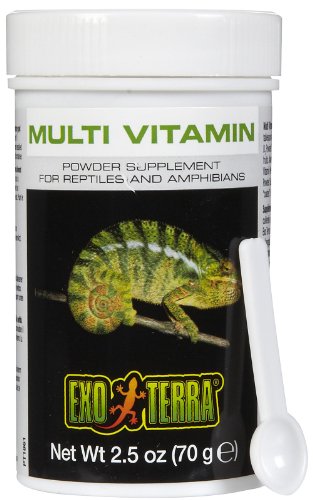
- Multivitamin: 1x per month
Over-supplementing vitamins is as dangerous as under-supplementing. Stick to this schedule.
Hydration: Misting Is Not Optional
Chameleons don't drink from standing water bowls. They drink droplets from leaves and surfaces after rain — or in your case, after misting.
A automatic misting system like the Mist King or Exo Terra Monsoon is one of the best investments you'll make. Manual misting twice daily can work, but automated systems are more consistent.
Mist for 2–3 minutes, 2–3 times per day. Give the enclosure time to dry out between sessions. Constant wetness breeds bacteria and respiratory infections.
You can also use a [drip system](https://www.amazon.com/dp/B0002DHOFE?tag=krawlo-20 as a supplement — a slow drip onto leaves gives chameleons a natural drinking opportunity throughout the day.
What About Smaller or Giant Chameleons?
You'll occasionally see people recommend pygmy chameleons (Rhampholeon or Brookesia species) as beginner options because of their small size. While they are fascinating, they're actually harder to care for — more sensitive to temperature swings, harder to feed appropriately, and not widely available as captive-bred animals. Avoid them as a first chameleon.
On the other end, Parson's chameleons and Meller's chameleons are giants that require enormous enclosures, are incredibly expensive, and are almost exclusively wild-caught. They're expert-only animals.
Stick with the big three: veiled, panther, or Jackson's.
So, What's the Best Beginner Chameleon?
For most new keepers, the veiled chameleon wins. It's hardy, widely available, well-documented, and gives you the most room to learn without losing the animal to a small husbandry mistake.
If budget allows and you want a calmer, more handleable animal with jaw-dropping colors, the panther chameleon is worth the premium.
If you live in a cool climate and want a smaller, live-bearing species, the Jackson's chameleon is a solid third choice — just be prepared for tighter temperature management.
Whichever you choose, do yourself a favor: read everything you can before bringing the animal home. Set up and test the enclosure for at least a week before the chameleon arrives. And find a reptile vet in your area who sees chameleons specifically — ideally before you ever need one.
For more on keeping chameleons overall, see our guide on What's the Best Chameleon Pet? A 2026 Keeper's Guide. And if you're still weighing your options between reptile types, our Best Pet Snakes for Beginners: 10 Top Picks Ranked might help you compare the commitment levels involved.
Chameleons are work. But watching one slowly stalk a cricket across a branch, or seeing a male panther light up in full breeding colors — there's genuinely nothing else like it in the reptile hobby.
Our Final Verdict
Veiled Chameleon (Chamaeleo calyptratus)
Most commonly recommended beginner chameleon species. Hardy, widely available, and forgiving of minor husbandry mistakes. Omnivorous diet simplifies feeding compared to other species.

Panther Chameleon (Furcifer pardalis)
Visually stunning with locale-specific color morphs. Calmer and more tolerant of handling than veiled chameleons. Better for keepers seeking occasional interaction and aesthetic appeal.

Jackson's Chameleon (Trioceros jacksonii)
Unique species giving live birth instead of laying eggs. Calm and personable with lower temperature requirements. Best suited for cooler climates or homes without reliable warmth.
Frequently Asked Questions
The veiled chameleon (Chamaeleo calyptratus) is widely considered the hardiest species for beginners. It tolerates minor humidity fluctuations better than most chameleons, eats both insects and leafy greens, and is more forgiving of small husbandry mistakes. Captive-bred males are the best starting point.
References & Sources
- https://www.thesprucepets.com/chameleons-t2-1236756
- https://reptifiles.com/veiled-chameleon-care-sheet/
- https://www.petmd.com/reptile/veiled-chameleon-care-sheet
- https://reptifiles.com/panther-chameleon-care-sheet/
- https://www.thesprucepets.com/considerations-when-buying-a-chameleon-5101217
- https://www.thesprucepets.com/veiled-chameleon-1238538
Related Articles

Best Plants for Chameleon Cage: A Krawlo Guide
Discover the best plants for your chameleon cage! Our expert guide helps you choose safe, functional, and beautiful live plants to enrich your chameleon's habitat.

Best Plants for Your Chameleon Enclosure: A Krawlo Guide
Discover the best plants for your chameleon enclosure, from safe live options to essential faux choices. Create a thriving, natural habitat with our expert guide.

Finding the Best Chameleon Enclosure: A 2026 Guide
Choosing the best chameleon enclosure is key to a healthy pet. This guide covers the top picks for size, material (screen vs. glass), and setup for 2026.