Best Bearded Dragon Leash: 5 Safe Picks for Outdoor
Find the best bearded dragon leash for safe outdoor adventures. We cover fit, materials, training tips, and our top 5 picks for every budget.


This article contains affiliate links. If you make a purchase through these links, we may earn a small commission at no extra cost to you. See our affiliate disclosure for details.
We recommend 5 picks here. Our top choice is the Adjustable Nylon Reptile Harness and Leash — check price and availability below.
How we choose: we compare published specifications against the care requirements in veterinary and species-care literature, and weigh those against what long-time keepers report. We do not test products ourselves and we do not restate Amazon star ratings. The 3 sources behind this article are listed at the bottom.
Quick Comparison
- Material
- Nylon
- Price Range
- $8–$15
- Decorative Wings
- No
- Leash Included
- Yes
- Best For
- Beginners and most owners
- Break-in Period Required
- None
- Material
- Nylon with decorative felt/fabric wings
- Price Range
- $10–$20
- Decorative Wings
- Yes (lightweight felt/fabric)
- Leash Included
- Yes (4–6 foot)
- Best For
- Aesthetics and social media
- Break-in Period Required
- None
- Material
- Padded nylon or fleece-lined
- Price Range
- $16–$24 (premium pricing)
- Decorative Wings
- No
- Leash Included
- Not specified
- Best For
- Sensitive/young dragons
- Break-in Period Required
- Minimal
- Material
- Vegetable-tanned leather
- Price Range
- $25–$40
- Decorative Wings
- No
- Leash Included
- Not specified
- Best For
- Long-term regular use
- Break-in Period Required
- Yes (leather needs softening)
- Material
- Mixed materials (nylon/fabric)
- Price Range
- $12–$18 for 2–3 harnesses
- Decorative Wings
- No
- Leash Included
- Not specified
- Best For
- Growing juveniles and sizing uncertainty
- Break-in Period Required
- None
Prices are estimates only. Actual prices on Amazon may vary.
Taking your bearded dragon outside is one of the best things you can do for them. Fresh air, natural sunlight, and new sights and smells all make for a happier, healthier beardie. But letting a dragon roam free in your backyard? That's a recipe for disaster.
That's where a good bearded dragon leash comes in.
In this guide, we'll cover the best bearded dragon leash options on the market, what to look for when you're shopping, and how to actually train your dragon to tolerate — and maybe even enjoy — wearing one.
Are Leashes Good for Bearded Dragons?
Yes, when used correctly. A properly fitted harness and leash lets your dragon explore outside safely without the risk of escaping, getting stepped on, or being snatched by a predatory bird.
That said, a leash is a tool — not a toy. There are some non-negotiable rules:
- Never drag or pull your dragon by the leash. Always let them set the pace.
- Supervise every second of outdoor time. Hawks, cats, and dogs are real threats.
- Avoid hot pavement. Belly heat from concrete can burn them faster than you'd think.
- Start with short sessions. New experiences are stressful for reptiles. Build up slowly.
Used with patience and care, a leash opens up a whole new world for your beardie. Many bearded dragons genuinely seem to enjoy exploring once they're comfortable with the setup.
Top 5 Bearded Dragon Leash Picks
Quick recommendations
Lightweight, fully adjustable, and simple to clean. Affordable at $8–$15.
Lightweight decorative wings that don't restrict movement. $10–$20 for great social media content.
Padded or fleece-lined straps minimize irritation during early training phases.
Premium durability with vegetable-tanned leather. Built to last with regular use. $25–$40.
Multiple sizes let you find perfect fit and accommodate growth. $12–$18 for 2-3 harnesses.
Harness Buying Guide
What you need to know
Material matters: Nylon (durable, easy-clean), soft fabric (gentle on scales), or leather (premium, long-lasting)
Fit is critical: One finger should slide comfortably under any strap; adjustable straps with quick-release closures are essential
Choose 4–6 foot leashes to give your dragon room to roam while staying safely within your reach
Avoid retractable leashes: the snap-back motion startles reptiles and causes stress responses
Decorative attachments (like wings) are optional but harmless—just ensure they're lightweight and securely fastened
Bearded Dragon Sizing Reference
Juvenile
8–12" body length, 3–5" chest girth → Size XS/S
Sub-adult
12–18" body length, 5–8" chest girth → Size S/M
Adult
18–24" body length, 8–12" chest girth → Size M/L
Large Adult
24+" body length, 12+" chest girth → Size L/XL
Detailed Reviews
1. Adjustable Nylon Reptile Harness and Leash
Best Overall
Adjustable Nylon Reptile Harness and Leash
Pros
- •Lightweight and fully adjustable
- •Affordable and easy to replace
- •Simple to clean
- •Works for juveniles to adults depending on size
Cons
- •Basic design
- •Dragons may try to destroy them
Bottom Line
A simple, affordable starter harness that's lightweight, fully adjustable, and easy to clean. The ideal entry point for owners beginning leash training.
2. Dragon Wings Harness and Leash
Best for Photos
Dragon Wings Harness and Leash
Pros
- •Lightweight decorative wings don't restrict movement
- •Perfect for photos and social media
- •Includes leash
- •Dragons stop noticing wings after adjustment
Cons
- •Wings are purely decorative
- •Only appealing if aesthetics are a priority
Bottom Line
A decorative harness with lightweight felt or fabric wings attached to create an aesthetic fantasy look. Includes 4–6 foot leash and doesn't restrict movement.
3. Soft Fabric Adjustable Harness
Best for Sensitive Dragons
Soft Fabric Adjustable Harness
Pros
- •Padded/fleece lining minimizes skin irritation
- •Gentler on delicate scales
- •Ideal for sensitive or young dragons
- •Better for initial training phases
Cons
- •More expensive than basic nylon
- •May be unnecessary for dragons without sensitive skin
Bottom Line
A padded or fleece-lined harness designed to be gentle on delicate reptile scales. Especially suited for sensitive skin, young juveniles, and dragons that resist harnesses.
4. Deluxe Leather Bearded Dragon Harness
Premium Pick
Deluxe Leather Bearded Dragon Harness
Pros
- •Built for long-term durability
- •Develops attractive patina over time
- •Premium build quality
- •Worthwhile investment for regular outdoor use
Cons
- •Expensive upfront cost
- •Requires break-in period to soften
- •Needs maintenance and care
- •Metal hardware can overheat in direct sunlight
Bottom Line
A premium, long-lasting harness made from smooth vegetable-tanned leather. Develops a nice patina with use but requires time to break in and careful maintenance.
5. Multi-Pack Reptile Harness Set
Best Value
Multi-Pack Reptile Harness Set
Pros
- •Includes multiple sizes for finding perfect fit
- •Great value for the price
- •Perfect for growing juveniles that outgrow harnesses quickly
- •Reduces waste from buying wrong sizes
Cons
- •May include sizes you don't need
- •Not all harnesses in pack will be used
Bottom Line
A multi-size harness pack typically containing two or three harnesses at different sizes. Eliminates sizing guesswork and accommodates growing juveniles.
What to Look for in a Bearded Dragon Leash
Not all reptile harnesses are created equal. Here's what actually matters when you're shopping.
Material
Most bearded dragon harnesses use nylon, soft fabric, or leather.
- Nylon is durable, lightweight, and easy to wipe clean. It's the most popular choice for everyday use.
- Soft fabric (felt, fleece, or padded nylon) is gentler on delicate scales. Great for sensitive or young dragons.
- Leather is premium and long-lasting, but it can be stiff at first and needs some breaking in.
Avoid anything with sharp edges, stiff buckles that dig into skin, or rough stitching near the body contact areas.
Fit
Fit is the single most important factor. A harness that's too loose slips off within seconds. Too tight, and it restricts breathing and circulation.
Look for adjustable straps with secure, quick-release closures. Most harnesses have an adjustable neck loop and a body strap that wraps behind the front legs. You should be able to slide one finger comfortably beneath any strap. If you can't, it's too tight.
Leash Length
A 4 to 6-foot leash gives your dragon room to roam while keeping them close enough to monitor. Avoid retractable leashes — the sudden snap-back motion startles reptiles and can cause a stress response.
Design
Some harnesses include decorative wings — those iconic dragon-wing attachments that make your beardie look like a tiny mythological creature. They don't serve a functional purpose, but they don't cause harm either, and the photos are absolutely worth it.
Just make sure any decorative attachments are lightweight and securely fastened. Heavy or loosely attached accessories can annoy your dragon and make them resist the harness.
Top Picks: Best Bearded Dragon Leash Options
(Estimates only — actual prices on Amazon may vary.)
Here are our top picks for the best bearded dragon leash, covering every style and budget.
1. Adjustable Nylon Reptile Harness and Leash
For most bearded dragon owners, a simple adjustable nylon harness is the best place to start. These are affordable, come in multiple sizes, and are easy to replace if your dragon destroys one (which they will try to do).
[Adjustable nylon reptile harness and leash](https://www.amazon.com/dp/B0G7CWY7Z7?tag=krawlo-20 sets typically run $8–$15 and fit dragons from juvenile to adult sizes depending on which size you choose.
Why it works: Lightweight, fully adjustable, and simple to clean. It's the ideal starter harness for owners who are just beginning leash training.
Sizing tip: Measure your dragon's girth just behind the front legs before ordering. Most small harnesses fit dragons 12–16 inches long. Medium fits 16–20 inches. Large fits 20–24 inches.
2. Dragon Wings Harness and Leash
If you want your beardie to look like an actual dragon on your walks — and honestly, who doesn't — a bearded dragon leash with wings is the obvious choice.
These harnesses attach lightweight felt or fabric wings to the back panel of a standard-style harness. The wings are purely decorative and don't restrict movement. Most sets include a 4 to 6-foot leash.
(Estimates only — actual prices on Amazon may vary.) Expect to pay $10–$20 for a quality set.
Why it works: Great for photos and social media. Your dragon genuinely looks spectacular. Most bearded dragons stop noticing the wings after a few sessions once they're comfortable with the harness base.
3. Soft Fabric Adjustable Harness
For dragons with sensitive skin, young juveniles, or wiggly individuals who resist being geared up, a soft fabric harness is worth every extra dollar. Padded or fleece-lined straps are far gentler than bare nylon against delicate reptile scales.
A [soft padded reptile harness](https://www.amazon.com/dp/B0DKSZ8XF6?tag=krawlo-20 is especially good for the initial training phases when your dragon is first getting used to the sensation of wearing a harness.
Why it works: Minimizes skin irritation during early harness training. Ideal for sensitive or younger dragons who need extra comfort.
4. Deluxe Leather Bearded Dragon Harness
For the beardie owner who wants something built to last, a leather harness is the premium pick. These are more durable than nylon over the long term and develop a nice patina with regular use. The downside is price — quality [leather reptile harnesses](https://www.amazon.com/dp/B0DNPYSBBJ?tag=krawlo-20 typically run $25–$40 — and they need time to break in and soften.
Look for smooth, vegetable-tanned leather with rounded edges and a reliable quick-release buckle. Avoid any harnesses with metal hardware that could overheat in direct sunlight.
Why it works: Built for long-term durability. If your dragon is fully harness-trained and goes out regularly, a leather harness is a worthwhile investment.
5. Multi-Pack Reptile Harness Set
Not sure what size fits your dragon? Buying a multi-size harness set is a smart move. These packs usually include two or three harnesses at different sizes for $12–$18 total.
A multi-size reptile harness pack is especially useful if you have a growing juvenile who will quickly outgrow a single harness — which happens faster than you'd expect in the first year.
Why it works: Lets you find the perfect fit without wasting money on the wrong size. Great value for juvenile dragon owners.
How to Measure Your Dragon for a Harness
Getting the right size is critical. Here's how to measure accurately:
- Neck girth: Measure loosely around the neck, just below the head.
- Chest girth: Measure around the widest part of the chest, just behind the front legs.
- Body length: Measure from snout tip to tail base (not including the tail).
Most harness brands include a sizing chart. When in doubt, size up — you can tighten an adjustable harness, but you can't loosen one that's already too small.
| Dragon Life Stage | Body Length | Chest Girth | Recommended Size |
|---|---|---|---|
| Juvenile | 8–12 inches | 3–5 inches | XS or S |
| Sub-adult | 12–18 inches | 5–8 inches | S or M |
| Adult | 18–24 inches | 8–12 inches | M or L |
| Large adult | 24+ inches | 12+ inches | L or XL |
How to Train Your Bearded Dragon to Wear a Leash
Don't expect your beardie to embrace the harness on day one. Reptiles don't do well with sudden changes. Slow, consistent training is the only approach that actually works.
Week 1 — Introduction
Leave the harness inside your dragon's enclosure for two or three days. Let them see it, smell it, and investigate it on their own terms. This removes the "foreign object" stress response before you even try to put it on.
Week 2 — First Fitting
Put the harness on for 5 to 10 minutes inside your home. Don't attach the leash yet. Watch your dragon carefully. A darkened beard, puffed-up body, or open gaping mouth signals stress — take it off and try again the next day. Calm coloring and a relaxed posture mean you're making progress.
Week 3 — Leash Introduction
Attach the leash but don't hold it. Let your dragon drag it around the room. This gets them used to the weight and sensation of the leash before you add any resistance.
Week 4 — First Outdoor Trip
Start with 5 to 10 minutes in a quiet, shaded spot outdoors. Avoid busy parks or areas with lots of foot traffic. Your dragon is processing an enormous amount of new sensory input — smells, sounds, wind, temperature changes — and they need low-stress conditions to adjust.
Most bearded dragons become genuinely comfortable with harness walks within 4 to 8 weeks of patient training. Some take longer. That's okay — rushing the process only sets you back.
Outdoor Safety: What Every Beardie Owner Should Know
Once your dragon is harness-trained, safety is still an every-session commitment.
Temperature check first. Bearded dragons are ectotherms — their body temperature is controlled by their environment. Outdoor temps between 75°F and 95°F are the sweet spot. Avoid taking them out below 65°F or above 100°F.
Watch the sky. This sounds dramatic, but it's very real. Red-tailed hawks, Cooper's hawks, and other raptors will absolutely target a small reptile on a leash. Keep your dragon close to your body and step under cover if you spot large birds overhead.
Avoid treated grass. Pesticides, herbicides, and chemical fertilizers are toxic to reptiles. Only let your dragon walk on natural, untreated grass and soil. When in doubt, keep them on a towel or blanket.
Don't let them eat wild plants. Many common garden and yard plants are toxic to bearded dragons. Unless you can positively identify a plant as safe, keep your dragon away from it.
Mix sun and shade. Natural UVB exposure is wonderful for vitamin D3 production and overall health. But direct midday sun on a hot day can overheat a dragon quickly. Rotate between sunny spots and shade every few minutes.
To support your dragon's health both indoors and out, check out our guide to Best Supplements For Bearded Dragons — outdoor UVB combined with proper supplementation is one of the most powerful health combinations you can offer.
DIY Bearded Dragon Leash: Is It Worth It?
You'll find DIY bearded dragon leash tutorials all over Reddit and YouTube. The basic idea is using soft cord, ribbon, or paracord fashioned into a figure-eight harness shape.
Honestly? DIY harnesses can work in a pinch, but we don't recommend them as a long-term solution. The risks are real:
- Slippage: A loose knot or improperly tied figure-eight will fail the moment your dragon decides to bolt.
- Pressure points: Without proper design, homemade harnesses can create uneven pressure that injures muscles or restricts breathing.
- No quick-release: If your dragon panics, you need to get the harness off fast. DIY versions rarely have that feature.
Commercial harnesses are inexpensive enough — $8 to $15 for a quality nylon option — that there's no compelling reason to risk injury with a DIY solution.
Signs Your Dragon Is Comfortable Outdoors
Knowing how to read your dragon's body language is the key to successful outdoor sessions. Look for these positive signs:
- Normal or bright coloring — not darkened or stressed gray-brown
- Relaxed body posture — not puffed up or flattened defensively
- Slow, curious movement — sniffing around, exploring at their own pace
- Normal tongue flicking — they're gathering scent information, which is a good sign
And these warning signs that mean it's time to head inside:
- Black beard — stressed or threatened
- Gaping mouth — stressed or overheating
- Flattened body against the ground — fear response
- Trying to bolt repeatedly — they're not comfortable yet
Understanding your beardie's body language will make you a much better keeper overall. Our guide on Understanding Bearded Dragon Color Changes and Their Meanings goes deep on exactly this topic if you want to build that skill.
The Bottom Line
The best bearded dragon leash is the one that fits properly, uses safe materials, and makes outdoor time enjoyable for both of you. For most owners, a simple adjustable nylon harness is the perfect starting point. If you want to level up, a soft fabric harness offers more comfort, and a dragon wings set delivers maximum charm.
Take the training process seriously. Go slow, watch your dragon's stress signals, and keep outdoor sessions short until they're fully comfortable. The investment in proper training pays off with years of safe, enriching outdoor adventures.
If you're building out your bearded dragon care setup more broadly, our guide to the Best Heating Mat for Bearded Dragon is a great companion read — because the best outdoor time always starts with a healthy, well-heated beardie at home.
Our Final Verdict
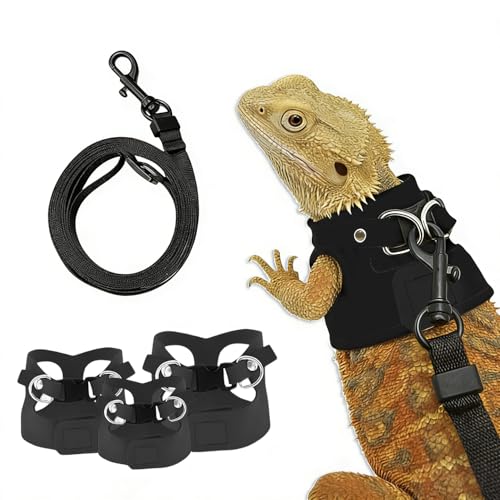
Adjustable Nylon Reptile Harness and Leash
A simple, affordable starter harness that's lightweight, fully adjustable, and easy to clean. The ideal entry point for owners beginning leash training.
Dragon Wings Harness and Leash
A decorative harness with lightweight felt or fabric wings attached to create an aesthetic fantasy look. Includes 4–6 foot leash and doesn't restrict movement.

Soft Fabric Adjustable Harness
A padded or fleece-lined harness designed to be gentle on delicate reptile scales. Especially suited for sensitive skin, young juveniles, and dragons that resist harnesses.
Frequently Asked Questions
Yes, when used properly. A well-fitted harness and leash allows your bearded dragon to enjoy supervised outdoor time safely, without the risk of escaping or being attacked by predators. The key is using the right size harness, training your dragon slowly, and always supervising them outdoors.
References & Sources
Related Articles

Best Bearded Dragon Accessories: Complete Setup Guide
Discover the best bearded dragon accessories for a thriving enclosure — basking platforms, hides, hammocks, climbing décor, and expert design tips for every budget.

Best Bearded Dragon Starter Kit (2026): What You Really Need
Find the best bearded dragon starter kit in 2026. We break down what's worth buying, what to skip, and exactly what your beardie needs to thrive.

Best UVB Light for Bearded Dragon (2026 Keeper's Guide)
Find the best UVB light for your bearded dragon in 2026. T5 vs T8, wattage, placement, and top picks reviewed by reptile care specialists.