Understanding Bearded Dragon Color Changes and Their Meanings
Discover the reasons behind bearded dragon color changes and what they mean for your reptile's health and mood.


✓Recommended Gear
TL;DR: Bearded dragons change color to communicate stress, regulate temperature, attract mates, or signal health issues — with the beard commonly darkening to black during aggression, dominance displays, or fear responses. Brown coloration usually indicates stress or temperature regulation needs, while orange is a sign of good health or breeding season activity. Persistent dark coloration accompanied by other symptoms like labored breathing or lethargy warrants a vet visit.
Introduction
Bearded dragons are fascinating pets, known for their unique ability to change colors. This behavior can be a source of wonder and sometimes concern for new owners. In this guide, we'll explore the various reasons why bearded dragons change color and what these changes might mean for your pet’s health and mood.
Do Bearded Dragons Really Have Beards?
Yes, bearded dragons do have beards! The beard is a prominent feature on the underside of their throat, which they can puff up and darken, especially when feeling threatened or trying to attract a mate. This feature is not just for show; it plays a crucial role in their communication and survival.
What Color Does the Beard Change To?
The beard of a bearded dragon typically changes to black. This darkening can be partial or complete, and it’s one of the most noticeable color changes. However, the beard can also turn lighter or even display other patterns depending on the situation.
Why Does the Beard Darken or Puff Up?
Communication
Bearded dragons use their beard to communicate with other dragons and even with humans. A darkened beard can be a sign of aggression or a way to assert dominance. If you notice your dragon’s beard is dark and puffed up, it might be feeling threatened or trying to scare off a perceived rival.
Courtship
During mating season, male bearded dragons will often display a darker beard to attract females. This is a natural part of their mating behavior and is usually nothing to worry about.
Stress or Fear
If your bearded dragon is feeling stressed or afraid, it might darken its beard as a defensive mechanism. This can happen if the dragon is in a new environment, if it feels threatened by another pet, or if there’s a sudden change in its surroundings.
Health Issues
Sometimes, a darkened beard can be a sign of a health issue. If your dragon's beard remains dark for an extended period and is accompanied by other symptoms like decreased appetite or lethargy, it’s a good idea to consult a vet.
Temperature Regulation
Bearded dragons can change the color of their beard to regulate their body temperature. Darkening the beard helps absorb more heat, while lightening it can help dissipate heat. This is especially important in their natural habitat where temperature fluctuations are common.
Why Bearded Dragons Darken Their Beard
What you need to know
Communication: A darkened beard signals aggression or dominance assertion toward other dragons or threats
Courtship: Male bearded dragons display darker beards during mating season to attract females
Stress or Fear: A darkened beard is a defensive response when your dragon feels threatened or anxious
Health Issues: Persistent dark coloration with decreased appetite or lethargy may indicate illness requiring vet care
Temperature Regulation: Darkening absorbs more heat while lightening helps dissipate excess body temperature
What Is a Bearded Dragon Morph?
A morph refers to a genetic variation in a bearded dragon’s appearance. These variations can affect the dragon’s color, pattern, and even scale type. Morphs are fascinating and can make each bearded dragon unique and special.
Types of Bearded Dragon Morphs
Standard Morph
This is the most common morph, featuring the typical sandy or brown coloration with a mix of darker and lighter scales.
Hypomelanistic (Hypos) Morph
Hypomelanistic dragons have reduced melanin, resulting in a lighter overall color. They often have a soft, pastel appearance and can be very visually appealing.
Translucent Morph
Translucent morphs have a unique, see-through quality to their scales, especially when they are young. As they grow, their skin can take on a slightly different hue, often with a silvery or translucent sheen.
Leatherback Morph
Leatherback bearded dragons have a smoother, leather-like appearance due to a genetic mutation that reduces the number of bony scales on their back. They often have vibrant colors and are a favorite among breeders.
Zero Morph
Zero morphs are the result of a lack of dark pigmentation. They appear almost completely white or very light in color, making them stand out in any collection.
Woma Morph
Woma morphs are a mix of various traits, often resulting in a highly unique and varied appearance. They can have a combination of colors and patterns, making each one almost one-of-a-kind.
Bearded Dragon Morph Types
Standard Morph
Sandy or brown coloration with mix of darker and lighter scales
Hypomelanistic (Hypos)
Reduced melanin, lighter overall color with soft pastel appearance
Translucent Morph
See-through scale quality when young, silvery or translucent sheen
Leatherback Morph
Smoother leather-like appearance with vibrant colors, reduced bony scales
Zero Morph
Lacks dark pigmentation, appears almost completely white or very light
Woma Morph
Mix of various traits creating highly unique and varied appearance
Bearded Dragon Colors
Bearded dragons come in a wide range of colors, from the classic sandy brown to vibrant oranges, reds, and even blues. These colors can change based on various factors, and understanding these changes can help you better care for your pet.
Classic Colors
The most common colors are sandy brown, yellow, and red. These colors can vary depending on the dragon’s age, morph, and overall health.
Color Changes Due to Environment
Changes in the environment, such as lighting and temperature, can cause your bearded dragon to change colors. For example, a sudden drop in temperature might make the dragon’s colors appear darker, while bright UV lighting can enhance the vibrancy of its scales.
Color Changes Due to Mood
Your bearded dragon’s mood can also influence its color. When relaxed, the dragon’s colors might be more subdued. Conversely, when excited or agitated, the colors can become more intense. This is part of their natural communication methods.
Color Changes Due to Health
Health issues can often manifest in changes to your bearded dragon’s color. For instance, a dragon that is unwell might appear paler or have patches of abnormal color. Regular check-ups and attention to these signs can help you catch potential health problems early.
Do Bearded Dragon Colors, Morphs, and Patterns Change Over Time?
Yes, bearded dragons can experience changes in their colors, morphs, and patterns over time. As they grow and mature, their colors can become more vibrant or change entirely. shedding is another critical factor that can lead to temporary color changes.
Age-Related Changes
As your bearded dragon ages, its colors can become more intense or change in hue. Young dragons often have more muted colors, which can brighten as they reach adulthood. However, some dragons might also become paler with age.
Shedding and Color Changes
Shedding is a natural process that all bearded dragons go through. During this time, the dragon’s skin might appear darker or lighter in patches as it prepares to shed old skin. Once the shedding is complete, the new skin will usually be more vibrant.
Stress and Color Changes
Stress can cause temporary color changes in bearded dragons. If your dragon is stressed, its colors might appear dull or it might display a darker beard. Creating a stable and comfortable environment can help reduce stress and maintain your dragon’s natural colors.
Related Dragon Care Articles
If you want to dive deeper into bearded dragon care, check out these related articles:
- Bearded Dragon Brumation Temperature: Complete Guide (What's Safe, What's Not)
- Bearded Dragon Brumation Signs: Complete Care Guide
- Bearded Dragon Enclosure Guide: Setup Done Right
Join Our Reptile Community
Owning a bearded dragon is a rewarding experience, and being part of a supportive community can make it even better. Join our community to share your experiences, ask questions, and connect with other passionate reptile enthusiasts.
Conclusion
Bearded dragon color changes are a natural part of their behavior and can communicate a lot about their mood, health, and environment. By understanding these changes, you can provide the best possible care for your pet and ensure it remains happy and healthy. Whether your dragon is displaying a darker beard or shedding its old skin, each color change has a meaning and can help you become a better reptile keeper.
Recommended Gear
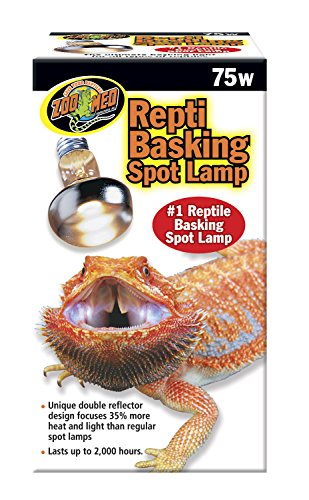
Zoo Med Repti Basking Spot Lamp
Proper lighting is crucial for your bearded dragon’s health and can affect its coloration.
Check Price on AmazonZoo Med Repti Therm Temperature Gun
Monitoring the temperature in your dragon’s enclosure can help you understand color changes related to thermal regulation.
Check Price on AmazonZoo Med Reptile D3 Calcium Supplement
A balanced diet rich in essential nutrients helps maintain your bearded dragon’s vibrant colors and overall health.
Check Price on AmazonFrequently Asked Questions
Sudden color changes can be due to mood, temperature changes, stress, or health issues. Observe your dragon’s environment and behavior to determine the cause. If in doubt, consult a vet.
References & Sources
Related Articles

Bearded Dragon Poop: Color Chart, Frequency by Age, and Health Guide
Decode your bearded dragon's poop with our color chart, age-based frequency guide, and clear breakdown of when to relax vs. when to call the vet.

Red Bearded Dragon Morphs: Genetics, Price & Care
Red bearded dragon morphs: genetics behind true reds, price tiers by intensity, how to spot photo-enhanced fakes, and diet tips that deepen natural color.

Leatherback Bearded Dragon: Morph Guide, Genetics & Care
Leatherback bearded dragons: co-dominant genetics explained, why they need extra UVB protection, price tiers by color combination, and a complete buyer's ID checklist.