Best African Fat-Tailed Gecko Substrate: Top Picks
Discover the best African fat-tailed gecko substrate for healthy, happy geckos. We compare coconut fiber, bioactive mixes, topsoil blends, and what to avoid.


This article contains affiliate links. If you make a purchase through these links, we may earn a small commission at no extra cost to you. See our affiliate disclosure for details.
We recommend 5 picks here. Our top choice is the Coconut Fiber (Coco Coir) — check price and availability below.
How we choose: we compare published specifications against the care requirements in veterinary and species-care literature, and weigh those against what long-time keepers report. We do not test products ourselves and we do not restate Amazon star ratings. The 4 sources behind this article are listed at the bottom.
Quick Comparison
- Humidity Retention
- High
- Burrowing Support
- Good
- Replacement Frequency
- Every 2–3 months
- Setup Complexity
- Easy
- Impaction Risk
- Low
- Long-Term Cost
- Medium (frequent replacement)
- Humidity Retention
- High
- Burrowing Support
- Excellent
- Replacement Frequency
- Every 2–3 months
- Setup Complexity
- Medium
- Impaction Risk
- Low
- Long-Term Cost
- Low (DIY ingredients)
- Humidity Retention
- High
- Burrowing Support
- Excellent
- Replacement Frequency
- Every 12–18 months (bioactive)
- Setup Complexity
- Easy
- Impaction Risk
- Low
- Long-Term Cost
- High (premium product)
- Humidity Retention
- Medium
- Burrowing Support
- Good
- Replacement Frequency
- Every 2–3 months
- Setup Complexity
- Easy
- Impaction Risk
- Low
- Long-Term Cost
- Low (budget-friendly)
- Humidity Retention
- None
- Burrowing Support
- None
- Replacement Frequency
- Daily/As needed
- Setup Complexity
- Very Easy
- Impaction Risk
- None
- Long-Term Cost
- Very Low
Prices are estimates only. Actual prices on Amazon may vary.
Choosing the right substrate can make or break your African fat-tailed gecko's health. It affects humidity levels, burrowing opportunities, and the risk of dangerous impaction. Get it right, and your gecko thrives. Get it wrong, and you're dealing with constant health problems.
This guide walks you through the best African fat-tailed gecko substrate options so you can build a healthy enclosure from day one — whether you're going simple or fully bioactive.
Understanding Your Gecko's Natural Habitat
African fat-tailed geckos (Hemitheconyx caudicinctus) come from West Africa — the dry savannahs and scrublands of Senegal, Nigeria, and Cameroon. They live on loose, sandy soil mixed with clay, organic leaf matter, and debris. The surface dries out during the day, but deeper layers hold moisture.
Your substrate should mimic those conditions. That means choosing something that:
- Holds humidity without staying waterlogged
- Allows natural burrowing behavior
- Won't cause impaction if swallowed in small amounts
- Is easy to spot clean and replace
African fat-tails spend most of daylight hours hiding and resting on the enclosure floor. They're in direct contact with the substrate for the majority of their day. That's why your choice matters so much.
African Fat-Tail Habitat Requirements
Natural Habitat
West African savannahs & scrublands (Senegal, Nigeria, Cameroon)
Humidity Range
50–70% ambient humidity
Substrate Depth
Minimum 3–4 inches (5–6 inches for bioactive)
Natural Behavior
Active burrowers; hide/rest on enclosure floor most of day
Soil Composition
Loose sandy soil + clay + leaf matter (gradient moisture)
Top African Fat-Tail Substrate Picks
Quick recommendations
Excellent humidity retention, supports burrowing, non-toxic, widely available. Replace every 2–3 months.
Most closely mimics West African soil. Ideal for bioactive setups. Add isopods and springtails for self-cleaning ecosystem.
Professionally formulated (topsoil + sand + bark + peat + clay). Ready to use, supports naturalistic setups without sourcing work.
Affordable, holds moisture well, supports burrowing. Must verify 100% organic with no fertilizers or pesticides.
Substrate Setup Best Practices
What you need to know
Use minimum 3–4 inches of substrate depth (5–6 inches for burrowing or bioactive setups)
Create a humidity gradient: keep one side slightly moist, the other drier. Place moist hide over dampest area.
Spot clean droppings daily to prevent mold and bacterial growth
Replace full substrate every 2–3 months for coconut fiber; longer for well-maintained bioactive mixes
Detailed Reviews
1. Coconut Fiber (Coco Coir)
Best Overall
Coconut Fiber (Coco Coir)
Pros
- •Excellent humidity retention
- •Supports burrowing
- •Non-toxic and digestible in small amounts
- •Widely available and easy to use
Cons
- •Can mold if kept too wet
- •Needs full replacement every 2–3 months
- •Fine dust can irritate lungs if it dries out completely
Bottom Line
Made from coconut husks, holds humidity well and supports burrowing. The most popular choice for beginners due to ease of use and reliability, though prone to mold if overwatered.
2. Topsoil and Play Sand Mix (70% / 30%)
Best for Naturalistic
Topsoil and Play Sand Mix (70% / 30%)
Pros
- •Most naturalistic substrate available
- •Outstanding burrowing support
- •Ideal base for bioactive enclosures
- •Stable humidity gradient
Cons
- •More work to set up properly
- •Must use additive-free organic topsoil only
- •Heavier and bulkier to source
Bottom Line
DIY blend of organic topsoil and play sand at a 70/30 ratio, closely mimics West African savannah soil with excellent humidity gradient and burrowing support.
3. Pre-Made Bioactive Reptile Substrate
Premium Pick
Pre-Made Bioactive Reptile Substrate
Pros
- •Professionally formulated with no guesswork
- •Ready to use right out of the bag
- •Supports bioactive setups
- •Great burrow stability
Cons
- •More expensive than DIY mixes
- •May be harder to find locally
Bottom Line
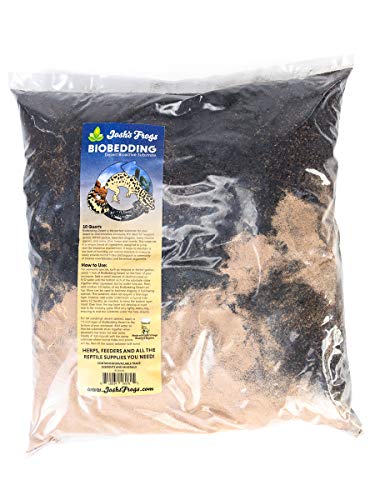
Professionally formulated bioactive blends (like Josh's Frogs BioBedding Desert) combining topsoil, sand, bark, peat, and clay—ready to use without DIY mixing.
4. Plain Organic Topsoil
Budget Pick
Plain Organic Topsoil
Pros
- •Very affordable
- •Good humidity retention
- •Natural burrowing texture
Cons
- •Dries out faster than coconut fiber mixes
- •Higher contamination risk if not sourced carefully
Bottom Line
100% organic topsoil without fertilizers or pesticides—a budget-friendly standalone substrate that holds moisture and supports burrowing, but dries faster and carries contamination risk.
5. Paper Towels
Best for Quarantine
Paper Towels
Pros
- •Makes health monitoring simple
- •Zero impaction risk
- •Quick and easy to change
Cons
- •No humidity retention
- •No burrowing opportunity
- •Stressful long-term without enrichment
Bottom Line
Standard paper towels for quarantine and sick animal care—enables close health monitoring without impaction risk, but provides no humidity or enrichment.
Do African Fat-Tailed Geckos Like to Burrow?
Yes — and they do it more actively than leopard geckos. In the wild, African fat-tails dig into loose soil to regulate body temperature and stay hidden from predators. In captivity, a burrow-friendly substrate reduces stress and lets them express that natural behavior.
Aim for at least 3–4 inches of substrate depth. Many keepers go to 6 inches, especially in bioactive setups. A shallow layer of an inch or two won't cut it for this species.
The Best African Fat-Tailed Gecko Substrate Options
Here are the substrates that experienced keepers and reptile vets consistently recommend for Hemitheconyx caudicinctus.
1. Coconut Fiber (Coco Coir)
Coconut fiber is the most popular choice for good reason. It's made from coconut husks, so it's completely natural and non-toxic. It holds humidity well — critical for African fat-tails, which need 50–70% ambient humidity. It also packs firmly enough to support simple burrows.
Coconut fiber reptile substrate is usually sold in compressed bricks. One standard brick expands to fill a 40-gallon enclosure with 3–4 inches of depth.
Pros:
- Excellent humidity retention
- Supports burrowing
- Non-toxic, digestible in small amounts
- Widely available and easy to use
Cons:
- Can mold if kept too wet
- Needs full replacement every 2–3 months
- Fine dust can irritate lungs if it dries out completely
Best for: Beginners who want a reliable, low-fuss substrate that's easy to source.
2. Topsoil and Play Sand Mix
A blend of organic topsoil and play sand is the closest match to West African savannah soil. This combination holds moisture, packs well for burrows, and drains excess water so it doesn't become waterlogged.
The recommended ratio is 70% organic topsoil + 30% play sand. You can mix this yourself or buy a pre-made reptile substrate blend designed for scrubland species.
For a bioactive setup, you'd add [isopods and springtails](https://www.amazon.com/dp/B0G7WTKM47?tag=krawlo-20 to the mix. These micro-critters break down waste and keep the enclosure balanced. More work upfront, but dramatically less maintenance over time.
If you want to go the naturalistic route, check out our guide to Best Bioactive Substrate Kits: Top Picks Reviewed for kit recommendations.
Pros:
- Most naturalistic substrate available
- Outstanding burrowing support
- Ideal base for bioactive enclosures
- Stable humidity gradient
Cons:
- More work to set up properly
- Must use additive-free organic topsoil only
- Heavier and bulkier to source
Best for: Experienced keepers building a naturalistic or bioactive enclosure.
3. Pre-Made Bioactive Reptile Substrate
If you want the topsoil/sand benefits without the DIY mixing, pre-formulated bioactive blends are a great option. Products like [Josh's Frogs BioBedding Desert](https://www.amazon.com/dp/B08T455WGN?tag=krawlo-20 or similar reptile-specific substrate mixes are formulated with proper drainage, humidity retention, and microfauna support in mind.
These blends often combine topsoil, sand, organic bark, peat, and clay — matching the layered structure of natural African scrubland soil.
Pros:
- Professionally formulated, no guesswork
- Ready to use right out of the bag
- Supports bioactive setups
- Great burrow stability
Cons:
- More expensive than DIY mixes
- May be harder to find locally
Best for: Keepers who want a naturalistic substrate without sourcing and mixing ingredients themselves.
4. Plain Organic Topsoil
Plain organic topsoil works well as a standalone substrate, especially for keepers on a budget. It holds moisture, supports burrowing, and is genuinely cheap. Just make sure it's 100% organic — no fertilizers, perlite, wetting agents, or pesticides.
You can find [organic topsoil at garden centers](https://www.amazon.com/dp/B000GQ4KX6?tag=krawlo-20 but always read the ingredient list carefully. "Natural" doesn't always mean chemical-free.
Pros:
- Very affordable
- Good humidity retention
- Natural burrowing texture
Cons:
- Dries out faster than coconut fiber mixes
- Higher contamination risk if not sourced carefully
Best for: Budget-conscious keepers who are comfortable sourcing quality organic topsoil.
5. Paper Towels (Quarantine Only)
Paper towels aren't a long-term substrate — but they're essential for one specific scenario: new arrivals and sick geckos. When you first bring home an African fat-tail, keep them on paper towels for 30–90 days. You can monitor droppings closely for parasites, spot weight loss quickly, and catch health issues before they become serious.
If your gecko has mites, a respiratory infection, or is recovering from surgery, paper towels are also the right call. Easy to replace, no impaction risk, and nothing for parasites to hide in.
Pros:
- Makes health monitoring simple
- Zero impaction risk
- Quick and easy to change
Cons:
- No humidity retention
- No burrowing opportunity
- Stressful long-term (no enrichment)
Best for: Quarantine periods and sick animal hospital setups only.
Substrates to Avoid
Some substrates are actively harmful for African fat-tailed geckos. Skip all of these:
Reptile carpet: Looks clean but harbors bacteria in the fibers. Gecko toenails snag and tear. Extremely difficult to disinfect properly.
Calcium sand and "Vita-Sand": Marketed as digestible and impaction-safe — but these products actually clump more aggressively in the gut than regular sand. They're a marketing gimmick, not a safe substrate.
Pure fine sand: In a topsoil mix, sand is fine. Alone, it doesn't hold humidity and is an impaction risk, especially for juveniles.
Cedar or pine shavings: The aromatic oils in cedar and pine are respiratory toxins for reptiles. Never use these with any reptile.
Walnut shell substrate: Sharp edges can injure your gecko's belly and feet. The pieces are easily swallowed and don't digest.
Gravel or crushed coral: Rough on skin, no moisture retention, and an obvious impaction risk. Not appropriate for any gecko species.
How to Set Up Your Substrate Layer
Getting the setup right matters as much as choosing the right material.
- Layer depth: Use a minimum of 3–4 inches. Go 5–6 inches for burrowing-focused or bioactive setups.
- Humidity gradient: Keep one side slightly more moist than the other. This lets your gecko self-regulate. Place the moist hide over the dampest substrate area.
- Spot clean daily: Remove droppings and soiled substrate every day. African fat-tails are clean animals, but bacteria build up fast in humid conditions.
- Full changes for non-bioactive setups: Replace coconut fiber or topsoil every 2–3 months, or sooner if it smells.
- No additives: If mixing your own substrate, use only additive-free organic ingredients. No fertilizers, no wetting agents.
Humidity and Substrate — How They Work Together
African fat-tailed geckos need 50–70% ambient humidity and 80–90% inside the moist hide. Your substrate is the foundation of your humidity management system.
Coconut fiber and topsoil mixes absorb moisture and release it slowly, creating a stable environment. You'll typically need to mist the moist hide area every 1–2 days. Let the dry side of the enclosure stay dry between mistings.
If humidity drops too fast, your substrate layer is too thin. Add more depth. If moisture lingers and surfaces stay wet for days at a time, reduce misting frequency and check that your enclosure has adequate ventilation.
For comparison, if you've kept a leopard gecko before, you're used to drier conditions. African fat-tails need meaningfully higher humidity — so substrate depth and moisture management are more critical. You can read more in our African Fat-Tailed Gecko Care: The Complete Guide.
Bioactive vs. Traditional — Which Is Right for You?
| Feature | Bioactive | Traditional |
|---|---|---|
| Setup cost | Higher upfront | Lower |
| Long-term maintenance | Lower | Regular replacements |
| Natural behavior support | Excellent | Good |
| Humidity stability | Excellent | Good |
| Good for beginners? | No | Yes |
| Cleanup crew needed? | Yes | No |
| Substrate lifespan | 12–18 months | 2–3 months |
If you're new to African fat-tails, start with coconut fiber or a topsoil/sand mix. Once you know the species well, transitioning to bioactive saves time and creates a more enriching environment. Don't jump into bioactive as your very first reptile setup — there's a learning curve.
Feeding Safety on Loose Substrates
One concern keepers raise about loose substrate is accidental ingestion during feeding. African fat-tails are less frantic feeders than some other gecko species, but it can still happen — especially with juveniles.
To minimize impaction risk:
- Use a small [reptile feeding dish](https://www.amazon.com/dp/B07YYL2TKB?tag=krawlo-20 rather than placing prey directly on the substrate
- If feeding live insects, a dish contains them and prevents them from burrowing into the substrate and stressing your gecko
- Juveniles under 6 months old are the highest risk — consider paper towels until they're feeding confidently
Substrate Maintenance Schedule
| Task | Frequency |
|---|---|
| Spot clean droppings | Daily |
| Mist moist hide area | Every 1–2 days |
| Check humidity levels | Daily |
| Full substrate change (non-bioactive) | Every 2–3 months |
| Bioactive substrate top-off | Every 3–6 months |
| Full bioactive reset | Every 12–18 months |
Watch for surface mold — it signals too much moisture or poor ventilation. Small patches can be removed without replacing everything. Persistent mold means you need to reduce misting and improve airflow.
Final Thoughts
The best African fat-tailed gecko substrate comes down to your setup goals and experience level. Coconut fiber is the easiest reliable option for beginners. A topsoil and play sand mix — or a quality pre-made bioactive blend — gives you the most naturalistic conditions and the best support for burrowing.
Whatever you choose, prioritize humidity retention, safe particle size, and at least 3–4 inches of depth. Those three factors will serve your gecko better than any brand name or marketing claim.
If you want to compare how this species' needs differ from similar geckos, our guide on Best Substrate for Leopard Geckos: A Complete Guide is a useful reference point for understanding what makes African fat-tails unique.
Our Final Verdict
Coconut Fiber (Coco Coir)
Made from coconut husks, holds humidity well and supports burrowing. The most popular choice for beginners due to ease of use and reliability, though prone to mold if overwatered.

Topsoil and Play Sand Mix (70% / 30%)
DIY blend of organic topsoil and play sand at a 70/30 ratio, closely mimics West African savannah soil with excellent humidity gradient and burrowing support.
Pre-Made Bioactive Reptile Substrate
Professionally formulated bioactive blends (like Josh's Frogs BioBedding Desert) combining topsoil, sand, bark, peat, and clay—ready to use without DIY mixing.
Frequently Asked Questions
Coconut fiber (coco coir) is the best all-around choice for most keepers. It holds humidity well, supports burrowing, and is easy to replace. For a more naturalistic setup, a 70/30 mix of organic topsoil and play sand — or a pre-made bioactive blend — is the closest match to their natural West African habitat.
References & Sources
- https://reptifiles.com/african-fat-tailed-gecko-care-sheet/
- https://www.thebiodude.com/blogs/gecko-caresheets/african-fat-tailed-gecko-hemitheconyx-caudicinctus-care-sheet-and-bioactive-terrarium-maintenance?srsltid=AfmBOoqiiml7dlzhduu7Y3x16IxEYMkUab2eYS2sye-6dodMwW1PtWKg
- https://dubiaroaches.com/blogs/gecko-care/african-fat-tailed-gecko-care-sheet?srsltid=AfmBOopDA4pNSnGqyqms8IzSGrA2NkIS3L9oVWsvQzoeT03ve4J
- https://community.morphmarket.com/t/fat-tailed-gecko-care/27067
Related Articles

Best African Fat-Tailed Gecko Lighting: Top Picks
Find the best African fat-tailed gecko lighting setup with expert picks for UVB bulbs, heat lamps, and schedules to keep your gecko healthy and thriving.

Best African Fat-Tailed Gecko Heating Options (2026)
Find the best African fat-tailed gecko heating setup. We cover under-tank heaters, thermostats, and CHEs so your gecko stays healthy and active.

Best African Fat-Tailed Gecko Food: Complete Guide
Discover the best African fat-tailed gecko food — from staple feeders to supplements and feeding schedules. Keep your gecko healthy with this practical diet guide.