
Leopard Gecko Morphs Guide: 25+ Popular Colors, Genetics & What to Avoid
From Albino to Enigma, discover 25+ leopard gecko morphs with genetics explained simply—plus the Lemon Frost health warning every buyer must know.

✓Recommended Gear
In this guide, we cover everything you need to know and recommend 3 essential products. Check prices and availability below.
TL;DR: Leopard gecko morphs are selectively bred color and pattern variations, with over 100 recognized morphs including Albino (three strains: Tremper, Bell, Rainwater), Blizzard, Mack Snow, Tangerine, and Enigma. Some morphs carry serious health risks: Enigma syndrome causes neurological issues, and Lemon Frost has a high incidence of iridophoroma tumors. Always buy from a reputable breeder who health-tests their lines and can explain the genetics behind any morph combinations.
You've decided you want a leopard gecko — but now you're staring at a breeder page listing "Mack Snow SHTCTB Tangerine" and you have no idea what that means.
You're not alone. Leopard gecko genetics can look intimidating, but the core concepts are actually pretty simple once you understand a few basics.
This guide covers: what morphs are, the 25+ most popular varieties, the genetics behind each, price ranges, and one health warning that every buyer needs to know before purchasing a Lemon Frost.
What Is a Leopard Gecko Morph?
A morph is a color or pattern variation caused by a specific genetic mutation. Wild leopard geckos (Eublepharis macularius) are yellow-tan with black spots. Captive breeding over decades has produced animals with no spots, pure white bodies, vivid orange tails, and eyes that glow deep red.
Morphs are produced by:
- Single mutations — one gene change (e.g., Albino)
- Combinations — stacking multiple mutations (e.g., Blizzard + Tremper Albino = Snow White)
- Selective breeding — amplifying natural variation over generations (e.g., Tangerine)
Pro Tip: "Designer" morphs are typically combinations of 2–4 established mutations. The more mutations stacked, the higher the price — and sometimes the higher the health risk.
Why Morphs Matter Beyond Looks
Some morphs are purely cosmetic. Others come with documented health conditions — the Enigma morph, for example, can cause neurological issues (Enigma Syndrome). Always research a morph's health implications before buying.
Understanding Leopard Gecko Morphs
What you need to know
Morphs are color/pattern variations caused by genetic mutations—not separate species
Produced three ways: single mutations, stacking mutations (higher price + health risk), or selective breeding
"Designer" morphs (2–4 stacked mutations) command premium prices but may carry documented health issues
Research health implications before buying—Enigma causes neurological problems; Lemon Frost linked to tumors
The Three Albino Lines: Tremper, Bell, and Rainwater
There are three completely separate albino lines in leopard geckos, and they cannot be combined safely. Each is caused by a different recessive mutation. Breeding two different albino lines produces a visual normal — not an albino — because the genes don't interact.
Tremper Albino (Texas Albino)
The most common and oldest line, discovered by Ron Tremper in 1996. Tremper albinos have yellow-tan bodies with reduced black pigment, pink eyes, and pinkish-brown patterns. They're the least "washed out" of the three lines and hold their color well into adulthood.
- Eye color: Dark red/brown
- Body tone: Yellow to orange-yellow
- Price range: $40–$150 for basic Trempers; $300+ for high-expression Tremper combos
Bell Albino
Bell albinos tend toward lighter, more lavender-influenced tones. Their eyes are often distinctly pinkish or light pink — the most visually striking eyes of the three lines. They're more temperature-sensitive than Trempers and need careful attention to prevent thermal stress.
- Eye color: Light pink to pink-red
- Body tone: Light yellow to lavender-beige
- Price range: $80–$250
Rainwater Albino (Las Vegas Albino)
Rainwater albinos are the smallest and palest of the three. They have a silver-grey undertone, light eyes, and typically smaller body size. They're considered the most sensitive of the three lines health-wise.
- Eye color: Light pink
- Body tone: Silver-grey, pale yellow
- Price range: $80–$200
Pro Tip: Never cross two different albino lines unless you want normals. If a breeder lists "combo albino" without specifying the line, ask — or walk away.
Three Albino Lines Comparison
Tremper Albino
Dark red/brown eyes, yellow to orange-yellow body
$40–$150 (basic); $300+ (combos)
Bell Albino
Light pink to pink-red eyes, light yellow to lavender-beige body
$80–$250; more temperature-sensitive
Rainwater Albino
Light pink eyes, silver-grey pale yellow body, smaller size
$80–$200; most sensitive health-wise
Most Popular Leopard Gecko Morphs
These are the morphs you'll encounter most often from reputable breeders.
Wild Type
The original pattern: yellow-tan base with black spots arranged in broken bands. Wild types make excellent pets and are often the most affordable option ($20–$50). They're hardier than many designer morphs and show no documented health issues associated with their genetics.
Mack Snow
Mack Snow is a co-dominant morph that reduces yellow pigment. Single-gene Mack Snows (heterozygous) appear pale with reduced yellow. Two copies (Super Mack Snow) produce a nearly pure white gecko with black spots — the "Super Snow" look.
- Genetics: Co-dominant
- Price: Mack Snow $50–$100; Super Snow $100–$250
- What to know: Super Snows have solid black eyes as juveniles that change to eclipse (solid black) in adults.
Tangerine
Tangerine is a selectively bred trait, not a true recessive mutation. The goal is maximum orange coloration across the body. Carrot Tail is a related selective trait where at least 15% of the tail's dorsal surface is orange.
- Genetics: Polygenic (selective breeding)
- Price: $50–$200+ depending on orange intensity
- What to know: Color can fade with age; high-orange bloodlines from established breeders hold color better.
Blizzard
Blizzard is a recessive morph that eliminates all pattern. Pure Blizzard geckos are solid white, yellow-white, or grey with no spots. Patternless albino combinations (called "White and Yellow" or "Blizzard Bell Albino") can produce stunning near-white animals.
- Genetics: Recessive
- Price: $60–$150
Eclipse
Eclipse produces fully dark, solid-colored eyes — no pupils visible. The body pattern is often reduced or patternless in combination morphs. Eclipse is a recessive trait that produces the dramatic "snake eye" appearance in single-copy animals.
- Genetics: Recessive
- Price: $80–$200
Enigma
Enigma produces a starburst or broken pattern with lots of unpigmented white areas. It was once extremely popular — but Enigma Syndrome has changed that. Many Enigma geckos show neurological symptoms including circling, star-gazing (head tipping back), loss of coordination, and inability to hunt properly.
- Genetics: Dominant
- Health note: Avoid breeding Enigma to Enigma; avoid purchasing Enigmas unless you are prepared for potential neurological care needs.
- Price: $100–$300 (declining due to welfare concerns)
Pro Tip: Responsible breeders are phasing out Enigma. A breeder heavily promoting Enigma combos without disclosing Enigma Syndrome is a red flag.

The Lemon Frost Health Warning (Read This Before Buying)
Lemon Frost geckos have been linked to a high rate of iridophoroma — a form of skin tumor — in multiple independent studies. Research published by herpetologists at UC Davis confirmed that the genetic mutation causing the Lemon Frost coloration is likely oncogenic (tumor-causing).
Lemon Frosts are beautiful: bright white base, vivid yellow head and neck, clean pattern. But in multiple breeding programs, affected geckos have developed raised white skin nodules, internal tumors, and premature death.
Our recommendation: Do not purchase a Lemon Frost unless you fully understand the health implications and are prepared for significant veterinary costs and a potentially shortened lifespan. This is not a scare tactic — it's documented biology. See the original research from the Millar Lab at UC Davis for details.
Lemon Frost Health Critical Information
What you need to know
Lemon Frosts have a high incidence of iridophoroma (skin tumors) confirmed by UC Davis research
The genetic mutation causing the morph's coloration appears to be oncogenic (tumor-causing)
Affected geckos develop raised white nodules, internal tumors, and premature death
Do not purchase a Lemon Frost unless prepared for significant veterinary costs and potentially shortened lifespan
Recessive vs. Dominant vs. Co-Dominant Morphs
Understanding inheritance saves you money and prevents unexpected outcomes.
Recessive Morphs
Both copies of the gene must be present to show the morph visually. An animal with one copy is called "het" (heterozygous) — it looks normal but carries the gene. Two hets bred together produce approximately 25% visual morphs.
Examples: Albino (all three lines), Blizzard, Eclipse, Patternless
Dominant Morphs
One copy of the gene shows the morph visually. Two copies ("super" form) often produce a different, more extreme appearance.
Examples: Enigma (one of the few true dominants)
Co-Dominant Morphs
One copy produces a visual morph; two copies (super form) produce a more extreme expression. Both are visually distinct from normals.
Examples: Mack Snow (one copy = Mack Snow; two copies = Super Snow)
Pro Tip: "100% het" means the animal is guaranteed to carry one copy of a recessive gene. "66% het" means there's a 66% chance it carries the gene — from a breeding outcome where you can't visually confirm.
Morph Inheritance Patterns
Recessive Morphs
Need 2 gene copies to display; 'het' carries hidden gene
Examples: Albino, Blizzard, Eclipse. Two hets = ~25% visual morphs
Dominant Morphs
Only 1 gene copy needed to display
Example: Enigma (though now avoided due to health risks)
Co-Dominant Morphs
Single copy shows partial expression; double copy shows full expression
Example: Mack Snow (het = pale; homozygous = Super Snow white)
How Much Do Leopard Gecko Morphs Cost?
| Morph | Price Range | Notes |
|---|---|---|
| Wild Type | $20–$50 | Most affordable, hardiest |
| Mack Snow | $50–$100 | Great beginner morph |
| Super Snow | $100–$250 | Beautiful pure look |
| Tangerine | $50–$200 | High-orange lines cost more |
| Tremper Albino | $40–$150 | Most common albino |
| Bell Albino | $80–$250 | Striking pink eyes |
| Blizzard | $60–$150 | Clean, simple look |
| Eclipse | $80–$200 | Striking dark eyes |
| RAPTOR | $150–$400 | Combo: Tremper + Eclipse + Patternless |
| Mack Snow RAPTOR | $200–$500 | Adds Snow to the RAPTOR combo |
| Lemon Frost | $300–$800 | Health risks — research thoroughly |
| Enigma | $100–$300 | Declining; neurological concerns |
Buying Guide: What to Look for in a Healthy Morph Gecko
Visual health checks come before aesthetics every time. A stunning morph means nothing if the animal is sick.
Health Checklist Before You Buy
- Weight: Adults should be 45–65g; tail should be plump, not skinny
- Eyes: Clear, alert, tracking movement — no cloudiness unless in shed
- Skin: No retained shed around toes or eyes; no visible wounds
- Posture: Gecko holds itself upright; no dragging limbs or head tilt
- Behavior: Responsive to movement; not lethargic at room temperature
- Vent: Clean and dry — no swelling or discharge
Red Flags in Breeders
- Listing "100% het Lemon Frost" animals without disclosing the health research
- Promoting Enigma combos without mentioning Enigma Syndrome
- Poor-quality photos where you can't see the animal's body condition
- Prices significantly below market — often indicates poor genetics or health
- No guarantee or return policy
Pro Tip: Reputable breeders test their animals for Cryptosporidium ("Crypto") — a gut parasite that causes fatal wasting. Ask if the breeder tests for Crypto before purchasing.
Where to Buy Leopard Gecko Morphs
Morphmarket is the most reliable marketplace for finding reputable breeders. It lists seller reviews, photos, and ratings. Always ask sellers for parent lineage information, feeding records, and the morph combination history.
For setup essentials, Exo Terra Glass Terrarium 36×18×18 is the standard starting enclosure for a single adult leopard gecko — properly sized for a ground-dwelling species that needs horizontal floor space more than height.
Exo Terra Glass Terrarium 36x18x18
Standard 40-gallon front-opening enclosure for a single adult leopard gecko
Check Price on Amazon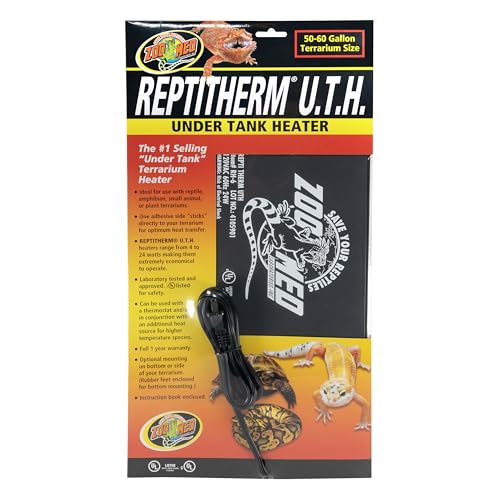
Zoo Med ReptiTherm Under Tank Heater
Leopard geckos need belly heat — this undertank heater covers one-third of the floor for a proper temperature gradient
Check Price on Amazon
Inkbird Thermostat Temperature Controller
Required to regulate UTH temperature — an unregulated heater can easily overheat and cause burns
Check Price on AmazonRecommended Gear
Exo Terra Glass Terrarium 36x18x18
Standard 40-gallon front-opening enclosure for a single adult leopard gecko
Check Price on AmazonZoo Med ReptiTherm Under Tank Heater
Leopard geckos need belly heat — this undertank heater covers one-third of the floor for a proper temperature gradient
Check Price on AmazonInkbird Thermostat Temperature Controller
Required to regulate UTH temperature — an unregulated heater can easily overheat and cause burns
Check Price on AmazonFrequently Asked Questions
Wild type, Mack Snow, and Tremper Albino are the most commonly available morphs. Wild types are the most affordable and are considered the hardiest option.
References & Sources
- https://www.thesprucepets.com/leopard-gecko-morphs-1239170
- https://reptilesmagazine.com/captive-care-for-leopard-geckos/?srsltid=AfmBOopbo-OjG-s14PpskR3LAVaXSIUPweW2vT663qBo0ZbpGZ6jgrx8
- https://community.morphmarket.com/t/leopard-gecko-care-guide/39838
- https://www.petmd.com/reptile/leopard-gecko-care-sheet
- https://reptifiles.com/leopard-gecko-care/
Related Articles

Crested Gecko Morphs Guide: Patterns, Colors & How to Spot Quality Traits
Crested gecko morphs work differently from most reptiles—there's no genetics registry. This guide decodes patterns, colors, and firing states so you can buy confidently.

Leopard Gecko Care Guide: Habitat, Diet & Health
Complete leopard gecko care guide covering habitat setup, feeding schedules, temperature ranges, and health tips for keeping happy, healthy geckos.

What Do Turtles Eat? A Complete Keeper's Guide
Wondering what turtles eat? Our complete guide covers the ideal diet for your pet turtle, from commercial foods and proteins to essential veggies and supplements.