
Leachie Gecko Care Guide: A Comprehensive Beginner’s Guide
Learn how to care for your leachie gecko with this detailed guide. From housing to feeding, we cover everything you need to know.

✓Recommended Gear
In this guide, we cover everything you need to know and recommend 5 essential products. Check prices and availability below.
TL;DR: Leachie geckos (Rhacodactylus leachianus) are the world's largest gecko species, reaching up to 14–17 inches and living 15–20+ years in captivity. They need a tall arboreal enclosure of at least 24×24×36 inches, temperatures of 72–80°F (22–27°C), humidity of 60–80%, and a diet of commercially prepared crested gecko diet supplemented with live insects. They are best suited for intermediate to advanced keepers due to their specific handling temperament — some individuals remain defensive throughout their lives.
Leachie Gecko (Rhacodactylus leachianus)
Leachie geckos, scientifically known as Rhacodactylus leachianus, are large, arboreal geckos native to New Caledonia. These geckos are known for their unique appearance and gentle temperament, making them a popular choice for intermediate to advanced reptile enthusiasts. In this guide, we'll cover everything you need to know to provide the best care for your leachie gecko.
Leachie Gecko Shopping List
Before bringing your leachie gecko home, it's essential to prepare a shopping list to ensure you have everything you need. Here’s a quick checklist:
- Enclosure: A large terrarium or vivarium (at least 24x24x36 inches)
- Substrate: Orchid bark, coconut fiber, or reptile carpet
- Lighting: LED or UVB bulb (optional)
- Temperature Control: Heat lamp or heat mat
- Humidity Control: Misting system or spray bottle
- Furniture: Branches, hides, and plants
- Feeding Supplies: Calcium and vitamin supplements, live feeder insects
- Health Supplies: Digital thermometer, hygrometer, and a good reptile vet nearby
Equipment Checklist
Everything you need to get started
Leachie Gecko Enclosure Size
Minimum Terrarium Size for Leachie Geckos
Leachie geckos are one of the largest species of geckos, so they need a spacious enclosure. For a single adult leachie gecko, the minimum terrarium size should be at least 24x24x36 inches (61x61x91 cm). If you plan to house more than one gecko, you'll need a larger terrarium.
Choosing the Right Terrarium
When selecting a terrarium, consider the following:
- Height: Leachie geckos are arboreal and need vertical space to climb.
- Ventilation: Good airflow is crucial to prevent respiratory issues.
- Material: Glass or acrylic terrariums are preferred as they are easy to clean and maintain.
You can find a high-quality terrarium at Amazon.
Lighting & UVB for Leachie Geckos
Do Leachie Geckos Need UVB?
Leachie geckos are nocturnal, and they don’t require UVB lighting to thrive. However, some keepers provide low levels of UVB to mimic their natural environment and ensure they get enough D3. If you decide to use UVB, a low-output bulb (2.0 or 5.0) will suffice.
Lighting Schedule
- Daytime: Provide 12-14 hours of light per day.
- Nighttime: No additional lighting is necessary.
Leachie Gecko Temperature Requirements
Best Temperature for Leachie Geckos
Leachie geckos prefer a temperature gradient in their enclosure. Here are the ideal temperature ranges:
- Basking Spot: 85-88°F (29-31°C)
- Cool Side: 75-78°F (24-26°C)
- Nighttime: 73-75°F (22-24°C)
Heating Options
- Heat Lamp: Position it at one end of the terrarium to create a basking spot.
- Heat Mat: Place it on the side or back of the enclosure to avoid direct contact.
Ideal Temperature Ranges
Basking Spot
85–88°F (29–31°C)
Cool Side
75–78°F (24–26°C)
Nighttime
73–75°F (22–24°C)
Leachie Gecko Humidity Requirements
Best Humidity Levels for Leachie Geckos
Leachie geckos thrive in a humid environment. Aim for the following humidity levels:
- Daytime: 60-80%
- Nighttime: 70-90%
Maintaining Humidity
- Misting: Use a spray bottle or misting system to maintain humidity levels.
- Water Bowl: Provide a shallow water bowl for soaking and drinking.
- Humid Hide: Create a humid hide using a small container filled with moist sphagnum moss.
Ideal Humidity Levels
Daytime Humidity
60–80%
Nighttime Humidity
70–90%
Maintenance Method
Misting, water bowl, humid hide
Leachie Gecko Substrate Options
Choosing the right substrate is crucial for the health and well-being of your leachie gecko. Here are some recommended options:
- Orchid Bark: Provides a natural look and good drainage.
- Coconut Fiber: Holds moisture and is easy to clean.
- Reptile Carpet: Non-toxic and easy to maintain.
Avoid substrates that can cause impaction, such as sand or gravel.
Decorating Your Leachie Gecko Terrarium
Creating a Natural Environment
Leachie geckos feel most comfortable in a well-decorated terrarium that mimics their natural habitat. Here are some ideas:
- Branches: Use sturdy branches for climbing and basking.
- Plants: Include live or artificial plants to create a lush environment.
- Hides: Place multiple hides throughout the enclosure for security.
- Bark and Leaves: Add natural elements like bark and leaves to enhance the environment.
Feeding Your Leachie Gecko
Diet
Leachie geckos are primarily insectivores, but they can also eat fruits and nectar. Here’s a feeding schedule to follow:
| Age | Frequency | Food |
|---|---|---|
| Juveniles | Daily | Small crickets, dubia roaches, and fruit puree |
| Adults | Every other day | Larger crickets, dubia roaches, and fruit puree |
Feeder Insects
- Crickets: A staple in their diet.
- Dubia Roaches: High in protein and easier to handle.
- Fruit Flies: Great for juveniles.
Supplementation
- Calcium: Dust feeder insects with calcium powder 2-3 times a week.
- Vitamin D3: Use a multivitamin supplement once a week.
You can find all the necessary feeding supplies at [Amazon](https://www.amazon.com/dp/B008PL5N8U?tag=krawlo-20
Juvenile vs Adult Feeding
Side-by-side comparison
| Feature | Juveniles | Adults |
|---|---|---|
| Feeding Frequency | Daily | Every other day |
| Insects | Small crickets, dubia roaches | Larger crickets, dubia roaches |
| Fruits/Puree | Fruit puree (daily) | Fruit puree (daily) |
Our Take: Juveniles require daily feeding for growth; adults thrive on every-other-day schedule.
Handling Your Leachie Gecko
Getting Acquainted
Leachie geckos are generally docile and can be handled, but it’s important to approach them gently and respect their space. Here are some tips for handling your gecko:
- Start Slow: Begin by letting your gecko see you regularly and get used to your presence.
- Short Sessions: Keep handling sessions short, about 5-10 minutes.
- Support: Always support their body and avoid sudden movements.
Stress Indicators
- Tail Curling: A sign of stress.
- Hissing or Biting: They may hiss or bite if they feel threatened.
- Reduced Activity: If they become less active, it could indicate stress or illness.
Related Articles
For more detailed information on reptile care, check out these resources:
- African Fat-Tailed Gecko Care: The Complete Guide
- Crested Gecko Care: The Complete Beginner's Guide
- Mourning Gecko Care: The Complete Beginner's Guide
Recommended Gear
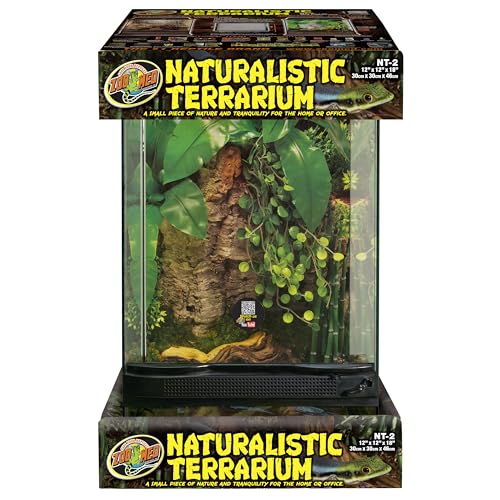
Zoo Med Terrarium
Provides the perfect environment for your leachie gecko with good ventilation and space.
Check Price on Amazon
Exo Terra Heat Lamp
Essential for creating a basking spot and maintaining a temperature gradient in the terrarium.
Check Price on Amazon
Exo Terra Misting System
Automatically maintains the ideal humidity levels, reducing the need for manual misting.
Check Price on Amazon
Dubia Roaches
A high-protein, nutritious staple in your leachie gecko's diet.
Check Price on Amazon
Calcium Powder with D3
Essential for bone health and overall well-being. Dust feeder insects with this supplement 2-3 times a week.
Check Price on AmazonFrequently Asked Questions
Leachie geckos are generally not difficult to care for, but they require a specific setup and attention to their humidity and temperature needs. With the right preparation and knowledge, they make great pets.
References & Sources
Related Articles

Ackie Monitor Complete Care Guide for Beginners
Your complete ackie monitor care guide covers enclosure setup, diet, temperatures, UVB lighting, and handling — everything you need to keep your ackie thriving.

Red Tegu Care: Complete Guide for Salvator rufescens
Red tegu care for Salvator rufescens — the feistier Argentine cousin. Covers enclosure, temperature, diet, brumation, and how reds differ from B&W and blue tegus.

Blue Tegu Care: Complete Owner's Guide (2026 Update)
Blue tegu care covering genetics behind true blue coloration, how to spot genuine blues, enclosure setup, diet rotation, and brumation — for Salvator merianae owners.