
Brazilian Rainbow Boa Care: Setup, Humidity & Feeding Guide
Master Brazilian rainbow boa care with our complete guide on humidity, enclosure setup, diet, and iridescence tips. Start your setup today.

✓Recommended Gear
In this guide, we cover everything you need to know and recommend 7 essential products. Check prices and availability below.
TL;DR: Brazilian rainbow boas (Epicrates cenchria) need 90-95% humidity, 80-85°F ambient temps with an 88-90°F warm side, and a 4×2×2 ft enclosure for adults reaching 5-6 ft. Their iridescent sheen is directly dependent on high humidity — drops below 80% cause dull coloration, bad sheds, and respiratory infections.
You picked up a Brazilian rainbow boa at a reptile expo and the iridescent sheen blew your mind. Then you got it home, the humidity dropped overnight, and suddenly your gorgeous snake looked dull and started a bad shed. Sound familiar?
Brazilian rainbow boas (Epicrates cenchria) are one of the most visually stunning snakes in the hobby — but they're also one of the most humidity-dependent. Get their environment right and you'll be rewarded with a docile, rainbow-shimmering snake that lives 20-30+ years. Get it wrong and you'll fight stuck sheds, respiratory infections, and a stressed animal.
This guide gives you everything you need: precise humidity protocols, a troubleshooting matrix for common problems, and tips for maximizing that famous iridescence.
Species Overview
Brazilian rainbow boas are medium-sized, semi-arboreal boas from the tropical forests of South America. They're named for the microscopic ridges on their scales that refract light into a rainbow shimmer — an effect called structural iridescence.
| Feature | Details |
|---|---|
| Scientific name | Epicrates cenchria |
| Adult size | 5-7 feet (1.5-2.1 m) |
| Weight | 2-5 lbs (0.9-2.3 kg) |
| Lifespan | 20-30+ years |
| Temperament | Docile as adults; nippy as juveniles |
| Difficulty | Intermediate (humidity management is the main challenge) |
| Activity | Crepuscular/nocturnal |
| Native range | Brazil, Guyana, Suriname, Venezuela |
Why Iridescence Matters for Husbandry
That rainbow sheen isn't just cosmetic — it's a direct indicator of your boa's health. The iridescence comes from nanostructures on the outer scale layer. When a rainbow boa is:
- Well-hydrated with proper humidity → scales refract light brilliantly
- Dehydrated or about to shed → scales look dull and milky
- Stressed or ill → iridescence noticeably fades
Think of the rainbow sheen as a built-in health dashboard. If the shimmer disappears outside of a normal shed cycle, something in your husbandry needs attention.
Rainbow Boa vs Ball Python vs Boa Constrictor
If you're choosing your first snake and weighing these three popular options, here's how they compare:
| Feature | Brazilian Rainbow Boa | Ball Python | Boa Constrictor |
|---|---|---|---|
| Adult size | 5-7 ft | 3-5 ft | 6-10 ft |
| Humidity needs | 75-90% (high) | 55-65% (moderate) | 60-70% (moderate) |
| Temperature | 75-85°F gradient | 75-90°F gradient | 78-90°F gradient |
| Feeding difficulty | Easy | Can be picky | Easy |
| Handling | Docile adults, nippy babies | Docile all ages | Docile, heavier |
| Lifespan | 20-30+ years | 20-30 years | 20-30+ years |
| Beginner-friendly? | Intermediate | Best beginner snake | Intermediate |
| Price | $100-400 | $50-300+ | $100-500+ |
Rainbow boas slot between ball pythons and boa constrictors in terms of difficulty. They're not hard to keep — humidity management is the learning curve. If you already own a ball python and want something more visually dramatic, a rainbow boa is the natural next step.
Pro Tip: Rainbow boas are sometimes confused with Colombian rainbow boas (Epicrates maurus). Colombians tolerate lower humidity and are slightly hardier, but lack the intense iridescence of Brazilians. Always confirm which species you're buying.
Brazilian Rainbow Boa At a Glance
Scientific name
Epicrates cenchria
Adult size
5-7 feet (1.5-2.1 m)
Weight
2-5 lbs (0.9-2.3 kg)
Lifespan
20-30+ years
Difficulty
Intermediate
Temperament
Docile as adults; nippy as juveniles
Activity
Crepuscular/nocturnal
Native range
Brazil, Guyana, Suriname, Venezuela
Enclosure Setup
Adults need a minimum of 4 x 2 x 2 feet (120 x 60 x 60 cm) — roughly a 75-gallon equivalent. PVC enclosures are strongly preferred over glass because they hold humidity far better.
Enclosure Size by Age
| Age | Minimum Size | Notes |
|---|---|---|
| Neonate (0-6 months) | 20-gallon long (30" x 12" x 12") | Small space helps them feel secure |
| Juvenile (6-18 months) | 40-gallon (36" x 18" x 18") | Upgrade when they outgrow their hides |
| Adult (18+ months) | 4' x 2' x 2' (75+ gallon) | Bigger is always better |
PVC vs Glass
This is one species where PVC genuinely makes your life easier:
- PVC enclosures: Hold humidity at 75-90% with minimal effort. Brands like Animal Plastics, Boaphile, or Zen Habitats PVC line.
- Glass terrariums: Work fine but you'll fight humidity daily. Cover 75-80% of the screen top with aluminum foil or HVAC tape to reduce evaporation.
Pro Tip: If using a glass enclosure, silicone a strip of acrylic or plastic over most of the screen top. Leave a small gap for airflow near the heat source. This single modification cuts misting frequency in half.
Decor and Hides
Rainbow boas are semi-arboreal, especially as juveniles. Provide:
- 2 hides minimum: One on the warm side, one on the cool side. The snake should fit snugly inside.
- Sturdy climbing branches: Cork bark tubes, grapevine, or manzanita. Juveniles climb frequently; adults use branches less but still appreciate them.
- Water bowl large enough for soaking: Rainbow boas love to soak, especially pre-shed. A heavy ceramic or stainless steel bowl prevents tipping.
- Artificial or live plants: Dense foliage increases security and helps hold humidity.
Temperature and Heating
Maintain a warm side of 82-86°F (28-30°C) and a cool side of 75-78°F (24-26°C). Nighttime temps can drop to 72-75°F (22-24°C).
| Zone | Temperature |
|---|---|
| Warm side / basking | 82-86°F (28-30°C) |
| Cool side | 75-78°F (24-26°C) |
| Nighttime drop | 72-75°F (22-24°C) |
| Danger zone | Above 90°F (32°C) — can be fatal |
Heat sensitivity is critical with this species. Brazilian rainbow boas are far less heat-tolerant than ball pythons or boa constrictors. Sustained temperatures above 90°F cause regurgitation, dehydration, and can kill.
Heating Equipment
- Radiant heat panels (RHP): Best for PVC enclosures. Provide even, gentle heat without drying out the air.
- Ceramic heat emitters (CHE): Work for glass setups but dry out air faster — pair with more frequent misting.
- Under-tank heat mats: Acceptable as supplemental heat only. Always use with a thermostat.
Every heat source MUST be connected to a thermostat. A [quality proportional thermostat](https://www.amazon.com/dp/B08R29S2WB?tag=krawlo-20 prevents overheating — the number one killer of rainbow boas in captivity.
What to Avoid
- Heat rocks: Burn risk. Never use.
- Red/blue night bulbs: Disrupt circadian rhythm and aren't necessary.
- Unregulated heat sources: No thermostat = eventual thermal burn or death.
Temperature Zones & Safety
Warm side / basking
82-86°F (28-30°C)
Cool side
75-78°F (24-26°C)
Nighttime drop
72-75°F (22-24°C)
Danger zone
Above 90°F (32°C) — can be fatal
Rainbow boas are heat-sensitive; sustained high temps cause regurgitation and death
Humidity: The Make-or-Break Factor
Target 75-90% humidity at all times. This is non-negotiable. Rainbow boas come from the Amazon basin — one of the most humid environments on Earth.
For comparison: ball pythons need 55-65% and boa constrictors need 60-70%. Rainbow boas need significantly more.
Humidity Troubleshooting Matrix
| Problem | Likely Cause | Fix |
|---|---|---|
| Humidity won't reach 70% | Screen top, dry substrate, insufficient misting | Cover screen top 75-80%, switch to cypress/coco mix, add large water bowl on warm side |
| Humidity spikes above 95% constantly | Over-misting, poor ventilation | Reduce misting, add small ventilation gaps, check for standing water in substrate |
| Humidity drops overnight | Evaporation from heat source | Add sphagnum moss layer, use radiant heat panel instead of CHE, mist heavily at night |
| Dull scales outside of shed cycle | Chronic low humidity (sub-60%) | Immediate humidity correction + offer lukewarm soak for rehydration |
| Condensation on all walls | Adequate humidity but too little airflow | Crack ventilation slightly — stagnant saturated air promotes respiratory infections |
| Substrate grows mold | Too wet + poor airflow | Remove moldy substrate, improve ventilation, mist walls/leaves instead of soaking substrate |
How to Maintain Humidity
- Substrate: Use a moisture-retaining mix — cypress mulch + coconut fiber in a 50/50 ratio, 3-4 inches deep
- Misting: Heavy mist 2x daily (morning and evening). An [automatic misting system](https://www.amazon.com/dp/B0BZGN4JF5?tag=krawlo-20 is highly recommended for consistency
- Water bowl: Large, placed on the warm side so evaporation adds ambient moisture
- Sphagnum moss: Layer on top of substrate or pack into hides for localized humidity pockets
- Live plants: Pothos, philodendron, and ferns naturally buffer humidity
Pro Tip: Place a layer of damp sphagnum moss inside the warm-side hide. This creates a microclimate of nearly 100% humidity that your rainbow boa will seek out during shed cycles — eliminating stuck sheds almost entirely.

MistKing Starter Misting System
Programmable automatic misting eliminates the daily humidity struggle — set it and forget it.
Exo Terra Digital Hygrometer
Accurate digital humidity monitoring with a remote probe — essential for tracking the 75-90% range.
Why Humidity Is Non-Negotiable
What you need to know
Target 75-90% humidity at all times—rainbow boas need significantly more than ball pythons (55-65%) or boa constrictors (60-70%)
Humidity directly impacts scale health and iridescence; drops below 80% cause dull coloration, stuck sheds, and respiratory infections
Cover screen top 75-80%, use cypress/coco substrate mix, and maintain a large water bowl on the warm side to maintain humidity
Use a humidity gauge and adjust misting/ventilation based on the troubleshooting matrix (over-misting causes fungal issues; under-misting causes dehydration)
Substrate
A 3-4 inch layer of cypress mulch mixed with coconut fiber is the gold standard for this species. This combination retains moisture without becoming soggy and resists mold better than either substrate alone.
Substrate Options Ranked
| Substrate | Humidity Retention | Mold Resistance | Cost | Verdict |
|---|---|---|---|---|
| Cypress mulch + coco fiber (50/50) | Excellent | Good | $$ | Best overall |
| Coconut fiber alone | Good | Fair | $ | Budget option |
| Sphagnum moss (top layer) | Excellent | Fair | $$ | Best as supplement, not sole substrate |
| Cypress mulch alone | Good | Good | $ | Decent but dries faster |
| Aspen shavings | Poor | Good | $ | Not recommended — too dry, molds when wet |
| Paper towels | None | N/A | $ | Quarantine/hospital use only |
| Reptile carpet | None | Poor (harbors bacteria) | $ | Never use |
Spot-clean waste as you see it. Replace the full substrate every 4-6 weeks, or go bioactive with isopods and springtails for a self-cleaning setup. See our bioactive vivarium guide for details.
Lighting and UVB
UVB is not strictly required but is strongly recommended for overall health and natural behavior. Rainbow boas in the wild receive filtered UVB through the forest canopy.
Provide a low-output UVB tube (Ferguson Zone 1-2) such as the Arcadia ShadeDweller or Zoo Med T8 ReptiSun 5.0. Place it 12-18 inches from the basking area.
Light Schedule
- Photoperiod: 10-12 hours of light daily, controlled by a timer
- Summer: 12 hours on / 12 hours off
- Winter (if breeding): 10 hours on / 14 hours off
Ambient room lighting alone is sufficient if you don't add UVB, but keepers who provide UVB consistently report better feeding response, more activity, and brighter iridescence.
Replace UVB bulbs every 6-12 months — UV output degrades before the visible light dims.
Feeding
Brazilian rainbow boas are enthusiastic feeders that rarely refuse meals. This is one of their biggest advantages over ball pythons, which are notorious for going off food.
Feed appropriately-sized frozen/thawed rodents. Prey width should match the snake's widest body point — not wider.
Feeding Schedule by Age
| Age | Prey Size | Frequency |
|---|---|---|
| Neonate (0-6 months) | Pinky to fuzzy mice | Every 5-7 days |
| Juvenile (6-12 months) | Hopper mice to small rats | Every 7-10 days |
| Sub-adult (1-2 years) | Small to medium rats | Every 10-14 days |
| Adult (2+ years) | Medium rats | Every 14-21 days |
Feeding Tips
- Always offer pre-killed or frozen/thawed prey. Live rodents can bite and injure your snake.
- Feed in the enclosure. The old advice about feeding in a separate tub to "prevent cage aggression" is a myth — it just stresses the snake.
- Warm the prey to about 100°F using warm water. Rainbow boas have heat-sensing pits and are more likely to strike at warm prey.
- Don't handle for 48 hours after feeding to prevent regurgitation.
Pro Tip: If your rainbow boa regurgitates, don't re-feed immediately. Wait 10-14 days, then offer a prey item half the normal size. Check your temperatures — regurgitation in rainbow boas is almost always caused by temps that are too high (above 90°F) or handling too soon after eating.
Handling and Temperament
Adult Brazilian rainbow boas are docile and tolerate regular handling well. Neonates and juveniles are a different story — they're notoriously nippy for the first 6-12 months.
This is normal defensive behavior, not aggression. Most rainbow boas calm down significantly with regular, gentle handling sessions.
Getting Started
- Wait 1 week after bringing your snake home before the first handling session.
- Wait 48 hours after feeding before handling.
- Start with 5-10 minute sessions every other day.
- Approach from the side, not from above (triggers a predator response).
- Support the body — let the snake wrap and grip, don't restrain it.
Dealing with Nippy Juveniles
Baby rainbow boas bite. A lot. Here's how to work through it:
- Use a snake hook to gently lift the snake out of its enclosure before handling with your hands. This prevents "feed response" strikes.
- Don't flinch. Juvenile bites are barely felt — like a velcro scratch. Pulling away reinforces the behavior.
- Handle consistently. Short sessions 3-4 times per week will tame most juveniles within 2-3 months.
The payoff is worth it. Adult rainbow boas are some of the most pleasant-to-handle snakes in the hobby — smooth, curious, and content to explore your hands and arms.
Iridescence and Handling
Here's something most care guides won't tell you: frequent handling can temporarily reduce iridescence. The oils from your skin coat the microscopic scale ridges that create the rainbow effect. This is temporary and harmless — the shimmer returns after the next shed.
If you want to show off maximum iridescence (say, for photos), avoid handling for 2-3 days after a fresh shed.
Shedding
Healthy rainbow boas shed in one complete piece every 4-8 weeks, depending on age and growth rate. Juveniles shed more frequently than adults.
The Shed Cycle
- Blue phase: Eyes turn milky blue, colors dull, iridescence disappears. Lasts 3-5 days.
- Clearing phase: Eyes clear up, colors partially return. Lasts 2-3 days. The snake will shed 24-48 hours after clearing.
- Shed: Snake rubs its nose on a rough surface to start a tear, then crawls out of the old skin.
Preventing Stuck Sheds
Stuck sheds are the #1 preventable health issue in rainbow boas, and they're caused by one thing: low humidity.
- Keep humidity at 80-90% during the blue phase (bump up from your normal range)
- Add extra damp sphagnum moss to hides
- Offer a large, shallow soaking bowl
- Provide rough surfaces (cork bark, stone) for the snake to rub against
If a shed comes off in pieces, soak your snake in lukewarm water (80-85°F) for 15-20 minutes, then gently assist removal with a damp cloth. Check the eye caps — retained eye caps require veterinary attention if they don't come off after soaking.
Common Health Issues
Most rainbow boa health problems trace back to two husbandry errors: insufficient humidity and excessive heat.
Issues to Watch For
- Respiratory infections (RI): Wheezing, mucus bubbles around nostrils, open-mouth breathing. Usually caused by chronic low humidity combined with cool temps, or by stagnant, overly saturated air with no ventilation. Requires veterinary antibiotics.
- Inclusion body disease (IBD): A fatal viral disease affecting boids. Signs: stargazing, inability to right itself, regurgitation. No cure. Quarantine all new boas for 60-90 days and never house boas with pythons.
- Parasites: Common in wild-caught or expo-bought animals. Get a fecal test within the first 30 days of ownership.
- Thermal burns: From unregulated heat sources. Always use a thermostat.
- Stuck sheds / dysecdysis: See the shedding section above. Almost always a humidity problem.
- Regurgitation: Usually caused by handling too soon after feeding or temperatures above 90°F.
Pro Tip: Quarantine every new snake for a minimum of 60 days in a separate room from your existing collection. Use paper towel substrate during quarantine for easy health monitoring. See our reptile quarantine guide for the full protocol.
Find a reptile vet before you need one. The Association of Reptilian and Amphibian Veterinarians directory lists specialists by location.
Recommended Gear

Zen Habitats 4x2x2 PVC Reptile Enclosure
Purpose-built PVC enclosure that holds humidity effortlessly — the single best investment for rainbow boa keepers.
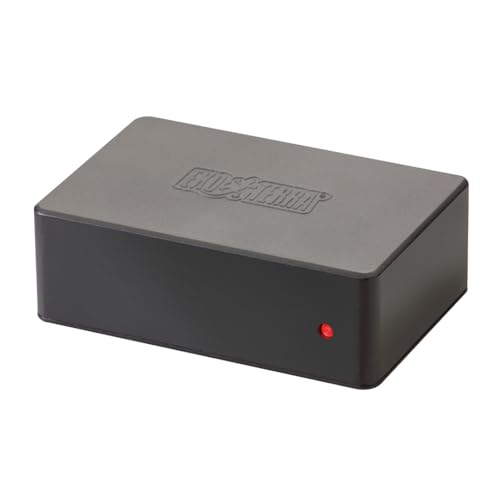
Herpstat 1 Proportional Thermostat
Proportional thermostat that prevents temperature spikes — critical for a heat-sensitive species like rainbow boas.

Zoo Med Forest Floor Cypress Mulch
Excellent moisture retention and mold resistance — the foundation of a humidity-friendly substrate mix.
MistKing Starter Misting System
Programmable automatic misting eliminates the daily humidity struggle — set it and forget it.
Exo Terra Digital Hygrometer
Accurate digital humidity monitoring with a remote probe — essential for tracking the 75-90% range.

Arcadia ShadeDweller UVB Kit
Low-output UVB perfect for forest-dwelling species — boosts activity and may enhance iridescence.

Fluker's Repta-Tongs Feeding Tongs
Long stainless steel tongs keep your fingers safely away from nippy juvenile rainbow boas during feeding.
Frequently Asked Questions
They're best as a second snake, not a first. The humidity requirements make them intermediate-level. If you've successfully kept a ball python or corn snake, you'll do fine.
References & Sources
Related Articles

Amazon Tree Boa Care: Complete Guide for Beginners
Learn how to care for an amazon tree boa with expert tips on enclosure setup, temperatures, feeding, and taming. Your complete care guide starts here.

What Do Turtles Eat? A Complete Keeper's Guide
Wondering what turtles eat? Our complete guide covers the ideal diet for your pet turtle, from commercial foods and proteins to essential veggies and supplements.

Turtle vs Tortoise: 5 Key Differences Explained for Keepers
Confused about the turtle vs tortoise debate? Our expert guide breaks down their habitat, diet, shells, and anatomy to help you understand these amazing chelonians.