Why Ball Pythons Refuse Food and How to Help
Discover the common reasons why ball pythons refuse food and learn practical steps to encourage them to eat. Keep your pet healthy and happy.


✓Recommended Gear
TL;DR: Ball python food refusal is extremely common and usually not a medical emergency — the most frequent causes are stress from a new environment, enclosure temperatures outside the 88–96°F basking / 78–80°F cool-side range, the shedding cycle, breeding season (especially in males during autumn/winter), or simply seasonal fasting. A healthy adult ball python can safely refuse food for 6+ months without medical intervention if body weight is stable. Switch to frozen-thawed prey if using live, try feeding at night with the enclosure covered, and reduce handling to once per week during feeding refusal periods.
Common Reasons Your Ball Python Won’t Eat
If you’ve noticed that your ball python isn’t eating as much or as often as it used to, don’t panic. It’s not necessarily a sign of illness, but it’s important to understand why this might be happening so you can address it appropriately. Here are some of the most common reasons your ball python might refuse food:
Stress
Stress is a leading cause of appetite loss in ball pythons. Factors like a new environment, loud noises, or frequent handling can all make your snake feel unsafe and uncomfortable. It’s crucial to provide a calm, quiet enclosure for your pet. If you recently moved your ball python, give it some time to acclimate. You can also reduce handling and avoid sudden movements around the enclosure.
Incorrect Temperature
Ball pythons are ectothermic, meaning they rely on external heat sources to regulate their body temperature. If the temperature in their enclosure is too high or too low, they may lose interest in food. The ideal temperature range for a ball python is a basking spot of 88-96°F (31-36°C) and a cool side of 78-80°F (25-27°C). Use a digital thermometer to monitor the temperatures consistently. Consider investing in a reliable heat lamp or heating pad to maintain the correct temperature gradient.
Seasonal Changes
Like many reptiles, ball pythons can experience changes in their appetite during different seasons. During the cooler months, especially in winter, they may naturally eat less. This is a normal behavior and usually isn’t a cause for concern. However, if your snake goes for an extended period without eating, it’s a good idea to check other aspects of its care.
Shedding
When a ball python is preparing to shed, it’s common for them to stop eating. This is a natural response as shedding can be a stressful and energy-intensive process. Once the shedding is complete, your snake should return to its normal feeding schedule. If shedding doesn’t occur within a few weeks, you may need to investigate other issues.
Health Issues
Sometimes, a ball python’s refusal to eat can be a sign of a health problem. Common issues include respiratory infections, parasites, and mouth rot. If you suspect that your snake might be sick, look for other symptoms such as lethargy, labored breathing, or abnormal behavior. Consult a reptile veterinarian for a proper diagnosis and treatment plan.
Reproductive Cycles
Female ball pythons, in particular, can experience a decrease in appetite during their reproductive cycles. This is because their bodies are focusing on producing and laying eggs. Males can also show changes in feeding behavior, especially during breeding season. While this is normal, it’s still important to monitor your snake’s health and ensure it’s maintaining a good weight.
Inappropriate Prey Items
The size and type of prey can significantly impact your ball python’s willingness to eat. Offering prey that is too large or too small can discourage feeding. Generally, the prey item should be about the same width as the widest part of your snake’s body. Mice and rats are the most common prey items, but some ball pythons might prefer different types or sizes. Experiment with different options to find what works best for your pet.
Why Ball Pythons Stop Eating
Basking Zone Temp
88–96°F
Essential for digestion and appetite
Cool Zone Temp
78–80°F
Allows thermoregulation
#1 Cause
Stress
New environment, loud noises, frequent handling
Breeding Season Impact
Appetite decrease
Especially males in autumn/winter
How Long Can a Ball Python Go Without Eating?
Ball pythons are resilient creatures and can go for extended periods without food. An adult ball python can survive without a meal for up to 3-6 months. However, this doesn’t mean it’s healthy or that you should let it go without food for that long. Juveniles and babies should eat more frequently, usually every 5-7 days for hatchlings and every 10-14 days for juveniles.
Monitoring Health
Even if your ball python isn’t eating, it’s important to keep an eye on its overall health. Check for signs of dehydration, weight loss, and shedding issues. A healthy ball python should still be active and show interest in its surroundings, even if it’s not eating. If you notice significant changes in behavior, it’s a good idea to consult a vet.
When to Worry
While ball pythons can go without food for a while, there are times when you should be concerned. If your snake is a juvenile or baby and hasn’t eaten in over 3 weeks, or if an adult hasn’t eaten in more than 2 months, it’s time to take action. Prolonged fasting can lead to health problems, so it’s best to address the issue sooner rather than later.
Ball Python Feeding Schedule
Hatchlings
Every 5–7 days
Feed most frequently
Juveniles
Every 10–14 days
Growing phase
Adults (Max Fasting)
3–6 months
If body weight remains stable
When to Get Help
Juvenile: 3+ weeks, Adult: 2+ months
Without eating — consult a reptile vet
What To Do If Your Ball Python Won’t Eat
If your ball python continues to refuse food, there are several steps you can take to encourage it to eat:
Adjust the Environment
Ensure that the temperature and humidity levels in your snake’s enclosure are within the ideal range. A comfortable environment can make a big difference in your pet’s appetite. You can learn more about the right setup in our guide on Best Enclosures For Ball Pythons.
Reduce Stress
Minimize handling and disturbances around the enclosure. Provide hiding spots and a secure, quiet environment to help your snake feel safe. If you recently introduced new decor or substrates, it might be causing stress. Consider removing or altering these items to see if it makes a difference.
Try Different Prey Items
Sometimes, offering a different type or size of prey can spark your ball python’s interest. Live prey can be more enticing than frozen-thawed, and varying the size of the prey can also help. If your snake usually eats mice, try offering a small rat instead. You can find a detailed guide on what to feed your ball python in our article What Do Ball Pythons Eat? Complete Feeding Guide.
Check for Health Issues
If environmental and stress factors don’t seem to be the issue, it might be a health problem. Look for symptoms like labored breathing, discharge from the nose or mouth, and lethargy. If you notice any of these signs, a visit to a reptile vet is in order.
Offer Food at Night
Ball pythons are primarily nocturnal. They are more active and alert at night, which might make them more willing to eat. Try offering food during the evening or early morning hours when your snake is more likely to be interested.
Use Feeding Tools
Using feeding tongs can help make the feeding process more natural for your ball python. It mimics the movement of live prey and can be more engaging for your snake. If you usually hand-feed, try using tongs to see if it makes a difference.
Consider the Feeding Setup
The feeding setup can also affect your ball python’s appetite. Some snakes prefer to eat in a separate feeding container to feel more secure. Others might eat better if you leave the prey in the enclosure overnight. Experiment with different feeding setups to see what works best.
7-Step Troubleshooting Guide
What you need to know
Verify enclosure temps: 88–96°F basking zone, 78–80°F cool side
Reduce handling and disturbances; provide secure hiding spots
Feed at night when ball pythons are naturally active
Try frozen-thawed prey instead of live; experiment with size
Use feeding tongs to mimic live prey movement
Check for health red flags: labored breathing, discharge, lethargy
Consider switching to a separate feeding container for security
Prevention Tips for the Future
Preventing feeding issues in ball pythons involves maintaining a consistent and healthy care routine. Here are some tips to help you avoid future problems:
Regular Health Check-Ups
Schedule regular check-ups with a reptile veterinarian to ensure your ball python stays in good health. Early detection of health issues can prevent feeding problems.
Consistent Environment
Maintain a consistent temperature and humidity level in your snake’s enclosure. Gradual changes in the environment can be less stressful for your pet. For a detailed guide on humidity, check out our article on Ball Python Humidity Guide: Get It Right Every Time.
Proper Handling
Handle your ball python gently and infrequently. Overhandling can cause stress and affect its appetite. When you do handle your snake, make sure to support its body properly.
Feeding Schedule
Establish a regular feeding schedule and stick to it. Adult ball pythons can be fed every 10-14 days, while juveniles should be fed every 5-7 days. Keeping a feeding log can help you track your snake’s eating habits and identify any patterns or issues.
Avoid Live Prey
While live prey can be more enticing, it can also be more stressful for your ball python. Frozen-thawed prey is generally safer and less likely to cause injury or stress. If you need to switch from live to frozen prey, do it gradually to avoid shocking your snake.
Enrichment Activities
Providing enrichment activities like new hiding spots or a climbing branch can stimulate your ball python’s natural behaviors and reduce stress. A happy and engaged snake is more likely to eat regularly.
Record Changes
Keep a record of any changes you make to the environment, feeding, or other care practices. This can help you identify what works and what doesn’t, making future adjustments easier.
By following these tips, you can help ensure that your ball python maintains a healthy appetite and overall well-being.
Conclusion
Feeding problems in ball pythons can be concerning, but they are often manageable with the right approach. Understanding the common reasons for refusal and taking appropriate steps can help your pet feel more comfortable and secure. If the issue persists, don’t hesitate to seek professional advice. With patience and care, you can ensure your ball python stays healthy and happy.
Recommended Gear
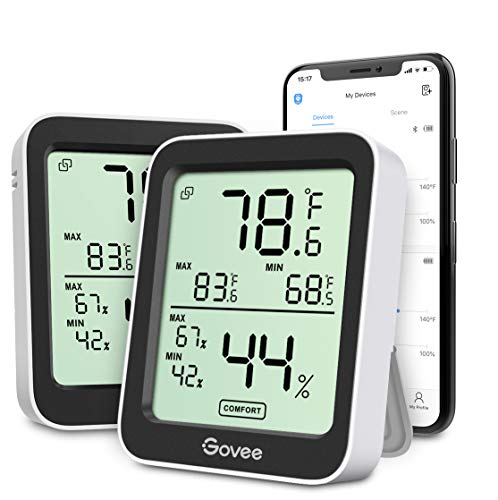
Digital Thermometer
Ensures the enclosure is at the right temperature, crucial for your ball python's health.
Check Price on Amazon
Feeding Tongs
Mimics live prey movement, making feeding more natural and engaging for your ball python.
Check Price on Amazon
Climbing Branch
Provides stimulation and reduces stress, helping your ball python feel more comfortable and secure.
Check Price on AmazonFrequently Asked Questions
Reduce stress, adjust the environment, try different prey items, and offer food at night. If the issue persists, consult a vet.
References & Sources
- https://reptifiles.com/ball-python-care-guide/ball-python-diseases-health/ball-python-not-eating/
- https://community.morphmarket.com/t/adult-ball-python-refusing-food-for-long-periods/36208
- https://www.thesprucepets.com/what-to-do-if-your-snake-is-not-eating-1238176
- https://reptifiles.com/ball-python-care-guide/ball-python-feeding/
- https://reptifiles.com/ball-python-care-guide/ball-python-diseases-health/dehydrated-ball-python/
Related Articles

What Do Ball Pythons Eat? Complete Feeding Guide
Learn what ball pythons eat in captivity and the wild, plus feeding schedules, prey sizes, and tips for picky eaters. Complete nutritional guide for healthy snakes.

Axanthic Ball Python: 5 Lines, Genetics & Prices
Axanthic ball pythons compared by all 5 genetic lines — VPI, TSK, Jolliff, Snake Keeper, Marcus Jayne — with pricing, combos, browning-out explained, and buyer tips.

Ball Python Humidity Guide: Get It Right Every Time
Master ball python humidity with this complete guide. Learn ideal levels, how to measure them, and fix common problems to keep your snake healthy.