Leaf-Tailed Gecko Care: A Comprehensive Guide for Enthusiasts
Discover everything you need to know to provide top-notch care for your leaf-tailed gecko, from setting up the perfect terrarium to handling tips.


✓Recommended Gear
TL;DR: Leaf-tailed geckos (Uroplatus spp.) are Madagascar's master camouflage artists, requiring a minimum 18×18×24-inch terrarium with daytime temps of 72–78°F and nighttime drops to 65–70°F. As nocturnal geckos, they don't require UVB, though low-output 6–8% T5 HO bulbs can enhance their well-being. Their highly specialized appearance and stress sensitivity make them an intermediate-to-advanced species not recommended for first-time reptile keepers.
Leaf-Tailed Gecko (Uroplatus spp.)
Leaf-tailed geckos, scientifically known as Uroplatus, are some of the most fascinating and unique reptiles you can keep as pets. These geckos, native to Madagascar, are masters of camouflage and have intricate leaf-shaped tails that help them blend into their forest environment. Whether you're a seasoned reptile keeper or a new enthusiast, leaf-tailed geckos can be a rewarding and challenging addition to your collection.
Leaf-Tailed Gecko Care — Table of Contents:
- Minimum Terrarium Size for Leaf-Tailed Geckos
- Do Leaf-Tailed Geckos Need UVB?
- Best Temperature for Leaf-Tailed Geckos
- Best Humidity Levels for Leaf-Tailed Geckos
- Best Substrate for Leaf-Tailed Geckos
- How to Decorate a Leaf-Tailed Gecko Terrarium
- What to Feed to a Leaf-Tailed Gecko
- How to Handle Your Leaf-Tailed Gecko
- Leave a Comment
Minimum Terrarium Size for Leaf-Tailed Geckos
When it comes to housing your leaf-tailed gecko, size matters. These geckos need plenty of vertical space to climb and feel secure. For a single adult leaf-tailed gecko, a 18x18x24-inch terrarium is the minimum recommended size. However, if you can provide a larger enclosure, such as a 24x24x36-inch terrarium, your gecko will have even more room to explore and exhibit natural behaviors.
Remember, a bigger terrarium isn't just a luxury — it's essential for your gecko's well-being and stress levels.
Terrarium Size Comparison
Side-by-side comparison
| Feature | Minimum Setup | Recommended Setup |
|---|---|---|
| Dimensions | 18 × 18 × 24 inches | ★24 × 24 × 36 inches |
| Vertical Space | Limited climbing | ★Ample climbing & exploration |
| Security & Stress | Basic coverage | ★Enhanced hiding spots |
Our Take: Recommended size provides significantly better space for natural behaviors and gecko well-being.
Do Leaf-Tailed Geckos Need UVB?
Leaf-tailed geckos are primarily nocturnal, which means they are not naturally exposed to much sunlight in their habitat. As a result, UVB lighting isn't strictly necessary for their health. However, providing low-level UVB can have some benefits, such as enhancing their coloration and overall well-being. If you decide to use UVB, opt for a low-output bulb like a 6-8% T5 HO to mimic the natural light they might receive in the wild.
Always remember to provide areas of shade in the terrarium so your gecko can retreat if it needs to.
Best Temperature for Leaf-Tailed Geckos
Leaf-tailed geckos thrive in temperatures that mimic their natural forest habitat. The daytime temperature in their enclosure should range from 72-78°F (22-25°C), with a nighttime drop to 65-70°F (18-21°C). It's crucial to create a temperature gradient by placing a heat lamp or ceramic heat emitter at one end of the terrarium. This allows your gecko to move between warmer and cooler areas as needed.
(Estimates only — actual prices on Amazon may vary.) You can use a Zoo Med ReptiBreeze Screen Enclosure to provide good ventilation and a comfortable temperature range.
Temperature Range
Daytime Temp
72–78°F
22–25°C
Nighttime Temp
65–70°F
18–21°C
Setup
Temperature Gradient
Heat lamp at one end for choice
Best Humidity Levels for Leaf-Tailed Geckos
Humidity is another critical aspect of leaf-tailed gecko care. These geckos require a high humidity environment, ideally between 70-90%. To maintain this level, mist the terrarium 2-3 times a day with a fine misting bottle. Additionally, consider using a digital hygrometer to monitor the humidity levels accurately.
If you live in a drier climate, you might need to mist more frequently or use a humidifier to keep the terrarium at the right humidity.
Humidity Requirements
Ideal Humidity
70–90%
Misting Frequency
2–3 times daily
Use fine misting bottle
Monitoring Tool
Digital Hygrometer
Track levels accurately
Best Substrate for Leaf-Tailed Geckos
The substrate you choose is important for maintaining the right humidity levels and mimicking your gecko's natural environment. A combination of eco-earth, orchid bark, and sphagnum moss works well. This mix provides a moist substrate that retains humidity and allows for natural burrowing and hiding spots.
Avoid using loose substrates that can cause impaction, like sand or small gravel.
How to Decorate a Leaf-Tailed Gecko Terrarium
Leaf-tailed geckos rely heavily on their camouflage to stay hidden, so their enclosure should provide plenty of cover and climbing opportunities. Use a mix of live and artificial plants, branches, and cork bark to create a dense, forest-like environment. Live plants not only enhance the terrarium's aesthetics but also help maintain humidity.
Consider using Pothos or Philodendron for live plants, as they are hardy and safe for your gecko.
What to Feed to a Leaf-Tailed Gecko
Leaf-tailed geckos are insectivores, and their diet should consist of a variety of insects to ensure a balanced nutrition. Offer crickets, roaches, and mealworms as staple foods. Dust these insects with a calcium supplement before feeding to help prevent metabolic bone disease. You can also occasionally offer waxworms and silkworms as treats.
Always make sure your gecko's food is gut-loaded and no larger than the space between its eyes.
Feeding Schedule
| Age | Frequency | Unsuitable Foods |
|---|---|---|
| Adults | Every 2-3 days | Large beetles, wild-caught insects |
| Juveniles | Every day |
Feeding Guide
Staple Insects
Crickets, Roaches, Mealworms
Adult Feeding
Every 2–3 days
Juvenile Feeding
Every day
Avoid
Large beetles, wild-caught insects
How to Handle Your Leaf-Tailed Gecko
Leaf-tailed geckos can be quite skittish and sensitive to handling. It's best to handle them sparingly and with care. When you do handle your gecko, support its body fully with your hands and avoid sudden movements. Always wash your hands before and after handling to prevent the transfer of oils and bacteria.
If your gecko seems stressed or hides when you approach, give it some time to acclimate to its new environment before attempting to handle it.
Conclusion
Leaf-tailed geckos are enchanting reptiles that require a specific setup and care routine to thrive. By providing the right terrarium size, temperature, humidity, substrate, and decorations, you'll create a comfortable and stress-free environment for your gecko. Additionally, a balanced diet and gentle handling will ensure your leaf-tailed gecko remains healthy and happy.
If you're new to reptile keeping, you might also find our Crested Gecko Care: The Complete Beginner's Guide helpful, as both species share similar care requirements.
Recommended Gear

Zoo Med ReptiBreeze Screen Enclosure
This enclosure provides good ventilation and a comfortable temperature range for your leaf-tailed gecko.
Check Price on Amazon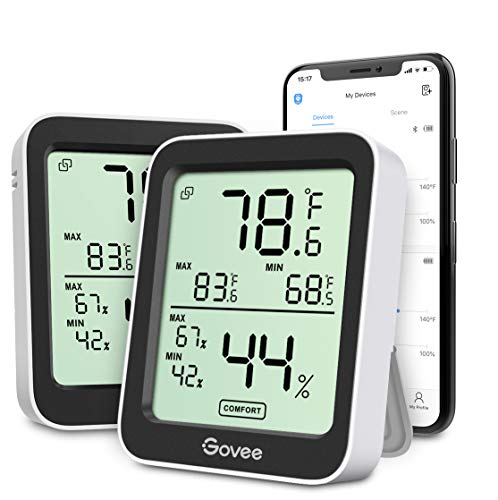
Hygrometer for Reptile Terrarium
A digital hygrometer is essential for accurately monitoring the humidity levels in your gecko's terrarium.
Check Price on AmazonExo Terra Jungle Earth
This substrate retains moisture and provides a natural environment for your leaf-tailed gecko.
Check Price on AmazonOrchid Bark Substrate
Orchid bark adds texture and helps maintain humidity, making it a great addition to your gecko's terrarium.
Check Price on AmazonReptile Misting Bottle
A fine misting bottle is crucial for maintaining the high humidity levels required by leaf-tailed geckos.
Check Price on AmazonFrequently Asked Questions
For a single adult leaf-tailed gecko, a 18x18x24-inch terrarium is the minimum recommended size. Larger enclosures are even better and provide more room for exploration.
References & Sources
- https://reptifiles.com/uroplatus-leaf-tailed-gecko-care/
- https://dubiaroaches.com/blogs/gecko-care/how-to-care-for-your-leaf-tailed-gecko?srsltid=AfmBOoroPpgCBcSQY_KrodXXUk8CJeDeqNqEBlax09YoQp0PW94_N667
- https://reptifiles.com/wp-content/uploads/2020/10/Giant-Leaf-Tailed-Gecko-Care-Sheet-PDF-1.pdf
- https://reptifiles.com/wp-content/uploads/2020/10/Satanic-Leaf-Tailed-Gecko-Care-Sheet-PDF.pdf
- https://reptifiles.com/wp-content/uploads/2020/10/Mossy-Leaf-Tailed-Gecko-Care-Sheet-PDF.pdf
- https://reptifiles.com/uroplatus-leaf-tailed-gecko-care/leaf-tailed-gecko-humidity/
Related Articles

African Fat Tail Gecko Care: The Complete Guide
Master african fat tail gecko care with this complete guide covering housing, humidity, heating, diet, and the beginner mistakes that send geckos to the vet.

Bearded Dragon Shedding Frequency: What's Normal?
Learn how often bearded dragons shed by age, what signs to watch for, and how to help your beardie through a healthy shed without causing harm.

Albino Animals: What Every Reptile Owner Should Know
Albino reptiles and pets are stunning — but albinism affects more than color. Learn what it means, how it works, and how to care for albino animals properly.