Heat Lamp for Reptiles: Complete Setup & Safety Guide
Learn how to choose, install, and safely use heat lamps for reptiles. Complete guide covering bulb types, wattages, temperatures, and species-specific heating needs.


✓Recommended Gear
TL;DR: Heat lamps are critical for reptiles because they are ectotherms that cannot generate their own body heat; without adequate warmth, digestion fails, immunity drops, and growth stalls. Common options range from incandescent basking bulbs to deep heat projectors, each with different heat penetration depths and wattages suited to specific species. Always use a thermostat to maintain safe, accurate temperatures and prevent thermal burns.
Heat lamps are essential equipment for maintaining proper temperatures in reptile enclosures. As ectothermic animals, reptiles cannot generate their own body heat and rely entirely on external heat sources to regulate their body temperature, digest food, and maintain immune function. Understanding how to properly select and use a heat lamp for reptiles is one of the most critical aspects of reptile husbandry.
This comprehensive guide will walk you through everything you need to know about heat lamps, from selecting the right bulb type and wattage to positioning fixtures safely and maintaining appropriate temperature gradients.
Why Reptiles Need Heat Lamps
Reptiles are ectothermic, meaning they depend on environmental heat sources to regulate their body temperature through a process called thermoregulation. In the wild, reptiles bask in sunlight to warm up and retreat to shade or burrows to cool down. This behavior is essential for:
Metabolic Function: Reptiles need specific body temperatures to digest food properly. Temperatures that are too low can cause food to rot in their digestive system, leading to serious health issues.
Immune System Performance: A reptile's immune system operates optimally only within its preferred optimal temperature zone (POTZ). Chronically cool temperatures suppress immune function and make reptiles vulnerable to infections.
Activity and Behavior: Proper temperatures enable normal activity levels, exploration, and social behaviors. Cold reptiles become lethargic and may refuse food.
Growth and Development: Young reptiles require appropriate temperatures to grow at healthy rates and develop properly.
Many new reptile owners make critical heating mistakes that can compromise their pet's health. Avoiding common errors is essential for successful reptile keeping. Check out our guide on common lizard owner mistakes to learn more about proper temperature management.
Types of Heat Lamps for Reptiles
Several types of heat lamps are available for reptile enclosures, each with distinct characteristics and applications.
Incandescent Basking Bulbs
Standard incandescent basking bulbs are the most common heat source for reptiles. These bulbs produce both visible light and infrared heat, mimicking natural sunlight conditions.
Advantages:
- Affordable and widely available
- Provide bright visible light for diurnal species
- Create focused basking spots
- Available in various wattages (50W, 75W, 100W, 150W)
Disadvantages:
- Shorter lifespan (3-6 months typical)
- Not suitable for nocturnal heating
- Can be too bright for some species
Halogen Basking Bulbs
Halogen bulbs produce intense, focused heat and more closely replicate the sun's infrared spectrum compared to standard incandescent bulbs.
Advantages:
- More efficient heat production
- Better penetration through skin for deep tissue warming
- Longer lifespan than incandescent
- Excellent for high-heat species
Disadvantages:
- More expensive initially
- Very bright light output
- Can create extremely hot spots if not positioned properly
Ceramic Heat Emitters (CHE)
[Ceramic heat emitters](https://www.amazon.com/dp/B096JWWQMC?tag=krawlo-20 produce infrared heat without visible light, making them ideal for maintaining nighttime temperatures.
Advantages:
- Provide heat without light pollution
- Long lifespan (2-5 years)
- Excellent for 24-hour heating
- Won't disturb natural day/night cycles
Disadvantages:
- Don't provide basking light for diurnal species
- Surface gets extremely hot (fire hazard if exposed)
- Require ceramic sockets rated for high temperatures
- More expensive than incandescent bulbs
Infrared Heat Bulbs
Infrared bulbs produce heat with minimal visible light output, typically appearing as a dim red or dark purple glow.
Advantages:
- Provide heat with minimal light disruption
- Can observe nocturnal behaviors
- Good for species sensitive to bright light
Disadvantages:
- Red/purple light may still disrupt circadian rhythms
- Less efficient than ceramic heat emitters
- Not recommended as primary heat source by many experts
Deep Heat Projectors (DHP)
Deep heat projectors are a newer technology that produces infrared-A and infrared-B wavelengths, penetrating deeper into tissue than standard heat bulbs.
Advantages:
- Most closely mimics natural sunlight heating
- Provides deep tissue warming
- No visible light for nighttime use
- Very long lifespan
Disadvantages:
- Most expensive option
- Limited availability
- Requires specific fixture compatibility
Incandescent vs. Ceramic Heat Emitters
Side-by-side comparison
| Feature | Incandescent Basking Bulbs | Ceramic Heat Emitters |
|---|---|---|
| Heat + Light | ★Both heat and visible light | Heat only, no light |
| Lifespan | 3–6 months | ★2–5 years |
| Nighttime Use | Not suitable | ★Ideal (no light disruption) |
| Cost | ★Affordable | More expensive |
| Best For | Diurnal basking species | 24-hour heating |
Our Take: Use incandescent for diurnal species needing basking light; use ceramic heat emitters for nighttime heating or maintaining enclosure temperatures without light disruption.
Choosing the Right Wattage
Selecting the appropriate wattage for your heat lamp depends on several factors:
Enclosure Size
Larger enclosures require higher wattage bulbs to maintain proper temperatures:
| Enclosure Size | Recommended Wattage Range |
|---|---|
| 20-gallon | 50-75W |
| 40-gallon | 75-100W |
| 75-gallon | 100-150W |
| 120-gallon | 150-250W |
Room Temperature
Ambient room temperature significantly affects heating requirements. Cooler rooms require higher wattages, while warmer rooms may need lower wattages to prevent overheating.
Species Temperature Requirements
Different reptile species have vastly different temperature needs:
High-Heat Species (Basking: 105-115°F)
- Bearded dragons
- Uromastyx
- Ackie monitors
- Desert-dwelling species
Moderate-Heat Species (Basking: 90-100°F)
- Leopard geckos
- Blue tongue skinks
- Corn snakes
- Ball pythons
Lower-Heat Species (Basking: 80-90°F)
- Crested geckos
- Green tree pythons
- Some tropical species
Distance from Basking Spot
The distance between the heat lamp and basking surface dramatically affects temperature. Start with manufacturer recommendations and adjust based on actual temperature readings with a reliable [infrared temperature gun](https://www.amazon.com/dp/B0B71HFH9K?tag=krawlo-20
Wattage Guide by Enclosure Size & Species
20-gallon enclosure
50–75W
Standard small setup
40-gallon enclosure
75–100W
Medium size
75-gallon enclosure
100–150W
Large setup
120-gallon enclosure
150–250W
Extra-large enclosure
High-heat species (bearded dragons, uromastyx)
Basking 105–115°F
Requires highest wattages
Moderate-heat species (leopard geckos, corn snakes)
Basking 90–100°F
Standard requirements
Heat Lamp Fixtures and Safety
The fixture you choose is just as important as the bulb itself for both effectiveness and safety.
Dome Fixtures
Standard dome fixtures are the most common option for reptile heat lamps. Look for:
- Ceramic sockets rated for high temperatures (especially for CHEs)
- Appropriate wattage rating (exceed your bulb wattage)
- Deep domes for better heat containment
- Clamp or stand options for positioning flexibility
- On/off switches for convenience
Dual Fixtures
Dual fixtures allow you to combine heat and UVB lighting in one unit, saving space and providing comprehensive environmental control.
Safety Considerations
Heat lamps pose fire risks if not used properly:
Proper Mounting: Secure fixtures to prevent falling into the enclosure. Never place fixtures directly on screen tops where they can overheat mesh or plastic frames.
Heat-Resistant Materials: Use metal screens or raised guards to prevent direct contact with bulbs.
Adequate Clearance: Maintain at least 12 inches between heat sources and combustible materials like wood, fabric, or plastic.
Cord Management: Keep electrical cords away from water sources and heat. Use surge protectors rated for the total wattage.
Regular Inspection: Check fixtures, cords, and bulbs monthly for signs of wear, melting, or damage.
Thermostat Control: Use a [quality thermostat](https://www.amazon.com/dp/B01I15S6OM?tag=krawlo-20 to regulate temperatures and prevent overheating.
Essential Heat Lamp Setup
Everything you need to get started
Creating Proper Temperature Gradients
A heat lamp for reptiles should create a temperature gradient—a range of temperatures across the enclosure allowing reptiles to thermoregulate by moving between warmer and cooler areas.
The Three Temperature Zones
Basking Spot: The hottest point directly under the heat lamp where reptiles actively warm up. This should match species-specific basking requirements.
Warm Side: The general area surrounding the basking spot, typically 5-15°F cooler than the basking surface.
Cool Side: The opposite end of the enclosure, providing refuge from heat. Should be 15-25°F cooler than the basking spot.
Measuring Temperatures Accurately
Proper temperature monitoring requires the right tools:
Infrared Temperature Guns: Essential for measuring surface temperatures at basking spots. Point-and-shoot convenience allows quick checks of multiple locations.
Digital Thermometers with Probes: Place probes at basking level and on the cool side to monitor ambient air temperatures continuously.
Avoid Stick-On Thermometers: These measure glass temperature, not air or surface temperature, and are notoriously inaccurate.
Positioning Your Heat Lamp
Place heat lamps at one end of the enclosure, never in the center. This creates a natural thermal gradient:
- Mount the fixture securely above one side of the enclosure
- Position a flat basking platform (rock, tile, or branch) beneath the lamp
- Measure surface temperature at the basking spot
- Adjust height or wattage until reaching target temperature
- Verify cool side temperatures are appropriate
- Monitor for 24-48 hours to ensure consistency
Species-Specific Heating Requirements
Different reptile species have evolved to thrive in vastly different thermal environments. Understanding your specific pet's needs is crucial.
Bearded Dragons
Bearded dragons require intense basking heat to digest food properly. Their basking spot should reach 100-110°F, with a cool side around 75-85°F. Use a 100-150W halogen or incandescent bulb in a 40+ gallon enclosure. Learn more about bearded dragon temperature requirements for optimal care.
Leopard Geckos
Though often kept with under-tank heating, leopard geckos also benefit from overhead basking options. Provide a basking surface of 90-95°F with a cool side around 70-75°F. A 50-75W bulb typically suffices.
Ball Pythons
Ball pythons need moderate heat with a basking area around 88-92°F and cool side of 78-80°F. Many keepers use ceramic heat emitters for 24-hour ambient heating rather than bright basking bulbs.
Corn Snakes
Corn snakes thrive with a basking spot of 85-90°F and cool side of 70-75°F. They don't require intense heat and do well with lower wattage bulbs or even heat tape in some setups. Review this corn snake heating guide for detailed information.
Red-Eared Sliders
Aquatic turtles need both water heating and basking areas. The basking platform should reach 90-95°F, requiring a 75-100W bulb positioned over a raised dock. Water temperature should be maintained separately at 75-80°F. Check out red-eared slider lighting requirements for complete setup information.
Ackie Monitors
These active lizards require very hot basking spots of 120-140°F with ambient temperatures of 85-90°F. High-wattage halogen bulbs (150W+) are typically necessary. Learn more about ackie monitor heating for proper care.
Combining Heat Lamps with UVB Lighting
Many diurnal reptile species require both heat and UVB radiation for optimal health. Understanding how to combine these lighting elements is essential.
Separate vs. Combined Solutions
Separate Bulbs: Using dedicated heat bulbs and UVB fluorescent tubes provides maximum control and effectiveness. This approach is generally recommended for most species.
Mercury Vapor Bulbs: These all-in-one bulbs provide heat, visible light, UVA, and UVB in a single source. While convenient, they can be challenging to dial in proper temperatures and UV exposure simultaneously.
Fixture Positioning
When using both heat and UVB:
- Position both fixtures over the basking area for overlap
- UVB tubes should span 50-75% of enclosure length
- Maintain proper distance for both heat and UVB effectiveness
- Use separate timers to control photoperiod
Day and Night Temperature Cycles
Replicating natural temperature fluctuations supports healthy circadian rhythms and metabolic function.
Photoperiod Control
Most reptiles benefit from 12-14 hours of daytime heating and lighting, with cooler nighttime temperatures:
Daytime: Full basking heat with appropriate gradient Nighttime: Turn off basking lights; temperatures can drop 10-20°F
Nighttime Heating Solutions
If room temperatures drop too low at night:
- Use ceramic heat emitters on thermostats
- Consider deep heat projectors for lightless heat
- Avoid colored bulbs that disrupt sleep cycles
- Under-tank heaters can supplement ambient temperatures
Seasonal Variations
Some species benefit from seasonal temperature changes:
- Temperate species may need cooler winter temperatures
- Brumation requires gradual temperature reduction
- Breeding cycles often triggered by temperature changes
Common Heat Lamp Problems and Solutions
Temperatures Too Hot
Causes: Wattage too high, fixture too close, small enclosure, warm room temperature
Solutions:
- Switch to lower wattage bulb
- Raise fixture height
- Add ventilation to enclosure
- Use dimming thermostat for precise control
Temperatures Too Cool
Causes: Insufficient wattage, fixture too far, large enclosure, cold room temperature
Solutions:
- Increase bulb wattage
- Lower fixture (maintaining safe distances)
- Add supplemental heat sources
- Insulate enclosure sides and back
No Temperature Gradient
Causes: Enclosure too small, heat source centered, inadequate cool side
Solutions:
- Upgrade to larger enclosure
- Reposition heat source to one end
- Improve air circulation
- Add hiding spots in cool zone
Bulbs Burning Out Frequently
Causes: Voltage fluctuations, touching bulb with oils from hands, fixture vibration
Solutions:
- Use surge protectors
- Handle bulbs with cloth when installing
- Ensure stable mounting
- Check electrical connections
Stress from Improper Temperatures
Reptiles experiencing temperature stress may exhibit lethargy, appetite loss, or abnormal behaviors. Understanding reptile cold stress symptoms can help you identify and correct heating problems quickly.
Thermostats and Temperature Control
Thermostats are essential safety devices that regulate heat output and prevent dangerous temperature spikes.
Types of Thermostats
On/Off Thermostats: Simple devices that cut power when target temperature is reached. Affordable but can cause temperature fluctuations.
Dimming Thermostats: Gradually reduce power to maintain steady temperatures. More expensive but provide precise control ideal for heat lamps.
Pulse Proportional Thermostats: Rapidly cycle power on and off to maintain temperatures. Good for ceramic heat emitters.
Setting Up a Thermostat
- Place the probe at basking surface level
- Secure probe so reptile cannot move it
- Set target temperature 2-3°F below desired basking temp
- Allow system to stabilize for 24 hours
- Fine-tune settings based on actual measurements
- Verify cool side temperatures remain appropriate
Energy Efficiency and Cost Considerations
Running heat lamps continuously adds to electricity costs. Understanding consumption helps budget appropriately.
Calculating Energy Costs
Formula: (Wattage × Hours per Day × Days per Month) ÷ 1000 × Electricity Rate = Monthly Cost
Example: 100W bulb running 12 hours daily at $0.12/kWh (100 × 12 × 30) ÷ 1000 × $0.12 = $4.32 per month
Efficiency Tips
- Use thermostats to prevent unnecessary heating
- Insulate enclosure backgrounds and sides
- Turn off basking lights at night when safe
- Choose efficient bulb types (halogen vs. incandescent)
- Maintain bulbs properly for optimal performance
Maintenance and Replacement Schedule
Regular maintenance ensures consistent performance and safety.
Bulb Replacement
Replace heat bulbs on these schedules:
- Incandescent basking bulbs: Every 3-6 months
- Halogen bulbs: Every 6-12 months
- Ceramic heat emitters: Every 2-5 years
- Deep heat projectors: Every 3-5 years
Cleaning Fixtures
Monthly cleaning prevents dust buildup that reduces efficiency:
- Unplug and allow to cool completely
- Remove bulbs carefully
- Wipe dome interior with dry cloth
- Clean bulbs gently with dry cloth
- Check cords and connections for damage
- Reinstall and test operation
Safe Handling and Installation
Proper installation prevents injuries to both keeper and reptile.
Initial Setup
- Read all manufacturer instructions thoroughly
- Verify fixture wattage rating exceeds bulb wattage
- Use ceramic sockets for high-heat bulbs
- Mount securely to prevent tipping or falling
- Keep all electrical connections away from water
- Test temperatures before adding reptile
Ongoing Safety
For more comprehensive guidance on proper reptile care and handling, including safe enclosure interaction, visit our reptile handling guide.
Daily Checks:
- Verify bulbs are functioning
- Confirm temperatures are appropriate
- Look for signs of overheating or damage
Weekly Checks:
- Test thermostat function
- Inspect cords and fixtures
- Clean basking surfaces
Monthly Checks:
- Deep clean fixtures
- Verify mounting stability
- Check for wear or corrosion
Conclusion
A properly selected and installed heat lamp for reptiles is fundamental to successful reptile keeping. By understanding the different bulb types, selecting appropriate wattages for your species and enclosure, creating proper temperature gradients, and maintaining safe operations, you provide the thermal environment your reptile needs to thrive.
Remember that heating is just one component of proper reptile husbandry. Combine appropriate heat with correct lighting, humidity, diet, and enrichment to give your reptile the best possible care. Always research your specific species' requirements, monitor temperatures accurately with quality equipment, and adjust your setup based on your individual animal's behavior and health.
Investing in quality heating equipment and taking time to dial in your system properly pays dividends in your reptile's long-term health and longevity. With the information in this guide, you're well-equipped to create a safe, effective heating setup that meets your reptile's needs.
Recommended Gear
Halogen Basking Bulb 75W
Halogen bulbs provide efficient, focused heat that closely mimics natural sunlight, making them ideal for creating proper basking spots for most diurnal reptiles. They last longer than standard incandescent bulbs and produce better quality infrared radiation.
Check Price on Amazon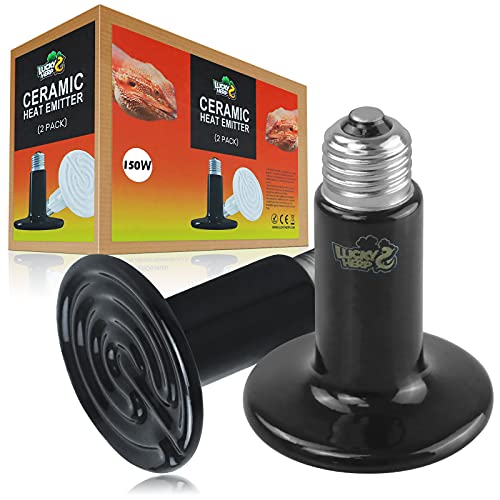
Ceramic Heat Emitter 100W
Ceramic heat emitters are essential for maintaining appropriate nighttime temperatures without disrupting your reptile's sleep cycle with visible light. Their long lifespan and reliable heat output make them cost-effective for 24-hour heating needs.
Check Price on Amazon
Deep Dome Heat Lamp Fixture
A quality deep dome fixture with ceramic socket provides better heat containment and direction than standard domes, creating more efficient basking spots. The deeper design also keeps heat away from the fixture top, reducing fire risk.
Check Price on Amazon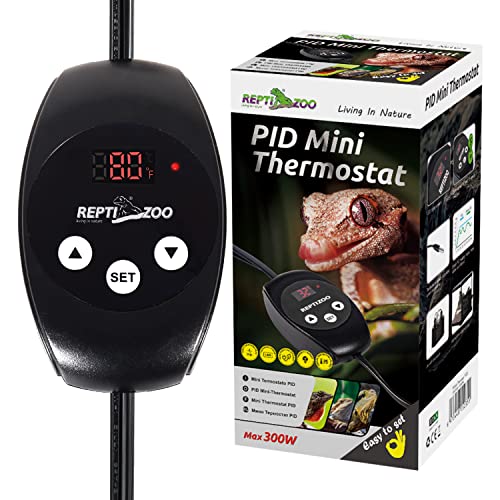
Dimming Thermostat for Reptiles
A dimming thermostat provides precise temperature control for heat lamps, preventing dangerous overheating while maintaining steady basking temperatures. This is the safest and most reliable way to regulate heat lamp output automatically.
Check Price on AmazonInfrared Temperature Gun
An infrared thermometer is essential for accurately measuring basking surface temperatures and verifying your heat lamp setup. Unlike stick-on thermometers, temp guns provide instant, accurate readings from any spot in the enclosure.
Check Price on AmazonFrequently Asked Questions
The appropriate wattage depends on enclosure size, room temperature, and species requirements. For a 40-gallon tank at average room temperature, start with 75-100W for moderate-heat species. High-heat species like bearded dragons may need 100-150W, while lower-heat species might only need 50-75W. Always verify actual temperatures with a thermometer rather than relying solely on wattage recommendations.
References & Sources
- https://reptifiles.com/choosing-the-best-reptile-heat-lamp/
- https://www.zenhabitats.com/blogs/reptile-care-sheets-resources/corn-snake-complete-lighting-and-heating-guide
- https://reptilesmagazine.com/ideal-heating-for-your-reptiles/
- https://reptifiles.com/bearded-dragon-care/bearded-dragon-temperatures-uvb/
- https://reptifiles.com/red-eared-slider-care/red-eared-slider-uvb-lighting/
- https://reptifiles.com/ackie-monitor-care/ackie-monitor-temperatures-heating/
Related Articles

Corner Setup Guide: Optimize Your Reptile's Enclosure
Learn how to use every corner of your reptile's enclosure strategically — from basking zones to cool retreats — for a healthier, happier pet.

Cold Stress in Reptiles: Signs, Emergency Response & Prevention Guide
A power outage, a broken thermostat, or a drafty room can drop your reptile's temperature into the danger zone within hours. Learn how to recognize cold stress before it becomes fatal, what to do in the first 30 minutes, and how to prevent it from ever happening.

How Long Do Pet Reptiles Live? A Species-by-Species Lifespan Guide
Pet reptiles live far longer than most people expect. Learn lifespan by species, what affects longevity, and the real lifetime commitment before you buy.