Fire Skink Care: Essential Tips for a Thriving Pet
Learn how to provide the best care for your fire skink, including enclosure setup, feeding, and handling tips.


✓Recommended Gear
TL;DR: Fire skinks (Mochlus fernandi) are West African terrestrial lizards reaching up to 12 inches, living 10–15 years, and requiring a 20–30 gallon enclosure with a moist substrate to support burrowing behavior. They need a basking spot of 95–100°F (35–38°C), a cool side of 75–85°F, and humidity in the range of 70–80% maintained through misting — they are primarily carnivorous and eat a variety of live insects like crickets, dubia roaches, and mealworms. Despite their vibrant colors, fire skinks can be skittish; gentle consistent handling in short sessions builds trust over time.
Fire skinks (Mochlus fernandi) are stunning lizards that can make great pets for both beginners and experienced keepers. Their vibrant colors and relatively docile nature make them a favorite in the reptile community. Whether you’re considering getting a fire skink or already have one, this guide will help you provide the best care for your pet.
Introduction to Fire Skinks
Fire skinks are native to West Africa, specifically Nigeria, Cameroon, and Ghana. They are terrestrial lizards that prefer to spend most of their time on the ground, burrowing and exploring. Fire skinks are known for their striking appearance, with a bright orange or red head and neck, contrasting with a dark brown or black body, and a patterned tail. These colors often intensify during the breeding season, making them even more attractive.
Key Facts
- Scientific Name: Mochlus fernandi
- Lifespan: 10-15 years
- Size: Up to 12 inches in length
- Diet: Carnivorous, primarily insects
- Temperament: Generally docile, but can be skittish
Fire Skink Quick Reference
Scientific Name
Mochlus fernandi
Lifespan
10-15 years
Size
Up to 12 inches
Diet
Carnivorous (insects)
Temperament
Docile but skittish
Fire Skink Shopping List
Before bringing your fire skink home, it’s important to have all the necessary supplies ready. Here’s a shopping list to get you started:
- Enclosure: A 20-30 gallon terrarium
- Substrate: Moist soil or coconut fiber
- Heating: Heat lamp and under-tank heater
- Lighting: UVB bulb
- Decorations: Cork bark, rocks, and leaf litter
- Feeding Supplies: Calcium powder, multivitamin supplement, and live insects
- Humidity Control: Misting bottle or automated misting system
- Water Dish: Shallow dish for drinking and soaking
- Hide: Multiple hides for security and comfort
(Estimates only — actual prices on Amazon may vary.)
Fire Skink Setup Checklist
Everything you need to get started
Fire Skink Enclosure Size
Fire skinks are active lizards that need plenty of space to move around. A single adult fire skink should be housed in a terrarium that is at least 20-30 gallons in size. The enclosure should be longer rather than taller, as these lizards are primarily ground-dwelling. If you plan to keep multiple fire skinks, increase the size of the enclosure accordingly to prevent stress and territorial issues.
Dimensions
For a single adult fire skink:
- Length: 36 inches
- Width: 18 inches
- Height: 12-18 inches
Lighting & UVB for Fire Skinks
Proper lighting is crucial for the health and well-being of your fire skink. They require both a heat lamp and a UVB bulb to simulate their natural environment and aid in digestion and vitamin D synthesis.
Heat Lamp
- Type: Ceramic heat emitter or halogen bulb
- Temperature: Basking spot should be 95-100°F (35-38°C)
UVB Bulb
- Type: 5.0 or 6.0 UVB bulb
- Duration: 12 hours of UVB light per day
Fire Skink Temperature Requirements
Maintaining the correct temperature gradient in your terrarium is essential for your fire skink’s health. They need a warm basking spot and a cooler area to regulate their body temperature.
Temperature Gradient
- Basking Spot: 95-100°F (35-38°C)
- Cool Side: 75-85°F (24-29°C)
- Nighttime: 65-75°F (18-24°C)
Heating Equipment
- Heat Lamp: Provides the basking spot
- Under-Tank Heater: Maintains the overall temperature
- Thermometer: For monitoring both basking and cool side temperatures
Temperature Gradient Requirements
Basking Spot
95-100°F (35-38°C)
Cool Side
75-85°F (24-29°C)
Nighttime
65-75°F (18-24°C)
Fire Skink Humidity Requirements
Fire skinks come from humid environments and require a humidity level of 60-80% to remain healthy. High humidity helps with shedding and prevents respiratory issues. You can achieve this by using a moist substrate, misting the enclosure, and providing a water dish.
Maintaining Humidity
- Substrate: Use a substrate that retains moisture, such as coconut fiber or a mix of soil and leaf litter
- Misting: Spray the enclosure with water 1-2 times a day
- Water Dish: Place a shallow dish in the cool side of the terrarium for drinking and soaking
Fire Skink Substrate Options
Choosing the right substrate is important for your fire skink’s health and comfort. The substrate should be able to retain moisture and allow for burrowing.
Recommended Substrates
| Substrate | Pros | Cons |
|---|---|---|
| Coconut Fiber | Natural look, retains moisture, easy to clean | Can be dusty if not misted |
| Moist Soil | Allows for burrowing, retains moisture | Needs frequent monitoring |
| Leaf Litter | Natural environment, hides food, adds humidity | Can attract pests if not managed |
Substrate Setup
Layer your substrate to create a natural environment. A 2-4 inch layer of coconut fiber or moist soil is ideal. You can also add a thin layer of leaf litter on top for extra humidity and a natural look.
Decorating Your Fire Skink Terrarium
A well-decorated terrarium not only looks great but also provides enrichment and security for your fire skink. Use natural and safe materials to create a comfortable environment.
Terrarium Decor
- Cork Bark: Provides hiding spots and climbing surfaces
- Rocks: Creates basking areas and adds variety
- Leaf Litter: Enhances humidity and mimics the natural environment
- Plants: Live or artificial plants for cover and aesthetics
- Logs and Branches: For climbing and exploring
Enrichment
Providing enrichment is important for your fire skink’s mental and physical health. You can add items like:
- Tunnels and Tubes: For hiding and exploring
- Food Puzzles: To encourage natural foraging behavior
- Varied Terrain: Rocks, logs, and plants to create a dynamic environment
Feeding Your Fire Skink
Fire skinks are carnivorous and primarily feed on a variety of insects. It’s important to offer a balanced diet to ensure your pet’s health and longevity.
Diet
- Insects: Crickets, mealworms, waxworms, dubia roaches, and superworms
- Supplements: Dust insects with calcium and multivitamin supplements 2-3 times a week
- Frequency: Feed juveniles daily and adults every other day
Feeding Schedule
| Age | Frequency | Length of Feeding |
|---|---|---|
| Juveniles | Daily | 15-20 minutes |
| Adults | Every 2-3 days | 10-15 minutes |
Prey Size
- Juveniles: Insects should be no larger than the space between their eyes
- Adults: Insects can be slightly larger, but not more than the width of their head
Feeding Schedule & Diet
What you need to know
Juveniles: feed daily; Adults: feed every 2-3 days
Offer crickets, mealworms, dubia roaches, waxworms, and superworms
Dust insects with calcium and multivitamin supplements 2-3 times weekly
Prey size: juveniles ≤ space between eyes; adults ≤ width of head
Handling Your Fire Skink
Fire skinks can be skittish, so it’s important to handle them gently and with care. Here are some tips to help you handle your pet safely:
Handling Tips
- Start Slow: Gradually introduce handling to your fire skink
- Support the Body: Always support their body with both hands
- Avoid Sudden Movements: Move slowly and calmly to prevent stress
- Keep Sessions Short: Start with 5-10 minute sessions and gradually increase
Signs of Stress
Watch for signs of stress during handling, such as:
- Tail Twitching: Indicates fear or discomfort
- Hissing or Biting: Defensive behavior
- Attempting to Escape: Natural response to perceived danger
If your fire skink shows any of these signs, give them a break and try again later.
References
For more in-depth information on reptile care, you might want to check out our guides on Fire Belly Toad Care Guide: Essential Tips for Raising Bombina and Red-Eyed Crocodile Skink Care: Complete Guide.
Additional Resources
- Books: Look for books on reptile care by certified herpetologists
- Veterinary Consultation: Regular check-ups with a reptile vet are crucial
A Terrestrial Gem
Fire skinks are not just beautiful; they’re fascinating to watch as they burrow and explore their terrarium. With the right care, your fire skink will thrive and become a beloved pet.
Interesting Facts
- Coloration: Their striking colors are a natural defense mechanism
- Behavior: They are mostly diurnal, active during the day
- Shedding: They shed their skin in pieces, not all at once
Habitat and Housing
Creating a suitable habitat is the foundation of good fire skink care. Here are some key points to consider:
Enclosure Setup
- Size: As mentioned, a 20-30 gallon terrarium is ideal
- Ventilation: Ensure the terrarium has good air flow to prevent mold and bacteria growth
- Security: Use a secure lid to prevent escape
Environmental Enrichment
- Hides: Provide multiple hides to make your fire skink feel secure
- Substrate: Use a moist substrate to encourage natural behaviors
- Decorations: Add natural elements like cork bark, rocks, and plants
Conclusion
Fire skinks can be rewarding pets, but they require specific care to thrive. By following this guide, you’ll create a comfortable and stimulating environment for your fire skink, ensuring they live a long and healthy life. Remember to monitor their health regularly and consult a reptile vet if you notice any issues.
We hope this guide has been helpful. If you have any questions or need further advice, feel free to reach out to us. Happy reptile keeping!
Recommended Gear

Exo Terra Glass Terrarium
This terrarium is perfect for fire skinks, offering the right size and secure environment they need.
Check Price on Amazon
Zoo Med ReptiSun 5.0 UVB Bulb
This UVB bulb provides essential UVB light, crucial for your fire skink’s health and vitamin D synthesis.
Check Price on Amazon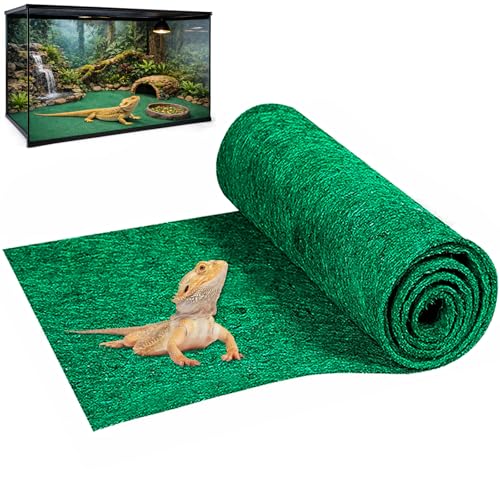
Reptile Carpet Substrate
This substrate retains moisture and is easy to clean, making it ideal for a fire skink’s terrarium.
Check Price on AmazonExo TerraTbl Automatic Misting System
This automatic misting system helps maintain the high humidity levels fire skinks need, reducing the stress of manual misting.
Check Price on AmazonDubia Roaches Live Feeders
Dubia roaches are a nutritious and easy-to-handle food source for your fire skink, promoting a healthy diet.
Check Price on AmazonFrequently Asked Questions
Fire skinks are generally easy to keep, but they require specific conditions like a humid environment and proper temperature gradient. With the right setup and care, they can thrive.
References & Sources
- https://reptifiles.com/fire-skink-care-sheet/
- https://www.thebiodude.com/blogs/lizard-caresheets/bioactive-fire-skink-care-sheet-mochlus-fernandi?srsltid=AfmBOor-eUiSKXk-aFFmzDdNh7fL4-zWv113_BlLS8ViwuMGRcJM9uWf
- https://dubiaroaches.com/blogs/lizard-care/fire-skink-care-sheet?srsltid=AfmBOooGUdO3_vuvbrlmHxWk4NksWwdY4idunU85uoZSselygsu0MxxS
- https://reptifiles.com/wp-content/uploads/2023/06/Fire-Skink-Care-Sheet-ReptiFiles-PDF.pdf
Related Articles

Blue Tongue Skink Lifespan: How Long Do They Live?
*Affiliate disclosure: we earn a small commission on qualifying purchases.* Blue tongue skinks live 15–20 years in captivity — with well-kept northerns regularly hitting 25+. Here's what decides yours.

African Fat Tail Gecko Care: The Complete Guide
Master african fat tail gecko care with this complete guide covering housing, humidity, heating, diet, and the beginner mistakes that send geckos to the vet.

Bearded Dragon Shedding Frequency: What's Normal?
Learn how often bearded dragons shed by age, what signs to watch for, and how to help your beardie through a healthy shed without causing harm.