Crocodile Lizard Care Guide: Setup Costs, Enclosure & Husbandry Tips
This article contains affiliate links. We may earn a small commission at no extra cost to you. Learn more Planning to keep a crocodile lizard?


✓Recommended Gear
Planning to keep a crocodile lizard? Check the costs before you commit. These semi-aquatic lizards are stunning animals, but their care requirements catch many new keepers off guard.
Here's the short answer: budget $440–$880 to get started. That covers the lizard ($300–$600) and a proper paludarium setup ($140–$280). Monthly upkeep runs $25–$45. Here's the full breakdown — item by item.
What Is a Crocodile Lizard?
The Chinese crocodile lizard (Shinisaurus crocodilurus) is a semi-aquatic reptile from mountain streams in southern China. Its heavily ridged, keeled scales along the back and tail give it the crocodile look. Adults reach 16–18 inches (40–45 cm) total length.
Crocodile lizards are calm and slow-moving. They're not handling pets — they prefer to be observed. But for experienced keepers who nail the conditions, they're captivating animals that live 10–15 years.
Quick stats:
- Scientific name: Shinisaurus crocodilurus
- Origin: Guangxi and Hunan provinces, China
- Adult size: 16–18 inches (40–45 cm)
- Lifespan: 10–15 years in captivity
- Difficulty level: Advanced
- CITES status: Appendix II (captive-bred legal in the US)
Full Cost Breakdown
Here's everything you'll spend to get a crocodile lizard properly set up:
| Expense | Estimated Cost |
|---|---|
| The lizard (captive-bred) | $300–$600 |
| Glass tank (24"×18"×24" minimum) | $60–$120 |
| UVB lighting | $25–$50 |
| Aquatic filter | $15–$30 |
| Thermometer and hygrometer | $10–$20 |
| Substrate and leaf litter | $15–$30 |
| Hides, branches, and décor | $15–$30 |
| Total startup cost | $440–$880 |
| Monthly upkeep | $25–$45 |
The Lizard: $300–$600
Captive-bred Chinese crocodile lizards sell for $300–$600 from reputable breeders. That price reflects their rarity and CITES protection — wild-caught imports are illegal, so supply depends entirely on captive breeding programs.
What affects the price:
- Age: Established adults cost more than fresh hatchlings
- Breeder reputation: Documented lineage and health records command a premium — and it's worth paying
- Availability: Breeding season determines when animals hit the market
Always ask for captive-bred documentation. If a seller can't provide it, or the price is under $200, walk away. A low price on a protected species is a serious red flag.
Enclosure Setup: $140–$280
Crocodile lizards need a paludarium — an enclosure with both a land section and a water section. A standard dry terrarium won't work.
Minimum size for one adult: 24"×18"×24" (length × width × height). Larger is always better.
What you need:
- Glass tank: $60–$120
- UVB reptile light (5.0 or 6% rating): $25–$50
- Small aquatic filter: $15–$30
- Digital thermometer and hygrometer: $10–$20
- Substrate (coconut fiber and organic soil): $10–$20
- Leaf litter and décor: $15–$30
An automatic reptile misting system isn't required, but it makes hitting the 80–100% humidity target much easier. Add $30–$60 if you go that route — most serious keepers do.
Temperature Requirements
This is where most keepers fail with crocodile lizards. These animals come from cool mountain environments and don't tolerate warmth.
Temperature targets:
- Daytime ambient: 68–75°F (20–24°C)
- Basking spot: 78–80°F maximum
- Nighttime: 60–65°F (15–18°C)
If your home stays above 75°F in summer, you need a plan. Your options:
- Keep the enclosure in an air-conditioned room
- Add a small USB fan to the enclosure to lower the ambient temperature
- Install a water chiller in the aquatic section
Overheating is fatal to crocodile lizards. Don't guess at temperature. Use a digital thermometer and hygrometer combo and check it every day.
Humidity Requirements
Crocodile lizards need 80–100% humidity at all times. Low humidity causes stuck sheds, skin infections, and respiratory problems.
How to hit the target:
- Mist the enclosure at least twice daily
- Cover 70–80% of any screen top with glass or plastic to trap moisture
- Add live plants — pothos, java fern, and mosses all work well
- The water section itself helps maintain ambient humidity
Always measure with a digital hygrometer. Guessing isn't good enough for this species.
Building the Paludarium
About one-third of the floor space should be water. The rest is land.
Water section:
- Depth: 3–5 inches
- Use dechlorinated or filtered water only — tap water can harm the lizard over time
- Install a small aquarium filter to keep the water clean and reduce odor
- Target water temperature: 65–72°F (cool, not warm)
- Do a 25% water change every week
Land section:
- 2–3 inches of coconut fiber mixed with organic topsoil
- Leaf litter on top (magnolia or oak leaves work well)
- Cork bark hides and sturdy branches for climbing and resting
- Live plants are optional but help with humidity and enrichment
Use rocks, cork bark slabs, or a plastic divider to separate the land and water sections cleanly. This keeps the substrate from washing into the pool and makes maintenance easier.
What Do Crocodile Lizards Eat?
Crocodile lizards are carnivores. In the wild they eat invertebrates and small fish. In captivity, their diet should include variety.
Accepted foods:
- Earthworms — the staple; accepted readily by almost all captive lizards
- Crickets and dubia roaches — gut-load before offering
- Small feeder fish (guppies, small goldfish) — use as an occasional treat
- Aquatic snails and small shrimp — good for behavioral enrichment
Feeding schedule:
- Adults: every 2–3 days
- Juveniles: every day or every other day
Dust feeder insects with calcium and D3 powder at least twice a week. This prevents metabolic bone disease, which is one of the most common and preventable health problems in captive reptiles.
Crocodile lizards prefer live prey. They may refuse dead or frozen food, especially right after you bring them home. Start with earthworms — they're the most reliable first food.
For tips on maintaining a feeder insect colony at home, see our reptile feeding guide.
Monthly Upkeep: $25–$45
Once setup is done, ongoing costs stay reasonable:
| Item | Monthly Cost |
|---|---|
| Earthworms | $8–$12 |
| Crickets or dubia roaches | $6–$10 |
| Feeder fish (occasional) | $3–$5 |
| Calcium and vitamin supplements | $3–$5 |
| Substrate refresh (quarterly, averaged) | $3–$5 |
| Electricity (lighting and filter) | $5–$10 |
| Monthly total | $28–$47 |
Compared to larger reptiles like monitors or boa constrictors, the crocodile lizard's small size keeps feeding costs low. The bigger ongoing investment is time — daily misting and weekly water changes are non-negotiable.
Need help picking the right enclosure? Check out our reptile terrarium guide for paludarium recommendations that fit different budgets and room sizes.
Handling and Temperament
Crocodile lizards are docile, but they don't enjoy handling. They stress easily, and a stressed crocodile lizard stops eating.
Build trust slowly:
- Leave the lizard alone for the first 2 weeks after bringing it home
- Start with 5-minute handling sessions, 3 times per week
- Let it walk onto your hand — don't grab or restrain it
- Keep sessions calm and quiet, away from loud noises or sudden movements
Signs of stress:
- Wide-open mouth (threat display)
- Tail vibrating rapidly
- Repeated diving into the water section to escape
- Refusing food for more than 10 days
If you see these signs, reduce handling and check your husbandry. Temperature and humidity issues are the most common cause.
Common Health Issues
Crocodile lizards are hardy when conditions are correct. Most problems trace back to husbandry mistakes.
Respiratory infection: Usually from temperatures too high or humidity too low. Watch for wheezing, mucus near the nostrils, or open-mouth breathing at rest. This needs a vet.
Stuck shed (dysecdysis): Low humidity during a shed cycle causes skin to stay on. Soak the lizard in lukewarm water (around 70°F) for 15–20 minutes to loosen it. Don't pull dry shed off with your hands.
Metabolic bone disease: Caused by too little UVB or not enough calcium. Prevent it with a proper UVB reptile bulb and consistent calcium dusting on feeders.
New animal anorexia: Very common in recently purchased lizards. Most animals settle in within 2 weeks. Keep the enclosure dark and quiet. Offer earthworms first — they're the best way to get a reluctant feeder started.
Find a reptile-experienced vet before you need one. Don't wait until there's a health crisis to start the search.
Legal Considerations
Chinese crocodile lizards are CITES Appendix II protected. In practical terms:
- Wild-caught animals can't be legally imported to the US
- Captive-bred animals can be legally bought and sold within the US
- Some states have additional exotic animal regulations — check your state laws before you buy
- Keep your purchase documentation in case you ever need to prove legal ownership
Reputable breeders provide a certificate of captive breeding with every sale. If the seller can't produce documentation, don't buy.
Is the Crocodile Lizard Right for You?
Crocodile lizards suit keepers who:
- Can maintain cool room temperatures year-round (under 75°F)
- Have kept other intermediate or advanced reptiles before
- Can source live earthworms on a consistent basis
- Don't need a handling-friendly pet
- Have access to a reptile-experienced vet nearby
They're not beginner reptiles. But for the right keeper, the crocodile lizard is one of the most rewarding species you can own — prehistoric in appearance, calm by nature, and long-lived when cared for correctly.
Ready to build your setup? Shop reptile paludarium kits on Amazon to find everything you need in one place.
Recommended Gear
Reptile Paludarium Starter Kit
Crocodile lizards need a paludarium — part land, part water. A starter kit gives you the tank, lighting bracket, and basic filtration to build the right habitat from day one.
Check Price on AmazonAutomatic Reptile Misting System
Crocodile lizards need 80–100% humidity at all times. An automatic mister keeps levels stable between manual checks and reduces the risk of respiratory issues.
Check Price on AmazonReptile UVB Light Bulb (5.0 or 6%)
UVB lets crocodile lizards synthesize vitamin D3 and absorb calcium properly. Without it, metabolic bone disease develops within months.
Check Price on Amazon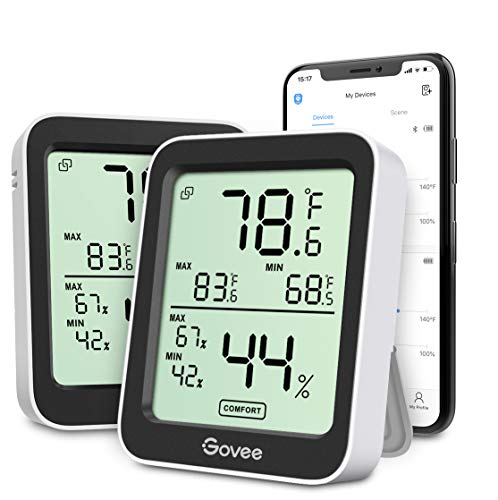
Digital Reptile Thermometer and Hygrometer
You can't manage conditions you're not measuring. A combo unit tracks both temperature and humidity in real time so you catch problems before they become health crises.
Check Price on AmazonFrequently Asked Questions
No. Crocodile lizards are best for experienced reptile keepers. They need precise humidity control, cool temperatures under 75°F, and a semi-aquatic setup that's harder to maintain than a standard terrarium. Start with a more forgiving species if this is your first lizard.
References & Sources
- https://reptilesmagazine.com/chinese-crocodile-lizard-care-tips/?srsltid=AfmBOooUdUgIV4w8Ncg0Oz2RWi0BMdemQ8_VijnSw_u4TkmpcHSufKOp
- https://www.thebiodude.com/blogs/lizard-caresheets/red-eye-crocodile-skink-care-and-bioactive-maintenance?srsltid=AfmBOoogmi-ypAfFAeiGtFkPhdrkooSit40xLIIcR-o9gpqjpNT0Av9V
- https://reptifiles.com/red-eyed-crocodile-skink-care-sheet/
- https://reptifiles.com/wp-content/uploads/2022/01/Red-Eyed-Crocodile-Skink-Care-Sheet-PDF.pdf
- https://reptifiles.com/lizard-care-sheets/
- https://reptifiles.com/reptile-care-resources/reptile-destinations/
Related Articles

Crocodile Gecko Care: Breeding, Bioactive Setup & Morphs
An advanced care guide to crocodile geckos covering bioactive setup, breeding and incubation data, morph genetics, and species-specific health issues.

Red-Eyed Crocodile Skink Care: Complete Guide
Red-eyed crocodile skink care guide -- enclosure, high humidity, temperature, feeding, and handling for this prehistoric-looking display lizard.

Crocodile Skink Care: Humidity, Breeding & Health Guide
Croc skinks need precise 70-90% humidity, cross-ventilated bioactive setups, and patience with single-egg breeding cycles — here's the real care data.