Chubby Frog Cohabitation: Can You Keep Two Frogs?
Yes — two chubby frogs can share a tank safely, but the setup matters a lot. Chubby frogs (Kaloula pulchra) are sociable little amphibians from Southeast Asia.


✓Recommended Gear
Yes — two chubby frogs can share a tank safely, but the setup matters a lot. Chubby frogs (Kaloula pulchra) are sociable little amphibians from Southeast Asia. Get the basics right and a pair will thrive together for years. Miss one detail and a tankmate turns into a meal.
This guide covers the size rule, tank requirements, feeding strategy, and the warning signs that tell you something is wrong.
The Golden Rule: Size Must Match
Before anything else, measure both frogs snout to vent. Chubby frogs are opportunistic feeders. They don't recognize a tankmate — they see prey. If one frog is noticeably bigger, it will try to eat the smaller one.
The rule is simple: both frogs should be within half an inch (about 1.3 cm) of each other in body length. More than that and you're taking a real risk.
Don't rely on behavior to catch a problem early. Chubby frogs don't give warning signals before attacking. By the time you notice, the smaller frog may already be injured.
Measure your frogs once a month during the first year. Juveniles grow at different rates. A pair that was well-matched at the pet store can become mismatched within a few months.
How Big Does the Tank Need to Be?
A single adult chubby frog needs at least a 10-gallon tank. For two frogs, step up to a 20-gallon long terrarium. More floor space means less competition for hides, food, and resting spots.
Go with a 20-gallon long (30 × 12 × 12 inches) instead of a 20-gallon tall. Chubby frogs stay on the ground. They don't climb much, so vertical space mostly goes to waste. A longer footprint lets both frogs spread out.
For three frogs, use a 40-gallon breeder tank. Add 10 gallons for every frog beyond two.
Your tank must have:
- A tight-fitting screen lid — chubby frogs squeeze through surprisingly small gaps
- At least 3 inches of soft substrate for burrowing
- One hide per frog, placed on opposite sides of the tank
- A shallow water dish large enough for both frogs to soak at once
Setting Up the Substrate
Chubby frogs love to burrow. A soft, moisture-retaining substrate is one of the most important parts of the setup.
The best options:
- Coconut fiber (coco coir) — holds moisture without getting soggy, frog-safe, widely available
- Organic topsoil — choose bags labeled "no fertilizers or pesticides"
- A 50/50 mix of both — great moisture retention and easy to burrow through
A coconut fiber substrate packed 3-4 inches deep is the standard choice. It mimics the leaf litter forest floor these frogs come from in Southeast Asia.
Avoid gravel, sand, or bark chips. These don't hold humidity and can cause gut impaction if a frog accidentally swallows a piece.
Keep the substrate damp, not wet. Push your finger 2 inches in — it should feel like a wrung-out sponge. Dry means mist more. Pooling water means back off.
Temperature and Humidity Requirements
Chubby frogs need warm, humid conditions year-round.
Temperature targets:
- Daytime: 75-82°F (24-28°C)
- Nighttime: can safely drop to 68°F (20°C)
Room temperature in most homes (around 72-75°F) often works without any heating equipment. If your home runs cooler, use a low-wattage ceramic heat emitter mounted above the screen lid. Never use an under-tank heater — chubby frogs burrow and can get burns through direct substrate contact.
Humidity targets:
- Range: 60-80%
- Mist once daily with dechlorinated water; twice daily in dry climates
A digital hygrometer removes all guesswork. Place the sensor near substrate level, not at the top of the tank, so you're reading the conditions your frogs actually live in.
Don't skip the hygrometer. Humidity that stays under 50% stresses chubby frogs and causes slow dehydration even when a water dish is present.
Set up the full habitat the right way. Our frog terrarium setup guide walks through every step — substrate layers, drainage, planting, and cycling — so you don't miss anything.
How to Feed Two Frogs in the Same Tank
Feeding time is the most common source of problems when housing two chubby frogs together. They're slow, but they're competitive.
Feed each frog separately with tongs. Place the food on opposite sides of the tank and watch both frogs during the entire feeding. Remove uneaten insects after 15 minutes — loose crickets nip at frogs overnight and cause stress.
Adult feeding schedule:
- Every 2-3 days
- 4-6 medium crickets or dubia roaches per frog
Juvenile feeding schedule (under 6 months):
- Daily
- 2-4 small crickets per frog
Always dust feeders with calcium powder before offering them. Without regular calcium, chubby frogs develop metabolic bone disease — soft, deformed bones that cause permanent damage. Use plain calcium at most feedings and add vitamin D3 twice a week if your frogs don't get UVB light.
Best feeder insects:
- Crickets — nutritious, easy to find, good staple food
- Dubia roaches — higher protein, don't make noise, don't escape easily
- Hornworms — great for hydration, use as occasional treats
- Waxworms — high fat content, offer rarely
Hides, Plants, and Enrichment
Both frogs need their own safe spot. Use at least two hides placed at opposite ends of the tank. A frog that can't retreat alone will stay stressed.
Good hide options:
- Cork bark slabs propped against the tank wall
- Coconut shell huts
- Half-buried terracotta pots
- Plastic reptile caves
Leaf litter scattered across the substrate surface gives frogs extra cover and feels natural. Dried magnolia or oak leaves work well.
Live plants help with humidity and make both frogs feel less exposed. Pothos, philodendron, and snake plants are all durable options that tolerate a wet substrate. Fake plants are fine if you don't want to deal with live plants.
Change the water dish every 2-3 days and always use dechlorinated water. Frogs absorb everything through their skin — chlorine in tap water is genuinely harmful. A reptile water conditioner makes tap water safe in seconds.
Warning Signs the Housing Isn't Working
Even well-matched frogs can turn out to be incompatible. Check on your frogs every day, especially during the first month together.
Stress signs:
- One frog hiding even at feeding time
- Refusing food or eating less than usual
- Visible weight loss or dull skin color
- One frog always pushed to a corner
Injury signs:
- Missing or damaged toes
- Bite marks on legs or flanks
- Open wounds or torn skin
- Swollen mouth area
If you spot injuries, separate the frogs immediately into individual tanks. Not every pair works out, even at the right size. Don't wait and hope it improves — frog injuries get infected quickly.
For a deeper look at spotting and treating common health issues in amphibians, see our reptile illness signs guide.
Can You Keep More Than Two?
Yes, with more planning. Three or four chubby frogs can share a 40-gallon breeder tank if you:
- Match all frogs to within half an inch of each other in size
- Provide at least one hide per frog plus two extras
- Feed at multiple spots simultaneously
- Watch all frogs closely during feedings every time
More frogs means more stress, more competition, and more risk of accidental injury. Start with a pair. Most keepers find two frogs much easier to manage than a group of three or four.
Male and Female Together
A male and female chubby frog can coexist, but expect breeding attempts. Males call loudly at night after misting, especially during warmer months. If a breeding happens, the female will deposit eggs in the water dish.
If you're not set up to raise tadpoles, keep same-sex pairs. Males tend to be slightly smaller and slimmer. Females are rounder, especially when carrying eggs.
Summary
Two chubby frogs can thrive together when you get the essentials right: matched body sizes, a 20-gallon long tank with deep coconut fiber substrate, separate tong-feeding on opposite sides of the tank, and daily checks for stress or injury. Most problems come from size mismatches or not enough hides — fix those two things and cohabitation is straightforward.
Ready to get your chubby frog setup dialed in? Shop the recommended gear above and build a habitat your frogs will thrive in for years to come.
Recommended Gear
20-Gallon Long Terrarium
The right minimum size for two adult chubby frogs. The long footprint gives both frogs room to burrow and hide without competing for the same corner.
Check Price on AmazonCoconut Fiber Substrate
Holds moisture without compacting, lets chubby frogs burrow naturally, and is free of harmful additives. Pack 3-4 inches deep for best results.
Check Price on Amazon
Digital Hygrometer Thermometer
Tracks humidity and temperature in one unit. Essential for keeping chubby frogs in the 60-80% humidity range they need.
Check Price on Amazon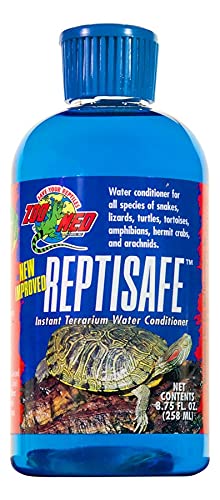
Reptile Water Conditioner
Removes chlorine and chloramines from tap water instantly. Frogs absorb everything through their skin, so dechlorinating is non-negotiable.
Check Price on Amazon
Calcium Supplement with D3
Prevents metabolic bone disease. Dust feeder insects at every feeding for healthy bone growth and long-term frog health.
Check Price on AmazonFrequently Asked Questions
Two adult chubby frogs fit comfortably in a 20-gallon long tank. For three frogs, upgrade to a 40-gallon breeder to give each frog enough space and reduce competition for hides and food.
Related Articles

Waxy Monkey Tree Frog Care: Is It the Right First Frog for You?
Waxy monkey tree frog care guide for first-time owners: setup costs, feeding, UVB requirements, and common beginner mistakes. Start here before you buy.

Amazon Milk Frog Care Guide: Tank Setup, Diet & Lifespan
Complete Amazon milk frog care guide covering tank setup, humidity, feeding, lifespan, and whether they're good for beginners. Everything you need to know.

200+ Best Frog Names: Cute, Funny & Unique Ideas for Your Pet
Discover 200+ frog name ideas — cute, funny, unique, and themed options for every pet frog. A complete naming guide with tips on picking the perfect fit.