Blood Python Care Guide: Busting the Temperament Myth + Complete Setup
Blood pythons are NOT aggressive -- they are defensive animals that calm down beautifully with proper acclimation. Learn the truth about their temperament, plus a complete care guide covering humidity, heating, feeding, and enclosure setup for Python brongersmai.


✓Recommended Gear
TL;DR: Blood pythons (Python brongersmai) have an unjust reputation for aggression — their defensive behavior is almost entirely a husbandry problem that resolves with correct setup and patient handling, particularly after the first 4–8 weeks of acclimation. Their single most critical care requirement is 90%+ relative humidity consistently, which demands a PVC enclosure with deep coconut fiber and sphagnum moss substrate — glass enclosures cannot maintain this level. Adults reach 4–6 feet but are extremely heavy-bodied (15–30 lbs), eat every 7–14 days, and live 20–30 years in captivity.
Ask almost anyone in the reptile hobby about blood pythons and you will hear the same warning: "They are mean. They strike constantly. They are not beginner snakes." That reputation has kept countless keepers from ever meeting one of the most rewarding pythons available in captivity today.
Here is what the experienced blood python community knows that casual hobbyists do not: blood pythons are not aggressive animals -- they are defensive ones. There is a critical difference. Aggression means the animal is wired to attack. Defensiveness means it is reacting to a perceived threat it has not yet learned to dismiss. The first is innate and permanent. The second is trainable, temporary, and almost entirely a husbandry problem.
Wild-caught and farm-bred blood pythons imported without proper acclimation strike because they are genuinely terrified. Captive-bred animals from reputable breeders, raised correctly, often become some of the most docile and handleable medium-large pythons in the hobby. This guide exists because you deserve that information before you walk away from a blood python at a reptile expo.
The Temperament Myth: What the Science and Experience Say
Blood pythons (Python brongersmai) are ambush predators from lowland Sumatra and the Malay Peninsula -- humid, dark, densely vegetated peat swamp forests where threat detection equals survival. Their defensive posture -- the famous flattened, S-coiled strike position -- is a highly evolved survival mechanism, not a personality flaw.
Research and extensive keeper documentation shows the following pattern with newly acquired blood pythons:
- Weeks 1-4: Maximum defensiveness. The snake does not know where it is, whether anything will eat it, or whether you are a predator. Do not handle. Allow feeding to establish itself first.
- Weeks 4-8: Defensive behavior typically decreases significantly once regular feeding is established. The animal is learning that its environment is predictable and safe.
- Months 3-6: Most captive-bred blood pythons have settled into manageable, predictable dispositions. Hook-training -- using a snake hook to gently displace the snake before reaching in with your hands -- removes the element of surprise that triggers most defensive strikes.
- Year 1 onward: A well-acclimated blood python often allows confident, regular handling with minimal to zero defensive behavior.
The keepers who describe blood pythons as perpetually mean are almost universally describing animals that were improperly acclimated -- too small an enclosure, wrong humidity, wrong temperatures, harassed too early, or purchased as wild-caught animals from stressful import chains.
The verdict: Blood python temperament is largely environmental and behavioral, not genetic. Proper husbandry and patience will transform the experience for the vast majority of keepers.
Species Overview: Python brongersmai and the Short-Tail Complex
Blood pythons belong to the short-tailed python complex, a group of three closely related species that are chunky, muscular, and distinctly un-python-like in body plan compared to the long, slender ball python or the streamlined carpet python.
The Three Short-Tail Species
| Species | Common Name | Origin | Notes |
|---|---|---|---|
| Python brongersmai | Blood python | Sumatra, Malay Peninsula | Most commonly kept; red, orange, and tan coloration |
| Python curtus | Sumatran short-tail | Sumatra | Darker brown-gray tones; rarer in captivity |
| Python breitensteini | Borneo short-tail | Borneo | Brownish-gray; least common in captivity |
This guide focuses on Python brongersmai -- the blood python -- as it is the species most commonly available, most discussed, and most frequently misunderstood.
Physical Characteristics
- Adult length: Typically 4-6 feet (1.2-1.8 m). Females grow larger than males and can reach 6 feet; most males stay 4-5 feet.
- Adult weight: 15-30 lbs for females; 8-15 lbs for males. Blood pythons are heavy for their length -- their girth is exceptional.
- Coloration: Variable but typically deep red to orange-red with tan, yellowish, or cream patterning. Some animals are almost brown; high-red morphs are stunning. Color often intensifies with age.
- Head shape: Broad, triangular, and distinctly large relative to body diameter -- this is what gives them their imposing appearance.
- Tail: Short and blunt (hence "short-tailed python") -- a key visual identifier.
- Lifespan: 20-30 years in captivity with excellent care.
Wild Habitat
Blood pythons come from lowland peat swamp forests -- some of the most humid habitats on earth. They live near water, hide under vegetation and in burrows in the dark forest floor, and virtually never experience dry conditions. Replicating this -- high humidity, darkness, deep substrate, and stable warm temperatures -- is the non-negotiable foundation of blood python care.
Enclosure Size and Setup
Adult Enclosure Size
Blood pythons are terrestrial and heavily built. They do not climb and do not benefit from vertical space. They need floor space and security.
Minimum for an adult: 4 ft x 2 ft x 2 ft (roughly 120 x 60 x 60 cm). A 4x2x2 PVC reptile enclosure is the gold standard for adult blood pythons.
Ideal: 5x2x2 or 6x2x2 for large females exceeding 5 feet.
Do not use glass aquariums for blood pythons -- they cannot maintain the humidity required (90%+) and provide inadequate security. PVC or HDPE enclosures with front-opening doors are the correct choice. Front-opening panels also reduce the overhead-approach trigger that causes defensive behavior.
Juvenile Enclosure
Start juveniles in a 2x1.5x1 ft enclosure (or similar proportionate smaller setup). Blood pythons are ambush sit-and-wait predators -- they do not need to roam and can become stressed in enclosures too large for them to feel secure. Move to adult sizing once the snake has comfortably settled in and is feeding reliably.
Security and Darkness
Blood pythons are reclusive animals that need to feel hidden. Cover three sides of the enclosure with a background or opaque tape to reduce visual stimulation from outside. Provide at least two large hides -- one on the warm side, one on the cool side -- large enough for the snake's entire body to fit inside with the sides touching its body.
Temperature Gradient
Getting temperature right is critical for blood python health, digestion, and immune function. Blood pythons are from warm, equatorial lowland environments -- they do not experience cold seasons.
Target Temperatures
| Zone | Temperature |
|---|---|
| Basking/warm spot | 88-92 degrees F (31-33 degrees C) |
| Warm side ambient | 85-88 degrees F (29-31 degrees C) |
| Cool side | 75-80 degrees F (24-27 degrees C) |
| Night minimum | 75 degrees F (24 degrees C) -- do not drop lower |
Heating Equipment
The preferred heating method for blood pythons is a large radiant heat panel mounted inside the top of the enclosure, or a deep heat projector (DHP) combined with a thermostat.
- [Radiant heat panels](https://www.amazon.com/dp/B0FNRMTF5B?tag=krawlo-20 provide even, penetrating heat without light -- ideal for a dark, secretive species.
- [Deep heat projectors](https://www.amazon.com/dp/B0BSHS996Y?tag=krawlo-20 are a newer technology that heats muscle tissue, not just surface temperature -- excellent for large-bodied pythons.
- Thermostat is mandatory. Use a [quality reptile thermostat](https://www.amazon.com/dp/B0BGS517FT?tag=krawlo-20 to regulate all heating elements. Blood pythons have been fatally overheated by unregulated heat mats in glass tanks -- do not skip this.
Under-tank heat mats are generally NOT recommended for blood pythons. Blood pythons spend most of their time on the ground and over a heat mat, they cannot escape the heat if it is not correctly regulated. A properly thermostat-controlled heat mat on a portion of the floor (never the whole bottom) is acceptable as a secondary element, but radiant or overhead heat is preferred.
Always verify temperatures with a [digital thermometer with probe](https://www.amazon.com/dp/B08R65W98H?tag=krawlo-20 -- do not trust stick-on dial thermometers.
Temperature Zone Reference
Basking/Warm Spot
88–92°F (31–33°C)
Warm Side Ambient
85–88°F (29–31°C)
Cool Side
75–80°F (24–27°C)
Night Minimum
75°F (24°C)
Do not drop lower
Humidity: The Most Critical Variable
If there is one single thing that separates successful blood python keepers from struggling ones, it is humidity. Blood pythons require 90% relative humidity or higher -- consistently. This is not optional, and it is not a range where 70% is close enough.
Chronically low humidity causes:
- Retained sheds (dysecdysis) -- stuck shed constricts circulation and can cause limb/tail necrosis
- Respiratory infections -- blood python lungs are adapted for humid air
- Dehydration despite a water bowl -- skin and respiratory moisture loss exceeds what drinking compensates
- Long-term organ stress
Achieving 90%+ Humidity
Substrate is your primary humidity tool:
- Best substrate mix: 70% coconut fiber + 30% sphagnum moss, layered 4-6 inches deep. This holds moisture for days. A large bag of coconut fiber combined with [sphagnum moss](https://www.amazon.com/dp/B0CL4L8M1V?tag=krawlo-20 is the standard approach.
- Alternative: ABG mix (tropical terrarium substrate) also works well in bioactive setups.
- Avoid: Cypress mulch alone (dries too fast), paper towels (cannot hold humidity), aspen (completely inappropriate -- molds and holds no moisture).
Enclosure sealing:
- PVC or HDPE enclosures with solid sides and minimal ventilation hold humidity much better than mesh-sided glass tanks.
- Cover 75-90% of the top with aluminum foil or solid panels, leaving only a small ventilation strip. A fully sealed enclosure traps CO2 -- you need some airflow, just not much.
Misting:
- Mist the substrate (not the snake directly) heavily every 1-3 days depending on your ambient climate.
- An automatic misting system set on a timer simplifies maintenance significantly for a species with such high demands.
Monitoring:
- Use a digital hygrometer at substrate level, not at the top of the enclosure. Blood pythons spend their time on the floor -- that is where humidity matters.
- Check that humidity does not remain below 85% for extended periods between mistings.
Substrate
As discussed in the humidity section, substrate is the cornerstone of the blood python enclosure system. Use deep, moisture-retentive substrate:
- Coconut fiber + sphagnum moss mix (recommended): 4-6 inch depth minimum; allows burrowing and holds humidity for 2-3 days between mistings.
- Bioactive substrate (ABG mix or similar): Excellent long-term option with isopods and springtails managing waste. Blood pythons are a great candidate for bioactive setups given their steady humidity requirements.
- Depth matters: Blood pythons burrow and hide within substrate. Shallow substrate (under 2 inches) prevents this behavior and increases stress.
Spot clean waste immediately. Full substrate replacement every 3-4 months for non-bioactive setups.
Lighting
Blood pythons are crepuscular to nocturnal in their native peat swamp habitats and spend the vast majority of their time hidden in dark retreats. They do not require bright lighting and do not seek out basking spots under visible light the way a bearded dragon would.
UVB: Low-level UVB (2-5% / UVI 0.5-1.0) is increasingly recommended based on recent keeper and research data suggesting benefits for vitamin D3 synthesis and immune function even in secretive species. If you provide UVB, use a very low-output tube on a 12-hour cycle, mounted at distance (18-24 inches) so the snake can choose exposure or avoidance. A low-output UVB tube is sufficient -- do not use high-output desert UVB for a rainforest species.
Day/night cycle: Provide a gentle ambient light cycle to maintain circadian rhythm, but do not illuminate the enclosure brightly. Covering three sides of the enclosure ensures the snake experiences adequate darkness even during daylight hours in the room.
Night viewing: If you want to observe the snake after dark, use a low-output red or black light -- snakes have poor red-light sensitivity and will not be disturbed.
Feeding
Prey Size
Blood pythons are ambush predators that eat appropriately sized rodents. The standard guideline:
- Prey diameter: Match to the thickest part of the snake's body -- prey should create a slight visible lump after swallowing, but should not stretch the snake uncomfortably.
- Adult blood pythons: Usually eat medium to large rats. Given their stocky girth, they can handle surprisingly large prey items.
- Juveniles: Start on appropriately sized mice or rat pups.
Feeding Frequency
- Juveniles (under 1 year): Every 5-7 days
- Subadults (1-3 years): Every 7-10 days
- Adults: Every 7-14 days is standard. Blood pythons have a slow metabolism relative to their mass -- overfeeding causes obesity, which is a genuine health concern in this species.
Blood pythons are prone to obesity in captivity because they are adapted for episodic large meals, not frequent feeding. A visibly obese blood python (rolls of fat visible along the sides, no visible spine) has a shortened lifespan. Err on the side of less frequent feeding rather than more.
Pre-Killed and Frozen/Thawed Only
Never feed live prey to blood pythons. This is standard best practice for all large pythons:
- Live rodents can inflict serious bite wounds and scratches on the snake
- Pre-killed or frozen/thawed prey is nutritionally identical to live prey
- Frozen/thawed prey is more convenient and safer
Thaw frozen prey in the refrigerator overnight, then warm to body temperature in warm (not hot) water before offering. Use [long feeding tongs](https://www.amazon.com/dp/B0FLPWS4JH?tag=krawlo-20 to present prey -- this keeps your hands well away from a feeding-response strike and ensures the snake associates prey smell with feeding, not your hand.
Feeding Response and Strike Feeding
Blood pythons have a strong feeding response. After warming prey to approximately 100-105 degrees F (body temperature of a live rodent), most blood pythons will strike immediately. Feed inside the enclosure -- do not move the snake to a separate feeding box as this adds stress and is unnecessary.
After feeding, do not handle the snake for 48-72 hours. Disturbance during digestion causes regurgitation, which is stressful for the snake and wastes the meal. Blood pythons with disturbed digestion may refuse food for weeks afterward.
Feeding Strikes vs. Defensive Strikes
New keepers sometimes confuse a feeding-response strike with aggression. A blood python that has smelled prey, then strikes when you open the enclosure, is not being aggressive -- it is hungry and food-confused. Resolve this by using a hook to gently move the snake before opening the enclosure fully, or tap the enclosure wall with the feeding tongs first to break the feeding response before reaching in.
Water and Soaking
Provide a large, heavy ceramic or stone water bowl big enough for the snake to coil partially inside if it chooses. Blood pythons will often soak, especially before shedding.
- Change water every 2-3 days (more often if the snake defecates in it)
- Position on the cool side to prevent over-warming
- Scrub the bowl weekly with reptile-safe disinfectant
Soaking before a shed, especially if humidity has dropped temporarily, helps loosen retained shed and keeps the snake hydrated.
Handling Blood Pythons: The Hook Method
Successful blood python handling relies on two principles: hook training and confidence.
Hook Training
A snake hook is used to gently lift the front third of the snake before your hands approach. This accomplishes several things:
- Signals to the snake that this is a handling interaction, not a predator approach
- Interrupts any feeding response if the snake smells prey
- Allows you to move the snake's head away before reaching in
The hook is not for carrying -- it is for displacement and communication. Most keepers hook-start every session with a defensive snake, then transition to hands once the snake is moving without coiling defensively.
Building Trust Over Time
The acclimation timeline varies by individual and history:
- Wild-caught / imported animals: May require 6-12+ months of consistent, patient work. Some never fully settle. Only buy captive-bred animals from reputable breeders.
- Captive-bred, well-started hatchlings: Often settle within 3-6 months of regular, low-pressure handling sessions.
Handling session guidelines:
- Keep sessions short: 5-15 minutes for new or defensive animals
- Handle 2-4 times per week once acclimated -- enough to maintain familiarity without stress
- Never grab from overhead -- always approach from the side
- Support the snake's body weight fully at all times -- a large, heavy python that feels unsupported will grip tightly and become stressed
- End sessions before the snake becomes agitated, not after
Shedding
Blood pythons shed every 4-8 weeks in active growth phases; adult shedding cycles vary more widely (6-12 weeks is common). Signs of an impending shed:
- Eyes turn opaque, milky blue (blue phase or in opaque)
- Coloration dulls and looks faded
- Appetite typically drops during the pre-shed period
- The snake may spend more time in the water bowl or near humid areas
Healthy sheds should come off in a single piece -- nose to tail, including the eye caps. A complete, single-piece shed is a reliable indicator that humidity and hydration are correct.
Retained sheds (dysecdysis) are the most common health issue in blood pythons and are almost always caused by insufficient humidity. If your snake retains shed:
- Increase humidity to 95%+ temporarily
- Soak the snake in warm shallow water for 30-45 minutes
- After soaking, gently roll the shed off with a damp towel
- Retained eye caps are particularly serious -- do not try to pull them off dry; consult a vet if multiple soaks do not resolve it
- Identify and fix the humidity problem that caused the retained shed
Common Health Issues
Blood pythons kept at correct humidity and temperature with proper acclimation are hardy animals. The main health challenges are:
Respiratory Infection (RI)
Symptoms: wheezing, clicking sounds when breathing, mucus around the mouth or nostrils, labored breathing. Almost always caused by low humidity or chronically low temperatures. Mild cases may resolve with humidity correction; moderate to severe cases require veterinary antibiotic treatment. Do not delay -- RIs progress quickly in pythons.
Retained Shed
See the Shedding section above. Prevention is simple: maintain 90%+ humidity. Treatment is soaking.
Obesity
Blood pythons in captivity are very prone to obesity when fed too frequently or with prey that is too large. Symptoms: fat rolls visible along flanks, soft body walls, no palpable spine. Obesity shortens lifespan significantly and puts stress on the organs. Reduce feeding frequency and prey size if your animal is obese.
Inclusion Body Disease (IBD)
A fatal viral disease (arenavirus) of boas and pythons. Symptoms: regurgitation, inability to right themselves when flipped, neurological symptoms (stargazing, corkscrewing), wasting. No treatment. Prevent by quarantining all new animals for minimum 90 days before housing near existing collection.
Mites
Tiny red or black dots moving on the snake or in the water bowl. Common in imported animals and new acquisitions. Treat with a vet-recommended mite treatment and a full enclosure cleaning. Quarantine strictly.
Scale Rot (Bacterial Dermatitis)
Dark, soft, or blistered scales, usually on the belly. Caused by chronically wet substrate -- there is a difference between humid substrate and soaking wet, waterlogged substrate. The substrate should feel like a wrung-out sponge -- damp but not dripping. Mild cases: dry out the substrate and apply dilute betadine. Severe cases: veterinary antibiotics.
Sourcing a Blood Python: Wild-Caught vs. Captive-Bred
This matters enormously for the temperament myth. Wild-caught (WC) and farm-bred (FB) blood pythons imported through the wholesale trade often arrive:
- Heavily parasitized (internal and external)
- Dehydrated from shipping
- Carrying subclinical bacterial or viral infections
- Defensive to the point of violence from repeated stress
Captive-bred (CB) animals from reputable breeders are a completely different experience. They arrive already acclimated to captive conditions, typically parasite-free, and with far better baseline temperament.
Always buy captive-bred blood pythons. They cost more (typically $150-400+ for CB vs. $50-100 for WC/FB), but you will save that difference in vet bills and frustration within the first year.
Look for breeders with established reputations in the blood python community. Ask specifically: Is this animal captive-bred? From CB parents? Has it been eating frozen/thawed?
Blood Python Quick-Care Reference Table
| Parameter | Specification |
|---|---|
| Adult enclosure size | 4x2x2 ft minimum (PVC preferred) |
| Warm side ambient | 85-88 degrees F |
| Basking spot | 88-92 degrees F |
| Cool side | 75-80 degrees F |
| Night minimum | 75 degrees F |
| Humidity | 90-95% (non-negotiable) |
| Substrate | Coco fiber + sphagnum, 4-6 in deep |
| Feeding frequency (adult) | Every 7-14 days |
| Prey type | Pre-killed or frozen/thawed only |
| Lifespan | 20-30 years |
| Adult size | 4-6 ft, 15-30 lbs (females larger) |
Final Word: Should You Get a Blood Python?
Blood pythons are not the right snake for an impulsive purchase or an unprepared keeper. They have strict humidity requirements that demand proper enclosure setup, and they require a patient, consistent approach to taming.
But for a keeper who does the research -- and you have, by reading this far -- a blood python offers something few other pythons can: a genuinely ancient-looking, spectacularly colored, ultimately rewarding relationship with a snake that most people dismissed because they believed the myth.
Buy captive-bred, set up the humidity correctly, use a hook, be patient, and you will have a blood python that surprises you every time someone at a reptile expo asks, "Aren't those supposed to be mean?"
Recommended Gear
4x2x2 PVC Reptile Enclosure
The correct enclosure type for adult blood pythons -- PVC holds humidity far better than glass and front-opening doors reduce defensive behavior triggers
Check Price on Amazon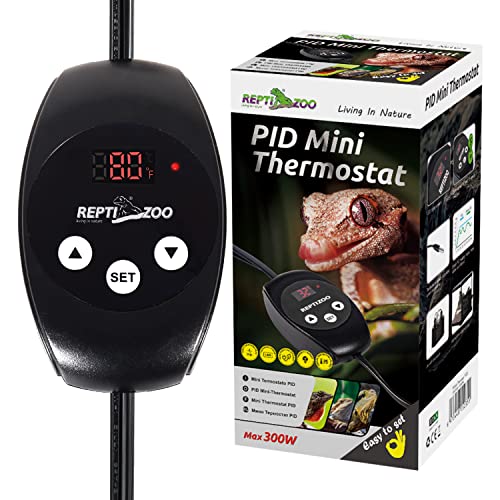
Reptile Proportional Thermostat
Mandatory safety device for all heating elements -- prevents dangerous temperature spikes that can fatally overheat a blood python
Check Price on AmazonCoconut Fiber Substrate (Bulk)
The primary component of the ideal blood python substrate mix -- holds moisture for days and maintains the 90%+ humidity blood pythons require
Check Price on Amazon
Sphagnum Moss for Reptile Terrariums
Mixed with coconut fiber to create the moisture-retentive substrate blood pythons need; also used to fill moist hides
Check Price on AmazonAutomatic Reptile Misting System
Automates the frequent misting required to maintain 90%+ humidity -- eliminates the most labor-intensive part of blood python maintenance
Check Price on Amazon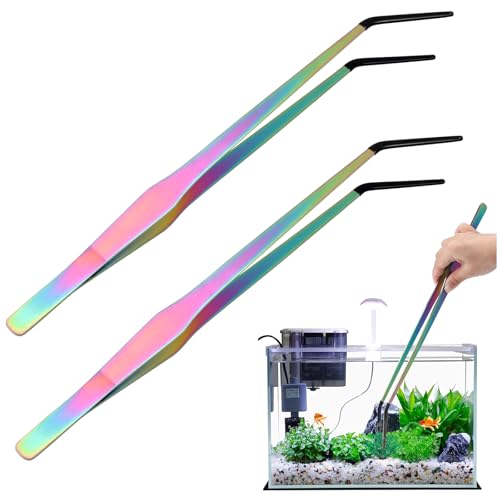
Long Reptile Feeding Tongs
Essential for presenting pre-killed prey safely -- keeps hands away from the strike zone of a feeding-response blood python and prevents hand-feeding association
Check Price on AmazonFrequently Asked Questions
No -- blood pythons are defensive, not aggressive. Wild-caught and improperly acclimated animals may strike frequently, but captive-bred blood pythons kept at correct humidity and temperature typically become calm, manageable animals with consistent, patient handling. The reputation for being mean is almost entirely a husbandry problem, not a genetic one.
References & Sources
Related Articles

Axanthic Ball Python: 5 Lines, Genetics & Prices
Axanthic ball pythons compared by all 5 genetic lines — VPI, TSK, Jolliff, Snake Keeper, Marcus Jayne — with pricing, combos, browning-out explained, and buyer tips.

Ball Python Humidity Guide: Get It Right Every Time
Master ball python humidity with this complete guide. Learn ideal levels, how to measure them, and fix common problems to keep your snake healthy.

Carpet Python Care Guide: Which Subspecies Is Right for You?
Carpet pythons come in six recognized subspecies — jungle, coastal, diamond, Centralian, Irian Jaya, and Bredl’s — each with different sizes, temperaments, and humidity needs. This guide helps you pick the right one and keep it thriving.