Best Bedding for Bearded Dragons: A Keeper's Guide
Discover the best bedding for bearded dragons, from safe solid substrates to naturalistic loose options. We break down the pros and cons to keep your dragon healthy.


This article contains affiliate links. If you make a purchase through these links, we may earn a small commission at no extra cost to you. See our affiliate disclosure for details.
We recommend 7 picks here. Our top choice is the Slate or Ceramic Tile — check price and availability below.
How we choose: we compare published specifications against the care requirements in veterinary and species-care literature, and weigh those against what long-time keepers report. We do not test products ourselves and we do not restate Amazon star ratings. The 6 sources behind this article are listed at the bottom.
Quick Comparison
- Impaction Risk
- None (solid)
- Enrichment Value
- None - no digging
- Ease of Cleaning
- Very Easy - wipe down
- Natural Feel
- No - hard surface
- Price Range
- Moderate ($$)
- Best For
- Permanent safe solid option
- Impaction Risk
- None (solid)
- Enrichment Value
- Very Low
- Ease of Cleaning
- Very Easy - daily replacement
- Natural Feel
- No - clinical
- Price Range
- Very Low ($)
- Best For
- Babies & quarantine only
- Impaction Risk
- None (solid)
- Enrichment Value
- Very Low
- Ease of Cleaning
- Difficult - poor disinfection
- Natural Feel
- No - artificial
- Price Range
- Moderate ($$)
- Best For
- Not recommended - avoid
- Impaction Risk
- None (solid)
- Enrichment Value
- Very Low
- Ease of Cleaning
- Easy - wipe clean
- Natural Feel
- No - artificial
- Price Range
- Moderate ($$)
- Best For
- Solid alternative to carpet
- Impaction Risk
- Low (loose)
- Enrichment Value
- High - allows burrowing
- Ease of Cleaning
- Moderate - spot-clean daily
- Natural Feel
- Yes - mimics desert
- Price Range
- Very Low ($)
- Best For
- Gold-standard adult substrate
- Impaction Risk
- Low (loose)
- Enrichment Value
- High - allows burrowing
- Ease of Cleaning
- Moderate - spot-clean daily
- Natural Feel
- Yes - mimics desert
- Price Range
- Very Low ($)
- Best For
- Gold-standard adult substrate
- Impaction Risk
- Low (loose/bioactive)
- Enrichment Value
- Very High - complex ecosystem
- Ease of Cleaning
- Very Easy - self-cleaning ecosystem
- Natural Feel
- Yes - highly naturalistic
- Price Range
- Moderate to High ($$)
- Best For
- Bioactive advanced setup
Prices are estimates only. Actual prices on Amazon may vary.
Choosing the right bedding for your bearded dragon is one of the most debated topics in the reptile community. Walk into any pet store, and you'll see dozens of options, from sand and soil to carpets and tiles. It's overwhelming, and making the wrong choice can have serious consequences for your pet's health.
As a long-time keeper and herpetological specialist, I've seen it all. I’ve helped owners deal with the fallout from dangerous substrates and celebrated the positive changes that come from switching to a safe, appropriate bedding. The substrate isn't just the floor of the enclosure; it's a critical part of your dragon's environment that affects their health, enrichment, and overall well-being.
This guide will cut through the noise. We'll explore the pros and cons of the most common options, bust some dangerous myths (especially about sand!), and give you the confidence to choose the absolute best bedding for your bearded dragon.
Why Substrate Matters More Than You Think
Your bearded dragon's substrate directly impacts several key areas of its life:
- Health and Safety: The wrong substrate can cause impaction, a life-threatening blockage of the digestive tract. It can also harbor harmful bacteria, leading to respiratory infections or scale rot.
- Natural Behaviors: In the wild, bearded dragons are terrestrial, living in arid to semi-arid woodlands and deserts in Australia. They dig burrows to escape the heat, lay eggs, and feel secure. A proper substrate allows them to express these natural behaviors, which is crucial for their mental and physical stimulation.
- Joint Health: A floor that is too hard or slippery can cause stress on your dragon's joints over time, potentially leading to issues as they age. A substrate with some give is more forgiving on their body.
- Hygiene and Maintenance: The bedding you choose will determine your cleaning schedule. Some are easy to spot-clean daily, while others require complete, frequent replacement, and some can even become self-cleaning bioactive systems.
Getting the substrate right is a cornerstone of responsible bearded dragon care. It's just as important as proper lighting, temperature, and diet. Proper husbandry is a system where every part works together, and a healthy dragon is better equipped to handle the small risks associated with a more natural environment.
Why Substrate Matters
What you need to know
Wrong substrate causes impaction (life-threatening digestive blockage), respiratory infections, and scale rot
Proper substrate enables natural burrowing and nesting behaviors critical for mental and physical stimulation
A softer substrate with cushioning reduces joint stress and prevents long-term joint problems
Bedding choice determines cleaning frequency—from spot-cleaning daily to bioactive self-maintaining systems
Solid Substrate (Tile, Paper) vs Loose Substrate (Soil/Sand Mix)
Side-by-side comparison
| Feature | Solid Substrate (Tile, Paper) | Loose Substrate (Soil/Sand Mix) |
|---|---|---|
| Impaction Risk | ★Zero | Low with proper husbandry |
| Enrichment | Very Low | ★High (allows digging/burrowing) |
| Cleaning | ★Easy to spot-clean and disinfect | Requires spot-cleaning and periodic changing |
| Natural Feel | No, can be hard on joints | ★Yes, mimics natural environment |
| Upfront Cost | Can be higher (tile) or very low (paper) | Moderate |
| Best For | Babies, sick dragons, quarantine | Healthy adult dragons |
Our Take: Solid substrates prioritize safety, while loose substrates provide enrichment—choose based on your dragon's age and health status.
Top Solid Substrate Picks
Quick recommendations
Best-in-class solid substrate. Rough texture provides grip, absorbs and distributes basking heat, lasts forever, and is easy to clean. Available cheaply from hardware stores.
Sterile, cheap, and allows easy monitoring of feces and urates. Ultimate quarantine and baby dragon substrate, though requires daily replacement.
Detailed Reviews
1. Slate or Ceramic Tile
Best Overall
Slate or Ceramic Tile
Pros
- •Zero impaction risk
- •Absorbs and distributes heat beautifully from basking lamp
- •Easy to clean and disinfect
- •Lasts forever
- •Textured varieties provide grip
Cons
- •Unnatural - doesn't allow digging behaviors
- •No enrichment value
- •Hard on joints with no cushioning
- •Glossy/smooth tiles are too slippery
Bottom Line
The best-in-class solid substrate option. Choose textured varieties for grip and excellent heat distribution from basking lamps.
2. Paper Towels
Best for Beginners
Paper Towels
Pros
- •Sterile and hospital-clean
- •Very cheap
- •Easy to monitor feces and urates for illness signs
- •Perfect for first weeks with babies
Cons
- •Not permanent - must replace daily
- •Looks clinical and unnatural
- •No enrichment value
- •Labor-intensive for long-term use
Bottom Line
The ultimate quarantine and baby dragon substrate. Sterile and hygienic with easy health monitoring, but requires daily replacement.
3. Reptile Carpet
Not Recommended
Reptile Carpet
Pros
- •Readily available in pet stores
- •Initially easy to wipe down
Cons
- •Loops snag and injure dragon toenails
- •Breeding ground for harmful bacteria
- •Notoriously difficult to truly disinfect even with washing
- •Poor long-term hygiene outcomes
Bottom Line
A popular but poor substrate choice with serious safety concerns. Loops snag toenails and harbor bacteria that are nearly impossible to disinfect.
4. Vinyl or Linoleum Flooring
Runner Up
Vinyl or Linoleum Flooring
Pros
- •Easy to clean and wipe
- •Better hygiene than carpet
- •Step up from reptile carpet
Cons
- •Still a solid substrate with zero enrichment
- •Must ensure no adhesive backing (toxic fumes when heated)
- •Unnatural for bearded dragons
Bottom Line
A solid substrate alternative to carpet that's easier to maintain. Must use adhesive-free varieties to avoid toxic heating fumes.
5. Scotts Premium Topsoil
Best Value
Scotts Premium Topsoil
Pros
- •100% organic - no pesticides or herbicides
- •Holds moisture needed for burrowing
- •Provides structural integrity for burrows
- •Very affordable
- •Part of expert-recommended gold-standard mix
Cons
- •Must be combined with sand for proper texture
- •Requires correct moisture level for optimal burrowing
- •Higher maintenance than solid substrates
- •Needs periodic spot-cleaning
Bottom Line
Essential organic topsoil component for the gold-standard 50/50 DIY substrate mix. Must be certified organic to ensure no pesticides or chemical fertilizers.
6. Quikrete Play Sand
Best Value
Quikrete Play Sand
Pros
- •Washed and screened for safety
- •Made for children's use - extremely safe
- •Provides proper drainage and texture
- •Mimics natural desert environment
- •Very affordable
- •Part of expert-recommended gold-standard mix
Cons
- •Must be combined with topsoil for proper structure
- •Can be dusty if maintenance is poor
- •Requires spot-cleaning and periodic refreshing
Bottom Line
Washed and screened play sand designed for children's sandboxes, making it exceptionally safe. Essential second component of the gold-standard DIY substrate mix.
7. The Bio Dude's Terra Sahara
Premium Pick
The Bio Dude's Terra Sahara
Pros
- •True bioactive ecosystem with living cleanup crew
- •Self-cleaning through natural decomposition
- •Unparalleled enrichment and naturalistic feel
- •Incredibly rewarding and complex environment
- •Next level of naturalistic dragon keeping
Cons
- •Significantly more work to set up initially
- •More expensive than DIY topsoil/sand mix
- •Requires ongoing ecosystem management
- •Needs more husbandry knowledge to maintain properly
Bottom Line
A premium bioactive substrate system with built-in cleanup crew ecosystem. Creates a self-cleaning miniature environment with isopods and springtails.
The Great Debate: Solid vs. Loose Substrates
Bearded dragon bedding falls into two main categories: solid and loose. Each has its passionate defenders, but the best choice depends on your dragon's age, your comfort level, and your husbandry practices.
| Feature | Solid Substrate (e.g., Tile, Paper) | Loose Substrate (e.g., Soil/Sand Mix) |
|---|---|---|
| Impaction Risk | Zero | Low (with proper husbandry) |
| Enrichment | Very Low | High (allows digging/burrowing) |
| Cleaning | Easy to spot-clean and disinfect | Requires spot-cleaning and periodic changing |
| Natural Feel | No, can be hard on joints | Yes, mimics their natural environment |
| Upfront Cost | Can be higher (tile) or very low (paper) | Moderate |
| Best For | Babies, sick dragons, quarantine | Healthy adult dragons |
Let's break down the options within each category.
Solid Substrates: The Safe & Simple Choice
Solid substrates are non-particulate, meaning the dragon can't ingest them. This makes them the safest option from an impaction standpoint, especially for new owners, very young dragons, or sick animals.
Pros for solid substrate:
- Zero impaction risk: The biggest selling point.
- Easy to clean: Wiping down a solid surface is simple.
- Hygienic: Non-porous surfaces are less likely to harbor bacteria and parasites.
Cons for solid substrate:
- Unnatural: Does not allow for digging, a key natural behavior.
- Lack of enrichment: Can lead to a bored and inactive dragon.
- Hard on joints: Surfaces like tile provide no cushion.
- Can be slippery: May cause difficulty for your dragon to get a good grip.
Top Solid Substrate Options
1. Slate or Ceramic Tile: This is the best-in-class for solid substrates. Choose a tile with a rough, natural texture to provide grip. Avoid glossy, smooth tiles which are far too slippery. Slate is fantastic because it absorbs and distributes heat from your basking lamp, creating a wonderful warm spot for your dragon.
(Estimates only — actual prices on Amazon may vary.) You can often get natural slate tiles from a hardware store for a reasonable price. They are heavy, but they last forever and are incredibly easy to clean.
2. Paper Towels: The ultimate quarantine and baby dragon substrate. They are sterile, cheap, and make it incredibly easy to monitor your dragon's feces and urates for any sign of illness. The downside is that they are not a permanent solution—they look clinical and must be replaced daily.
3. Substrates to Use with Caution (or Avoid):
- Reptile Carpet: While sold everywhere, reptile carpet is a poor choice. The loops can snag your dragon's toenails, potentially causing serious injury. Even more concerning, they are a breeding ground for bacteria. They are notoriously difficult to truly clean and disinfect, even with washing. If you must use it, have at least two pieces to swap out during a thorough weekly cleaning.
- Vinyl/Linoleum: A step up from carpet, shelf liners or vinyl flooring are easy to clean. However, you must ensure there is no adhesive backing, as the fumes from heating can be toxic.
Loose Substrates: Replicating Their Natural World
For a healthy, adult bearded dragon, a suitable loose substrate is the superior choice for promoting natural behavior and enrichment. The key word here is suitable. The fear of impaction has unfortunately pushed many keepers towards sterile, unnatural environments, but modern reptile science supports the use of safe, naturalistic substrates.
The Truth About Impaction
Before we discuss options, let's tackle the biggest fear: impaction. While any loose particle can technically be ingested, impaction is rarely caused by the substrate alone. According to experts at ReptiFiles and other veterinary sources, impaction is primarily a symptom of improper husbandry. A healthy, well-hydrated dragon with correct basking temperatures (95-105°F for adults) and a proper diet will have a strong digestive system capable of passing small amounts of substrate.
Impaction becomes a real danger when husbandry is off. Low temperatures, dehydration, or a lack of proper supplementation can weaken the digestive system, making it unable to pass foreign material. For a deep dive on how to keep your dragon's system running strong, check out our guide to the best supplements for bearded dragons. The takeaway is this: fix the husbandry, not just the substrate.
Pros for loose substrate:
- Excellent for enrichment: Allows for digging, burrowing, and foraging.
- Promotes healthy joints: A softer surface is easier on their bodies.
- Looks natural and aesthetically pleasing.
- Can support a bioactive ecosystem.
Cons for loose substrate:
- Incorrect types can cause impaction.
- Can be dusty if not maintained properly.
- Higher maintenance to keep clean.
Best Loose Substrate Options
1. DIY Mix (The Gold Standard): The most widely recommended substrate by modern experts is a 50/50 mix of organic topsoil and washed playsand.
- Organic Topsoil: Provides structure and holds moisture for burrowing. It MUST be organic, meaning it contains no pesticides, herbicides, or chemical fertilizers. A bag of [Scotts Premium Topsoil](https://www.amazon.com/dp/B01N38GC3B?tag=krawlo-20 is a great starting point.
- Washed Playsand: Provides texture and drainage, mimicking their natural environment. It should be washed and screened, like Quikrete Play Sand, which is made for children's sandboxes.
To prepare this mix, simply combine equal parts in a large bucket and add a small amount of water until it can just hold its shape when squeezed. You want it to be firm enough for a burrow, not a muddy mess. Spread a 4-6 inch layer in the enclosure.
2. Bioactive Substrate: Going bioactive is the next level of naturalistic keeping. It involves using a specific substrate mix, like [The Bio Dude's Terra Sahara](https://www.amazon.com/dp/B07Z5CJ573?tag=krawlo-20 and introducing a 'cleanup crew' (isopods and springtails). These tiny invertebrates live in the soil and consume your dragon's waste, creating a self-cleaning miniature ecosystem. It's more work to set up initially but is incredibly rewarding and provides unparalleled enrichment.
Substrate Options That Are Not Recommended
This is arguably the most important section. Using the wrong substrate can be deadly. NEVER use the following:
- Calcium Sand / Vitamin Sand: This is the worst offender. It's often dyed bright colors and marketed as beneficial because it contains calcium. This actively encourages your dragon to eat it, and it has a tendency to clump when wet, leading to a high risk of severe impaction. Get calcium into your dragon through diet, not bedding.
- Crushed Walnut Shells or Wood Chips: These materials are sharp and indigestible. They pose a huge risk for both internal perforation and impaction.
- Coconut Fiber / Coir (as a standalone): While a great substrate for tropical reptiles, coconut fiber is not ideal for bearded dragons. When dry, it's incredibly dusty and can cause respiratory infections. When wet, it holds too much humidity, creating an environment that's too damp for an arid species and can lead to scale rot.
- Alfalfa Pellets: These can mold quickly when wet and may cause digestive issues if eaten in large quantities.
- Gravel or Pebbles: Too large to pass, posing a major impaction risk.
So, What's The Best Substrate For Bearded Dragons?
After reviewing all the evidence and drawing on years of experience, here is my definitive recommendation:
-
For Baby/Juvenile Dragons (under 6-8 months) or Sick Dragons: Use a solid substrate. Paper towels are perfect for the first few weeks, followed by textured slate tile for a more permanent, safe, and clean environment.
-
For Healthy Adult Dragons: A DIY mix of 50% organic topsoil and 50% washed playsand is the gold standard. It provides critical enrichment, allows for natural behaviors, is safe with proper husbandry, and looks fantastic.
Ultimately, you know your animal and your own capabilities best. If you are diligent about maintaining temperatures, hydration, and diet, your adult dragon will thrive on a loose substrate. Knowing how long bearded dragons live, providing them with an enriching environment from adulthood onward is one of the best things you can do for their long-term welfare. If you prefer the peace of mind and easy cleanup of a solid surface, textured slate tile is a safe and effective choice.
By avoiding dangerous products and matching the substrate to your dragon's needs, you are setting them up for a long, healthy, and happy life.
Our Final Verdict
Slate or Ceramic Tile
The best-in-class solid substrate option. Choose textured varieties for grip and excellent heat distribution from basking lamps.

Paper Towels
The ultimate quarantine and baby dragon substrate. Sterile and hygienic with easy health monitoring, but requires daily replacement.
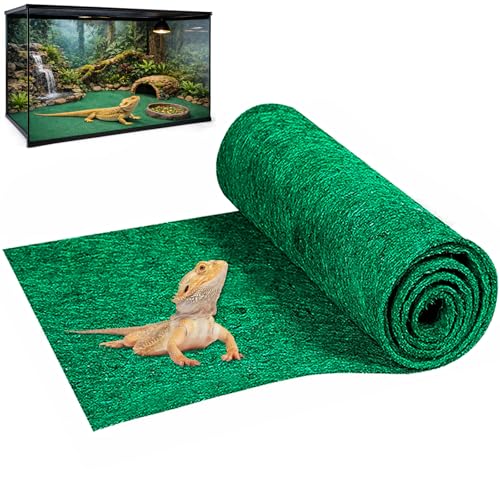
Reptile Carpet
A popular but poor substrate choice with serious safety concerns. Loops snag toenails and harbor bacteria that are nearly impossible to disinfect.
Frequently Asked Questions
For most healthy adult bearded dragons, the best bedding is a 50/50 mix of organic topsoil and washed playsand. This allows for natural digging and enrichment. For baby dragons or those in quarantine, the safest option is a solid substrate like paper towels or textured slate tile to eliminate any risk of ingestion.
References & Sources
- https://reptifiles.com/bearded-dragon-care/bearded-dragon-substrate-housing/
- https://www.zenhabitats.com/blogs/reptile-care-sheets-resources/bearded-dragon-complete-substrate-guide?srsltid=AfmBOory8jZ5CCUL8_1N2o04TfhJdkGXiGOzr5sbQM1C0arsRDcwxxOC
- https://www.thebiodude.com/blogs/lizard-caresheets/bearded-dragon-bioactive-care-and-maintenance?srsltid=AfmBOor-f_SDpBSFX9wR06BhGKTsLxZfGEF1a4lYuoN_bYkihH4xh43-
- https://healthtopics.vetmed.ucdavis.edu/health-topics/exotics/bearded-dragon-care
- https://www.petmd.com/reptile/bearded-dragon-care-sheet
- https://www.thesprucepets.com/bedding-and-substrate-options-for-pet-reptiles-1239410
Related Articles

Best Protein for Bearded Dragons: Your Complete Feeding Guide
Discover the best protein sources for your bearded dragon! Learn which feeder insects are healthiest, how often to feed them, and tips for a balanced, nutritious diet.

Best Fruit for Bearded Dragons: A Complete Feeding Guide
Wondering what the best fruit for bearded dragons is? Our expert guide covers the safest fruits to feed as treats, which to avoid, and how to prepare them.

Can Bearded Dragons Eat Lettuce? Best and Worst Types
Can bearded dragons eat lettuce? Compare romaine, butter, iceberg, and safer everyday greens, with serving advice for adult and baby bearded dragons.