Recognizing Bearded Dragon Eye Infection Symptoms
Learn how to identify and treat bearded dragon eye infection symptoms early so you can keep your pet healthy, comfortable, and thriving at home.


✓Recommended Gear
TL;DR: Bearded dragon eye infections show up as discharge, swelling, redness, cloudy eyes, or frequent eye rubbing — often alongside lethargy or appetite loss. Mild irritation can be soothed with a warm saline rinse, but a true infection needs a vet diagnosis and prescription treatment. Don't use human eye drops without vet guidance.
Introduction
Bearded dragons are popular pets. They're friendly, hardy, and fairly straightforward to keep. But like any animal, they can get sick.
Eye infections are one of the more common problems owners run into. They can range from minor irritation to serious infections that need immediate medical attention.
The good news is that catching symptoms early usually leads to a full recovery. This guide covers everything — from what healthy eyes look like, to spotting the warning signs, to getting your dragon the treatment it needs.
What Healthy Bearded Dragon Eyes Look Like
Before you can spot a problem, you need to know what normal looks like.
Healthy bearded dragon eyes are bright, clear, and fully open during the day. The pupils are dark and respond quickly to light. There's no discharge, crust, or swelling around the eyelids.
Your dragon should track movement easily and react to things in its environment. If the eyes look dull, half-closed, sunken, or swollen, something needs attention.
Both eyes should look symmetrical. If one looks different from the other, that's often the first sign something is wrong.
Bearded Dragon Eye Infection Symptoms to Watch For
Here are the main warning signs. Some appear quickly. Others build over several days.
Discharge or Crust Around the Eye
Discharge is often the first sign of trouble. You might see a watery, yellow, or thick fluid around one or both eyes. Over time, it dries into a crust along the eyelid edge.
A small amount of clear discharge right after your dragon wakes up can be normal. But persistent discharge — especially if it's yellow, green, or cloudy — needs attention.
Don't try to pull crust off when it's dry. Soften it first with a warm, damp cloth before gently wiping.
Swollen or Puffy Eyelids
Puffy eyelids are a sign of inflammation. The skin around the eye may look red and irritated. In serious cases, the eye may swell completely shut.
If the eye swells shut, don't try to force it open. You could cause more damage. Get to a vet quickly.
Redness in the Tissue Around the Eye
Redness in the skin or tissue around the eye signals irritation or infection. It can come from bacteria, a foreign object, or poor husbandry. If it doesn't clear up in 24 hours with basic care, call your vet.
Cloudy or Hazy Eyes
Healthy dragon eyes are clear and bright. A white, blue, or gray haze over the eye isn't normal.
Cloudiness can come from several things — infection, injury, or a retained eye cap from shedding. Retained caps happen when the thin skin over the eye doesn't shed properly. The trapped moisture becomes a breeding ground for bacteria.
Frequent Eye Rubbing
If your dragon keeps rubbing its eye against decor, the enclosure wall, or the ground, it's uncomfortable. This usually means something is irritating the eye — a particle of substrate, a scratch, or early-stage inflammation.
Rubbing makes things worse. It can introduce more bacteria and scratch the surface of the eye further.
One Eye Closed or Half-Open
A dragon holding one eye shut is usually in pain or discomfort. This is often one of the first things owners notice.
It can also mean your dragon is sensitive to light, which can happen when an eye is infected or injured.
Lethargy and Loss of Appetite
Infections make your dragon feel unwell overall. You might notice it's less active, ignoring food, or sitting in one spot for hours. These signs suggest the problem is more than superficial.
If your dragon stops eating for more than two or three days, don't wait — call your vet.
Behavioral Changes
Some dragons become defensive or reclusive when they're in pain. If your usually friendly dragon is hiding more or reacting badly to handling, factor that into your overall assessment. Pain changes behavior.
What Causes Eye Infections in Bearded Dragons?
Knowing the cause helps you treat it — and stop it from coming back.
Bacterial Infections
Bacteria are the most common culprit. Pseudomonas, Staphylococcus, and other environmental bacteria can enter the eye through a tiny scratch or area of irritation. Once inside, they multiply fast and cause swelling and discharge.
Dragons kept in dirty enclosures are at much higher risk. Bacteria thrive in warm, waste-filled environments.
Loose Substrate in the Eye
Loose substrate — sand, coconut fiber, bark chips — can get into your dragon's eye during feeding, digging, or just moving around. These particles scratch the surface of the eye. Scratches let bacteria in.
Switching to a solid substrate removes this risk almost completely. The Zilla Reptile Terrarium Bedding Substrate Liner is one of the easiest changes you can make. It's flat, washable, and eliminates the particle problem entirely.
Fungal Infections
Fungal infections are less common but can happen in enclosures with too much humidity or poor airflow. They tend to be harder to treat than bacterial infections and often need specific antifungal medication from a vet.
Very Low Humidity
Bearded dragons come from arid environments, but their eyes still need adequate moisture. If humidity drops too low, the membranes around the eyes dry out. Dry membranes are more vulnerable to irritation and infection.
Aim to keep the enclosure between 30–40% humidity. Use a digital hygrometer to track it accurately.
Dirty Enclosures and Ammonia Buildup
Old waste releases ammonia. Ammonia irritates the eyes and mucous membranes. Over time, chronic exposure weakens the eye's natural defenses.
Spot-clean every day. Do a full enclosure clean — removing all decor, scrubbing surfaces — at least once a week.
Vitamin A Deficiency
This is one of the most common nutritional causes of eye problems in bearded dragons. Vitamin A keeps the eyes, skin, and immune system healthy. Without enough of it, the eyes swell, crust over, and become prone to infection.
A varied diet helps prevent deficiency. Dark leafy greens like collard greens, dandelion greens, and mustard greens are high in beta-carotene, which your dragon converts to vitamin A.
You can also use a supplement. Fluker's Repta-Vitamin Supplement with Beta Carotene is a popular option. Beta-carotene is safer than preformed vitamin A because the body only converts what it needs — so there's much less risk of toxicity from over-supplementation.
Parasites
Mites and other external parasites can irritate the area around the eyes. This is less common but worth checking if other causes don't seem to apply.
Physical Injuries
A scratch from rough decor, a sharp rock, or even an aggressive feeder cricket can injure the eye. Small injuries become infected quickly. Check your enclosure regularly for anything that could cut or scratch your dragon.
Is Your Enclosure Causing the Problem?
Before you treat the eye, take a hard look at the setup. Many eye infections in captive dragons trace back to husbandry issues. You need to fix the environment alongside treating the infection — otherwise it'll likely come back.
Check out our complete bearded dragon care guide for a full breakdown of enclosure setup, UVB lighting, feeding schedules, and health monitoring.
Run through this quick checklist:
- Substrate: Using loose sand or bark? Switch to a solid liner or tile.
- Humidity: Is it staying between 30–40%? Too low dries out eyes. Too high promotes fungal growth.
- UVB lighting: Is it positioned correctly and replaced on schedule (every 6–12 months)?
- Cleanliness: When did you last deep clean the tank?
- Diet: Is your dragon getting enough vitamin A from dark leafy greens?
- Decor: Any sharp edges or rough surfaces near eye level?
If you find a problem in any of these areas, fix it now. Don't wait until the infection clears.
How to Do a Saline Eye Rinse at Home
If you notice mild eye irritation — no discharge, no swelling — a gentle saline rinse can help.
Step 1: Prepare the water. Use distilled or conditioned tap water. Zoo Med ReptiSafe Water Conditioner removes chlorine and chloramines, making tap water safe for eye rinses. Never use untreated tap water — the chemicals can add to the irritation.
Step 2: Warm it slightly. Aim for around 75–80°F (24–27°C). Cold water startles dragons and makes them less cooperative.
Step 3: Apply gently. Use a dropper or clean soft cloth. Place a few drops near the inner corner of the eye. Don't force the eye open.
Step 4: Let your dragon blink. Hold it calmly and let it blink naturally. The solution will flush out debris as the eye moves.
Step 5: Repeat once or twice a day. Continue for 24–48 hours. If there's no improvement, stop home treatment and contact a vet.
For keeping the area around the eye clean between vet visits, Vetericyn Plus Reptile Wound & Skin Care Spray is a gentle antimicrobial option. It's formulated to be safe on reptile skin and eyes, and it helps reduce surface irritation without stinging.
Important: Never use human eye drops, contact lens solution, or any medicated drops without direct guidance from a reptile vet. Even products labeled "natural" or "gentle" can harm your dragon if not vet-approved for reptile use.
When You Must See a Reptile Vet
Some situations call for immediate professional care. Don't wait if you notice any of the following:
- The eye is swollen shut — this may be a serious infection or abscess forming inside the eyelid
- Yellow or green discharge — almost always means bacterial infection
- Cloudiness that doesn't clear in 24 hours — may be a deeper infection or retained eye cap
- No improvement after 48 hours of home care — escalate to the vet
- Both eyes are affected — can signal a systemic problem, not just a local one
- Your dragon won't eat for more than two days — the infection may be spreading or causing significant pain
- Rapid worsening — some infections progress fast; don't delay
To find a qualified specialist near you, the Association of Reptilian and Amphibian Veterinarians (ARAV) maintains a searchable vet directory at arav.org. Look for vets with exotic or reptile experience — a general vet may not have the knowledge or equipment to accurately diagnose bearded dragon eye conditions.
What Happens at the Vet
Knowing what to expect makes the visit less stressful for you and your dragon.
Physical Examination
The vet will look closely at both eyes, often with a magnifying light or slit lamp. They'll check for surface scratches, retained eye caps, swelling inside the eyelid, and signs of infection.
Diagnostic Testing
If the cause isn't obvious, the vet may take a swab of the eye discharge and culture it in a lab. This identifies the specific bacteria or fungus and helps them choose the right medication.
Treatment Options
Based on their findings, the vet might recommend:
- Topical antibiotic eye drops or ointment: The most common treatment for bacterial infections.
- Oral antibiotics: Used when the infection is more widespread.
- Antifungal medication: For confirmed fungal infections, usually applied topically.
- Vitamin A supplementation: If deficiency is confirmed, the vet may give an injection for faster correction.
- Surgical drainage: For serious abscesses, the vet may need to drain or remove infected material.
Always finish the full course of medication. Stopping early — even when the eye looks better — lets resistant bacteria survive, which leads to a harder-to-treat relapse.
Treating Vitamin A Deficiency
If the vet confirms vitamin A deficiency, you need to address the root cause, not just the symptoms.
Start with the diet. Add more vitamin-rich vegetables. Good options include collard greens, dandelion greens, mustard greens, butternut squash, and red bell peppers. Rotate through different options each week.
Be careful with preformed vitamin A (retinol) supplements. Too much retinol is toxic to bearded dragons. Beta-carotene supplements are safer because the body converts only what it needs.
For a solid veterinary-backed breakdown of bearded dragon nutritional needs, the VCA Animal Hospitals bearded dragon care page is worth reading. It covers dietary requirements from a clinical perspective.
How to Prevent Eye Infections
Most eye infections in captive bearded dragons are preventable. Here's what actually works.
Switch to Solid Substrate
Loose substrate is the single biggest environmental cause of eye injuries. Switch to reptile mat, ceramic tile, or paper towels. These surfaces don't create particles that can enter your dragon's eyes.
Keep the Enclosure Clean
Bacteria multiply fast in a dirty enclosure. Spot-clean every day. Do a full clean at least once a week — remove all decor, scrub surfaces with a reptile-safe disinfectant, and replace any substrate.
Feed a Varied Diet
Don't rely on one or two vegetables. Rotate through at least four or five different greens and vegetables each week. Offer a variety of gut-loaded insects. A varied diet naturally covers vitamin A requirements and supports a strong immune system.
Maintain Correct Lighting
UVB light is essential. Without it, dragons can't process calcium properly, and their overall health declines — including immune function. Make sure the UVB bulb is positioned correctly and replace it on schedule even if it still appears to work.
Inspect for Sharp Edges
Check all rocks, branches, and hides regularly. Edges can become sharp through normal use. A small cut near the eye introduces bacteria quickly.
Monitor During Shedding
Eye problems often flare up during shedding. If the thin skin cap over the eye doesn't shed properly, it can trap moisture and bacteria underneath.
If your dragon struggles to shed around the eyes, a warm soak can help loosen retained caps. Place your dragon in shallow, warm water (around 85–90°F) for 15–20 minutes. If the cap still doesn't come off on its own, see a vet — don't try to remove it with tweezers or fingernails.
For more on shedding difficulties, our guide to reptile shedding problems covers the most common issues and how to manage them safely.
Schedule Annual Vet Checkups
Annual wellness exams catch problems before they become serious. A reptile vet can spot early signs of infection, nutritional deficiency, or parasites that aren't obvious to owners. Prevention is always cheaper and easier than treatment.
Isolation and Contagion Risk
If you keep multiple reptiles, isolate any dragon showing eye symptoms immediately.
Some bacterial infections are contagious. They can spread through shared water bowls, handling with unwashed hands, or contaminated surfaces. Put the affected dragon in a separate clean enclosure. Wash your hands thoroughly after handling it.
Disinfect any equipment that may have come into contact with the sick dragon — feeders, water dishes, cleaning tools, and anything else shared between animals.
Recovery: What to Expect
With proper treatment, most mild eye infections clear up within one to two weeks. Severe infections, abscesses, or complications from vitamin A deficiency can take three to four weeks or more.
During recovery:
- Keep the enclosure clean and minimize stress
- Reduce handling to only what's necessary for medication
- Make sure temperatures and lighting are correct — optimal conditions support the immune system
- Take photos every few days to track changes and show your vet
- Report any worsening immediately rather than waiting for the next scheduled visit
Your dragon may eat less during recovery. As long as it's drinking and not rapidly losing weight, some appetite reduction is normal. If it stops eating entirely for more than three days, call your vet.
Quick Reference: Symptoms, Causes, and Actions
| Symptom | Likely Cause | Action |
|---|---|---|
| Watery clear discharge | Mild irritation | Saline rinse, monitor closely |
| Yellow or green discharge | Bacterial infection | Vet immediately |
| Swollen shut | Severe infection or abscess | Vet immediately |
| Cloudy or hazy eye | Infection, retained cap, injury | Vet if no change in 24 hours |
| Frequent eye rubbing | Foreign particle or irritation | Rinse eye, check substrate |
| Crusty eyelid | Dried discharge or vitamin deficiency | Warm rinse, review diet |
| One eye closed | Pain or light sensitivity | Vet if no improvement in 24 hours |
| Both eyes affected | Systemic infection or deficiency | Vet same day |
References
- Association of Reptilian and Amphibian Veterinarians. Find a Reptile Vet. ARAV.
- VCA Animal Hospitals. Bearded Dragons: Feeding. VCA Hospitals.
Ready to protect your bearded dragon's eye health? Shop the vet-recommended supplies our team trusts — safe substrates, vitamin supplements, and gentle wound care — all on Amazon with no extra cost to you.
Recommended Gear
Vetericyn Plus Reptile Wound & Skin Care Spray
This gentle antimicrobial spray is safe for reptile skin and eyes. It helps reduce irritation and can rinse away discharge without stinging your dragon.
Check Price on Amazon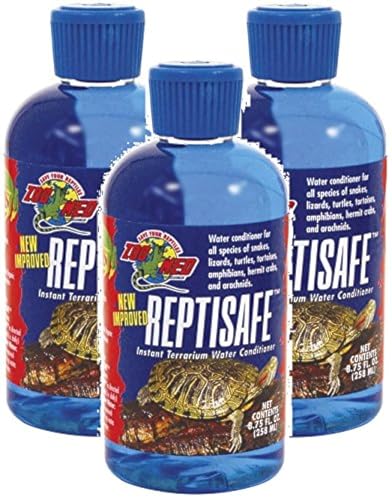
Zoo Med ReptiSafe Water Conditioner
ReptiSafe removes harmful chlorine and chloramines from tap water. Using conditioned water for eye rinses reduces the chance of further irritation or chemical exposure.
Check Price on AmazonFluker's Repta-Vitamin Supplement with Beta Carotene
This supplement provides beta carotene, a safe precursor to vitamin A. Regular use supports your dragon's immune system and reduces the risk of eye and skin problems.
Check Price on Amazon
Zoo Med ReptiTherm Under Tank Heater
Proper temperatures support your dragon's immune function. A stable warm environment helps prevent the stress-related health issues that can lead to eye infections.
Check Price on AmazonZilla Reptile Terrarium Bedding Substrate Liner
Substrate liners eliminate the risk of loose particles getting into your dragon's eyes. They're easy to clean and help maintain a hygienic enclosure environment.
Check Price on AmazonFrequently Asked Questions
Look for discharge, swelling, redness, cloudy eyes, or frequent eye rubbing. Your dragon may also seem lethargic or stop eating. If you notice any of these signs, consult a reptile vet as soon as possible.
References & Sources
Related Articles

Crested Gecko Respiratory Infection: 7 Warning Signs
Learn seven crested gecko respiratory infection warning signs, including unusual breathing, mucus, lethargy, and when your gecko needs a reptile veterinarian.

Red Bearded Dragon Morphs: Genetics, Price & Care
Red bearded dragon morphs: genetics behind true reds, price tiers by intensity, how to spot photo-enhanced fakes, and diet tips that deepen natural color.

Leatherback Bearded Dragon: Morph Guide, Genetics & Care
Leatherback bearded dragons: co-dominant genetics explained, why they need extra UVB protection, price tiers by color combination, and a complete buyer's ID checklist.