Amazon Parrots: Complete Care Guide for New Owners
Amazon parrots are smart, talkative, and deeply bonded companions. This complete care guide covers housing, diet, health, behavior, and costs for new owners.


✓Recommended Gear
TL;DR: Amazon parrots are large (10–18 inches), highly intelligent birds that live 40–60+ years in captivity and require a minimum cage size of 3×2×4 feet plus several hours of out-of-cage socialization daily. They eat a varied diet of high-quality pellets (60–70%), fresh fruits, vegetables, and small amounts of nuts and seeds — avoiding avocado, chocolate, and onion which are toxic. Amazons bond deeply with their owners but can become territorial and loud, so they are best suited for experienced bird keepers with time and patience.
Amazon parrots are some of the most popular pet birds in the world — and it's easy to see why. They're smart, funny, and love being the center of attention. If you're looking for a bird that talks, does tricks, and truly bonds with you, an Amazon might be your perfect match.
But they're not for everyone. Amazons are high-energy, loud, and can live 50+ years. That's a real commitment. This guide covers everything you need to know before bringing one home — species, housing, diet, health, and the honest truth about what daily life with an Amazon looks like.
What Are Amazon Parrots?
Amazon parrots belong to the genus Amazona — a group of medium-to-large parrots native to the Americas. Their range stretches from Mexico through Central and South America and into the Caribbean islands.
You'll recognize them easily. Most Amazons are primarily green with colorful markings on their heads and wings. They have short, rounded tails and a stocky build. They look bold because they are bold.
There are roughly 30 Amazon species, but only a handful are commonly kept as pets. Each has a slightly different personality and care profile. According to The Spruce Pets, Amazons are consistently ranked among the most intelligent bird species kept in captivity — right alongside African greys and macaws.
What sets Amazons apart from other parrots? Their combination of talking ability, emotional depth, and sheer personality. These are birds that remember routines, recognize faces, and will absolutely let you know if you've done something they don't approve of.
Popular Amazon Parrot Species
Not all Amazons are the same. Here's a breakdown of the species you're most likely to encounter.
Yellow-Naped Amazon (Amazona auropalliata)
The yellow-nape is widely considered one of the best talkers in the entire bird world. They develop large vocabularies and can mimic voices with stunning accuracy. They're energetic, affectionate, and opinionated.
If you want a bird that talks clearly and consistently, the yellow-naped Amazon is hard to beat. They do well with experienced owners who can handle a strong-willed bird.
Double Yellow-Headed Amazon (Amazona oratrix)
Similar to the yellow-nape in talking ability, the double yellow-head is known for drama — in the best possible way. They love music, often singing along with songs they've heard. They're affectionate but can become territorial during breeding season.
This species is better suited to experienced bird owners. They bond intensely and can be demanding of your time and attention.
Orange-Winged Amazon (Amazona amazonica)
The orange-wing is a gentler Amazon, relatively speaking. They're good talkers, reasonably calm, and tend to adapt well to different households. The Spruce Pets notes that orange-winged Amazons are a solid choice for owners who want an Amazon's personality without the intense temperament of the yellow-nape.
They're a great entry point into Amazon ownership.
Red-Lored Amazon (Amazona autumnalis)
Red-loreds are playful, affectionate, and bond well with entire families — not just one person. That's actually a plus for households with multiple people.
The Spruce Pets describes them as one of the more adaptable Amazon species. They tend to have a calm baseline temperament compared to some of the flashier species.
Blue-Fronted Amazon (Amazona aestiva)
Blue-fronts are one of the most recognizable Amazon species, with a striking blue patch above the beak and yellow facial markings. They're talkative, clownish, and love interacting with people.
They're very popular in Europe and are increasingly common in North American aviculture. A well-socialized blue-front is a joy to live with.
Amazon Species Quick Reference
Yellow-Naped Amazon
Best talker, experienced owners
Orange-Winged Amazon
Gentler, good entry-level choice
Red-Lored Amazon
Family-friendly, highly adaptable
Blue-Fronted Amazon
Talkative, clownish, popular
Housing Your Amazon Parrot
Amazon parrots need space. A cramped cage creates a bored, stressed, and potentially aggressive bird. Don't cut corners here.
Minimum cage dimensions:
| Dimension | Minimum Size |
|---|---|
| Width | 36 inches |
| Depth | 24 inches |
| Height | 48 inches |
| Bar spacing | 3/4 – 1 inch |
Bigger is always better. If your budget and space allow a walk-in aviary or a larger flight cage, your bird will use every inch of it.
Material matters too. Amazons have powerful beaks. Choose stainless steel or heavy-gauge powder-coated metal. Avoid zinc or lead-based coatings — these are toxic to birds.
Inside the cage, you'll need:
- Multiple perches in different sizes and textures (natural wood is best)
- Stainless steel food and water bowls
- A variety of toys — foraging, chewing, and puzzle types
- A higher sleeping perch (birds like to roost high)
Where you put the cage matters as much as what's inside. Place it in a busy, social area — living room, family room, somewhere your bird can see and hear daily activity. Amazons are flock animals. They need to feel included.
Avoid placing cages near:
- Direct sunlight (overheating risk)
- Air vents and drafty windows
- The kitchen (Teflon fumes from non-stick pans are lethal to birds)
- Isolated rooms where the bird can't interact with family
Minimum Cage Dimensions
Width
36 inches
Depth
24 inches
Height
48 inches
Bar Spacing
3/4–1 inch
Diet and Nutrition
Diet is one of the most important — and most misunderstood — parts of Amazon parrot care. All-seed diets are far too high in fat and severely lacking in key nutrients. An Amazon on a seed-only diet is slowly developing health problems.
Here's what a properly balanced diet looks like:
Pellets: 60–70% of the diet
High-quality formulated pellets should be the foundation. Pellets are nutritionally balanced in a way seeds never can be. Look for reputable pellet brands designed for medium-to-large parrots.
Fresh foods: 30–40% of the diet
| Food Type | Examples | Frequency |
|---|---|---|
| Dark leafy greens | Kale, spinach, chard | Daily |
| Vegetables | Bell peppers, carrots, broccoli | Daily |
| Fruits | Mango, apple, berries | 2–3x per week |
| Cooked grains | Brown rice, quinoa | Occasional |
| Cooked legumes | Lentils, chickpeas | Occasional |
Foods to never feed your Amazon:
- Avocado (toxic — can be fatal)
- Chocolate and caffeine
- Onions and garlic
- Alcohol
- Anything high in salt or sugar
Amazon parrots are prone to two specific nutritional problems: obesity (from high-fat diets) and vitamin A deficiency. Dark orange and red vegetables like bell peppers and sweet potato help prevent vitamin A deficiency. Keeping seeds as an occasional treat — not a staple — prevents obesity.
Always provide fresh, clean water. Change it daily. Amazons love to dip food into their water bowls, which creates bacterial growth fast.
Amazon Parrot Diet Essentials
What you need to know
Pellets form 60–70% of diet (nutritionally balanced foundation)
Fresh foods comprise 30–40% (vegetables daily, fruits 2–3x weekly)
Never feed avocado, chocolate, onions, garlic, alcohol, or high-salt foods (toxic)
Prevent obesity with seed limits; combat vitamin A deficiency with dark orange/red vegetables
Health and Veterinary Care
You'll need an avian vet — not just any vet. Avian medicine is a specialty. Find one before you bring your bird home, not after something goes wrong.
Plan for an annual wellness exam with bloodwork. It's the best way to catch problems before they become serious.
Common health issues in Amazon parrots:
| Condition | Signs to Watch For |
|---|---|
| Obesity | Weight gain, reduced activity |
| Psittacosis | Lethargy, nasal discharge, loose droppings |
| Feather destructive behavior | Plucking, chewing feathers |
| Aspergillosis | Labored breathing, lethargy |
| Pacheco's disease | Sudden death, bloody droppings |
Amazons are good at hiding illness — it's an instinct from the wild where appearing sick makes you a target. By the time symptoms are obvious, the problem may be advanced. That's why regular checkups are so important.
Warning signs to watch for daily:
- Fluffed feathers for extended periods
- Changes in droppings (color, consistency, volume)
- Loss of appetite
- Breathing that looks labored
- Discharge from eyes or nostrils
- Unusual lethargy or unresponsiveness
If you notice any of these, contact your avian vet the same day. Don't wait to see if it gets better.
Behavior and Personality
This is where Amazons really shine — and also where they can test your patience.
Amazons are known for being:
- Vocal — They talk, mimic, scream, and sing. Expect noise.
- Playful — They love toys, games, and interactive enrichment.
- Stubborn — They have opinions and they'll express them clearly.
- Affectionate — Many Amazons love head scratches and bonding sessions.
- Territorial — Especially during hormonal seasons in spring.
Many young Amazons go through a phase called "bluffing" — typically between 4 months and 1 year of age. During this phase, they can become nippy, lunging, and generally difficult. It's temporary, but it surprises a lot of new owners.
Don't give up during the bluffing phase. Consistent, calm interaction and positive reinforcement gets most birds through it without any lasting behavioral problems.
Hormonal changes in spring can also affect adult Amazons. They may become more aggressive, territorial with their cage, or overly bonded to one person. This is normal seasonal behavior. It passes.
Training and Enrichment
Training isn't optional — it's essential. These are highly intelligent birds. Without mental stimulation, they develop serious behavioral problems.
Start with three core commands:
- Step up — The bird steps onto your hand or a perch on command. This is the foundation of everything.
- Step down — Getting off your hand on command.
- No — A firm, consistent response to biting or unwanted behavior.
Always use positive reinforcement. Treat-based training works well with Amazons. Never punish physically — it destroys trust and creates fear-based aggression.
Enrichment ideas:
- Foraging toys with food hidden inside
- Puzzle feeders and shreddable toys
- Rotating toy selection every few days
- Music (many Amazons love to dance)
- Out-of-cage exploration in a bird-proofed room
Aim for at least 2–3 hours of out-of-cage interaction daily. Birds that don't get enough stimulation start screaming, feather-plucking, or biting. Enrichment isn't a luxury — it's a health requirement.
The Cost of Owning an Amazon Parrot
(Estimates only — actual prices on Amazon may vary.)
Before you commit, understand the financial picture. Amazon parrots are not cheap to purchase or maintain.
Initial costs:
| Expense | Estimated Range |
|---|---|
| Captive-bred bird | $1,000 – $3,000+ |
| Large quality cage | $300 – $800 |
| First vet visit | $100 – $250 |
| Starter supplies | $150 – $300 |
Ongoing monthly costs:
| Expense | Monthly Estimate |
|---|---|
| Pellets and fresh food | $40 – $70 |
| Toys (rotating stock) | $20 – $50 |
| Annual vet (averaged monthly) | $30 – $60 |
Over a 40–60 year lifespan, this adds up significantly. Factor in potential emergency vet costs too — a single illness can cost $500–$2,000+.
Always purchase from a reputable, licensed breeder or adopt from an Amazon rescue. Never buy a bird that seems lethargic, has ruffled feathers, or comes from unclear origins. A healthy Amazon is alert, bright-eyed, and curious about everything around it.
Is an Amazon Parrot Right for You?
Amazons are extraordinary companions. But they're also demanding ones.
You're probably a great fit if:
- You have 2–3+ hours daily for genuine interaction
- You can handle significant noise without it affecting your home situation
- You're ready for a decades-long commitment
- You're financially prepared for ongoing vet care
- You've done your research and know what to expect
It might not be the right time if:
- You travel frequently or have an unpredictable schedule
- You live somewhere with strict noise restrictions
- You're hoping for a low-maintenance pet
- You're not prepared for the full financial picture
If you decide to move forward, take your time. Visit breeders, observe birds interacting with people, and ask every question you can think of. A well-socialized, captive-bred Amazon from a good breeder makes all the difference in the world.
These birds don't just live in your home. They become part of your family — loud, opinionated, wonderful family members who might outlive you. When the match is right, there's nothing quite like it.
Recommended Gear
Large Stainless Steel Parrot Cage
Amazon parrots need a spacious, durable cage with bar spacing around 3/4–1 inch. Stainless steel cages are the safest and most long-lasting option — they won't corrode or chip like powder-coated alternatives over time.
Check Price on AmazonZuPreem FruitBlend Pellets for Large Parrots
High-quality pellets should make up 60–70% of your Amazon's diet. ZuPreem FruitBlend is a widely trusted formula that provides balanced nutrition and is palatable to most Amazons, making the switch from seeds easier.
Check Price on AmazonNatural Wood Perch Set for Parrots
Amazon parrots need perches of varying diameters and textures to keep their feet healthy and prevent pressure sores. Natural wood perches are safer and more stimulating than uniform dowel rods.
Check Price on Amazon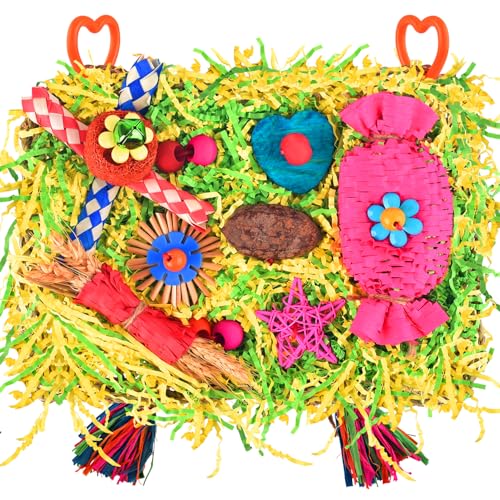
Foraging Enrichment Toy Set for Parrots
Foraging toys are essential for Amazon parrots. They provide mental stimulation that prevents boredom-related behavior like screaming and feather plucking. Rotating new foraging toys regularly keeps your bird engaged.
Check Price on AmazonStainless Steel Parrot Food and Water Bowl Set
Stainless steel bowls are non-porous, easy to clean, and won't harbor bacteria the way plastic bowls can. Amazon parrots dip food in their water constantly — safe, easy-to-clean bowls are a daily-use essential.
Check Price on AmazonFrequently Asked Questions
Amazon parrots are long-lived birds. With proper care, most species live 40–60 years in captivity. Some individuals have been documented living past 70. This makes them a genuine lifetime commitment — you should plan for who will care for the bird if something happens to you.
References & Sources
- https://www.thesprucepets.com/amazon-parrots-1238342
- https://www.thesprucepets.com/orange-winged-amazon-parrots-390258
- https://www.thesprucepets.com/popular-amazon-parrot-species-390544
- https://www.thesprucepets.com/red-lored-amazons-390260
- https://www.thesprucepets.com/most-intelligent-bird-species-390533
Related Articles

Amazon Milk Frog Care Guide: Tank Setup, Diet & Lifespan
Complete Amazon milk frog care guide covering tank setup, humidity, feeding, lifespan, and whether they're good for beginners. Everything you need to know.

Yangtze Giant Softshell Turtle: Rarest Turtle Alive in 2026
The Yangtze giant softshell turtle may have only a handful of individuals left worldwide. Here's why it's disappearing and what to keep instead.

How to Feed a Whiptail Scorpion: Complete Feeding Guide
Learn how to feed a whiptail scorpion the right way — the correct prey size, feeding frequency, gut-loading techniques, and what to do when your vinegaroon refuses food.