Best Western Hognose Heating: Complete Setup Guide
Find the best western hognose heating setup with the right temps, gear, and thermostat tips to keep your hognose healthy, active, and eating well.


This article contains affiliate links. If you make a purchase through these links, we may earn a small commission at no extra cost to you. See our affiliate disclosure for details.
We recommend 5 picks here. Our top choice is the Reptile Under-Tank Heater — check price and availability below.
How we choose: we compare published specifications against the care requirements in veterinary and species-care literature, and weigh those against what long-time keepers report. We do not test products ourselves and we do not restate Amazon star ratings. The 3 sources behind this article are listed at the bottom.
Quick Comparison
- Primary Function
- Provides belly heat
- Visible Light Emission
- No
- Thermostat Requirement
- Yes
- Monitors Substrate Temp Directly
- N/A
- Average Price Range
- $15-40
- Primary Function
- Regulates heat
- Visible Light Emission
- N/A
- Thermostat Requirement
- N/A
- Monitors Substrate Temp Directly
- No
- Average Price Range
- $25-50
- Primary Function
- Provides ambient heat
- Visible Light Emission
- No
- Thermostat Requirement
- Yes
- Monitors Substrate Temp Directly
- N/A
- Average Price Range
- $20-45
- Primary Function
- Monitors substrate temp
- Visible Light Emission
- N/A
- Thermostat Requirement
- No
- Monitors Substrate Temp Directly
- Yes
- Average Price Range
- $15-30
- Primary Function
- Monitors ambient temp/humidity
- Visible Light Emission
- N/A
- Thermostat Requirement
- No
- Monitors Substrate Temp Directly
- No
- Average Price Range
- $10-25
Prices are estimates only. Actual prices on Amazon may vary.
Getting the heating right is the single most important thing you can do for your western hognose snake. These little drama queens — yes, they literally play dead — come from the semi-arid prairies of North America. Temperatures there swing hard between day and night. Get the heat wrong, and your snake won't eat, won't digest, and will eventually get sick.
This guide covers your best heating options, the exact temperatures to target, why thermostats are non-negotiable, and the most common mistakes keepers make.
Why Heating Is So Critical for Hognose Snakes
Western hognose snakes (Heterodon nasicus) are ectotherms. That means they rely entirely on their environment to regulate body temperature. They can't generate their own body heat like we do.
When your hognose is warm enough, it can digest food efficiently, fight off bacteria, and stay active. When it's too cold, digestion slows to a crawl. Food sits in the gut and rots. Bacteria multiply. That's how you end up with a regurgitating, lethargic snake — and a large vet bill.
The key concept is a thermal gradient — a warm side and a cool side in the same enclosure. Your hognose moves between zones throughout the day based on what its body needs at that moment. Your job is to maintain those zones consistently.
Temperature Zones at a Glance
Warm Side
85–90°F
29–32°C
Cool Side
70–75°F
21–24°C
Ambient Air
75–80°F
24–27°C
Night Minimum
65°F
18°C
UTH vs Ceramic Heat Emitter
Side-by-side comparison
| Feature | Under-Tank Heater (UTH) | Ceramic Heat Emitter (CHE) |
|---|---|---|
| Primary Heat Type | Belly heat (substrate warmth) | Ambient air warmth |
| Cost | ★Budget-friendly ($20–40) | Higher upfront ($40–100) |
| Best For | Standard 20–40 gallon setups | Cold rooms or 40+ gallon enclosures |
| Requires Thermostat | Yes (on/off type) | Yes (PID preferred) |
| Downsides | Won't raise ambient air temp alone | Can reduce humidity if overused |
Our Take: Use UTH for standard setups. Add CHE if your room drops below 68°F or enclosure exceeds 40 gallons.
Why Thermostats Are Non-Negotiable
What you need to know
Every heat source requires a thermostat — no exceptions
Without control, UTH reaches 120–130°F; CHE can exceed 100°F — both are deadly
Thermostat prevents thermal burns and heat stroke
On/off models ($20–50) work best for UTH; PID ($50–150) for CHE and radiant panels
The thermostat is the 'brain' that protects your snake by switching heat on/off
Complete Heating Setup Checklist
Everything you need to get started
Detailed Reviews
1. Reptile Under-Tank Heater
Editor's Choice
Reptile Under-Tank Heater
Pros
- •Delivers crucial belly heat mimicking natural basking spots.
- •Facilitates efficient digestion by creating a warm spot for thermoregulation.
- •Energy-efficient when properly sized and controlled.
- •Contributes to establishing a vital thermal gradient within the enclosure.
Cons
- •Mandatory thermostat control to prevent dangerous temperatures and burns.
- •Does not effectively raise ambient air temperature.
- •Can become a fire hazard or harm pets if not installed correctly.
Bottom Line
Crucial for providing targeted belly heat, essential for digestion in hognose snakes. Must always be regulated by a thermostat to prevent overheating and ensure safety.
2. Reptile Thermostat (On/Off)
Best Overall
Reptile Thermostat (On/Off)
Pros
- •Absolutely mandatory for safe operation of all heat sources, preventing overheating.
- •Ensures consistent and accurate target temperatures for the warm side.
- •Prevents thermal runaway, protecting both the animal and the enclosure.
- •Extends the lifespan of heating elements by preventing constant maximum output.
Cons
- •Adds initial complexity and cost to the heating setup.
- •Basic on/off models may exhibit slight temperature fluctuations.
- •Requires careful probe placement for accurate temperature readings.
Bottom Line
An indispensable safety device for any reptile heating element, precisely regulating temperatures to prevent burns and maintain a stable thermal environment. Its absence risks severe harm to the animal.
3. Ceramic Heat Emitter 100W
Premium Pick
Ceramic Heat Emitter 100W
Pros
- •Produces heat without emitting any visible light, ideal for 24/7 use.
- •Effectively raises ambient air temperature throughout the enclosure.
- •Maintains stable overnight minimum temperatures without disrupting day/night cycles.
- •Suitable for use in cooler rooms to achieve optimal overall enclosure temperatures.
Cons
- •Does not provide direct belly heat; generally used in conjunction with a UTH.
- •Requires a thermostat to prevent excessive ambient temperatures.
- •Can contribute to lower humidity levels if not balanced with proper hydration methods.
- •Consumes significant wattage, impacting energy usage.
Bottom Line
Excellent for elevating ambient air temperatures and maintaining safe night minimums without disrupting a snake's photoperiod. It must be paired with a thermostat for temperature control.
4. Digital Thermometer with Dual Probe
Best Value
Digital Thermometer with Dual Probe
Pros
- •Provides accurate, real-time substrate temperature readings at ground level.
- •Dual probes enable simultaneous monitoring of both warm and cool sides.
- •Essential for verifying the accuracy of thermostats and preventing guessing.
- •Offers reliable data on the exact temperatures experienced by the snake.
Cons
- •Probes can sometimes be dislodged or chewed by larger, more active reptiles.
- •Visible wires may be considered obtrusive by some keepers.
- •Requires battery replacement, potentially at inconvenient times.
Bottom Line
Crucial for precise monitoring of both warm and cool side substrate temperatures, providing the keeper with accurate data on the snake's actual environment. It ensures target temperatures are consistently met at ground level.
5. Digital Hygrometer and Thermometer Combo
Budget Pick
Digital Hygrometer and Thermometer Combo
Pros
- •Monitors both ambient temperature and crucial humidity levels in one unit.
- •Helps ensure the hognose's required 30–50% humidity range is maintained.
- •Allows for quick identification and adjustment of environmental factors.
- •Provides an overall snapshot of ambient enclosure conditions.
Cons
- •Less precise for substrate temperature than a dedicated probe thermometer.
- •May not be as durable as separate, higher-end units.
- •Requires battery replacement for continued function.
- •Ambient readings can vary significantly from substrate temperatures.
Bottom Line
A practical device for simultaneously tracking ambient temperature and critical humidity levels, helping keepers maintain the ideal 30-50% humidity range for hognose snakes. It allows for proactive adjustments to prevent respiratory issues.
Western Hognose Temperature Requirements
Here are the numbers you need to hit, based on care data from ReptiFiles and The Bio Dude:
| Zone | Target Temperature |
|---|---|
| Warm side / basking spot | 85–90°F (29–32°C) |
| Cool side | 70–75°F (21–24°C) |
| Ambient air temperature | 75–80°F (24–27°C) |
| Night minimum | 65°F (18°C) |
Don't guess. Use a reptile digital thermometer with a probe to measure at substrate level — that's where your snake actually sits. Infrared temp guns read air and surface temperatures, which can be misleading. A probe thermometer tells you exactly what your snake experiences.
Grab one with dual probes so you can monitor both the warm side and cool side simultaneously. It's one of the best $15 investments you'll make.
The Best Heating Options for Western Hognose Snakes
There's no single "best" heat source. The right setup depends on your enclosure type, your room temperature, and your budget. Here's an honest look at every major option.
Under-Tank Heaters (UTH) — The Classic Choice
Under-tank heaters are the most popular choice for hognose keepers, and for good reason. They sit underneath one side of the enclosure and deliver belly heat — which is exactly how these snakes warm themselves in nature (from sun-warmed soil).
A reptile under-tank heater paired with a thermostat is the go-to setup for most hobbyists. It's affordable, discreet, and effective.
Pros:
- Budget-friendly to start
- No visible heat source inside the enclosure
- Mimics the warmth of sun-heated ground
- Works well in temperate rooms
Cons:
- Must use with a thermostat — they overheat without one
- Won't raise ambient air temp on their own
- Can be underpowered in very cold rooms or large enclosures
One important rule: don't pile deep substrate directly over a UTH. Thick substrate insulates the heat away from your snake and causes the heater to work harder than it should. Keep the substrate 1–2 inches deep on the warm side for the best heat transfer.
Ceramic Heat Emitters (CHE) — Great for Ambient Warmth
A ceramic heat emitter looks like a light bulb but produces heat only — no light at all. It screws into a standard reptile fixture and can run 24 hours a day without disrupting your snake's light cycle.
[Ceramic heat emitters](https://www.amazon.com/dp/B096JWWQMC?tag=krawlo-20 are ideal for raising ambient air temperature, especially in larger enclosures or colder rooms.
Pros:
- Zero light output — safe for overnight use
- Warms the air throughout the enclosure
- Long-lasting (often 5+ years)
- Works great in cold rooms
Cons:
- Needs a thermostat (like every heat source)
- Can reduce humidity if overused
- Requires a ceramic or porcelain fixture — plastic sockets will melt
If your room consistently drops below 65°F at night in winter, a CHE is your best tool to maintain the overnight minimum without adding any light.
Radiant Heat Panels (RHP) — Best for Larger Builds
Radiant heat panels mount inside the lid of your enclosure and radiate heat downward, mimicking the sun. They're popular in PVC and wood enclosures and tend to heat more evenly than any other method.
[Radiant heat panels](https://www.amazon.com/dp/B0FNRMTF5B?tag=krawlo-20 cost more upfront but last a decade or more with minimal maintenance.
Pros:
- Even, whole-enclosure heat distribution
- No hot spots or cold zones
- Extremely long lifespan
- Pairs perfectly with a PID thermostat
Cons:
- Higher upfront cost
- Requires proper mounting inside the enclosure lid
- Overkill for a 20-gallon starter setup
If you're setting up a larger, permanent enclosure (40+ gallons), a radiant heat panel is worth the investment. For a 20-gallon starter enclosure, a UTH with a thermostat gets the job done for far less money.
Basking Heat Lamps — Useful as Supplement
Western hognose snakes are semi-fossorial — they spend a lot of time burrowing and hiding rather than basking openly. But they do benefit from a visible warm spot under a light, especially during the day.
A reptile basking bulb or halogen flood light can create a natural-looking basking zone. It's often used as a supplement to a UTH rather than a standalone heat source.
Pros:
- Creates a naturalistic basking zone
- Heats air near the basking spot
- Easy to swap wattages to fine-tune temperature
Cons:
- Produces light — can't use at night
- Creates localized heat, not whole-enclosure warmth
- Still needs a thermostat or lamp dimmer
For a deeper look at lamp options, check out our comparison of the best heat lamps for reptiles to find the right wattage for your setup.
Do You Need a Thermostat? (Yes — Always)
This is non-negotiable. Every single heat source you use — UTH, CHE, radiant panel, or heat lamp — requires a thermostat. No exceptions.
Without a thermostat, your heater runs at full power all the time. A UTH can hit 120–130°F. A CHE can push your ambient temps above 100°F. Your hognose will have nowhere to escape. Thermal burns and heat stroke are real and deadly outcomes.
A thermostat reads the temperature inside your enclosure and switches the heater on and off to hold your target temperature. It's the brain of your heating setup — and it protects your snake.
Two types work well for hognose setups:
- On/off thermostat — simple, reliable, best for UTH
- PID (proportional) thermostat — more precise, best for CHE and radiant panels
(Estimates only — actual prices on Amazon may vary.) On/off thermostats run $20–$50. PID models are $50–$150. For a full breakdown of the best options at each price point, read through our guide to the best reptile thermostats.
What Actually Works: Recommended Heating Setups
Here are two setups that work for most hognose keepers:
Setup 1 — Standard (20–40 gallon, temperate room):
- UTH covering ~⅓ of the floor on the warm side
- On/off thermostat with probe set to 88°F at substrate level
- Dual-probe digital thermometer to verify warm side and cool side
Setup 2 — Cold Room or Larger Enclosure (40+ gallon or room below 68°F in winter):
- UTH on warm side, thermostat controlled
- CHE or radiant heat panel for ambient air warmth, second thermostat controlled
- Each heat source gets its own thermostat — never share
Never run two heat sources off a single thermostat unless the thermostat is specifically designed for it. Each device needs independent temperature control.
Night Temperatures: What Happens After Dark
Western hognoses in the wild experience real overnight temperature drops. Your enclosure can follow a similar pattern — but there's a hard minimum: don't let temperatures fall below 65°F (18°C).
If your room stays above 65°F naturally at night, you don't need supplemental overnight heating. Turn off any light-producing heat sources and let the temperature drift down naturally.
If your room gets colder than 65°F in winter, keep a CHE running overnight. Since it produces zero light, it won't interfere with your snake's day/night rhythm.
A 24-hour digital timer outlet makes it easy to automate when your lights go on and off, without touching your thermostat wiring.
Humidity and Heat: The Hidden Connection
Your heating setup directly affects humidity — and western hognose snakes need it in a specific range.
Target humidity: 30–50% relative humidity. These snakes come from semi-arid grasslands. They don't need a rainforest environment. Most keepers in humid climates struggle with humidity being too high, not too low.
Here's the connection to heat: if you're running a UTH under an enclosure with a full screen top, heat rises and escapes. Humidity drops quickly. If you cover part of your screen top with aluminum foil or a piece of plexiglass, you hold both heat and humidity better.
Get a [digital thermometer and hygrometer combo](https://www.amazon.com/dp/B07GR65CNT?tag=krawlo-20 so you can track both readings at once. If humidity stays below 30%, cover more of your screen lid. If it creeps above 60%, open more ventilation.
Warning Signs Your Heating Isn't Right
Know what to watch for. These signs tell you your temperatures are off:
Signs it's too cold:
- Refusing food consistently
- Staying on the warm side without moving
- Sluggish, minimal movement beyond normal resting
- Regurgitating meals (food can't digest in cold temps)
- Respiratory infections from chronic cold stress
Signs it's too hot:
- Pressing against the cool-side glass constantly
- Attempting to escape the enclosure
- Soaking in the water dish for extended periods
- Open-mouth breathing
If you see any of these, grab your thermometer immediately. Don't assume your thermostat is accurate — verify with a probe at substrate level.
Heating Gear Quick-Reference Table
| Product | Best Use | Priority Level |
|---|---|---|
| Under-tank heater | Primary belly heat | High |
| Thermostat | Required for every heat source | Critical |
| Ceramic heat emitter | Ambient warmth, cold rooms, overnight | Medium–High |
| Radiant heat panel | Large enclosures, even whole-space heat | Medium |
| Dual-probe thermometer | Verifying actual temps at substrate | High |
| Digital hygrometer | Monitoring humidity alongside heat | High |
| Timer outlet | Automating light-based heat sources | Medium |
Final Thoughts on Western Hognose Heating
The best western hognose heating setup isn't the priciest one — it's the one you actually monitor and maintain. Start with a UTH and a thermostat. Add a CHE if your room gets cold. Verify everything with a thermometer, not just the thermostat display.
Western hognose snakes are more forgiving than tropical species, but they still need consistent warmth to thrive. If you're also new to snake keeping in general, our roundup of best pet snakes for beginners can help you understand what sets hognoses apart from other starter species.
Nail the temperature gradient, check your readings regularly, and your hognose will reward you with years of personality, drama, and the occasional convincing death performance.
Our Final Verdict
Reptile Under-Tank Heater
Crucial for providing targeted belly heat, essential for digestion in hognose snakes. Must always be regulated by a thermostat to prevent overheating and ensure safety.

Reptile Thermostat (On/Off)
An indispensable safety device for any reptile heating element, precisely regulating temperatures to prevent burns and maintain a stable thermal environment. Its absence risks severe harm to the animal.
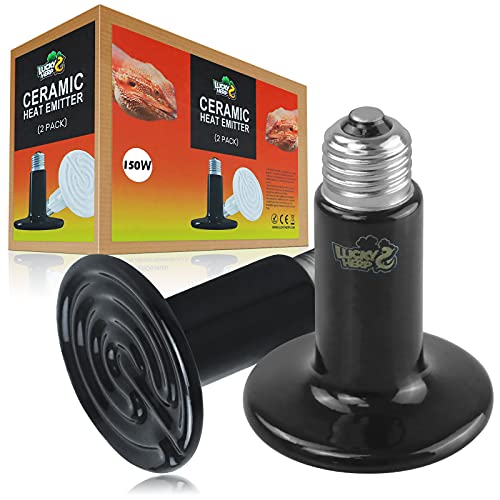
Ceramic Heat Emitter 100W
Excellent for elevating ambient air temperatures and maintaining safe night minimums without disrupting a snake's photoperiod. It must be paired with a thermostat for temperature control.
Frequently Asked Questions
An under-tank heater (UTH) paired with an on/off thermostat is the most popular and effective setup for most hognose keepers. It delivers belly heat that mimics how snakes warm themselves from sun-heated ground in the wild. In colder rooms or larger enclosures, add a ceramic heat emitter for ambient warmth.
References & Sources
Related Articles

Best Western Hognose Lighting: Your Guide to a Healthy Setup
Discover the best western hognose lighting setup for your snake! Learn about essential visible light, heating, and UVB to keep your hognose healthy and thriving.

Best Western Hognose Food: Complete Feeding Guide
Discover the best western hognose food options, feeding schedules, and expert tips for picky eaters. Science-based advice for healthy hognose snake nutrition.

Best Western Hognose Substrate: Top Picks Reviewed
Find the best western hognose substrate for burrowing, safety, and easy cleaning. We cover top picks, what to avoid, and bioactive options.