Best Water Dish for Bearded Dragon: A Keeper's Guide
Struggling to find the best water dish for your bearded dragon? Our expert guide reviews the safest, most practical options to keep your beardie hydrated and healthy.


This article contains affiliate links. If you make a purchase through these links, we may earn a small commission at no extra cost to you. See our affiliate disclosure for details.
We recommend 4 picks here. Our top choice is the Zoo Med Repti-Rock Water Dish — check price and availability below.
How we choose: we compare published specifications against the care requirements in veterinary and species-care literature, and weigh those against what long-time keepers report. We do not test products ourselves and we do not restate Amazon star ratings. The 6 sources behind this article are listed at the bottom.
Quick Comparison
- Product Type
- Water Dish
- Primary Material
- Resin
- Key Feature
- Heavy & Spill-Resistant
- Estimated Price Range
- $10-20
- Product Type
- Water Dish
- Primary Material
- Resin
- Key Feature
- Space-Saving Corner Design
- Estimated Price Range
- $8-15
- Product Type
- Water Dish
- Primary Material
- Resin/Plastic
- Key Feature
- Built-in Safety Ramp
- Estimated Price Range
- $12-25
- Product Type
- Disinfectant
- Primary Material
- Liquid Concentrate
- Key Feature
- Vet-Grade Pathogen Killer
- Estimated Price Range
- $20-30
Prices are estimates only. Actual prices on Amazon may vary.
Choosing the right gear for your bearded dragon can feel overwhelming. You've got lighting, heating, and the enclosure itself to worry about. It's easy to overlook something as simple as a water dish. But the right water bowl is more than just a container; it's a vital tool for your dragon's health, hydration, and safety.
While it's true that bearded dragons are desert animals adapted to arid climates, the idea that they don't need access to water is a harmful myth. Providing a constant source of fresh, clean water is a fundamental part of responsible reptile husbandry. In this guide, we'll walk you through everything you need to know to choose the best water dish for your bearded dragon.
Do Bearded Dragons Even Need a Water Dish?
This is one of the most common questions we hear from new owners. Since bearded dragons come from the arid woodlands and deserts of Australia, many people assume they get all the moisture they need from their food. And while they do get a significant amount of hydration from their daily greens and insects, it's often not enough.
According to herpetological experts, like those at PetMD, providing a water source is crucial. Dehydration is a serious health risk for bearded dragons and can lead to issues like kidney problems, constipation, and lethargy. A shallow, clean water dish gives your dragon the opportunity to drink whenever it feels the need. Some dragons may ignore their bowl for days and then drink deeply, while others might visit it daily. You might not see them drink often, but the option should always be there.
Think of it as an insurance policy for their health. It ensures they can regulate their own hydration levels, which is especially important if they are sick, shedding, or if the humidity in their enclosure temporarily drops. So, the answer is a resounding yes: every bearded dragon needs a water dish.
Essential Water Dish Features
Material
Non-Porous (Resin, Ceramic, Steel)
Avoids bacteria/fungi trapping; Avoid cheap plastic and unsealed ceramics
Depth
Shallow (≤ shoulder height)
No deeper than chest/elbows when standing; drowning risk if too deep
Exit Safety
Ramps or Textured Interior
Ensures easy entry/exit; smooth bowls require added grip (rocks)
Weight & Stability
Heavy, Wide Base
Prevents tipping; keeps water contained and enclosure dry
Top Water Dish Types
Quick recommendations
Heavy food-safe resin, stable, non-porous, textured surface, natural look (Zoo Med, Exo Terra)
Fits 90° corners to maximize floor space; stable placement; non-porous resin
Zero-entry design eliminates drowning risk; encourages soaking; ideal for young/special-needs dragons
Detailed Reviews
1. Zoo Med Repti-Rock Water Dish
Best Overall
Zoo Med Repti-Rock Water Dish
Pros
- •Non-porous resin construction prevents bacterial buildup and simplifies cleaning
- •Substantial weight minimizes accidental tipping and spills, enhancing stability
- •Natural rock aesthetic complements desert or woodland enclosure designs
- •Durable material ensures long-term use in demanding reptile environments
Cons
- •Fixed design may take up significant floor space in smaller enclosures
- •Can be heavy to move when full, potentially complicating cleaning tasks
- •Initial cost may be higher compared to basic plastic water dishes
Bottom Line
A long-standing favorite, this water dish offers excellent stability and blends seamlessly into naturalistic setups. Its non-porous resin ensures easy cleaning, contributing to optimal hygiene.
2. Reptile Corner Water Bowl
Editor's Choice
Reptile Corner Water Bowl
Pros
- •Corner design efficiently utilizes tank space, leaving more floor area for the reptile
- •Sturdy resin construction provides good stability, resisting tipping by active dragons
- •Smooth, non-porous surface facilitates easy cleaning and reduces bacterial accumulation
- •Discreet placement helps maintain a tidy and organized enclosure aesthetic
Cons
- •Specific corner shape may not fit all enclosure types or layouts perfectly
- •Capacity might be smaller than some round dishes with a comparable overall footprint
- •Less visually prominent than center-placed dishes, which some keepers may prefer
Bottom Line
This corner-fitting water bowl is ideal for maximizing enclosure space, offering a practical and stable hydration solution. Its sturdy resin construction withstands active reptiles and simplifies cleaning routines.
3. Reptile Water Dish with Ramp
Premium Pick
Reptile Water Dish with Ramp
Pros
- •Integrated ramp allows easy entry and exit, effectively eliminating drowning risk
- •Essential safety feature, particularly beneficial for baby and juvenile bearded dragons
- •Promotes independent hydration for less mobile, sick, or recovering reptiles
- •Typically made from easy-to-clean, durable materials like resin or plastic
Cons
- •The ramp can reduce the overall usable water capacity of the dish
- •May occupy more horizontal space in the enclosure due to the ramp's extension
- •The specialized ramp feature may not be strictly necessary for healthy adult bearded dragons
Bottom Line
Engineered with safety in mind, this water dish features a crucial built-in ramp, preventing accidental drowning for smaller or weaker reptiles. It provides peace of mind while ensuring constant access to hydration.
4. F10SC Veterinary Disinfectant
Budget Pick
F10SC Veterinary Disinfectant
Pros
- •Veterinary-grade formulation provides superior disinfection against a wide range of pathogens
- •Effectively kills bacteria, viruses, fungi, and spores, crucial for disease prevention
- •Safe for use in reptile enclosures when used and diluted according to manufacturer instructions
- •Concentrated formula offers economical use over time for regular cleaning protocols
Cons
- •Requires proper dilution and application; not a ready-to-use spray
- •Represents an additional recurring cost beyond the initial water dish purchase
- •As a cleaning agent, it is not a water dish itself but a complementary maintenance item
Bottom Line
An indispensable product for maintaining a healthy reptile environment, this vet-grade disinfectant effectively eradicates bacteria and viruses. It ensures water dishes and enclosures remain pathogen-free without posing a risk to your bearded dragon.
Key Features of the Best Water Dish for a Bearded Dragon
Not all bowls are created equal. When selecting a water dish, you're balancing safety, hygiene, and practicality. Here are the most important features to consider to ensure you're making the best choice for your pet.
Material: Safety and Cleanliness First
The material of the water dish is arguably the most critical factor. It directly impacts how easy it is to clean and whether it's safe for your dragon.
-
Good Choices (Non-Porous): Your best options are materials that don't have tiny pores where bacteria can hide. Food-grade resin, high-quality ceramic, and stainless steel are all excellent. Resin is often molded into naturalistic rock shapes, like the popular Zoo Med Repti-Rock dishes, which look great in a vivarium. Ceramic is heavy and stable, and stainless steel is indestructible and easy to sterilize.
-
Materials to Avoid (Porous): Avoid cheap plastics and unsealed ceramics or terracotta. These materials are porous, meaning they have microscopic holes that can trap bacteria, fungi, and other pathogens. Even with regular cleaning, it's nearly impossible to fully sanitize them, putting your dragon's health at risk. As noted by ReptiFiles, a clean environment is paramount, and a non-porous dish is a cornerstone of good hygiene.
Size and Depth: Shallow is Safest
Bearded dragons are not swimmers. In fact, they can drown in water that is too deep. The ideal water dish is very shallow, allowing your dragon to walk through it or soak without any risk.
For baby and juvenile dragons, this is especially critical. A water dish should be no deeper than their shoulder height. A bottle cap can work for a tiny hatchling in a quarantine tub, but for a main enclosure, a dedicated shallow dish is best. For adults, the water level should still only come up to their chest or elbows when they're standing in it. This ensures they can always keep their head well above the water line.
Ramps and Escape Routes
To add an extra layer of safety, the best water dish for a bearded dragon will have an easy way for them to get out. Many modern reptile bowls, especially [dishes with built-in ramps](https://www.amazon.com/dp/B0GS5YTXXY?tag=krawlo-20 are designed with this in mind. These "zero-entry" bowls allow even the smallest or weakest dragons to exit without a struggle.
If a bowl doesn't have a ramp, look for one with a textured interior. A smooth, slick surface can be difficult for a dragon to grip if they happen to slip. A slightly rough or bumpy texture provides the traction they need to walk out confidently. You can also place a small, clean rock inside a smooth bowl to create your own step-out point.
Weight and Stability: No More Spills
A lightweight dish is a recipe for a wet, messy enclosure. Bearded dragons aren't always the most graceful creatures; they'll climb over, sit in, and bump into everything in their tank. A flimsy bowl will be tipped over in no time.
This is more than just an annoyance. Spilled water can saturate the substrate, leading to a dangerous spike in humidity. Persistently high humidity can cause respiratory infections and other health issues in desert species. A heavy, stable dish made from solid resin or ceramic will stay put, keeping the water in the bowl and the enclosure dry and safe. Placing it on a stable, flat area of a safe substrate, like the ones in our best bedding for bearded dragons guide, will further prevent tipping.
Our Top Water Dish Picks for Bearded Dragons
With those key features in mind, let's look at some of the best types of water dishes available for your bearded dragon. (Estimates only — actual prices on Amazon may vary.)
Best Overall: Naturalistic Rock Dishes
These are a favorite among keepers for good reason. Made from heavy, food-safe resin, they are designed to look like real rocks, blending seamlessly into a natural-looking habitat. Brands like Zoo Med and Exo Terra make excellent versions.
Why we like them:
- Stable: Their weight and wide base make them very difficult to tip over.
- Safe: The resin is non-porous and easy to clean.
- Natural Look: They enhance the aesthetic of your enclosure.
- Textured: Most have a slightly rough texture that provides grip for easy entry and exit.
Best for Corners: Space-Saving Corner Bowls
If you want to maximize the floor space in your dragon's enclosure, a reptile corner bowl is an ingenious solution. These are shaped to fit perfectly into the 90-degree corner of a tank, leaving more open area for your dragon to roam.
Why we like them:
- Space-Efficient: Frees up valuable real estate in the center of the tank.
- Stable: The corner placement provides extra stability.
- Good Materials: Typically made from the same heavy, non-porous resin as other top-tier dishes.
Best for Safety: Ramp-Included Bowls
For ultimate peace of mind, especially with young or special-needs dragons, a bowl with an integrated ramp is the gold standard. These bowls feature a gentle slope leading into the water, making it impossible for a dragon to get trapped.
Why we like them:
- Maximum Safety: The "zero-entry" design completely eliminates drowning risk.
- Encourages Soaking: The easy access can encourage dragons to soak, which aids in shedding and hydration.
- Variety of Styles: You can find [ramp bowls](https://www.amazon.com/dp/B0GS5YTXXY?tag=krawlo-20 in both naturalistic rock and simple, functional designs.
How to Keep Your Bearded Dragon's Water Dish Clean
Choosing the best water dish for your bearded dragon is only half the battle. You must also keep it scrupulously clean. A dirty water bowl can quickly become a breeding ground for harmful bacteria, turning a health benefit into a health hazard.
Daily Routine:
- Remove the dish from the enclosure every morning.
- Scrub the inside with a dedicated brush or sponge and hot water.
- Rinse it thoroughly to remove any debris or biofilm.
- Refill with fresh, clean water.
- Return it to the enclosure.
Weekly Deep Clean: Once a week, you need to disinfect the bowl. Use a reptile-safe disinfectant like [F10SC Veterinary Disinfectant](https://www.amazon.com/dp/B01LY3JI7T?tag=krawlo-20 or a 1:10 solution of bleach and water. If using bleach, you must rinse the dish extremely well afterward until you can no longer smell any bleach, then let it air dry completely before refilling.
Never use dish soap, as residues can be harmful if ingested. Consistency is key to preventing bacterial buildup and keeping your dragon healthy.
Proper Placement Within the Enclosure
Where you put the water dish matters. You should always place it on the cool side of the enclosure, away from the basking spot and any heat lamps.
There are two main reasons for this. First, placing it under a heat source will cause the water to evaporate quickly. Second, and more importantly, the warmth will accelerate the growth of bacteria and algae in the water. A dish on the cool side stays fresher for longer and maintains a more stable, lower humidity level in the overall environment, which is what you want for a desert species. Finding ways to offer a variety of enrichment, including a well-maintained water dish, is an important part of their care, similar to providing them with the best toys for a bearded dragon.
What If My Bearded Dragon Won't Drink?
It can be worrying if you provide the perfect water dish and never see your dragon use it. Don't panic! Many dragons are secretive drinkers. However, if you suspect your dragon is dehydrated, here are a few tricks to encourage drinking:
- Make it Move: Dragons are attracted to movement. Use a water dropper or a small syringe to drip water into the bowl. The sight of the ripples can trigger a drinking response.
- Offer Regular Baths: Many dragons will drink deeply during a warm bath. Offer a soak in a separate tub with shallow, warm water (85-95°F) for 15-20 minutes, 1-2 times a week. Supervise them closely during bath time.
- Keep it Clean: A dragon is more likely to drink from a bowl that is sparkling clean and filled with fresh water.
- Add a Flavor: For a sick or severely dehydrated dragon, your vet may recommend adding a drop of a reptile-safe electrolyte solution or even a tiny bit of non-sugary fruit puree to the water to entice them.
Final Thoughts
While it might seem like a minor detail, the best water dish for a bearded dragon is a cornerstone of good husbandry. It’s an investment in your pet's long-term health and safety. By choosing a bowl that is shallow, heavy, non-porous, and easy to clean, you provide a safe and reliable source of hydration.
Remember to place it on the cool side of the enclosure and commit to a strict daily cleaning schedule. By doing so, you're ensuring your bearded dragon has everything it needs to thrive for years to come.
Our Final Verdict
Zoo Med Repti-Rock Water Dish
A long-standing favorite, this water dish offers excellent stability and blends seamlessly into naturalistic setups. Its non-porous resin ensures easy cleaning, contributing to optimal hygiene.
Reptile Corner Water Bowl
This corner-fitting water bowl is ideal for maximizing enclosure space, offering a practical and stable hydration solution. Its sturdy resin construction withstands active reptiles and simplifies cleaning routines.
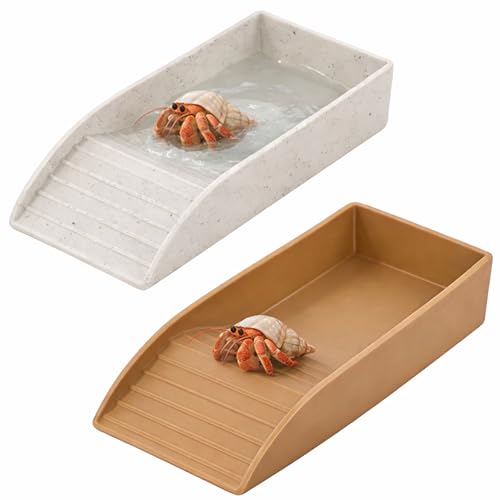
Reptile Water Dish with Ramp
Engineered with safety in mind, this water dish features a crucial built-in ramp, preventing accidental drowning for smaller or weaker reptiles. It provides peace of mind while ensuring constant access to hydration.
Frequently Asked Questions
Yes, absolutely. While they get a lot of moisture from their food, a shallow, clean water bowl should always be provided to allow them to drink and regulate their own hydration. Dehydration can lead to serious health issues.
References & Sources
- https://www.petmd.com/reptile/bearded-dragon-care-sheet
- https://www.thesprucepets.com/best-bearded-dragon-supplies-4155661
- https://reptifiles.com/bearded-dragon-care/shopping-list/
- https://reptifiles.com/product-review-jurassic-natural-australian-desert-dragon-habitat/
- https://reptifiles.com/product-review-custom-reptile-habitats-alice-springs-4-reptile-decor-kit/
- https://reptifiles.com/sandfish-care-guide/sandfish-terrarium-decorations/
Related Articles

Best Bearded Dragon Accessories: Complete Setup Guide
Discover the best bearded dragon accessories for a thriving enclosure — basking platforms, hides, hammocks, climbing décor, and expert design tips for every budget.

Best Bearded Dragon Starter Kit (2026): What You Really Need
Find the best bearded dragon starter kit in 2026. We break down what's worth buying, what to skip, and exactly what your beardie needs to thrive.

Best UVB Light for Bearded Dragon (2026 Keeper's Guide)
Find the best UVB light for your bearded dragon in 2026. T5 vs T8, wattage, placement, and top picks reviewed by reptile care specialists.