Best Tortoise Outdoor Enclosure: Top Picks & Tips
Find the best tortoise outdoor enclosure for your shelled friend. Learn what size, materials, and features matter most for a safe, happy tortoise.


This article contains affiliate links. If you make a purchase through these links, we may earn a small commission at no extra cost to you. See our affiliate disclosure for details.
We recommend 5 picks here. Our top choice is the Outdoor Tortoise Enclosure Pen — check price and availability below.
How we choose: we compare published specifications against the care requirements in veterinary and species-care literature, and weigh those against what long-time keepers report. We do not test products ourselves and we do not restate Amazon star ratings. The 5 sources behind this article are listed at the bottom.
Quick Comparison
- Primary Purpose
- Housing
- Ready-to-Use?
- Yes
- Prevents Digging Escapes?
- Basic (may vary)
- Automated Temp. Control?
- No
- Requires Electrical Power?
- No
- Primary Purpose
- Heating
- Ready-to-Use?
- Requires Setup
- Prevents Digging Escapes?
- No
- Automated Temp. Control?
- No (manual without thermostat)
- Requires Electrical Power?
- Yes
- Primary Purpose
- Temperature Regulation
- Ready-to-Use?
- Requires Setup
- Prevents Digging Escapes?
- No
- Automated Temp. Control?
- Yes
- Requires Electrical Power?
- Yes
- Primary Purpose
- Hydration
- Ready-to-Use?
- Yes
- Prevents Digging Escapes?
- No
- Automated Temp. Control?
- No
- Requires Electrical Power?
- No
- Primary Purpose
- Security
- Ready-to-Use?
- Component
- Prevents Digging Escapes?
- Yes (with installation)
- Automated Temp. Control?
- No
- Requires Electrical Power?
- No
Prices are estimates only. Actual prices on Amazon may vary.
Tortoises were built for the outdoors. Fresh air, real sunlight, natural soil — there's nothing better for their health. But putting your tortoise outside without the right setup is a recipe for disaster.
The best tortoise outdoor enclosure keeps your pet safe from predators, escape artists that they are, while giving them room to roam, bask, and burrow. Whether you're buying a ready-made pen or building your own, this guide covers everything you need to know.
Let's dig in.
Do Tortoises Need an Outdoor Enclosure?
Tortoises don't need one — but they absolutely thrive with one. Here's why outdoor time is so valuable:
- Real UVB exposure. Natural sunlight provides the full UVB spectrum. Even the best reptile UVB bulbs can't fully replicate it. UVB is critical for calcium absorption and preventing metabolic bone disease.
- Natural thermoregulation. Tortoises are ectotherms. Outdoors, they can move between sun and shade to regulate their own body temperature. This reduces stress compared to indoor setups with fixed basking spots.
- Mental stimulation. Tortoises are more active and alert outside. They forage, explore, and exhibit natural behaviors they rarely show indoors.
- Fresh air and humidity. Stale air in indoor enclosures can contribute to respiratory issues over time.
If your climate allows it — even seasonally — an outdoor enclosure is one of the best investments you can make for your tortoise's long-term health.
Why Outdoor Enclosures Matter
What you need to know
Real UVB exposure from natural sunlight provides the full spectrum, critical for calcium absorption and preventing metabolic bone disease
Natural thermoregulation allows tortoises to move between sun and shade to regulate body temperature, reducing stress
Mental stimulation increases activity, foraging, and natural behaviors compared to indoor setups
Fresh air and outdoor humidity prevent respiratory issues associated with stale indoor air
Outdoor Enclosure Sizing by Species
Russian Tortoise
4×4 ft min, 8×8 ft ideal
Hermann's Tortoise
4×8 ft min, 8×12 ft ideal
Red-Footed Tortoise
6×8 ft min, 10×12 ft ideal
Sulcata Tortoise
10×10 ft min, 20×20 ft ideal
Leopard Tortoise
8×8 ft min, 12×16 ft ideal
Optimal Enclosure Placement
What you need to know
South-facing placement maximizes sun exposure and early morning warming throughout the day
Avoid deep shade—trees and buildings blocking afternoon sun leave tortoises cold and sluggish
Position in areas with good drainage to prevent waterlogged substrate and respiratory infections
Choose sheltered corners protected from north and west winds to maintain warmth and reduce wind chill
Detailed Reviews
1. Outdoor Tortoise Enclosure Pen
Best Overall
Outdoor Tortoise Enclosure Pen
Pros
- •Provides a safe, predator-resistant environment for your tortoise.
- •Ready-made solution requires no complex construction or DIY skills.
- •Offers dedicated space for roaming, basking, and burrowing.
- •Suitable for small to medium tortoise species like Russians and Hermanns.
Cons
- •May lack integrated underground walls to prevent determined digging escapes.
- •Limited in size, which can restrict space for larger species or multiple tortoises.
- •Often requires additional measures for top-down predator protection in some regions.
Bottom Line
These pre-built enclosures offer immediate outdoor access with basic predator protection and space for essential tortoise behaviors. They serve as a convenient starting point for seasonal outdoor housing.
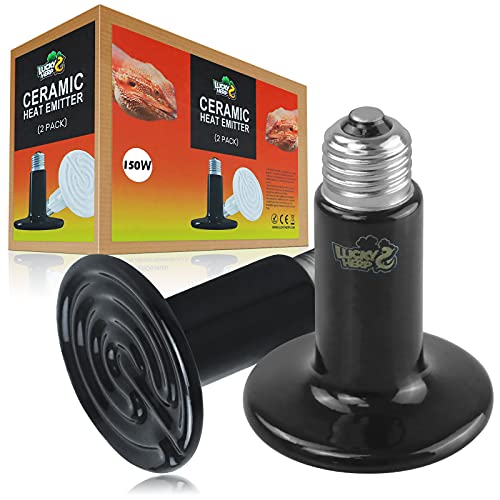
2. Reptile Ceramic Heat Emitter
Editor's Choice
Reptile Ceramic Heat Emitter
Pros
- •Provides consistent radiant heat without emitting disruptive light.
- •Extends the outdoor season by maintaining safe nighttime temperatures.
- •Crucial for proper thermoregulation in cooler climates or seasons.
- •Prevents sleep cycle disruption common with incandescent heat bulbs.
Cons
- •Requires a separate fixture and protective cage to prevent burns.
- •Does not provide UVB, necessitating natural sun exposure or a separate UVB source.
- •Can create a very localized hot spot if not properly regulated by a thermostat.
Bottom Line
Ceramic heat emitters are essential for supplementing natural heat in outdoor tortoise shelters, crucial for cooler nights and extending habitat usability. They deliver lightless warmth, preserving natural sleep cycles.
3. Reptile Thermostat Controller
Premium Pick
Reptile Thermostat Controller
Pros
- •Automatically regulates heating elements to prevent temperature extremes.
- •Maintains a precise target temperature, ensuring tortoise safety and comfort.
- •Prevents overheating and provides consistent warmth during cooler periods.
- •Reduces energy consumption by cycling heating elements only when needed.
Cons
- •Adds an additional setup and purchase cost to the heating system.
- •Requires careful calibration and periodic monitoring to ensure accuracy.
- •Can fail if wiring is exposed to outdoor elements without proper protection.
Bottom Line
A reptile thermostat controller is vital for safe and effective outdoor heating, automatically managing heat sources to prevent dangerous temperature fluctuations. It ensures stable thermal environments, reducing stress and health risks.
4. Shallow Reptile Water Dish
Best Value
Shallow Reptile Water Dish
Pros
- •Provides safe access to water, eliminating drowning risk for tortoises of all sizes.
- •Heavy construction prevents tipping and spilling, keeping the enclosure clean.
- •Low profile allows for easy access and promotes natural drinking behaviors.
- •Can be partially buried for stability and a more natural aesthetic.
Cons
- •Requires frequent cleaning to prevent bacterial and algal growth in outdoor conditions.
- •May need refilling often, especially in warm, dry climates due to evaporation.
- •Limited capacity means it may not be ideal for very large groups of tortoises.
Bottom Line
A shallow, heavy water dish is crucial for providing constant, safe hydration in an outdoor tortoise enclosure. Its design prevents tipping and drowning, supporting natural drinking habits.
5. Hardware Cloth Wire Mesh 1/2 inch
Budget Pick
Hardware Cloth Wire Mesh 1/2 inch
Pros
- •Provides robust protection against a wide range of predators, including digging animals and birds of prey.
- •1/2-inch mesh size deters small predators without impeding airflow or sunlight.
- •Highly durable and weather-resistant for long-term outdoor use.
- •Flexible material allows for custom enclosure covers and burrow-prevention barriers.
Cons
- •Requires tools for cutting and installation, not a ready-to-use solution.
- •Sharp edges necessitate careful handling and secure finishing to prevent injury.
- •Can be an added expense for DIY enclosure construction projects.
Bottom Line
Half-inch hardware cloth is the essential material for predator-proofing outdoor tortoise enclosures, offering superior strength and security while maintaining vital ventilation and sun exposure. It is a fundamental component for DIY security upgrades.
What Makes a Good Outdoor Tortoise Enclosure?
Not all outdoor enclosures are equal. Before you buy or build, here's what actually matters.
Security
Tortoises are surprisingly determined escape artists. A six-inch Russian tortoise can dig under a fence faster than you'd expect. Your enclosure needs:
- Walls that extend underground. Bury at least 6–12 inches of your enclosure wall to prevent digging escapes. For larger species like sulcatas, go deeper — 12–18 inches minimum.
- No gaps at the top. Many tortoise species can climb better than people think. Mediterranean and Russian tortoises especially.
- Predator protection. Foxes, raccoons, crows, and domestic dogs are real threats. A secure roof or wire mesh top is essential in many areas.
Size
Bigger is always better. A cramped outdoor pen leads to stress and repetitive pacing behaviors. Here are rough minimums:
| Species | Min Outdoor Size | Ideal Size |
|---|---|---|
| Russian Tortoise | 4×4 ft | 8×8 ft or larger |
| Hermann's Tortoise | 4×8 ft | 8×12 ft or larger |
| Red-Footed Tortoise | 6×8 ft | 10×12 ft or larger |
| Sulcata Tortoise | 10×10 ft | 20×20 ft or larger |
| Leopard Tortoise | 8×8 ft | 12×16 ft or larger |
For species that will grow large — like sulcatas — plan for the adult size from the start. Building a bigger pen now is far cheaper than rebuilding later. You can read more about planning a large setup in our guide to African Spurred Tortoise Housing: Essential Tips for a Happy Home.
Shelter
Every outdoor enclosure needs a weatherproof shelter or hide. This serves a few purposes:
- Refuge during rain, wind, or temperature drops
- A safe place to sleep overnight
- Protection from overheating on very hot days
The shelter should be insulated, waterproof, and large enough for your tortoise to fully turn around. For cooler climates, add a reptile ceramic heat emitter inside the shelter to keep night temps safe.
Substrate
The substrate matters more than most people realize. It affects digging ability, hydration, and foot health.
- Topsoil and sand mix (70/30): Great all-around for most species. Holds burrows well and dries out at the surface while retaining moisture below.
- Organic topsoil alone: Works well for humid-environment species like red-footed tortoises.
- Decomposed granite or rocky ground: Good for desert species like Russian tortoises, but harder to dig in.
- Avoid: Pure sand (dries too fast, no structural support), gravel (hurts feet), or bare concrete.
Allow at least 6–8 inches of substrate depth. Tortoises burrow to thermoregulate, and they need room to do it properly.
Enclosure Position: Where You Place It Matters
Where you put your outdoor enclosure in your yard has a big impact on how well it works.
South-facing is best (in the Northern Hemisphere). This gives your tortoise maximum sun exposure throughout the day. Morning sun in particular is great — it warms up the enclosure early so your tortoise gets active sooner.
Avoid deep shade. Trees and buildings that block afternoon sun will leave your tortoise cold and sluggish. Some shade is fine for hot climates, but it shouldn't dominate the pen.
Drainage matters. Don't position the enclosure in a low spot that floods after rain. Poor drainage leads to waterlogged substrate, soggy tortoises, and respiratory infections.
Wind protection helps. A sheltered corner of the yard — protected by a fence or hedge on the north and west sides — holds heat better and protects your tortoise from wind chill.
Best Tortoise Outdoor Enclosure Types
There are three main ways to house a tortoise outdoors: ready-made enclosures, DIY wooden builds, and garden-pen setups. Each has pros and cons.
Ready-Made Tortoise Pens
These are pre-built wooden or plastic enclosures designed specifically for tortoises. They're convenient and look tidy. Most come with a roofed shelter section attached.
Pros:
- Quick to set up
- Weatherproofed and designed for outdoor use
- Usually predator-resistant
Cons:
- Expensive for the size you get
- Often too small for large or growing tortoises
- Limited customization
(Estimates only — actual prices on Amazon may vary.) Ready-made tortoise pens typically run $100–$400 for smaller species. For large tortoises, you'll usually need to build your own.
A good outdoor tortoise enclosure kit can be a great starting point for small to medium species like Hermanns or Russians.
DIY Wooden Enclosures
For most tortoise keepers, building your own outdoor pen is the best option. You control the size, materials, and design.
Best materials for walls:
- Pressure-treated lumber or cedar: Long-lasting, weather-resistant, and easy to work with. Cedar naturally repels insects.
- Concrete blocks or bricks: Extremely durable and predator-proof. More work to build but lasts decades.
- Corrugated metal sheeting: Cheap and effective, especially for larger sulcata pens.
Construction tips:
- Make wall height at least 18–24 inches above ground, plus your underground extension.
- Use wood screws instead of nails — they hold better over time and through freeze-thaw cycles.
- Seal wood with a non-toxic waterproof sealant to extend its life.
- Add hardware cloth (1/2 inch mesh) over any open tops to keep predators out.
A DIY wooden pen for a Hermann's or Russian tortoise can be built for $50–$150 in materials, depending on size. For a sulcata, expect $200–$500+ for a proper large pen.
Garden-Pen Setup
Some keepers turn a section of their yard into a dedicated tortoise garden. This works beautifully if you have the space.
Instead of a raised pen, you section off part of the yard using buried garden edging or a low wall. You plant the interior with tortoise-safe plants — dandelions, clover, plantain, sedum — and let your tortoise graze naturally.
The big advantage here is foraging enrichment. Tortoises that can browse on live plants are more active and healthier. Just make sure all plants in the pen are non-toxic and that the perimeter is truly secure.
For species like the red-footed tortoise that thrive in lush, planted environments, this is close to ideal. Check our Red-Footed Tortoise Care: Complete Guide for more on what these guys need outdoors.
Temperature and Heating: What to Do When It Gets Cold
Outdoor keeping is weather-dependent. Know your limits.
Safe daytime temperatures for most tortoises: 65°F (18°C) or above. Below this, tortoises become sluggish and can't properly digest food.
Overnight: Bring your tortoise in if night temperatures drop below 50°F (10°C) for warm-climate species (red-footed, leopard, sulcata). Mediterranean species (Russian, Hermann's, Greek) tolerate cooler nights but should be monitored.
For shoulder seasons — spring and autumn — a heated shelter inside the outdoor pen can extend your outdoor season considerably. Use a [thermostat-controlled reptile heat mat](https://www.amazon.com/dp/B01I15S6OM?tag=krawlo-20 in the shelter to maintain a safe overnight minimum.
Hibernation note: Some Mediterranean tortoise species hibernate naturally in cooler climates. If you're planning to hibernate your tortoise, the outdoor enclosure setup is different — they need a safe frost-free burrow or hibernation box. This is a separate topic worth researching thoroughly before attempting.
For Russian tortoises specifically, our Russian Tortoise Care: Complete Beginner's Guide covers seasonal housing in detail.
Water and Humidity in Outdoor Enclosures
Your tortoise still needs access to fresh water outdoors. A shallow reptile water dish set into the substrate works well. Keep it shallow enough that your tortoise can easily get in and out — tortoises can drown if they flip in deep water.
Soaking: Even outdoors, most tortoises benefit from weekly soaks in lukewarm water for 15–20 minutes. This helps hydration and encourages urination, which flushes uric acid.
Humidity: Most tortoises don't need high ambient humidity outdoors, but they should have access to a slightly damper microclimate — like a shaded area with moistened substrate — to rehydrate if needed. Desert-origin species like Russians actually prefer dry outdoor conditions.
Plants and Enrichment in the Outdoor Pen
A bare pen is a bored tortoise. Add plants, hides, and terrain variety to keep your tortoise active and engaged.
Safe plants to grow inside the pen:
- Dandelion (Taraxacum officinale) — tortoises love these
- Broadleaf plantain (Plantago major)
- Clover (Trifolium species)
- Sedum / stonecrop
- Pansies (Viola tricolor)
- Aloe vera (for tropical species)
Enrichment features to add:
- Flat rocks: Great basking spots and help wear down nails naturally.
- Cork bark or log hides: Additional shelter options and climbing obstacles.
- Mounded substrate areas: Allow for natural digging and burrowing behavior.
- Shallow water area: A slightly sunken dish area tortoises can walk into easily.
Common Mistakes to Avoid
Even experienced keepers make these errors with outdoor enclosures:
- Walls too short or no underground extension. A tortoise that digs out is a tortoise you may never find.
- No roof or top mesh. Predators — including birds of prey — can get in from above.
- Toxic plants in the pen. Buttercups, daffodils, and many garden plants are toxic to tortoises. Research every plant before adding it.
- Leaving your tortoise out overnight in cold weather. Overnight temperature drops can be dangerous, especially for tropical species.
- No shade options. Even desert tortoises need shade in extreme heat. Without it, overheating is a real risk.
- Too small a space. The cramped pen leads to pacing, stress, and poor health. When in doubt, go bigger.
Quick Setup Checklist
Before putting your tortoise outside, run through this:
- Walls extend at least 6 inches underground (12+ for large diggers)
- Walls are at least 18–24 inches above ground
- Top is covered with predator-proof mesh
- Weatherproof shelter with bedding is present
- Fresh water dish is accessible and shallow
- Substrate is 6–8 inches deep and appropriate for species
- No toxic plants in the pen
- Sun and shade areas both available
- Temperature is above 65°F before putting tortoise out
Final Thoughts
The best tortoise outdoor enclosure isn't about buying the fanciest kit. It's about getting the basics right: enough space, real security, proper substrate, a safe shelter, and the right climate match for your species.
A well-built outdoor pen — even a simple DIY wooden one — will do more for your tortoise's health and happiness than any premium indoor setup. Tortoises belong outside when conditions allow it. Give them that opportunity, and you'll see the difference almost immediately.
Our Final Verdict
Outdoor Tortoise Enclosure Pen
These pre-built enclosures offer immediate outdoor access with basic predator protection and space for essential tortoise behaviors. They serve as a convenient starting point for seasonal outdoor housing.
Reptile Ceramic Heat Emitter
Ceramic heat emitters are essential for supplementing natural heat in outdoor tortoise shelters, crucial for cooler nights and extending habitat usability. They deliver lightless warmth, preserving natural sleep cycles.

Reptile Thermostat Controller
A reptile thermostat controller is vital for safe and effective outdoor heating, automatically managing heat sources to prevent dangerous temperature fluctuations. It ensures stable thermal environments, reducing stress and health risks.
Frequently Asked Questions
Tortoises don't strictly need an outdoor enclosure, but they thrive with one. Natural sunlight provides full-spectrum UVB that no indoor bulb can fully replicate. Outdoor tortoises are generally more active, better hydrated, and healthier overall. If your climate allows it — even seasonally — an outdoor setup is highly recommended.
References & Sources
Related Articles

Best Red-Footed Tortoise Enclosure: Top Picks 2026
Find the best red-footed tortoise enclosure for every budget and life stage. We cover size, enclosure types, humidity tips, and our top product picks for 2026.

Best Sulcata Tortoise Enclosure: Top Picks & Setup Guide
Find the best sulcata tortoise enclosure for every life stage. From tortoise tables for hatchlings to outdoor pens for giants — full setup guide inside.

Best Russian Tortoise Enclosure: Top Picks & Setup
Find the best Russian tortoise enclosure for your pet. We cover tortoise tables, stock tanks, sizing, heating, UVB lighting, substrate, and accessories.