Best Tegu Lighting: A Comprehensive Guide
Discover the best tegu lighting options to keep your pet healthy and happy. Learn about UVB, basking spots, and more.


This article contains affiliate links. If you make a purchase through these links, we may earn a small commission at no extra cost to you. See our affiliate disclosure for details.
We recommend 5 picks here. Our top choice is the Arcadia 12% T5 HO UVB Bulb — check price and availability below.
How we choose: we compare published specifications against the care requirements in veterinary and species-care literature, and weigh those against what long-time keepers report. We do not test products ourselves and we do not restate Amazon star ratings. The 6 sources behind this article are listed at the bottom.
Quick Comparison
- Primary Function
- High UVB Output
- Device Type
- T5 HO Fluorescent Bulb
- UVB Output / %
- 12%
- Heat Provision
- No
- Monitoring Medium
- N/A
- Primary Function
- UVB & UVA Output
- Device Type
- T5 HO Fluorescent Bulb
- UVB Output / %
- 10.0 (approx. 10%)
- Heat Provision
- No
- Monitoring Medium
- N/A
- Primary Function
- UVB, UVA, & Heat
- Device Type
- Mercury Vapor Bulb
- UVB Output / %
- Yes (Full Spectrum)
- Heat Provision
- Yes
- Monitoring Medium
- N/A
- Primary Function
- Temperature Monitoring
- Device Type
- Digital Thermometer
- UVB Output / %
- N/A
- Heat Provision
- N/A
- Monitoring Medium
- Air/Surface with Probe
- Primary Function
- Humidity Monitoring
- Device Type
- Digital Hygrometer
- UVB Output / %
- N/A
- Heat Provision
- N/A
- Monitoring Medium
- Air
Prices are estimates only. Actual prices on Amazon may vary.
When it comes to providing the best tegu lighting, it's crucial to understand that tegus are semi-arboreal, diurnal reptiles that need both UVB and UVA light to thrive. Proper lighting not only helps with their overall health but also mimics their natural environment, keeping them active and engaged. In this guide, we'll cover everything you need to know about the best tegu lighting, from UVB requirements to setting up the perfect basking spot.
Understanding Tegu Lighting Needs
Tegus, like many reptiles, require specific lighting conditions to ensure they stay healthy and active. These conditions should mimic their natural environment as closely as possible. The main types of lighting you'll need to consider are UVB, UVA, and basking lights.
What is UVB Light?
UVB light is essential for reptiles because it helps them synthesize vitamin D3, which is necessary for calcium metabolism. Without adequate UVB, tegus can develop metabolic bone disease (MBD), a serious condition that can lead to deformities and even death.
Why Tegus Need UVB
Tegus are native to South America, where they enjoy lots of natural sunlight. In captivity, providing UVB light is crucial to replicate this environment. UVB helps with:
- Calcium Absorption: Ensures strong bones and overall health.
- Behavior: Keeps them active and reduces stress.
- Immune Function: Boosts their immune system, helping them fight off diseases.
UVA Light
While UVB is critical, UVA light is also important. UVA helps with a tegu's vision and natural behaviors, such as foraging and basking. It can be provided through full-spectrum lighting, which includes both UVA and UVB.
Basking Light
Basking lights are another essential component of your tegu's lighting setup. These lights provide heat, which is crucial for reptiles to regulate their body temperature. Tegus need a warm basking spot to help with digestion, metabolism, and overall activity levels.
T5 vs T8 UVB Lights
Side-by-side comparison
| Feature | T5 | T8 |
|---|---|---|
| UVB Output | ★Higher intensity | Lower intensity |
| Lifespan | ★Lasts longer | Needs frequent replacement |
| Cost | More expensive initially | ★More affordable |
| Availability | Less common | ★Widely available |
Our Take: T5 lights are the better choice for tegus due to higher UVB output and longevity, though T8 works if you replace them regularly.
Tegu Temperature Requirements
Basking Spot
130–140°F (54–60°C)
For maximum activity and digestion
Cool Side
80–90°F (27–32°C)
Temperature gradient range
Nighttime
75–80°F (24–27°C)
Slight drop simulates natural conditions
Why Tegus Need Proper Lighting
What you need to know
UVB light is essential for vitamin D3 synthesis and calcium metabolism — prevents metabolic bone disease
UVA light supports vision and natural behaviors like foraging and basking
Adequate UVB keeps tegus active, reduces stress, and boosts immune function
Basking lights provide localized heat needed for digestion, metabolism, and overall activity
Tegu Enclosure Lighting Setup
Everything you need to get started
Detailed Reviews
1. Arcadia 12% T5 HO UVB Bulb
Best Overall
Arcadia 12% T5 HO UVB Bulb
Pros
- •High 12% UVB output effectively supports strong bone development and immune function.
- •T5 High Output technology provides superior penetration across larger enclosures.
- •Engineered for extended operational life, reducing frequency of bulb replacement.
- •Promotes natural behaviors and reduces stress by mimicking natural sunlight.
Cons
- •Requires a compatible T5 HO fixture, adding to initial setup cost.
- •Does not provide UVA or heat, necessitating separate basking and UVA lights.
- •Glass barrier can reduce UVB penetration, requiring careful fixture placement.
Bottom Line
This T5 HO UVB bulb delivers high UVB output crucial for vitamin D3 synthesis and calcium metabolism in tegus. Its long-lasting performance ensures consistent therapeutic light levels for sustained reptile health.
2. Zoo Med Reptisun 10.0 T5 HO UVB Bulb
Editor's Choice
Zoo Med Reptisun 10.0 T5 HO UVB Bulb
Pros
- •Provides both essential UVB for D3 synthesis and UVA to support natural behaviors.
- •T5 High Output ensures strong light intensity and coverage for larger vivariums.
- •Known for consistent and reliable performance over its operational lifespan.
- •Aids in calcium absorption and bolsters immune system health.
Cons
- •Requires a dedicated T5 HO fixture, which is not always included.
- •10.0 UVB output may be slightly lower than some higher-percentage alternatives for very large setups.
- •Does not generate heat, requiring a separate basking lamp.
Bottom Line
The Reptisun 10.0 T5 HO UVB bulb offers excellent UVB and UVA output, vital for tegu vision and metabolic health. Its reputation for durability and reliability makes it a trusted choice for reptile keepers.
3. Mega-Ray Mercury Vapor Bulb
Premium Pick
Mega-Ray Mercury Vapor Bulb
Pros
- •Delivers crucial UVB, UVA, and basking heat from a single bulb, streamlining setup.
- •Eliminates the need for separate UVB and heat lamps, saving space and outlets.
- •Provides intense, broad-spectrum light that closely mimics natural sunlight.
- •Supports vitamin D3 synthesis, calcium metabolism, and proper thermoregulation.
Cons
- •Can have a shorter lifespan compared to T5 HO fluorescent bulbs.
- •Emits significant heat, requiring careful distance calculation to prevent burns.
- •Higher initial purchase cost than individual bulb components.
- •Not dimmable, which can limit precise heat control without external dimmers.
Bottom Line
This mercury vapor bulb offers a convenient all-in-one solution by providing essential UVB, UVA, and heat for tegu enclosures. It simplifies lighting setups by consolidating multiple functions into a single lamp.
4. Digital Thermometer with Probe
Best Value
Digital Thermometer with Probe
Pros
- •Provides highly accurate temperature readings for precise environmental control.
- •Probe allows for targeted monitoring of basking spots and different enclosure zones.
- •Easy-to-read digital display ensures quick and clear temperature checks.
- •Essential for preventing overheating or insufficient heat, which can impact digestion.
Cons
- •Requires battery replacement, which can lead to intermittent monitoring if neglected.
- •Probe placement must be secure to prevent accidental repositioning by the tegu.
- •Typically measures temperature only, without humidity functions.
Bottom Line
A digital thermometer with a probe is indispensable for precise temperature management within a tegu's enclosure. It allows for accurate monitoring of ambient and basking spot temperatures, which is critical for reptile health.
5. Hygrometer
Budget Pick
Hygrometer
Pros
- •Monitors and displays crucial humidity levels to prevent dehydration and shedding difficulties.
- •Enables keepers to adjust misting or substrate moisture as needed for optimal conditions.
- •Contributes to a naturalistic environment, supporting overall tegu well-being.
- •Typically compact and easy to integrate into various enclosure setups.
Cons
- •Can sometimes require calibration for optimal accuracy over time.
- •May need periodic battery replacement if digital; analog versions can be less precise.
- •Does not provide temperature readings, requiring a separate device for that function.
Bottom Line
A hygrometer is vital for maintaining appropriate humidity levels within a tegu enclosure, preventing respiratory issues and shedding problems. It offers continuous monitoring to help replicate their natural humid environment effectively.
Choosing the Right UVB Light
Selecting the best UVB light for your tegu can be overwhelming, but it's important to get it right. Here are some key factors to consider:
UVB Intensity
The intensity of your UVB light should be appropriate for the species of tegu you have. For Argentine and Colombian tegus, a UVB light with an intensity of 10.0 is generally recommended. This intensity provides a good balance of UVB and light spectrum, ensuring your tegu gets the necessary exposure.
Light Type: T5 vs. T8
When it comes to UVB lights, you have two main options: T5 and T8 fluorescent bulbs. Here's a quick comparison:
| Light Type | Pros | Cons |
|---|---|---|
| T5 | Higher UVB output, lasts longer | More expensive initially |
| T8 | More affordable, widely available | Lower UVB output, needs replacement more often |
For tegus, T5 lights are generally the better choice due to their higher UVB output and longevity. However, if budget is a concern, T8 lights can still be effective if you replace them regularly.
Placement and Duration
The placement and duration of your UVB light are just as important as the type. Here are some tips:
- Placement: Mount the UVB light at one end of the enclosure to create a temperature gradient. This allows your tegu to move to different areas depending on its temperature needs.
- Duration: Tegus should receive 10-12 hours of UVB light per day. Use a timer to ensure consistency.
- Distance: Place the UVB light 12-18 inches above the basking spot for optimal UVB exposure. This distance can vary based on the bulb's specifications, so always check the manufacturer's recommendations.
UVB Bulb Recommendations
Here are some of the best UVB bulbs for tegus, based on their intensity and durability:
- Arcadia 12% T5 HO: Widely regarded as one of the best UVB bulbs for tegus, providing high-intensity UVB over a large area.
- Zoo Med Reptisun 10.0 T5 HO: Another excellent choice with high UVB output and a long lifespan.
- Mega-Ray Mercury Vapor Bulb: Offers both UVB and heat in a single bulb, making it a convenient option for tegu enclosures.
(Estimates only — actual prices on Amazon may vary.)
Tegu Temperatures & Heating
Creating the right temperature gradient in your tegu's enclosure is vital. Here are the key temperature requirements and heating options:
Temperature Requirements
- Basking Spot: 130-140°F (54-60°C) for maximum activity and digestion.
- Cool Side: 80-90°F (27-32°C) to provide a temperature range.
- Nighttime Drop: Allow a slight drop to 75-80°F (24-27°C) to simulate natural conditions.
Heating Options
- Basking Lights: Provide localized heat and help maintain the basking spot temperature. Use spot lamps or mercury vapor bulbs for best results.
- Under-Tank Heaters: Can be used to supplement the ambient temperature, especially on the cool side of the enclosure.
- Heat Emitters: Ceramic or infrared heat emitters can be used to provide additional heat without light, which is useful during the night.
Temperature Monitoring
Invest in a reliable digital thermometer with a probe to monitor temperatures accurately. This will help you ensure that your tegu's enclosure remains within the optimal range.
Tegu Humidity Needs
Humidity is another crucial aspect of tegu care. Proper humidity levels help with shedding, hydration, and overall respiratory health.
Ideal Humidity Range
- Daytime: 60-80% humidity to prevent dehydration and ensure proper shedding.
- Nighttime: A slight drop to 50-60% is acceptable.
Maintaining Humidity
- Misting: Use a spray bottle or a misting system to keep the enclosure humid throughout the day.
- Water Dish: Provide a large, shallow water dish for drinking and soaking.
- Substrate: Use a moisture-retaining substrate like cypress mulch or sphagnum moss to maintain humidity levels.
Monitoring Humidity
A hygrometer is essential for monitoring humidity levels. Place one on the cool side of the enclosure and another near the basking spot to get a complete picture of the humidity throughout.
Setting Up Your Tegu's Enclosure
Now that you understand the lighting and temperature needs, let's go over how to set up your tegu's enclosure for the best possible care.
Enclosure Size
Tegus are large lizards and require spacious enclosures. For an adult tegu, aim for a minimum size of 8x4x4 feet (2.4x1.2x1.2 meters). This provides plenty of room for basking, hiding, and exploration.
Light Fixtures
Choose light fixtures that are appropriate for the bulbs you plan to use. For T5 bulbs, a reflector hood is essential to maximize UVB output. For basking lights, use a ceramic socket to handle high temperatures.
Basking Spot
Create a basking spot using a flat surface like a rock or a branch. Place it directly under the basking light to ensure your tegu can reach the required temperature. The basking spot should be large enough for your tegu to fully stretch out.
Lighting Schedule
Consistency is key when it comes to tegu lighting. Use a timer to ensure your UVB and basking lights are on for 10-12 hours per day. This mimics natural daylight cycles and helps regulate your tegu's circadian rhythm.
Nighttime Cooling
During the night, it's important to allow a slight temperature drop. You can use a ceramic heat emitter or a red or blue infrared bulb to provide heat without light, ensuring your tegu gets a good night's rest.
Light Maintenance
Proper maintenance of your tegu's lighting setup is essential for long-term health. Here are some tips:
UVB Bulb Replacement
UVB bulbs lose their effectiveness over time, even if they continue to produce light. Replace T5 bulbs every 12-18 months and T8 bulbs every 6-12 months to ensure your tegu is receiving adequate UVB.
Cleaning and Inspection
Regularly clean the light fixtures and bulbs to prevent dust buildup, which can reduce light and UVB output. Inspect the bulbs and fixtures for any signs of wear or damage and replace them as needed.
Safety Precautions
- Bulb Covers: Use bulb covers or guards to prevent your tegu from coming into direct contact with the light bulbs, which can cause burns.
- Distance: Ensure the basking light is securely mounted and at the correct distance to avoid overheating your tegu.
Keep Reading About Tegu Care
Proper lighting is just one aspect of tegu care. To learn more about other essential components of their care, check out these articles:
- Best UVB Light for Crested Gecko: Ultimate Care Guide
- Best Heat Lamps For Reptiles Comparison
- Best Heating Mat for Bearded Dragon (2026): 5 Safe Under-Tank Options
By providing the best tegu lighting, you'll ensure your pet remains healthy, active, and happy. Remember to monitor temperatures and humidity, and maintain your lighting setup regularly. Your tegu will thank you for it!
Conclusion
Setting up the best tegu lighting involves a combination of UVB, UVA, and basking lights. By following the guidelines in this article, you'll create a safe and comfortable environment for your tegu, helping it thrive in captivity. If you have any questions or need further assistance, feel free to reach out to our community of reptile enthusiasts and experts.
Our Final Verdict

Arcadia 12% T5 HO UVB Bulb
This T5 HO UVB bulb delivers high UVB output crucial for vitamin D3 synthesis and calcium metabolism in tegus. Its long-lasting performance ensures consistent therapeutic light levels for sustained reptile health.
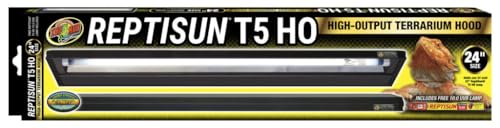
Zoo Med Reptisun 10.0 T5 HO UVB Bulb
The Reptisun 10.0 T5 HO UVB bulb offers excellent UVB and UVA output, vital for tegu vision and metabolic health. Its reputation for durability and reliability makes it a trusted choice for reptile keepers.

Mega-Ray Mercury Vapor Bulb
This mercury vapor bulb offers a convenient all-in-one solution by providing essential UVB, UVA, and heat for tegu enclosures. It simplifies lighting setups by consolidating multiple functions into a single lamp.
Frequently Asked Questions
Tegus need UVB and UVA light to stay healthy. UVB helps with vitamin D3 synthesis, and UVA supports natural behaviors. A basking light is also necessary for heat and temperature regulation.
References & Sources
- https://reptifiles.com/colombian-argentine-tegu-care/tegu-humidity-temperatures/
- https://dubiaroaches.com/blogs/lizard-care/argentine-tegu-care-sheet?srsltid=AfmBOopNKdvhXrC0CT0sQ3CLEKg-gJSmVw8cvGp2k6NGjAd6ABNQ0jQw
- https://reptifiles.com/wp-content/uploads/2020/08/Colombian-Tegu-Care-Sheet-PDF.pdf
- https://reptifiles.com/wp-content/uploads/2020/08/Argentine-Tegu-Care-Sheet-PDF.pdf
- https://reptifiles.com/colombian-argentine-tegu-care/tegu-enclosure-decor/
- https://reptifiles.com/sudan-plated-lizard-care/sudan-plated-lizard-setup-lighting/
Related Articles

Best Blue Tongue Skink Lighting: A Complete Guide (2026)
Confused about the best blue tongue skink lighting? Our guide covers everything from UVB percentages (T5 vs T8) to the right heat lamps for a happy, healthy skink.

Best Red Footed Tortoise Lighting: A Complete Guide
Struggling to find the best red footed tortoise lighting? Our expert guide covers UVB, basking heat, and night cycles to prevent MBD and ensure a healthy pet.

Best Pac Man Frog Lighting: A Simple Guide for Keepers
Confused about the best pac man frog lighting? Our guide demystifies UVB, heating, and day/night cycles to ensure your amphibian thrives. Find top picks here!