Best Tarantula for Handling: 5 Docile Species
Looking for the best tarantula for handling? Our guide reveals 5 gentle giants perfect for keepers who want a hands-on experience with these amazing arachnids.


This article contains affiliate links. If you make a purchase through these links, we may earn a small commission at no extra cost to you. See our affiliate disclosure for details.
We recommend 4 picks here. Our top choice is the Tarantula Keeper's Starter Kit — check price and availability below.
How we choose: we compare published specifications against the care requirements in veterinary and species-care literature, and weigh those against what long-time keepers report. We do not test products ourselves and we do not restate Amazon star ratings. The 6 sources behind this article are listed at the bottom.
Quick Comparison
- Primary Purpose
- Complete Enclosure Setup
- Benefit to Keeper
- Reduces Setup Complexity
- Tarantula Health & Safety Impact
- Foundational Well-being
- Estimated Price (USD)
- $70-150
- Primary Purpose
- Supplemental Heating
- Benefit to Keeper
- Ensures Species Health
- Tarantula Health & Safety Impact
- Prevents Cold Stress
- Estimated Price (USD)
- $25-40
- Primary Purpose
- Safe Feeding & Maintenance
- Benefit to Keeper
- Enhances Keeper Safety
- Tarantula Health & Safety Impact
- Minimizes Handling Stress
- Estimated Price (USD)
- $8-15
- Primary Purpose
- Humidity & Burrowing Medium
- Benefit to Keeper
- Promotes Natural Behaviors
- Tarantula Health & Safety Impact
- Supports Environment Needs
- Estimated Price (USD)
- $5-10
Prices are estimates only. Actual prices on Amazon may vary.
So, you're captivated by tarantulas and dreaming of one you can actually hold. I get it! The idea of a large, fuzzy spider calmly walking across your hand is a huge part of the appeal for many keepers. But finding the best tarantula for handling isn't as simple as picking the prettiest one. Temperament is everything.
As a long-time keeper, I've seen it all. The calm, the skittish, and the downright defensive. The goal of this guide is to steer you toward the gentle giants of the tarantula world. We'll explore which species are known for their placid nature, how to handle them safely, and why responsible interaction is the key to a rewarding experience.
Let's be clear: handling is for our benefit, not the tarantula's. These are delicate animals that can be easily stressed or injured. But if your heart is set on a hands-on relationship with your eight-legged pet, choosing the right species from the start is the most important step you can take.
A Word of Caution: Should You Handle Your Tarantula?
Before we dive into the list, we need to have a serious chat. Handling a tarantula is a controversial topic in the hobby, and for good reason. It carries risks for both you and the spider. Understanding these risks is part of being a responsible keeper.
First, tarantulas don't feel affection. They don't crave your touch or enjoy being held like a puppy might. At best, they tolerate it. For many tarantulas, being picked up is a stressful, frightening experience. They see you as a giant, warm tree, but also a potential predator. Stress can impact their health and longevity.
Second, and most critically, a fall can be a death sentence for a tarantula. Even a drop of a few feet can rupture their abdomen, which is incredibly fragile. This is, without a doubt, the biggest risk associated with handling. It’s a tragic, and entirely preventable, way for a tarantula to die.
Lastly, there are the tarantula's defense mechanisms. New World species (from the Americas), which are the only ones you should ever consider handling, have urticating hairs on their abdomen. When threatened, they can flick these barbed hairs into the air. If they get on your skin, they cause an itchy, irritating rash. If they get in your eyes or you inhale them, it can be a serious medical issue. While bites from New World species are rare and typically no worse than a bee sting, they are still a possibility.
So, why handle them at all? For many, it demystifies these creatures and deepens the appreciation for them. It can also be necessary for rehousing or health checks. The key is to do it infrequently, safely, and only with a species known for its calmness. Finding the best tarantula for handling means finding one that is least likely to be stressed by the interaction.
Safe Handling Process
Create a Safe Zone
Sit on the floor to minimize potential drop distance. A bed or tabletop is still too high.
Tip: The floor is your friend here
Encourage, Don't Grab
Place your hand flat in the enclosure. Gently nudge the tarantula's back legs with a soft paintbrush or your finger to encourage it to walk forward onto your other hand.
Tip: Never force an interaction
Hand-Over-Hand Treadmill
Once on your hand, let it walk. As it approaches the edge, place your other hand in front. It will continue walking from hand to hand, keeping it occupied and preventing escape.
Tip: This keeps the spider focused on walking
Stay Calm and Slow
Use slow, deliberate movements. Sudden motions can spook the tarantula, causing it to run or flick hairs. Don't breathe heavily on it.
Tip: Read the spider's body language carefully
Keep It Short
2-5 minutesLimit handling sessions to only a few minutes. Lower your hand back into the enclosure and let the tarantula walk off on its own terms.
Handling Risks & Responsibilities
What you need to know
Tarantulas don't feel affection—they tolerate handling at best and can be stressed by it
Falls are often fatal: even a few feet can rupture their fragile abdomen
New World species flick urticating hairs when threatened, causing itchy rashes or serious eye/respiratory issues
Bites are rare but possible from defensive species (similar in severity to bee stings)
Handle infrequently, safely, and only with calm species—only you can prevent stress and injury
Best Species for Handling
Quick recommendations
Extremely docile and slow-moving; reluctant to bite or flick hairs. The #1 pick for handling despite higher cost
Hardy, calm, and reliable. Prefers drier conditions, thrives at room temperature, more likely to retreat than defend
Iconic appearance with striking colors. Generally very docile but may kick hairs if bothered
One of the largest species (up to 8 inches) but exceptionally calm and steady growers with impressive gold-striped knees
Detailed Reviews
1. Tarantula Keeper's Starter Kit
Editor's Choice
Tarantula Keeper's Starter Kit
Pros
- •All-in-one solution simplifies initial setup for new keepers.
- •Includes essential items such as an enclosure, substrate, and water dish.
- •Designed to meet basic tarantula housing requirements.
- •Reduces initial research time and potential setup mistakes.
Cons
- •May not be fully customized for specific tarantula species' unique needs.
- •Components might be entry-level, potentially requiring upgrades as the tarantula matures.
- •Typically has a higher upfront cost compared to purchasing individual items separately.
Bottom Line
This comprehensive starter kit provides all fundamental components required for housing a tarantula, making it an excellent choice for beginners. It eliminates the complexities of selecting individual items, ensuring a suitable initial habitat for new eight-legged companions.
2. Zoo Med CreatureTherm Heater
Premium Pick
Zoo Med CreatureTherm Heater
Pros
- •Delivers gentle, consistent heat without intense light emission.
- •Offers a safer alternative to overhead lamps, mitigating desiccation risks for tarantulas.
- •Crucial for maintaining optimal environmental temperatures, particularly for warmth-loving species.
- •Designed for regulated temperature control, aiding in stable habitat conditions.
Cons
- •Requires careful placement to prevent direct contact with the tarantula and potential overheating.
- •Optimal performance may necessitate pairing with a separate thermostat for precise temperature regulation.
- •Potential for higher energy consumption compared to non-heating alternatives.
Bottom Line
The Zoo Med CreatureTherm Heater offers a controlled and consistent heat source, vital for the metabolic health of many tarantula species. Its design prioritizes safety over traditional heating methods, reducing common risks associated with overhead lighting.
3. Long-Handled Feeding Tongs
Best Overall
Long-Handled Feeding Tongs
Pros
- •Extends reach, allowing for safe feeding and hands-free enclosure maintenance.
- •Minimizes direct human-tarantula contact, significantly reducing stress on the animal.
- •Prevents accidental bites during feeding or cleaning activities.
- •Durable construction facilitates precise handling of prey items and decor.
Cons
- •May require practice to achieve delicate handling of very small prey or objects.
- •Can be slightly cumbersome for use within extremely small or cluttered enclosures.
- •Adds another tool to the cleaning and sanitization routine after each use.
Bottom Line
These long-handled feeding tongs provide a critical safety buffer, enabling keepers to feed and maintain enclosures without direct contact with the tarantula. This tool is instrumental in minimizing stress for the animal while safeguarding the keeper from potential defensive behaviors.
4. Coco Fiber Substrate Brick
Budget Pick
Coco Fiber Substrate Brick
Pros
- •Excellent at retaining humidity, supporting species that require moist environments.
- •Promotes natural burrowing behavior, which is crucial for tarantula security and enrichment.
- •Naturally resistant to mold growth, contributing to a more hygienic enclosure.
- •Expands significantly from a compact brick, offering good value for volume.
Cons
- •Requires rehydration before use, which can be a messy and time-consuming process.
- •Fine particles may become airborne during initial setup or when dry, potentially irritating.
- •Not ideal for species requiring extremely arid conditions without significant modification or mixing.
Bottom Line
Coco fiber is a highly recommended substrate that excels in humidity retention and supports natural tarantula burrowing behaviors. Its mold-resistant properties contribute to a healthier environment, making it a cornerstone for responsible tarantula husbandry.
How to Safely Handle a Tarantula
If you've weighed the risks and decided to proceed, safety must be your top priority. The goal is to create a calm, controlled environment where the tarantula feels secure.
Never, ever force an interaction. If the spider is skittish, defensive (rearing up), or trying to flee, just leave it alone and try another day. Reading their body language is crucial.
Here’s the method most experienced keepers use:
- Create a Safe Zone: Sit on the floor. This minimizes the potential drop distance. A bed or a tabletop is still too high. The floor is your friend here.
- Encourage, Don't Grab: Place your hand flat in the enclosure or rehousing bin, right in front of the tarantula. Gently nudge its back legs with a soft paintbrush or your finger. The idea is to encourage it to walk forward onto your other hand.
- The "Hand-Over-Hand" Treadmill: Once it’s on your hand, let it walk. As it approaches the edge of your hand, place your other hand in front of it. It will continue to walk from one hand to the other. This "treadmilling" keeps it occupied and prevents it from trying to bolt.
- Stay Calm and Slow: Make slow, deliberate movements. Sudden motions can spook the tarantula, causing it to run or flick hairs. Don't breathe heavily on it, as this can also be alarming.
- Keep it Short: A handling session should only last for a few minutes. This is enough to satisfy your curiosity without putting undue stress on the animal.
When you're done, simply lower your hand back into the enclosure and let the tarantula walk off on its own terms. With these precautions, you can build a safe and respectful hands-on relationship with your pet.
Top 5 Species: The Best Tarantula for Handling
Now for the fun part! These five species are renowned in the hobby for their docile temperaments, making them the best candidates for keepers who want the option of handling. Remember, individuals vary, but these are your safest bets.
1. Brazilian Black Tarantula (Grammostola pulchra)
Often called the "puppy dog" of the tarantula world, the Brazilian Black is arguably the number one pick for the best tarantula for handling. They are incredibly docile, slow-moving, and reluctant to bite or flick hairs. Their velvety, jet-black appearance is also stunning.
These are slow growers, but their placid nature is consistent from sling to adult. The only downside is their popularity and slow growth rate can make them more expensive and harder to find than other beginner species.
| Feature | Detail |
|---|---|
| Temperament | Extremely Calm |
| Adult Size | 6-7 inches |
| Temperature | 70-80°F |
| Humidity | 60-70% |
| Growth Rate | Very Slow |
2. Arizona Blonde Tarantula (Aphonopelma chalcodes)
A true classic from the American Southwest. Arizona Blondes are hardy, calm, and have been a staple in the hobby for decades. They are known for being very chill and are more likely to retreat than show any defensiveness. Their beautiful blonde carapace and fuzzy legs make them very appealing.
They are accustomed to drier conditions, making their care straightforward. While they might engage in the occasional fast, they are generally one of the most reliable and best pet tarantulas available. Their hardiness makes them a fantastic choice if you're looking for your very first spider.
| Feature | Detail |
|---|---|
| Temperament | Very Calm |
| Adult Size | 5-6 inches |
| Temperature | 75-85°F |
| Humidity | 60-70% |
| Growth Rate | Slow |
3. Mexican Red Knee Tarantula (Brachypelma hamorii)
The Mexican Red Knee is the poster child of the tarantula hobby for a reason. Their iconic black body and fiery orange-red leg joints are instantly recognizable. They are generally very docile and slow-moving, making them a great candidate for handling.
They are also one of the easiest species to care for, thriving at room temperature. It's no wonder this species is a top pick on our list of the best starter tarantulas for beginners. The one thing to note is that Brachypelma species are infamous for kicking hairs. While they are not aggressive, they won't hesitate to flick if they feel bothered. As long as you respect their space, they make fantastic, handleable pets.
| Feature | Detail |
|---|---|
| Temperament | Calm, but may kick hairs |
| Adult Size | 5-6 inches |
| Temperature | 75-80°F |
| Humidity | 65-70% |
| Growth Rate | Slow |
4. Chaco Golden Knee Tarantula (Grammostola pulchripes)
If you want a gentle giant, look no further. The Chaco Golden Knee is one of the largest and most docile tarantulas you can own. Adults can reach an impressive 8-inch leg span! Despite their size, they are known for being exceptionally calm and are often recommended as one of the best pet tarantulas for beginners.
They are great eaters, steady growers, and their gold-striped knees give them a touch of flash. They are typically content to just sit out in the open, making them an excellent display species as well. Their combination of size and serenity makes them a top contender for the best tarantula for handling.
| Feature | Detail |
|---|---|
| Temperament | Very Calm |
| Adult Size | 7-8 inches |
| Temperature | 72-80°F |
| Humidity | 65-75% |
| Growth Rate | Medium |
5. Chilean Rose Hair Tarantula (Grammostola rosea/porteri)
No list of handleable tarantulas would be complete without the Chilean Rose. For many years, this was the beginner tarantula. They are inexpensive, readily available, and incredibly hardy. Most are exceptionally docile, though they are known for having more individual personality variance than the other species on this list.
You might get a super-chill one, or you might get a slightly grumpy one that prefers to be left alone. They are also known for periodic fasting, sometimes refusing food for months, which can worry new keepers. Still, a calm Rose Hair is one of the best tarantulas for handling you can find.
| Feature | Detail |
|---|---|
| Temperament | Usually Calm |
| Adult Size | 5-6 inches |
| Temperature | 70-80°F |
| Humidity | 65-70% |
| Growth Rate | Slow |
Species to AVOID for Handling
Just as important as knowing which species are good for handling is knowing which to avoid. As a rule, you should NEVER attempt to handle any Old World species (from Africa, Asia, and Europe).
Why? Two big reasons:
- Potent Venom: Unlike New World species, Old World tarantulas have medically significant venom. A bite can result in severe pain, muscle cramping, nausea, and other unpleasant symptoms that can require medical attention.
- Defensive and Fast: They lack urticating hairs, so their primary defense is their bite. They are notoriously defensive and lightning-fast. They will not hesitate to bite if they feel threatened.
Some popular but strictly hands-off species include:
- Pterinochilus murinus (OBT): Nicknamed the "Orange Bitey Thing" for a reason.
- Poecilotheria metallica (Gooty Sapphire): Beautiful, but fast, defensive, and packing potent venom.
- Harpactira pulchripes (Golden Blue Leg Baboon): A stunning spider with a nasty attitude.
Stick to the New World species we've discussed. The risk with Old Worlds is simply not worth it.
What If a Tarantula Bites or Flicks Hairs?
Even with a docile species, accidents can happen. Don't panic.
If you are bitten: For the New World species on our list, a bite is usually not serious unless you have a specific allergy. It will likely hurt and may cause some localized swelling and redness, similar to a bee or wasp sting. Wash the area with soap and water, use a cold compress, and take an over-the-counter pain reliever if needed. The symptoms should subside within a day or two. If you experience any severe symptoms like difficulty breathing, seek medical attention immediately.
If you get haired: Urticating hairs are itchy and annoying. The best thing to do is wash the affected area with soap and water immediately. You can use tape to press on the area and pull off the tiny hairs. A hydrocortisone cream can help relieve the itching. Whatever you do, do not touch your eyes or face until you have thoroughly washed your hands. If hairs get in your eyes, it's a trip to the doctor.
Conclusion: Respect is Key
Choosing the best tarantula for handling is all about prioritizing a calm temperament. Species like the Grammostola pulchra (Brazilian Black) and Aphonopelma chalcodes (Arizona Blonde) are top-tier choices for those who want a gentle, hands-on pet. They combine a peaceful nature with easy care requirements, making them a joy to keep.
Remember that handling is a privilege, not a right. Always put your tarantula's safety and well-being first. By moving slowly, staying low to the ground, and respecting your spider's boundaries, you can create a positive experience for both of you. A gentle tarantula is one of the most unique and fascinating pets you can own, offering a window into a world most people only see in movies.
Our Final Verdict
Tarantula Keeper's Starter Kit
This comprehensive starter kit provides all fundamental components required for housing a tarantula, making it an excellent choice for beginners. It eliminates the complexities of selecting individual items, ensuring a suitable initial habitat for new eight-legged companions.
Zoo Med CreatureTherm Heater
The Zoo Med CreatureTherm Heater offers a controlled and consistent heat source, vital for the metabolic health of many tarantula species. Its design prioritizes safety over traditional heating methods, reducing common risks associated with overhead lighting.
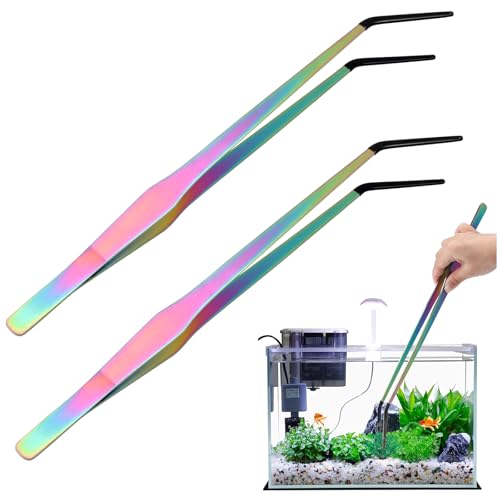
Long-Handled Feeding Tongs
These long-handled feeding tongs provide a critical safety buffer, enabling keepers to feed and maintain enclosures without direct contact with the tarantula. This tool is instrumental in minimizing stress for the animal while safeguarding the keeper from potential defensive behaviors.
Frequently Asked Questions
While it's physically possible, it's a debated topic. Handling is for the human's benefit, not the spider's, as it can cause them stress. It also poses a significant risk to the tarantula, as even a short fall can be fatal. If you choose to handle one, it should be done rarely, safely (by sitting on the floor), and only with a species known for its docile temperament.
References & Sources
- https://www.thesprucepets.com/tarantulas-for-beginners-5324020
- https://community.morphmarket.com/t/best-tips-for-beginner-tarantula-keepers/52656
- https://www.thesprucepets.com/best-pet-tarantula-species-4176793
- https://www.thesprucepets.com/curly-hair-tarantulas-as-pets-1237347
- https://www.thesprucepets.com/mexican-red-knee-tarantulas-as-pets-1237353
- https://www.thesprucepets.com/pinktoe-tarantulas-as-pets-1237354
Related Articles

Best Pet Tarantula for Beginners: Top 10 Species
Discover the best pet tarantulas for beginners — from the docile Mexican Red Knee to the stunning Green Bottle Blue. Find your perfect first spider here.

Best Tarantula Species: Top Picks for New Keepers
Looking for the best tarantula? Discover 10 docile, beginner-friendly species with expert care tips, comparison tables, and buying advice for new keepers.

Best Tarantula Cage: An In-Depth Keeper's Guide for 2026
Searching for the best tarantula cage? Our 2026 keeper's guide covers terrestrial vs. arboreal setups, proper sizing, ventilation, and the safest enclosures for your T.