Best Sulcata Tortoise Food: What to Feed Your Giant
Discover the best sulcata tortoise food — from grasses and hay to safe greens and pellets. Practical feeding guide with schedules, food lists, and what to avoid.


This article contains affiliate links. If you make a purchase through these links, we may earn a small commission at no extra cost to you. See our affiliate disclosure for details.
We recommend 5 picks here. Our top choice is the Small Pet Select Timothy Hay — check price and availability below.
How we choose: we compare published specifications against the care requirements in veterinary and species-care literature, and weigh those against what long-time keepers report. We do not test products ourselves and we do not restate Amazon star ratings. The 3 sources behind this article are listed at the bottom.
Quick Comparison
- Primary Diet Component
- Yes (75-80%)
- Form
- Loose Hay
- Main Nutritional Role
- Fiber, Forage
- Ease of Use
- Continuous Access
- Storage
- Dry, Cool Place
- Price Range
- $20-40
- Primary Diet Component
- No (Supplement)
- Form
- Pellets
- Main Nutritional Role
- Balanced Nutrition, Fiber
- Ease of Use
- Occasional Soaked Feeding
- Storage
- Dry, Airtight Container
- Price Range
- $30-50
- Primary Diet Component
- No (Supplement)
- Form
- Powder
- Main Nutritional Role
- Calcium, Vitamin D3
- Ease of Use
- Daily Dusting
- Storage
- Dry, Room Temperature
- Price Range
- $10-20
- Primary Diet Component
- No (Supplement)
- Form
- Solid Block
- Main Nutritional Role
- Calcium
- Ease of Use
- Leave in Enclosure
- Storage
- Dry, Room Temperature
- Price Range
- $5-15
- Primary Diet Component
- Yes (Supplemental Fiber)
- Form
- Fresh or Dried Pads
- Main Nutritional Role
- Fiber, Hydration, Vitamins
- Ease of Use
- Occasional Feeding/Rehydration
- Storage
- Long-term (Dried)/Refrigerated (Fresh)
- Price Range
- $15-30
Prices are estimates only. Actual prices on Amazon may vary.
Sulcata tortoises are the third-largest tortoises in the world. They can live over 70 years and grow to weigh more than 100 pounds. That means feeding them right isn't just important — it's a lifelong commitment.
The good news? Sulcatas aren't picky eaters. The challenge is making sure you're giving them the right things in the right amounts. Get it wrong, and you're looking at shell deformities, kidney disease, and a shortened lifespan.
This guide covers the best sulcata tortoise food — from fresh grasses to commercial pellets — so you can keep your giant healthy and thriving for decades.
What Do Sulcata Tortoises Eat in the Wild?
In the wild, sulcata tortoises (Centrochelys sulcata) live in the semi-arid regions of sub-Saharan Africa. Their natural diet is almost entirely high-fiber grasses and dry plant matter. They spend most of their day grazing slowly across the savanna.
This is the most important thing to understand about sulcata nutrition: high fiber, low protein, low sugar. Their digestive system evolved for tough, dry vegetation — not fruits, vegetables, or protein-rich foods.
When you replicate that in captivity, your sulcata thrives. When you don't, problems follow quickly.
Best Grasses for Sulcata Tortoises
Timothy Grass
Gold Standard
Best for captive tortoises
Orchard Grass
Excellent
Highly palatable and nutritious
Bermuda Grass
Excellent
Perfect for outdoor pens
Buffalo Grass
Good
Native to arid regions
Rye Grass
Good
Solid seasonal option
Best Leafy Greens for Sulcata Tortoises
Opuntia Cactus Pads
Excellent
High fiber, high hydration
Collard Greens
Excellent
High calcium
Dandelion Greens
Excellent
Highly palatable, packed with calcium
Hibiscus Leaves
Excellent
Most tortoises love these
Mulberry Leaves
Excellent
Great protein-to-fiber ratio
Sulcata Feeding Schedule by Age
Hatchlings (0–1 yr)
Daily
Grasses, greens, soaked pellets
Juveniles (1–5 yr)
Daily
Hay, grasses, leafy greens
Adults (5+ yr)
Daily or every other day
Hay, grasses, occasional greens
Top Tortoise Pellet Recommendations
Quick recommendations
High fiber, low protein under 15%, widely trusted formula for arid tortoises
Natural formula, high fiber, specifically formulated for arid-environment tortoises, $10-35
Detailed Reviews
1. Small Pet Select Timothy Hay
Best Overall
Small Pet Select Timothy Hay
Pros
- •Provides essential high-fiber content, crucial for sulcata digestive health.
- •Promotes natural grazing behaviors due to its loose-cut form.
- •Consistently fresh with minimal dust, reducing respiratory irritants.
- •Can be left out for continuous access, supporting ad-libitum feeding.
Cons
- •Can be messy, requiring regular enclosure cleaning.
- •May not be consumed by all tortoises if more palatable options are available.
- •Requires a consistent supply to meet daily dietary needs.
Bottom Line
This timothy hay provides the foundational high-fiber diet necessary for sulcata tortoises, mimicking their natural grazing habits. Its consistent quality and minimal dust content make it a superior choice for daily feeding.
2. Mazuri Tortoise Diet LS (Low Starch)
Editor's Choice
Mazuri Tortoise Diet LS (Low Starch)
Pros
- •Formulated specifically for arid-environment tortoises with appropriate protein and fiber levels.
- •Provides a convenient, balanced nutritional supplement when fresh forage is scarce.
- •Trusted brand known for veterinary-backed formulations.
- •Long shelf life and easy to store.
Cons
- •Should only be offered as a supplement, not a primary food source (max 20-25% of diet).
- •Can be higher in moisture than natural dry forage when soaked.
- •Cost per feeding can be higher than bulk hay.
Bottom Line
Mazuri Tortoise Diet LS offers a scientifically formulated pellet supplement designed for sulcatas, providing essential nutrients in a low-starch, high-fiber format. It is an excellent option for dietary variety or when fresh grasses are not accessible.
3. Zoo Med Repti Calcium with D3
Best Value
Zoo Med Repti Calcium with D3
Pros
- •Provides crucial calcium and Vitamin D3 for bone and shell health in indoor tortoises.
- •Powdered form allows for easy dusting onto fresh foods.
- •Helps prevent metabolic bone disease (MBD), a common issue for captive reptiles.
- •Widely available and recognized brand.
Cons
- •Requires daily application for optimal effectiveness.
- •The D3 content is only effective with proper artificial UVB lighting.
- •Some tortoises may refuse dusted food, requiring alternative administration.
Bottom Line
This calcium supplement with D3 is vital for indoor sulcata tortoises to prevent debilitating metabolic bone disease. Its powdered form allows for convenient application onto their regular diet, supporting robust shell development.
4. Cuttlebone for Tortoises
Premium Pick
Cuttlebone for Tortoises
Pros
- •Offers a natural, self-regulating source of calcium carbonate.
- •Allows tortoises to self-regulate their mineral intake as needed.
- •Promotes natural chewing behaviors and can help keep beaks trimmed.
- •Requires minimal maintenance once placed in the enclosure.
Cons
- •Some tortoises may ignore cuttlebone, rendering it ineffective.
- •Can become dirty or waterlogged in humid enclosures, reducing appeal.
- •Does not provide Vitamin D3, which is crucial for calcium absorption without natural sunlight.
Bottom Line
Cuttlebone provides a convenient and natural calcium source, enabling tortoises to instinctively supplement their mineral intake. It simplifies calcium provision for keepers while offering a form of enrichment.
5. Opuntia Cactus Pads (Dried or Fresh)
Budget Pick
Opuntia Cactus Pads (Dried or Fresh)
Pros
- •Excellent source of high fiber and hydration, aligning with natural diet.
- •Naturally low in oxalates, making them safe for regular feeding.
- •Available in shelf-stable dried forms, easy to store and prepare.
- •Highly palatable and provides dietary variety.
Cons
- •Fresh pads can be difficult to source consistently or in large quantities.
- •Can be more expensive than hay as a primary fiber source.
- •Dried options require rehydration before feeding.
Bottom Line
Opuntia cactus pads are a nutritionally dense food, offering high fiber and hydration crucial for sulcata health, making them an ideal dietary component. Their low oxalate content ensures safe and beneficial regular consumption.
The Foundation: Grasses and Hay
Grasses and hay should make up at least 75–80% of your sulcata's diet. This isn't just a recommendation — it's a biological requirement.
The best grasses for sulcata tortoises include:
- Timothy grass — the gold standard for captive tortoises
- Orchard grass — highly palatable and nutritious
- Bermuda grass — excellent if you have an outdoor pen
- Buffalo grass — native to arid regions, a natural choice
- Rye grass — a solid seasonal option
If you have outdoor space, growing a grass pasture is the single best long-term feeding solution. Sulcatas will graze contentedly all day when given access to a grassy enclosure.
For indoor setups or supplemental feeding, timothy hay for tortoises is your best bet. Look for loose hay rather than compressed bricks — it's more natural and easier for your tortoise to work through.
The Best Leafy Greens for Sulcata Tortoises
Leafy greens are a great supplement to hay and grass — but they shouldn't be the main course. Think of them as the 15–20% complement to your tortoise's fiber-heavy diet.
Safe and Recommended Greens
| Green | Notes |
|---|---|
| Opuntia cactus pads | Excellent — high fiber, high hydration |
| Collard greens | High calcium, great choice |
| Dandelion greens | Nutritious and most tortoises love them |
| Mulberry leaves | Great protein-to-fiber ratio |
| Grape leaves | Safe and nutritious |
| Hibiscus leaves and flowers | Tortoises go crazy for these |
| Plantain weed | Found in most lawns — totally safe |
Dandelion greens are one of the best free foods available. If your yard is pesticide-free, let your tortoise graze on them freely. They're packed with calcium and are highly palatable to almost every sulcata.
Greens to Limit or Avoid
Some greens are fine occasionally. Others should never be offered.
Limit these (high oxalates or goitrogens):
- Spinach — binds calcium, offer very rarely if at all
- Kale — same issue, small amounts only
- Swiss chard — occasional treat only
Avoid completely:
- Iceberg lettuce — nearly zero nutritional value
- Rhubarb — toxic
- Avocado — toxic
- Fruit of any kind — too high in sugar
What About Vegetables?
Can sulcata tortoises eat carrots, squash, or other vegetables? The short answer: yes, occasionally and in small amounts.
Vegetables shouldn't be a regular part of the diet. Most are higher in sugar and lower in fiber than grasses. But they're not harmful as an occasional supplement.
Safe vegetables include:
- Carrots — fine in small amounts, but higher in sugar
- Squash and zucchini — good hydration source
- Bell peppers — occasional only
- Pumpkin — high fiber, great seasonal treat
A good rule of thumb: if a vegetable tastes sweet, offer it sparingly. Sulcatas didn't evolve eating sweet foods, and their digestive systems can't handle high sugar loads over time.
The Truth About Fruit
Fruit should be avoided entirely. I know it feels generous to hand your tortoise a strawberry or a slice of watermelon. But sulcatas' gut bacteria aren't designed for high-sugar foods.
Fruit can ferment in their digestive tract and cause serious problems — including diarrhea, bloating, and intestinal dysbiosis. Some keepers offer fruit as a very rare treat, maybe once a month in tiny amounts. But honestly? Skip it. Your sulcata won't miss it, and you'll sidestep real health risks.
Commercial Tortoise Pellets: A Helpful Supplement
[Commercial tortoise pellets](https://www.amazon.com/dp/B0CB4P9FXW?tag=krawlo-20 can be a convenient and nutritious supplement — but they should never replace fresh food. Think of them as a nutritional insurance policy, not a primary diet.
The best pellets are:
- High in fiber
- Low in protein (under 15%)
- Made without artificial colors or preservatives
- Specifically formulated for arid-environment tortoises
Pellets are particularly useful during winter months when fresh grass isn't available, or for hatchlings and juveniles that need consistent daily nutrition.
How much to offer: Pellets should make up no more than 10–15% of the total diet. Always soak them in water before offering — this aids digestion and adds critical hydration.
(Estimates only — actual prices on Amazon may vary.) Quality tortoise pellets typically run $10–$35 depending on brand and bag size. Mazuri Tortoise Diet LS and Zoo Med Natural Grassland Tortoise Food are two widely trusted options.
Calcium and Supplements: Don't Skip These
Sulcatas need calcium for strong shell and bone development. Without adequate calcium, you'll see metabolic bone disease — soft shells, structural deformities, and serious long-term health issues.
The easiest approach: leave a cuttlebone or calcium block in the enclosure at all times and let your tortoise self-regulate. Most tortoises instinctively nibble when they need calcium.
You can also lightly dust food with reptile calcium powder two or three times per week. Use calcium without D3 for outdoor tortoises that get natural sunlight. Use calcium with D3 for indoor tortoises under artificial UVB.
Vitamin supplementation: Most sulcatas eating a varied, grass-heavy diet don't need daily multivitamins. A light dusting of a reptile multivitamin once or twice a month is plenty — more isn't better here.
How Often Should You Feed a Sulcata Tortoise?
Sulcatas are natural grazers. In the wild, they eat throughout the day. Here's how to replicate that in captivity:
| Age | Feeding Frequency | Primary Foods |
|---|---|---|
| Hatchlings (0–1 yr) | Daily | Grasses, greens, soaked pellets |
| Juveniles (1–5 yr) | Daily | Hay, grasses, leafy greens |
| Adults (5+ yr) | Daily or every other day | Hay, grasses, occasional greens |
For adults with outdoor access, let them graze freely during daylight hours. Supplement with loose hay when the grass is sparse or the season limits growth.
Here's one thing you don't need to stress about: overfeeding hay or grass. You really can't give a sulcata too much fiber. What you want to control is the richer stuff — greens, vegetables, and pellets.
Hydration: Don't Overlook Water
Sulcatas come from dry environments, so many owners assume they need very little water. This is a common and costly mistake.
In the wild, sulcatas get hydration from the moisture in their food, occasional dew, and seasonal rainfall. In captivity, you need to provide fresh water every single day. A shallow dish they can actually soak in is ideal — sulcatas drink and absorb hydration through their skin at the same time.
Regular soaking is especially critical for hatchlings and juveniles. Soak young tortoises for 15–20 minutes, two to three times per week. This prevents dehydration, supports proper kidney function, and helps them flush out waste.
For adults, a large shallow water pan in the enclosure works well. Change the water daily — sulcatas frequently defecate in their water dish.
What NOT to Feed a Sulcata Tortoise
Here's a quick reference for what to keep out of your sulcata's diet:
❌ Fruit — too high in sugar, causes gut problems
❌ Protein-rich foods (meat, dog food, cat food) — causes kidney damage and pyramiding
❌ Spinach and beet greens (regularly) — high oxalates block calcium absorption
❌ Rhubarb — toxic
❌ Avocado — toxic
❌ Iceberg lettuce — no nutritional value
❌ Bread, grains, cooked foods — not appropriate for their digestive system
❌ Wild plants from treated lawns — pesticide exposure risk
High protein is one of the most serious and common feeding mistakes with sulcatas. It causes pyramiding — those raised, bumpy scutes on the shell — and leads to irreversible kidney damage over time. Keep protein sources completely out of the diet.
Building a Simple Weekly Feeding Plan
Not sure where to start? Here's a straightforward weekly plan for a juvenile or adult sulcata:
Every day:
- Free access to timothy hay or fresh grass
- Fresh water in a shallow dish
3–4 times per week:
- Dandelion greens, collard greens, or hibiscus flowers
- Cactus pads if available
2–3 times per week:
- Light calcium dusting on greens
1–2 times per week:
- Soaking for 15–20 minutes (more often for juveniles)
- Soaked pellets, a small portion
Monthly:
- Multivitamin dusting once or twice
- Occasional safe treat like grape leaves or pumpkin
This plan gives your sulcata the fiber-rich foundation they need while keeping nutrition varied and complete. It's sustainable for the long haul — and with sulcatas, you're always thinking long haul.
Final Thoughts on Sulcata Tortoise Feeding
The best sulcata tortoise food is the simplest food: grasses, hay, and occasional leafy greens. These animals evolved eating tough, dry plant matter over thousands of years. Their bodies are built for it.
The mistakes happen when we project human ideas about variety and richness onto them. Sulcatas don't need fruit. They don't need protein. They need fiber, calcium, hydration, and consistency.
Get the basics right and you'll have a healthy, active tortoise for decades. For everything else — housing, lighting, temperatures — check out our complete Sulcata Tortoise Care: The Giant Comes With Responsibilities guide. And if you're curious how sulcata care compares to other tortoise species, our Russian Tortoise Care: Complete Beginner's Guide is a great next read. You might also find our African Spurred Tortoise Housing guide useful for planning your enclosure setup alongside your feeding routine.
Our Final Verdict
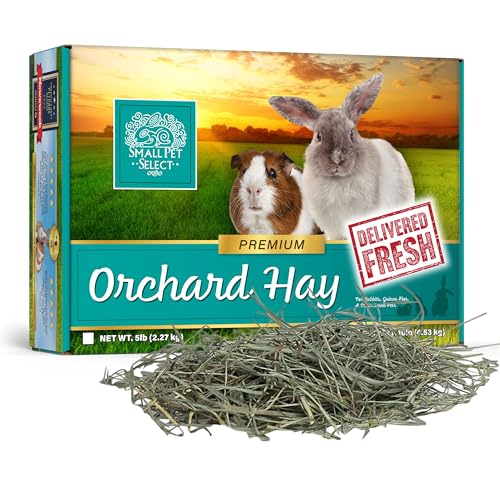
Small Pet Select Timothy Hay
This timothy hay provides the foundational high-fiber diet necessary for sulcata tortoises, mimicking their natural grazing habits. Its consistent quality and minimal dust content make it a superior choice for daily feeding.

Mazuri Tortoise Diet LS (Low Starch)
Mazuri Tortoise Diet LS offers a scientifically formulated pellet supplement designed for sulcatas, providing essential nutrients in a low-starch, high-fiber format. It is an excellent option for dietary variety or when fresh grasses are not accessible.

Zoo Med Repti Calcium with D3
This calcium supplement with D3 is vital for indoor sulcata tortoises to prevent debilitating metabolic bone disease. Its powdered form allows for convenient application onto their regular diet, supporting robust shell development.
Frequently Asked Questions
The best food for sulcata tortoises is high-fiber grasses and hay — these should make up 75–80% of the diet. Timothy grass, orchard grass, and Bermuda grass are all excellent choices. Supplement with leafy greens like dandelion, collard greens, and cactus pads. Avoid fruit, protein-rich foods, and high-sugar vegetables.
References & Sources
Related Articles

Best Sulcata Tortoise Substrate: Top Picks & Setup Guide
Find the best sulcata tortoise substrate for healthy shell growth and natural digging. Includes top picks, depth guide, and what to avoid.

Best Turtle Basking Platform: 5 Top Picks for 2026
Find the best turtle basking platform for your setup. We compare floating docks, above-tank platforms, and suction-cup options for every tank size.

Best Hay for Sulcata Tortoise: Top Picks & Tips
Discover the best hay for sulcata tortoises — from orchard grass to timothy. Learn which hays are safe, nutritious, and where to buy them.