5 Best Small Tortoises That Stay Under 10 Inches
Discover the top 5 best small tortoise species for pet owners, ideal for those looking for a manageable and charming companion.


This article contains affiliate links. If you make a purchase through these links, we may earn a small commission at no extra cost to you. See our affiliate disclosure for details.
We recommend 3 picks here. Our top choice is the Exo Terra Reptile Lamp — check price and availability below.
How we choose: we compare published specifications against the care requirements in veterinary and species-care literature, and weigh those against what long-time keepers report. We do not test products ourselves and we do not restate Amazon star ratings. The 6 sources behind this article are listed at the bottom.
Quick Comparison
- Primary Function
- UVB/UVA Lighting
- Maintenance Frequency
- Lamp replacement every 6-12 months
- Enclosure Impact
- Creates basking spot and UV gradient
- Key Benefit
- Shell health & natural behaviors
- Estimated Price Range
- $25-45
- Primary Function
- Humidity & Digging Substrate
- Maintenance Frequency
- Regular misting & spot cleaning
- Enclosure Impact
- Regulates ambient humidity & supports burrowing
- Key Benefit
- Natural digging & moisture retention
- Estimated Price Range
- $10-20
- Primary Function
- Continuous Hydration
- Maintenance Frequency
- Daily refilling & cleaning
- Enclosure Impact
- Localizes hydration & provides humid microclimate
- Key Benefit
- Consistent fresh water access
- Estimated Price Range
- $30-50
Prices are estimates only. Actual prices on Amazon may vary.
If you're considering adding a small tortoise to your family, you're in for a treat! Small tortoises are not only adorable but also manageable for many pet owners. Whether you're a beginner or an experienced keeper, finding the best small tortoise for your pet can be a fun and rewarding journey. In this guide, we'll explore five of the most popular small tortoise species, their care requirements, and what makes them great choices as pets.
1. Hermann's Tortoise: A Mediterranean Charm
Overview
The Hermann's Tortoise (Testudo hermanni) is a classic choice for many reptile enthusiasts. Originating from the Mediterranean, this species is known for its vibrant personality and manageable size. Hermann's Tortoises typically grow to about 6-8 inches in length, making them perfect for a smaller enclosure.
Care Requirements
Housing
Hermann's Tortoises thrive in outdoor enclosures if you live in a suitable climate. If not, a large indoor terrarium will do. The enclosure should have a warm basking spot, a cooler area, and a humid hide for proper hydration. (Estimates only — actual prices on Amazon may vary.) You can create a comfy and safe habitat with [reptile substrates](https://www.amazon.com/dp/B007UE10HG?tag=krawlo-20 and a [reptile hide box](https://www.amazon.com/dp/B08KG2KGZ8?tag=krawlo-20
Diet
These tortoises are primarily herbivores and require a diet rich in fiber and low in protein. Offer a variety of leafy greens, hay, and occasional fruits. Avoid overfeeding, especially with foods high in oxalates. A [reptile food calculator](https://www.amazon.com/dp/B0CKR9JF6M?tag=krawlo-20 can help you manage portion sizes.
Temperament
Hermann's Tortoises are generally friendly and curious. They can recognize their owners and often seek interaction. However, they do need their space and quiet time. Regular handling can help build trust, but always be gentle and avoid overhandling.
Pros and Cons
Pros
- Vibrant personality: They are active and engaging.
- manageable size: Ideal for smaller living spaces.
- Long lifespan: With proper care, they can live over 50 years.
Cons
- Outdoor needs: They prefer outdoor enclosures in suitable climates.
- Seasonal hibernation: Hermann's Tortoises hibernate in the winter, which can be challenging for some keepers.
Hermann's Tortoise Quick Facts
Adult Size
6-8 inches
Manageable for smaller enclosures
Lifespan
50+ years
Long-term commitment
Temperament
Friendly & curious
Can recognize owners
Diet
Herbivore
Fiber-rich leafy greens and hay
Special Needs
Winter hibernation
Challenging for some keepers
Russian Tortoise Quick Facts
Adult Size
4-6 inches
One of the smallest species
Care Level
Low maintenance
Perfect for beginners
Hardiness
Robust & adaptable
Thrives indoors and outdoors
Temperament
Calm & docile
Appreciates gentle interaction
Cost
Affordable
Budget-friendly option
Egyptian Tortoise Quick Facts
Adult Size
3-5 inches
Smallest in the guide
Origin
Egyptian & Libyan deserts
Prefers warm, dry environments
Temperament
Shy but interactive
Sensitive to stress
Housing
Medium terrarium
Compact but needs humid hide
Diet
Herbivore
Grasses, weeds, low-water foods
Pancake Tortoise Quick Facts
Adult Size
6-7 inches
Compact with unique appearance
Shell
Flat & flexible
Distinctive among tortoise species
Behavior
Active climbers
Need tall, secure enclosures
Temperament
Playful & adventurous
Engaging to watch
Care Needs
Humidity sensitive
Requires humid hide and water dish
Detailed Reviews
1. Exo Terra Reptile Lamp
Best Overall
Exo Terra Reptile Lamp
Pros
- •Delivers both UVA and UVB spectrums, essential for reptile health.
- •Supports proper calcium metabolism and bone health.
- •Creates a warm basking spot for natural thermoregulation.
- •Enhances overall well-being and natural behaviors in captive tortoises.
Cons
- •Requires replacement every 6-12 months for optimal UV output.
- •Generates heat, necessitating careful placement to avoid enclosure overheating.
- •May require an additional fixture (dome) for proper installation.
Bottom Line
This essential lighting solution provides vital UVA and UVB radiation, crucial for a tortoise's physiological health. It promotes robust shell development and supports natural behaviors within the enclosure.
2. Zoo Med Eco Earth
Best Value
Zoo Med Eco Earth
Pros
- •Excellent moisture retention for maintaining optimal humidity levels.
- •Provides a soft, naturalistic digging and burrowing medium for enrichment.
- •Made from sustainable coconut fiber, offering an eco-friendly option.
- •Assists in odor absorption, contributing to a cleaner enclosure.
Cons
- •Can become dusty when dry, potentially affecting respiratory health.
- •Requires regular misting to maintain ideal humidity, adding to daily care.
- •May adhere to food items if fed directly on the substrate.
Bottom Line
Zoo Med Eco Earth is a highly effective coconut fiber substrate known for its moisture retention capabilities. It facilitates natural digging behaviors and helps regulate crucial humidity levels within a tortoise's habitat.
3. Exo Terra Water Dripper
Premium Pick
Exo Terra Water Dripper
Pros
- •Ensures a continuous, slow drip of fresh water, mimicking natural sources.
- •Encourages drinking behaviors, especially in species attracted to moving water.
- •Helps maintain ambient humidity around the water source, supporting humid hides.
Cons
- •Requires frequent refilling and thorough cleaning to prevent bacterial growth.
- •Can increase overall enclosure humidity, which might be unsuitable for arid species.
- •May not be necessary for all tortoise species if a shallow water dish is consistently available and clean.
Bottom Line
The Exo Terra Water Dripper provides a consistent and fresh water source, particularly beneficial for tortoises that prefer moving water. This system aids in hydration and can create a localized humid microclimate.
2. Pancake Tortoise: Unique and Fascinating
Overview
The Pancake Tortoise (Malacochersus tornieri) is a unique species known for its flat, flexible shell. Native to East Africa, these tortoises are small, typically reaching only 6-7 inches in length. Their distinctive appearance and active nature make them a favorite among reptile lovers.
Care Requirements
Housing
Pancake Tortoises are climbers and need a tall, secure enclosure. They prefer a warm, dry environment with a basking spot and a cool, shaded area. Since they are prone to dehydration, maintain a humid hide and provide a shallow water dish. (Estimates only — actual prices on Amazon may vary.) Consider [climbing branches](https://www.amazon.com/dp/B09X6MVN7X?tag=krawlo-20 and reptile pumice stones for their habitat.
Diet
Pancake Tortoises are herbivores and should be fed a diet similar to that of a Mediterranean tortoise. Include a mix of grasses, hay, and leafy greens. Occasional fruits can be given as treats, but limit these to avoid obesity and other health issues.
Temperament
These tortoises are known for their active and playful behavior. They enjoy climbing and exploring their environment. Despite their cute and docile appearance, they can be quite adventurous and make for a fun pet to watch.
Pros and Cons
Pros
- Unique appearance: Their flat, flexible shell is unlike any other tortoise.
- Active behavior: They are fun to watch and interact with.
- Small size: Great for those with limited space.
Cons
- Specialized habitat: They require a tall, secure enclosure with climbing opportunities.
- Sensitivity to humidity: They need a humid hide and regular access to water.
3. Russian Tortoise: Hardy and Low-Maintenance
Overview
The Russian Tortoise (Testudo horsfieldii) is a popular choice for beginners due to its hardiness and low-maintenance care requirements. Native to the arid regions of Central Asia, they are well-adapted to both indoor and outdoor environments. Adult Russian Tortoises typically reach 4-6 inches in length, making them one of the smaller tortoise species kept as pets.
Care Requirements
Housing
Russian Tortoises can thrive in both indoor and outdoor enclosures. For indoor setups, a large terrarium with a warm basking spot and a cooler area is essential. They also benefit from a humid hide and a shallow water dish. You can create a comfortable environment with [reptile sand substrates](https://www.amazon.com/dp/B0002DIZKC?tag=krawlo-20 and [reptile misters](https://www.amazon.com/dp/B09KX9YFWW?tag=krawlo-20
Diet
These tortoises are primarily herbivores and should be fed a diet rich in fiber and low in protein. Offer a variety of leafy greens, weeds, and hay. Avoid overfeeding and provide a calcium supplement to ensure strong shell growth. A [reptile feeding dish](https://www.amazon.com/dp/B0009YHRLW?tag=krawlo-20 can help keep their food clean and dry.
Temperament
Russian Tortoises are generally calm and docile. They can recognize their owners and show curious behavior. While they appreciate regular interaction, they also need their space and time to explore. Handling them gently and infrequently is recommended to avoid stress.
Pros and Cons
Pros
- Hardiness: They are robust and can adapt to various environments.
- Low maintenance: They are relatively easy to care for, especially for beginners.
- Affordable: They are often more budget-friendly compared to other tortoise species.
Cons
- Outdoor needs: They benefit from outdoor enclosures in suitable climates.
- Seasonal hibernation: They may hibernate during colder months, which can be a challenge for some keepers.
4. Egyptian Tortoise: A Tiny Treasure
Overview
The Egyptian Tortoise (Testudo kleinmanni) is one of the smallest tortoise species, reaching only 3-5 inches in length. They are native to the deserts of Egypt and Libya, making them well-suited to dry, warm environments. Their small size and unique appearance make them a popular choice among tortoise enthusiasts.
Care Requirements
Housing
Due to their small size, Egyptian Tortoises can be housed in medium-sized terrariums. They require a warm basking spot, a cooler area, and a dry substrate. A humid hide is essential to prevent dehydration. (Estimates only — actual prices on Amazon may vary.) Use [reptile sand](https://www.amazon.com/dp/B0002DIZKC?tag=krawlo-20 and [reptile moss](https://www.amazon.com/dp/B0CL4L8M1V?tag=krawlo-20 to create a suitable environment.
Diet
Egyptian Tortoises are herbivores and should be fed a diet rich in fiber and low in protein. Offer a variety of grasses, weeds, and leafy greens. Avoid high-water content foods and provide a calcium supplement to support shell health. A [reptile feeding dish](https://www.amazon.com/dp/B0009YHRLW?tag=krawlo-20 can help keep their food organized.
Temperament
These tortoises are generally shy but can become more outgoing with regular interaction. They are sensitive to stress and require a quiet, stable environment. Gentle handling and a consistent routine can help them feel more comfortable and secure.
Pros and Cons
Pros
- Tiny size: They are one of the smallest tortoise species, perfect for small living spaces.
- Unique appearance: Their small size and attractive shell make them stand out.
- Low water needs: They are adapted to dry environments and don't need frequent misting.
Cons
- Shy nature: They can be more challenging to interact with and may need more time to adjust.
- Sensitive to stress: They require a calm and stable environment to thrive.
- Higher price: They are often more expensive than other small tortoise species.
5. Greek Tortoise: A Classic Choice
Overview
The Greek Tortoise (Testudo graeca) is a versatile species that has been popular among pet owners for years. They are native to the Mediterranean and can grow to about 6-8 inches in length. Their hardiness and adaptability make them a great choice for both beginners and experienced keepers.
Care Requirements
Housing
Greek Tortoises can be housed in both indoor and outdoor enclosures. An outdoor setup is ideal if you live in a suitable climate, but a large indoor terrarium will also work. Ensure the enclosure has a warm basking spot, a cooler area, and a humid hide. (Estimates only — actual prices on Amazon may vary.) Use [reptile substrates](https://www.amazon.com/dp/B007UE10HG?tag=krawlo-20 and reptile heat lamps to create a suitable environment.
Diet
Like other Mediterranean tortoises, Greek Tortoises are primarily herbivores. Their diet should consist of a variety of leafy greens, hay, and occasional fruits. Avoid overfeeding and provide a calcium supplement to support shell development. A [reptile feeding dish](https://www.amazon.com/dp/B0009YHRLW?tag=krawlo-20 can help keep their food clean and dry.
Temperament
Greek Tortoises are generally calm and docile. They can recognize their owners and show curious behavior. While they enjoy interaction, they also need their space and time to explore. Handling them gently and infrequently is recommended to avoid stress.
Pros and Cons
Pros
- Versatility: They can thrive in both indoor and outdoor environments.
- Hardiness: They are robust and can adapt to various conditions.
- Friendly nature: They are generally calm and can recognize their owners.
Cons
- Outdoor needs: They benefit from outdoor enclosures in suitable climates.
- Seasonal hibernation: They may hibernate during colder months, which can be a challenge for some keepers.
Conclusion
Choosing the best small tortoise for your pet depends on your lifestyle, experience level, and availability of resources. Hermann's, Pancake, Russian, Egyptian, and Greek Tortoises all have their unique charm and care requirements. Whether you prefer an active and playful pet or a calm and docile companion, there's a small tortoise species that's perfect for you. Remember, regardless of the species you choose, providing a suitable habitat, a balanced diet, and regular interaction are key to their health and happiness.
For more detailed care guides, check out our articles on Best Pet Tortoise for Beginners: 5 Top Species Ranked and Best Pet Tortoise: 6 Top Species for Every Keeper.
Our Final Verdict
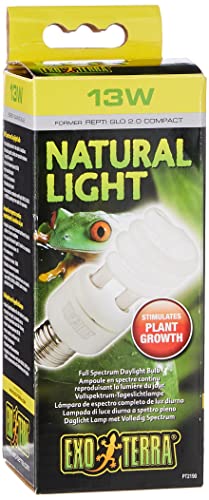
Exo Terra Reptile Lamp
This essential lighting solution provides vital UVA and UVB radiation, crucial for a tortoise's physiological health. It promotes robust shell development and supports natural behaviors within the enclosure.

Zoo Med Eco Earth
Zoo Med Eco Earth is a highly effective coconut fiber substrate known for its moisture retention capabilities. It facilitates natural digging behaviors and helps regulate crucial humidity levels within a tortoise's habitat.
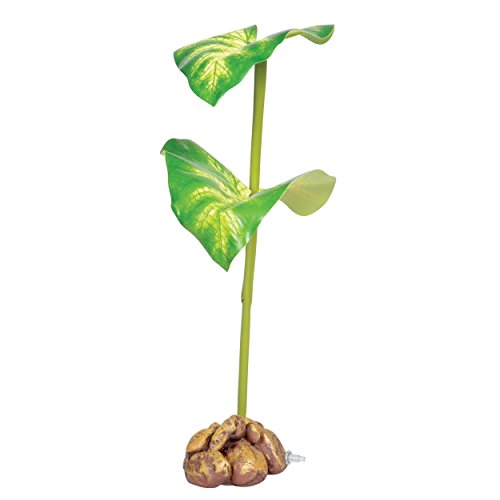
Exo Terra Water Dripper
The Exo Terra Water Dripper provides a consistent and fresh water source, particularly beneficial for tortoises that prefer moving water. This system aids in hydration and can create a localized humid microclimate.
Frequently Asked Questions
The Russian Tortoise is often considered one of the friendliest small tortoise species. They are generally calm and can recognize their owners, showing curious behavior.
References & Sources
- https://www.zenhabitats.com/blogs/reptile-care-sheets-resources/5-small-tortoises-perfect-for-zen-habitats-enclosures?srsltid=AfmBOoqDVVSEbv7WFf9_jX-j7zcgqx7o_YeMfWhhoQMNhp251YcRpZtv
- https://www.thesprucepets.com/types-of-pet-turtles-4788330
- https://www.thesprucepets.com/tortoises-as-pets-1237258
- https://www.petmd.com/russian-tortoise-agrionemys-horsfieldii
- https://www.thesprucepets.com/greek-tortoises-and-spur-thighed-tortoises-1239534
- https://www.thesprucepets.com/cherry-head-red-footed-tortoises-4057737
Related Articles

Best Tortoise Species for Pet: Your Ultimate Guide
Looking for the best tortoise species for pet ownership? Our guide covers top tortoise picks, their care needs, and how to choose the perfect shelled friend for your home.

Best Breed of Tortoise for Pet: Top 6 Species
Looking for the best breed of tortoise for a pet? We rank 6 top species by ease of care, size, and personality to help you pick the right one.

Best Tortoise to Have as a Pet: 5 Top Picks for Keepers
Searching for the best tortoise to have as a pet? Our expert guide ranks the top 5 species for keepers, from small Russian tortoises to gentle giants.